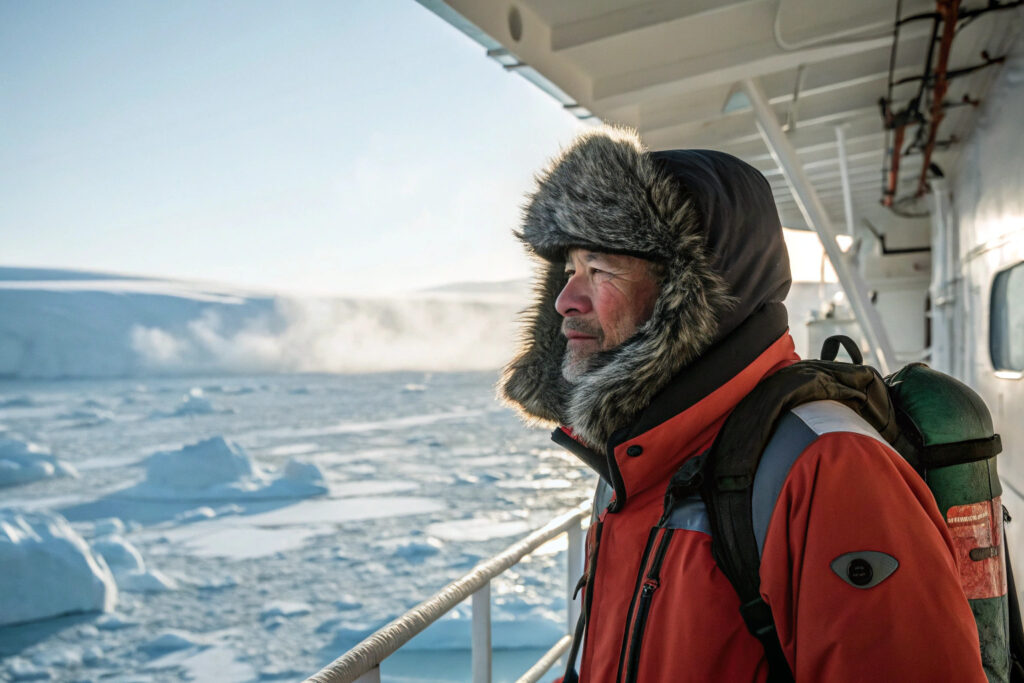
Antarctica. The name itself conjures images of a vast, frozen wilderness—the coldest, windiest, and most extreme continent on Earth. For the scientists and adventurers who dare to explore it, the right gear isn't a matter of comfort; it's a matter of survival. A simple fashion beanie won't cut it when temperatures can plummet to -50°C (-58°F) with relentless, katabatic winds. So, what do you wear on your head at the end of the world?
The top hat styles for Antarctic expeditions are not single hats but a modular, multi-layered system designed for maximum thermal insulation, windproofing, and moisture management. The system is anchored by two key pieces: a heavily insulated Trapper Hat or Ushanka for maximum protection, and a form-fitting Expedition Beanie made from technical fabrics for active use and layering. These are often supplemented by a full Balaclava or face mask for complete protection.
As the owner of Shanghai Fumao Clothing, a company that has spent two decades engineering headwear for the world's most demanding environments, Antarctica represents the ultimate design challenge. You can't fake performance here. Every stitch, every material, and every feature must have a purpose. Let's break down the system and explore the non-negotiable features required for headwear destined for the ice.
Why Is a Layering System Crucial for Headwear?
In Antarctica, you don't just wear one hat. You wear a system of hats. The conditions can change rapidly, and your activity level can vary from sitting on a zodiac boat to actively hiking a glacier. A layering system allows you to adapt to these changes, managing both warmth and moisture to stay safe and comfortable.
The three-layer principle of outdoor clothing applies directly to your head:
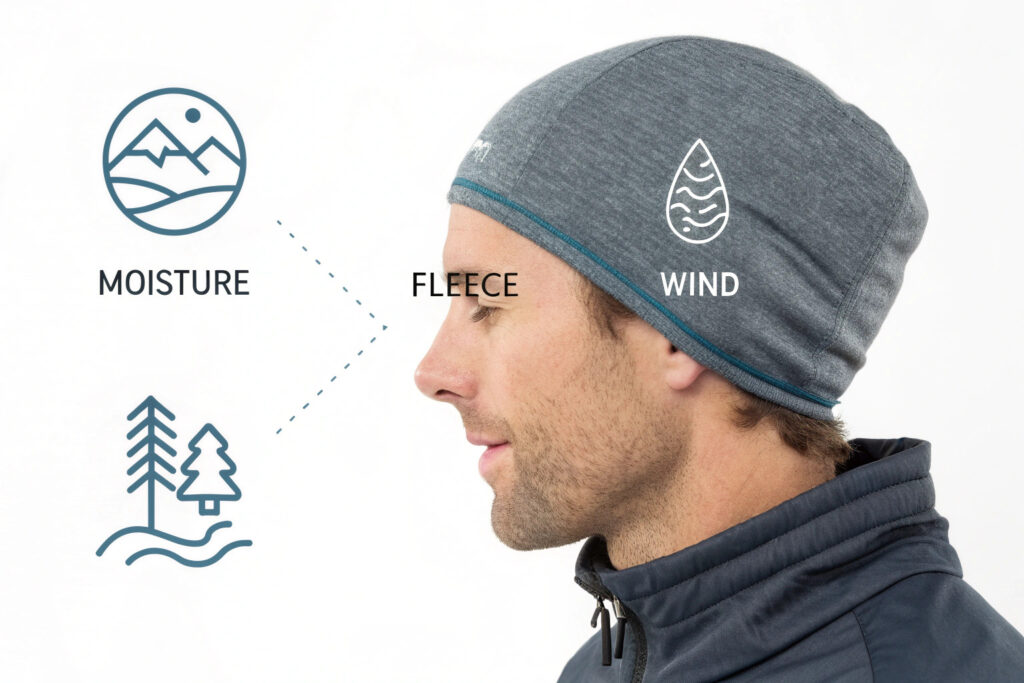
- Base Layer (The Beanie): This is your "second skin." Its primary job is to wick sweat away from your scalp to keep you dry. A wet head loses heat dramatically faster than a dry one. This layer is worn during high-exertion activities or as a comfortable hat inside the research station or ship.
- Mid-Layer (Insulation): This layer's job is to trap your body heat. This could be a thicker fleece or wool beanie, or it could be the integrated insulation of your main outer hat.
- Outer Layer (The Shell): This is your shield against the elements. Its only purpose is to block the wind and keep snow or moisture out. In Antarctica, windproofing is arguably more important than waterproofing.
A well-designed Antarctic headwear system, like the Trapper Hat, combines the mid and outer layers into a single, highly functional piece. But the principle remains: you adapt by adding or removing layers. Too hot? Wear just the beanie. Getting cold and windy? Put the trapper on over it. This modularity is the absolute key to comfort and safety.
What is "wind chill"?
Wind chill is the perceived decrease in air temperature felt by the body on exposed skin due to the flow of air. The wind strips away the thin layer of warm air at the surface of your skin, causing you to lose heat much faster. A -20°C day can feel like -40°C with a moderate wind. This is why windproof fabric is non-negotiable in Antarctica, a topic covered in detail by meteorological services like the National Weather Service.
Why is managing sweat so important in the cold?
When you're active, you sweat. If that sweat is trapped by your clothing (like a cotton hat), it will make the fabric wet. When you stop moving, that moisture will rapidly cool, drawing heat from your body at an alarming rate. This can quickly lead to hypothermia. This is why the first rule of cold-weather dressing is "cotton kills." Performance fabrics that wick moisture are essential for survival, a principle drilled into every polar explorer and mountaineer by organizations like the National Outdoor Leadership School (NOLS).
What Is the Ultimate Antarctic Hat: The Expedition Trapper?
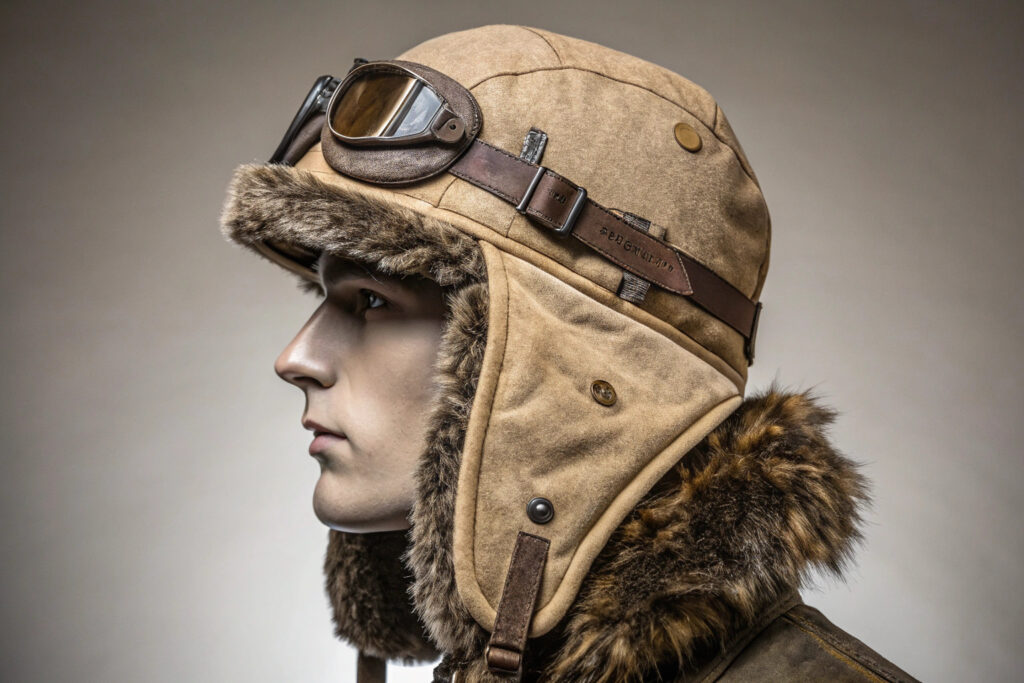
If you could only have one hat for the coldest, windiest conditions, it would be the expedition trapper hat (also known as a bomber hat or, in its Russian form, a Ushanka). This is the workhorse of polar headwear, designed to provide maximum protection for the head, ears, and chin.
But not all trapper hats are created equal. A true expedition-grade trapper has specific, non-negotiable features:
- A Windproof/Water-Resistant Shell: The outer fabric must be a durable, tightly woven synthetic like nylon or polyester with a windproof membrane (like GORE-TEX INFINIUM™) to completely block the wind.
- High-Loft Insulation: The hat is filled with a thick layer of high-performance synthetic insulation (like PrimaLoft®) or, traditionally, down. Synthetic insulation is often preferred as it continues to insulate even if it gets damp.
- Deep, Insulated Earflaps: The earflaps must be long and wide enough to cover the entire ear and jawline. They are lined with a very dense, soft, high-pile fleece or high-quality faux fur to trap warm air and prevent frostbite.
- A Secure, Glove-Friendly Buckle: The earflaps must fasten securely under the chin with a robust buckle that is easy to operate while wearing thick gloves or mittens. A magnetic buckle is an excellent modern choice.
- A Stiff, Structured Brim: A small brim helps to shield the eyes from blowing snow and sun glare.
At Shanghai Fumao Clothing, when we design for extreme cold, we focus on eliminating any potential points of failure. Seams are minimized, hardware is oversized and durable, and every material is chosen for its specific performance characteristics. This is the engineering mindset required to build gear for the harshest environment on Earth.
What is PrimaLoft® insulation?
PrimaLoft® is a brand of patented synthetic microfiber thermal insulation that was originally developed for the United States Army in the 1980s. It's known for being a "synthetic down" with excellent water resistance, making it a popular choice for high-performance outdoor gear. It provides incredible warmth for its weight and is a go-to material for polar and alpine equipment, as featured on their official website PrimaLoft.com.
Why is faux fur used instead of real fur?
While traditional polar explorers used real fur, modern high-quality faux fur offers many of the same benefits with fewer downsides. It's excellent at trapping air and creating a warm microclimate around the face. It doesn't absorb water, it's more durable, and it avoids the significant ethical and sourcing issues associated with real fur.
What Other Headwear Completes the System?
The trapper hat is your ultimate shield, but it's not the only piece you'll need. To complete your headwear system, you need a few other key items for versatility and complete protection.
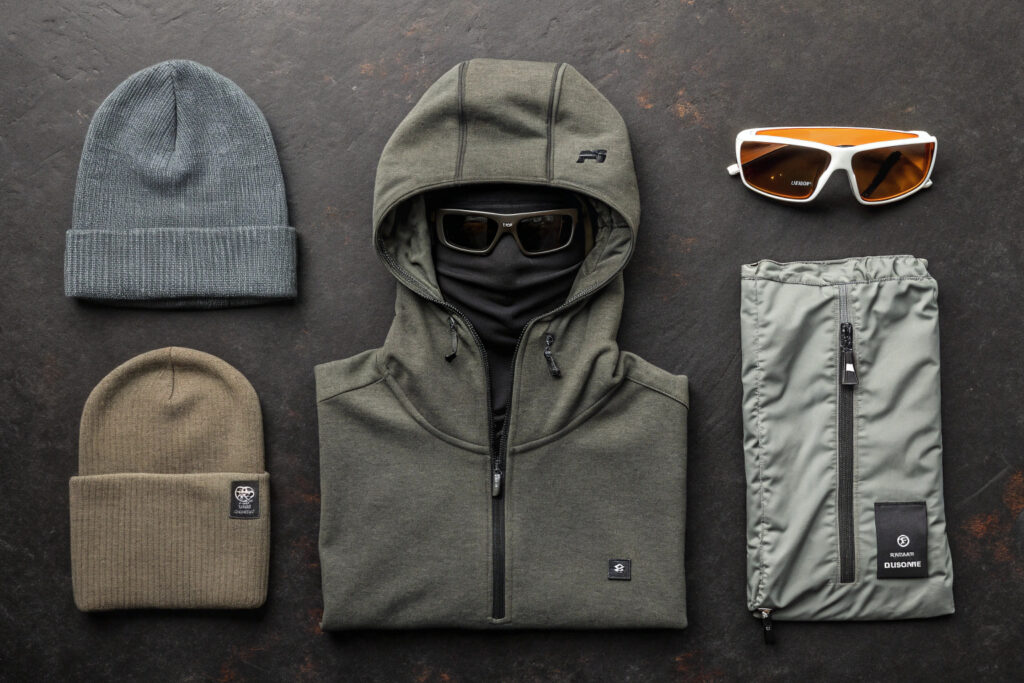
1. The Expedition Beanie (Base Layer):
As mentioned, this is your wicking layer. The best ones are made from either merino wool or a technical synthetic grid fleece. Merino wool is a natural miracle fiber: it's warm, breathable, moisture-wicking, and naturally odor-resistant. A thin, form-fitting merino beanie is the perfect first layer.
2. The Balaclava:
For the absolute coldest and windiest days, a balaclava is essential. It's a single piece of fabric that covers the entire head, neck, and face, leaving only a small opening for the eyes. A good balaclava will be made from a stretchy, moisture-wicking fleece and will often have a mesh panel over the mouth to reduce the buildup of moisture from your breath, which can otherwise freeze.
3. The Neoprene Face Mask:
Sometimes, a full balaclava is too much. A simple neoprene face mask, which just covers the nose and cheeks, can be worn with your beanie or trapper hat. Neoprene is the same material used in wetsuits; it's highly wind-resistant and provides excellent insulation for the most vulnerable parts of your face.
4. Glacier Goggles/Sunglasses:
This is a critical piece of safety equipment. The sun's reflection off the vast white landscape creates an intense, blinding glare. High-quality, UV400-rated glacier goggles or sunglasses with side shields are mandatory to prevent a painful condition called snow blindness.
A professional outfitter or a specialized manufacturer can help you assemble this entire system, ensuring that each piece works together. For example, the trapper hat should be sized to fit comfortably over the beanie and the top of the balaclava. This is the kind of integrated design thinking that is essential for sourcing expedition-grade gear.
What is "grid fleece"?
Grid fleece is a type of fleece fabric that has a grid pattern of channels cut into it on one side. This design has two benefits: it reduces the fabric's weight and improves its breathability, while the fleece squares continue to trap warm air. It's a very efficient material for an active mid-layer, used by top outdoor brands like Polartec®.
What is snow blindness?
Snow blindness, or photokeratitis, is a painful eye condition caused by overexposure to ultraviolet (UV) rays, typically from the sun's reflection on snow or ice. It's essentially a sunburn on your cornea. Symptoms include pain, tearing, and a gritty feeling in the eyes. It is completely preventable with proper eye protection, as explained by medical resources like the American Academy of Ophthalmology.
How Do You Source Expedition-Grade Headwear?
You cannot source true expedition-grade headwear from a standard fashion supplier. You need to partner with a manufacturer that has demonstrable experience in producing technical outdoor and safety equipment.
Here's what to look for in a manufacturing partner:
- A Portfolio of Technical Gear: Look for a company that proudly showcases its work with outdoor brands, industrial safety companies, or even military contracts. Their website and catalogs should be filled with products that use performance materials.
- Access to Branded Materials: A top-tier manufacturer will have established supply chains for branded, high-performance materials like GORE-TEX, PrimaLoft, Polartec, and 3M Thinsulate. This is a strong indicator of their quality and capabilities.
- In-House R&D and Testing: Ask about their design and development process. Do they have an R&D team? Do they have the capability to test their products for thermal resistance, windproofing, or water resistance?
- Experience with Complex Construction: Building an expedition trapper hat involves complex patterns and sewing techniques. Ask to see samples of their most complex products to evaluate their workmanship.
At Shanghai Fumao Clothing, we have invested heavily in developing these capabilities. We understand that creating a hat for Antarctica is less like making apparel and more like building a piece of specialized survival equipment. It requires a different level of precision, knowledge, and quality control.
What is the difference between GORE-TEX and GORE-TEX INFINIUM™?
Traditional GORE-TEX is focused on being fully waterproof and breathable. GORE-TEX INFINIUM™, on the other hand, is a newer product line from GORE-TEX that prioritizes comfort and performance in other ways. The products are totally windproof and highly breathable but are only water-resistant, not waterproof. For a cold, dry environment like Antarctica where wind is the main enemy, GORE-TEX INFINIUM™ is often the more appropriate choice.
What is a reasonable MOQ for such a specialized hat?
For a highly complex, multi-material product like an expedition trapper hat, the Minimum Order Quantity (MOQ) will be higher than for a simple beanie. You can expect an MOQ in the range of 300 to 500 pieces. This is due to the high cost of the specialized materials and the complexity of the production setup.
Conclusion
Headwear for an Antarctic expedition is the ultimate example of function over fashion. It is a purpose-built system of survival gear, where every layer, material, and feature is designed to combat the planet's most extreme cold and wind. A modular system, consisting of a moisture-wicking beanie, a full balaclava, and a robust, windproof trapper hat, is the proven solution for staying safe and focused on the ice.
Sourcing this level of gear requires a partnership with a manufacturer who is as serious about performance as you are. It's about finding a team that speaks the language of technical textiles and understands that they are not just making a hat, but a critical piece of life-sustaining equipment.
If you are an expedition outfitter, a scientific organization, or a brand that caters to the world's most serious adventurers, my team at Shanghai Fumao Clothing has the expertise and the passion to build the gear you need. We are ready to take on the challenge. Please contact our Business Director, Elaine, at her email: elaine@fumaoclothing.com to discuss your specific requirements.