Hat theft represents a significant and growing problem for US retailers, with certain styles proving particularly vulnerable to theft due to their popularity, resale value, and concealability. Understanding which hats are most frequently stolen and implementing targeted prevention strategies can dramatically reduce shrinkage and protect profitability.
The most stolen hat styles in US retail include premium baseball caps, luxury brand designer hats, limited edition releases, and high-fashion streetwear headwear. These categories attract theft due to their brand recognition, high resale value, and strong demand in secondary markets. Successful prevention requires combining strategic merchandising, technology solutions, and staff training tailored to these high-risk products.
This comprehensive guide examines the specific hat styles at greatest theft risk, analyzes why they're targeted, and provides actionable prevention strategies that balance security with customer accessibility.
Which Hat Styles Face the Highest Theft Risk?
Certain hat categories consistently appear in theft reports due to specific characteristics that make them attractive to shoplifters. Understanding these patterns helps retailers prioritize security resources and develop targeted protection strategies.
High-theft hats typically share common attributes including strong brand recognition, easy concealment, and active resale markets. The most vulnerable styles often combine multiple risk factors that make them appealing targets for both organized retail crime and opportunistic theft.

Why Are Premium Baseball Caps So Vulnerable?
New Era 59FIFTY caps and similar premium baseball styles rank as the most stolen hat category, with theft rates 3-5 times higher than basic caps. Their universal brand recognition makes them easy to resell through both legitimate and underground channels. The standardized sizing system allows thieves to easily identify valuable sizes without trying on merchandise. Limited edition team collaborations and player signature series often sell for 200-400% markup on secondary markets, creating strong theft incentive. Their compact folding capability enables easy concealment in bags or under clothing during theft attempts.
What Makes Luxury Designer Hats Prime Targets?
Designer brand hats from houses like Gucci, Louis Vuitton, and Balenciaga experience theft rates 8-10 times higher than average headwear. The extreme price differential between cost and retail value creates significant profit potential for thieves. Strong secondary market demand ensures quick liquidation of stolen goods, often within hours of theft. The minimal packaging requirements compared to other luxury items makes them easier to conceal and transport. Many luxury hats feature minimal security tags due to concerns about damaging delicate materials or aesthetics.
How Can Retailers Implement Effective Prevention Strategies?
Successful theft prevention requires a layered approach combining physical security, technology solutions, and staff engagement. The most effective strategies address both opportunistic theft and organized retail crime targeting high-value headwear.
A comprehensive prevention program should include merchandise protection, store design considerations, employee training, and technology integration. Each layer provides overlapping protection that deters theft while maintaining positive shopping experiences for legitimate customers.
What Merchandising Strategies Reduce Theft?
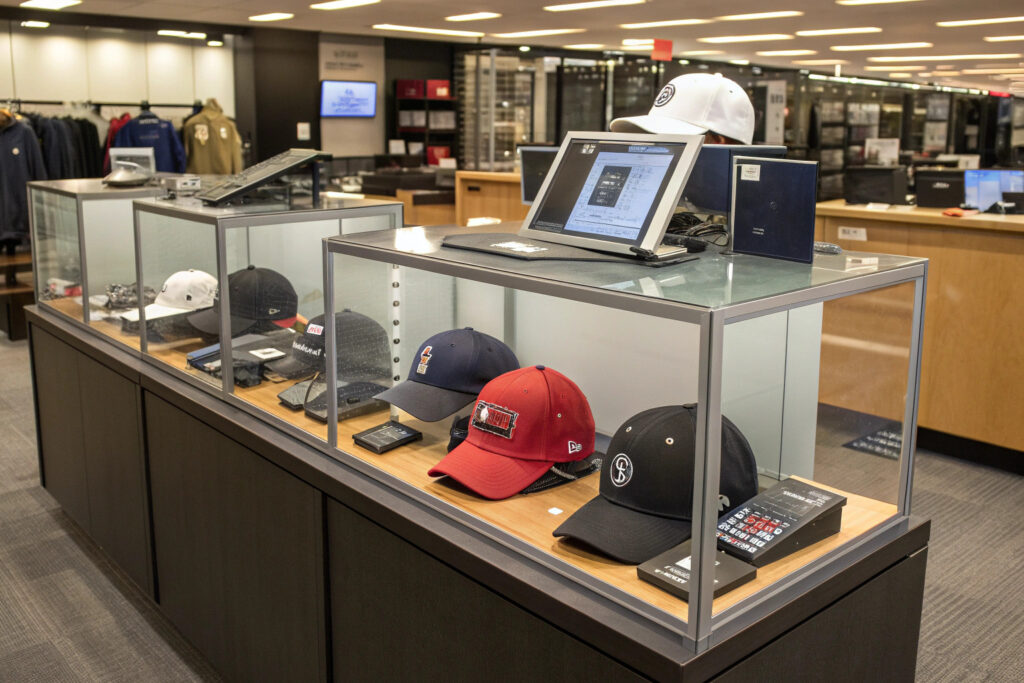
Placing high-theft hat styles in locked display cases reduces grab-and-run opportunities while allowing customer access through staff assistance. Implementing keepers and spider wraps specifically designed for headwear provides visible deterrents without damaging merchandise. Using tethered security systems that allow try-ons while preventing removal from designated areas balances security and customer experience. Establishing limited display quantities with bulk inventory stored securely reduces potential loss per incident. These strategic merchandising approaches can reduce hat theft by 40-60% when properly implemented.
How Does Technology Enhance Hat Security?
RFID-enabled security tags allow both theft prevention and inventory management through integrated systems. Electronic article surveillance systems using specialized hat tags provide reliable detection at store exits. Video analytics software can identify suspicious behavior patterns around high-theft merchandise categories. Smart shelving technology alerts staff when multiple high-value hats are removed simultaneously. Integrating these technological solutions creates a comprehensive security net that addresses both prevention and response.
What Staff Training Prevents Hat Theft?
Well-trained employees represent the most effective theft prevention resource, particularly for high-value headwear that requires special handling. Staff should understand both the technical aspects of security systems and the psychological approaches to deterrence.
Effective training combines product knowledge, observation skills, customer engagement techniques, and proper response protocols. Employees who can identify potential theft situations and intervene appropriately provide the human intelligence that complements technological solutions.

How Can Customer Service Deter Theft?
The ""
approach of offering assistance to every customer examining high-theft items establishes presence and deters potential thieves. Teaching staff to recognize suspicious behavior patterns around hat displays enables proactive intervention before theft occurs. Implementing product knowledge training that emphasizes the value and features of high-risk hats helps staff communicate their worth to legitimate customers. Developing structured engagement protocols for high-theft areas ensures consistent staff presence without appearing confrontational. These service-based strategies can prevent 25-35% of potential theft incidents through deterrence alone.
What Response Protocols Should Staff Follow?
Establishing clear incident documentation procedures ensures consistent information collection for both internal analysis and law enforcement cooperation. Training staff in proper observation techniques helps gather accurate descriptions and evidence without compromising safety. Implementing structured communication systems allows discreet coordination between staff members during potential theft situations. Developing professional confrontation protocols that prioritize safety while protecting merchandise. These standardized response frameworks ensure appropriate handling of theft incidents while minimizing liability risks.
How Does Store Design Influence Hat Theft Rates?
Strategic store layout and design elements significantly impact theft opportunities for high-risk headwear. Thoughtful design can naturally deter theft while enhancing the legitimate customer shopping experience.
Effective store design addresses sight lines, access control, and merchandise presentation in ways that simultaneously discourage theft and encourage purchasing. The most successful layouts integrate security considerations seamlessly into the overall retail environment.
What Layout Strategies Maximize Visibility?
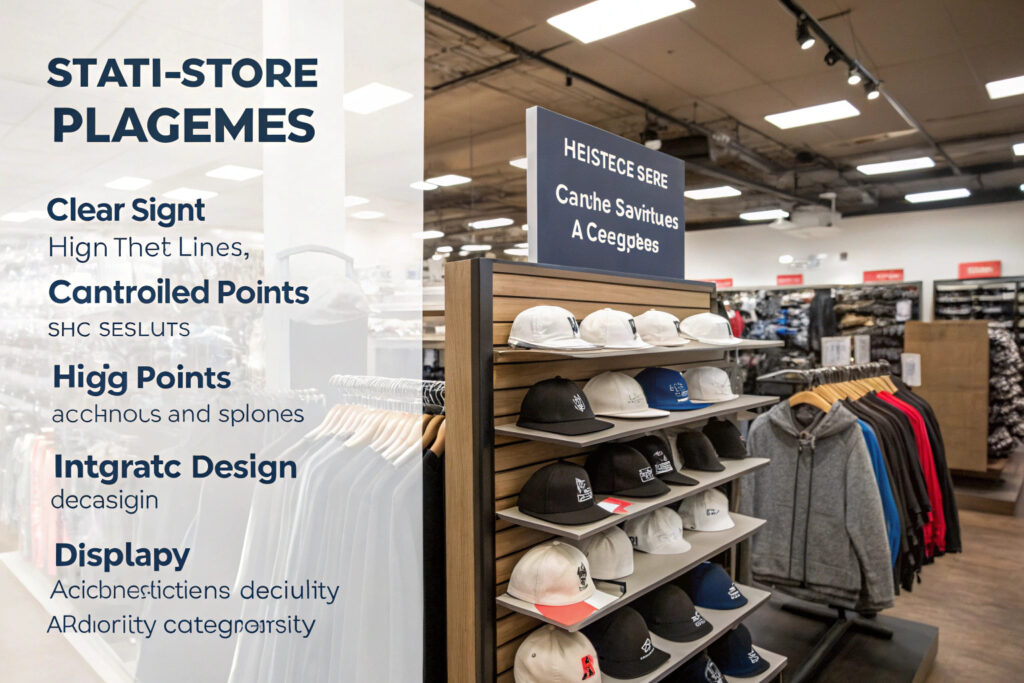
Placing high-theft hat displays within natural staff sight lines from cash wraps and service stations maintains constant visibility. Using elevated display platforms improves both product presentation and staff monitoring capability. Implementing open plan designs around valuable merchandise reduces concealment opportunities. Creating defined traffic patterns that naturally guide customers past staffed areas before reaching high-value items. These visibility-focused designs can reduce theft opportunities by 30-50% compared to poorly planned layouts.
How Can Fixture Selection Impact Security?
Choosing secured display fixtures specifically designed for high-theft merchandise categories provides physical protection. Using modular display systems that allow quick reconfiguration based on theft pattern analysis. Implementing display density strategies that balance attractive presentation with security considerations. Selecting anti-theft fixtures that integrate directly with electronic security systems. These strategic fixture choices create physical barriers to theft while maintaining merchandising flexibility.
Conclusion
Understanding which hat styles face the greatest theft risk enables retailers to develop targeted prevention strategies that protect profitability while maintaining customer accessibility. The most successful approaches combine strategic merchandising, technology integration, staff training, and store design elements that collectively deter theft.
The investment in comprehensive hat theft prevention pays significant dividends through reduced shrinkage, improved inventory accuracy, and enhanced staff confidence. Retailers should regularly assess their prevention strategies against evolving theft patterns and adjust their approaches accordingly. By implementing these evidence-based prevention techniques, retailers can significantly reduce losses while creating safer, more profitable retail environments.