If you're sourcing or buying luxury hats, knowing which styles are most faked isn't just about curiosity—it's crucial for protecting your business and customers. The market is flooded with imitations, with some styles targeted so heavily that seizures can involve hundreds of counterfeit units in a single shipment.
Counterfeiting is a significant global issue that damages brand integrity and poses risks to consumers. For businesses, falling victim to counterfeits can mean financial loss, legal issues, and eroded customer trust.
As a manufacturer with decades in the heart of China's textile industry, we see firsthand how counterfeiting distorts the market. In this article, I'll share insights on the most targeted styles, how to spot fakes, and why partnering with a reputable manufacturer like us is your strongest defense.
Which Luxury Hat Styles Are Most Frequently Counterfeited?
The most counterfeited luxury hat styles are those with high brand recognition, simple silhouettes, and iconic logos. Baseball caps and beanies from major luxury and streetwear brands are prime targets due to their massive popularity and relative ease of illicit production.
Brands like Gucci, Louis Vuitton, Chanel, and Supreme are among the most copied. For instance, U.S. Customs and Border Protection has seized large shipments of counterfeit ball caps bearing these exact brand names. The appeal for counterfeiters is clear: these items have instant status, consistent demand, and their core design (like a cap or beanie) is straightforward to reproduce, even if the details and quality fail to match the original.
Beyond the classic luxury houses, the booming streetwear market is a major target. Limited-edition collaborations, like those between Supreme and New Era, are notoriously faked. The high resale value and cult following make them ideal for counterfeiters looking to exploit eager fans. The problem is so pervasive that experts note it can be exceptionally difficult to distinguish real from fake based on appearance alone, forcing a closer inspection of labels and tags.
Why Are Baseball Caps and Beanies So Vulnerable to Fakes?
The vulnerability stems from three factors: mass appeal, design simplicity, and logo-centric value. Baseball caps and beanies are universal, unisex items worn across demographics, guaranteeing a vast market. Their basic form requires no complex tailoring, lowering the barrier for illicit production. Most of their perceived value resides in the branded logo—whether it's Gucci's double G or Supreme's box logo—rather than intricate construction. This makes them easier to approximate poorly and still sell. A counterfeit sweater might need to replicate complex knit patterns, but a fake cap often just needs a passable logo slapped on a common cap form, a practice alarmingly common in some markets.
How Does Counterfeiting Impact Legitimate Businesses Like Yours?
The impact is direct and multifaceted. First, it creates unfair price competition, undercutting your legitimate products. Second, it can tarnish your brand's reputation if customers accidentally receive fakes through unauthorized channels. Third, it fuels a cycle where consumer suspicion rises, making it harder for all sellers, even honest ones, to gain trust. As a manufacturer, we invest heavily in authentic design and quality control to ensure our partners receive genuine value. Choosing a transparent supplier committed to intellectual property is a critical business decision.
How Can You Spot a Counterfeit Luxury Hat?
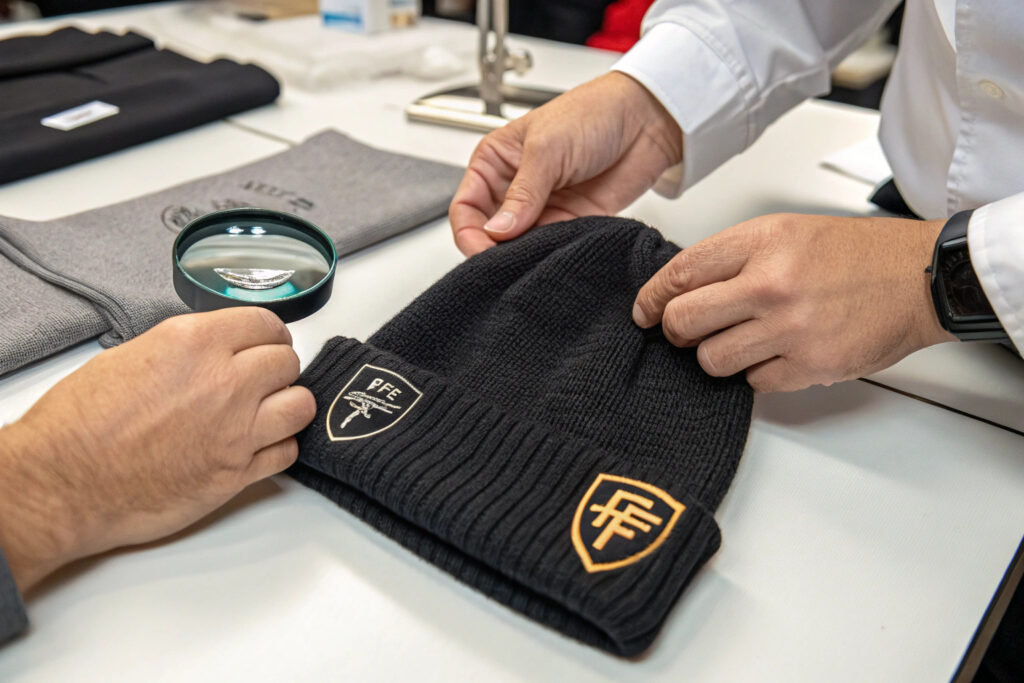
Spotting a counterfeit requires moving beyond the logo and scrutinizing the details of craftsmanship. Authenticity is embedded in the quality of materials, precision of stitching, and accuracy of labels and tags.
The first rule is to trust the tactile experience. Authentic luxury hats use superior materials—whether it's the weight of the cotton, the softness of the wool, or the sheen of the silk. A counterfeit often feels lighter, stiffer, or rougher. For example, while a genuine hat might use specific technical fabrics, a fake might use cheap polyester that doesn't breathe or wear the same way.
What Are the Key Details to Examine on Labels and Stitching?
Always inspect the internal labels and stitching minutely. Legitimate manufacturers have consistent, precise standards.
| Inspection Area | Authentic Sign | Counterfeit Warning Sign |
|---|---|---|
| Embroidery & Logos | Stitching is even, dense, and flawless. Letters are sharp and correctly proportioned. | Logos may be slanted, have loose threads, or use incorrect colors and fonts. |
| Internal Labels | Labels are made of high-quality material, with crisp, clear printing and accurate spelling. Stitching is straight and secure. | Labels may be made of itchy plastic, feature blurred printing, spelling errors, or are crookedly attached. |
| Overall Construction | Seams are straight and tight. The hat holds its shape perfectly. Lining (if present) is smooth and well-integrated. | Poor symmetry, loose or uneven seams, and a flimsy structure that loses shape easily. |
Can You Rely on Price and Sales Channel to Determine Authenticity?
Price is a major red flag. If a deal seems too good to be true for a luxury item, it almost always is. Extremely low prices are a hallmark of counterfeits. More importantly, consider the sales channel. Authorized retailers, brand boutiques, and reputable department stores are safe. Be extremely cautious with unknown third-party sellers on open marketplaces, social media, or pop-up websites. For business buyers, this underscores the importance of vetting your supply chain thoroughly. At shanghaifumaoclothing, our clients have direct access to our production, ensuring full transparency from factory to final product.
What Legal and Quality Risks Do Counterfeit Hats Pose?
Purchasing or distributing counterfeit hats carries serious legal liabilities and exposes end-users to potential health and safety risks due to unregulated and substandard manufacturing processes.
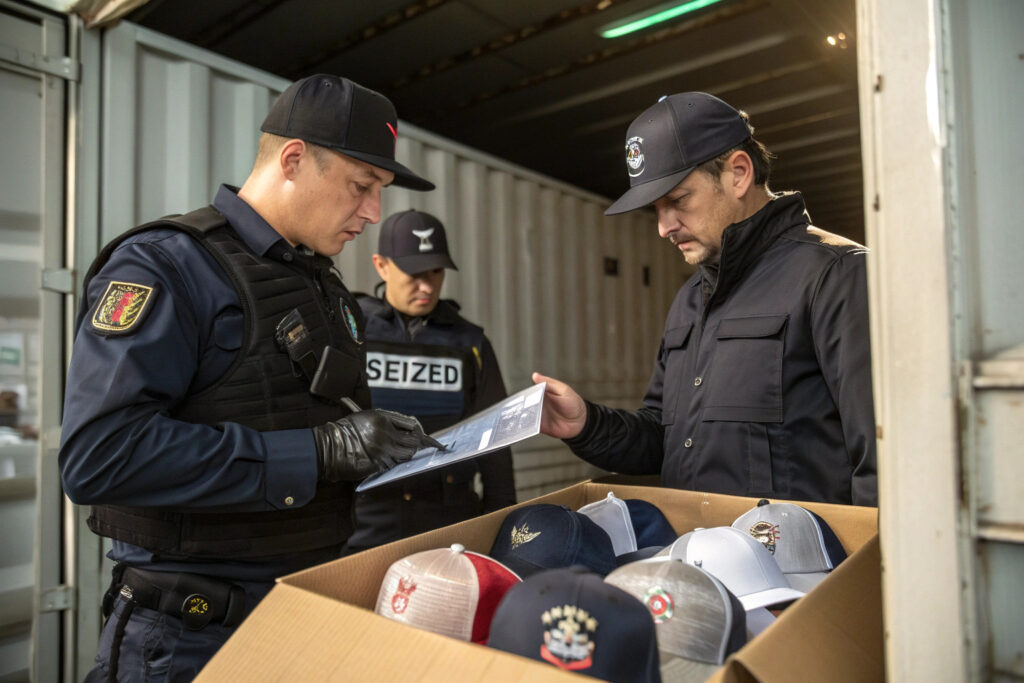
From a legal standpoint, trafficking in counterfeit goods is a violation of intellectual property rights and is actively pursued by customs authorities worldwide. Large seizures, like the one at Washington Dulles International Airport where 450 counterfeit caps were confiscated, are common. Penalties for businesses can include hefty fines, seizure of goods, and even criminal charges. Furthermore, selling counterfeit products can lead to civil lawsuits from trademark holders for damages.
What Are the Hidden Dangers in Counterfeit Materials and Production?
The risks go beyond just breaking the law. Counterfeit operations prioritize low cost, not safety or quality. They often use materials that are not tested for harmful substances. Dyes might contain allergens or heavy metals like lead, which can come into contact with the skin on the forehead. The lack of any quality control means stitching can fail, and components can be choking hazards. For a business, selling such products is a direct threat to consumer safety and a fast track to destroying your brand's reputation and facing product liability claims.
How Does Counterfeiting Undermine Innovation and Ethical Manufacturing?
Every counterfeit sold represents a theft of design and innovation. It undermines the investments that legitimate brands and manufacturers make in research, development, and creative talent. It also fuels an underground economy that often ignores fair labor practices, environmental regulations, and ethical working conditions. When you partner with an ethical manufacturer, you're supporting a system that values innovation and responsible production. Our commitment at shanghaifumaoclothing to sustainable practices and certified materials is the antithesis of the counterfeit world.
How Can You Ensure Your Hat Supply Chain Is Authentic and Secure?
Ensuring authenticity starts with rigorous supplier vetting, demanding full transparency, and building direct, long-term partnerships with verified manufacturers instead of relying on anonymous middlemen.
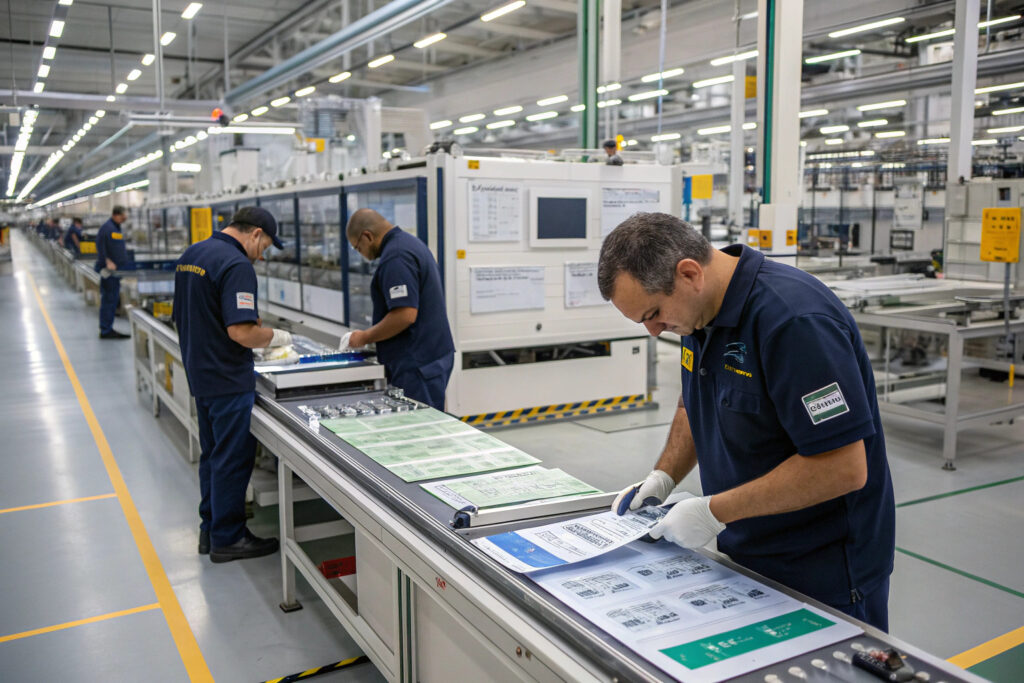
The most effective step is to visit the factory in person. Seeing the production facilities, quality control labs, and working conditions firsthand is invaluable. If an in-person visit isn't possible, request a live virtual tour. Be wary of suppliers who are evasive about their location or facilities. Ask direct questions about their quality assurance processes, and request documentation such as material certificates and audit reports.

What Documentation and Certifications Should You Request?
A professional and legitimate manufacturer will be prepared to provide clear documentation. This includes:
- Business Licenses: Verify their legal business registration.
- Material Safety Certificates: Such as Oeko-Tex reports, which prove fabrics are free from harmful substances.
- Production Samples: Always approve physical samples before bulk production begins. Examine these samples with the same scrutiny for authenticity and quality detailed earlier.
- Clear Contracts: Ensure contracts explicitly state that all designs and materials are authentic and do not infringe on any third-party intellectual property.
Why Is a Direct Manufacturer Partnership Your Best Safeguard?
Working directly with a source manufacturer, rather than a trader with an ever-changing network of unknown factories, eliminates layers of opacity. It gives you control. You know exactly where your products are made, who makes them, and the standards they are held to. This direct line is your strongest defense against the infiltration of counterfeits into your supply chain. It also enables better communication and customization, ensuring the final product truly meets your specifications and quality expectations.
Conclusion
Navigating the world of luxury hats requires vigilance against counterfeits, which most commonly target high-recognition baseball caps and beanies. Protecting your business hinges on knowing how to spot fakes through meticulous attention to detail, understanding the serious legal and safety risks involved, and most importantly, building a transparent and secure supply chain.
The most reliable strategy is to partner with a reputable and ethical manufacturer committed to authenticity at every level. If you are looking to develop or source high-quality hats with guaranteed authenticity, from classic styles to innovative designs, we should talk. Contact our Business Director Elaine at elaine@fumaoclothing.com to discuss how we can build a secure and successful partnership for your next order.