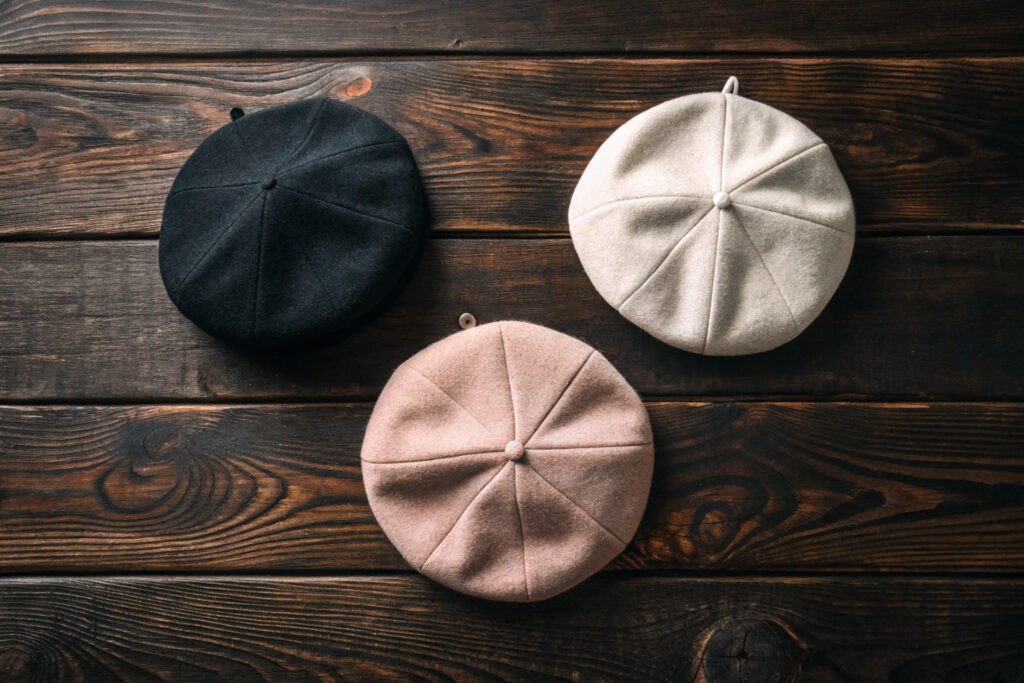
As a hat manufacturer with over 20 years of experience, I've seen the beret transform from a simple, functional cap into a timeless fashion statement beloved worldwide. Clients, from high-end fashion buyers in Paris to trendy online retailers in New York, often ask me, "We want to produce berets, but what material should we use?" It's the most critical question, as the material defines everything: the look, the feel, the season, and the price point.
Choosing the wrong material is a common and costly mistake. Imagine ordering thousands of heavy wool berets for a spring/summer collection—they'll sit on the shelves because they're too hot for the season. Or picture a client receiving a shipment of thin cotton berets expecting the classic, structured shape of wool, only to be disappointed by their casual, floppy appearance. This disconnect between expectation and reality is a major pain point for buyers.
The secret to a successful beret line is matching the material to the desired style, function, and target market. Each fabric offers a unique set of characteristics. At Shanghai Fumao Clothing, we guide our clients through this selection process every day, leveraging our deep knowledge of textiles to create the perfect product. In this article, I'll break down the distinct qualities of berets made from different materials—wool, cotton, leather, and luxury blends—to help you make an informed choice for your brand.
Why is Wool the Traditional Choice for Berets?
When you picture a beret, you're most likely thinking of one made from wool felt. It's the iconic, quintessential material that has defined this hat for centuries. There's a reason this tradition has endured: wool offers a perfect combination of structure, durability, and all-weather comfort that is difficult to replicate.
Many new designers are tempted to cut costs with cheaper alternatives, only to find their products lack the authentic shape and feel that customers expect. A flimsy beret that loses its form after one wear is a quick way to disappoint a customer and damage your brand's reputation for quality. The structure and resilience of wool are not just features; they are the very essence of the classic beret.
The magic of wool lies in its natural properties. The fibers have microscopic scales that interlock when subjected to heat, moisture, and agitation—a process called felting. This creates a dense, non-woven fabric that is both soft and sturdy. At Global-Caps, we source high-quality wool to produce berets that have that timeless, authentic character. Let's explore exactly why wool has remained the gold standard.
What gives wool berets their classic structure?
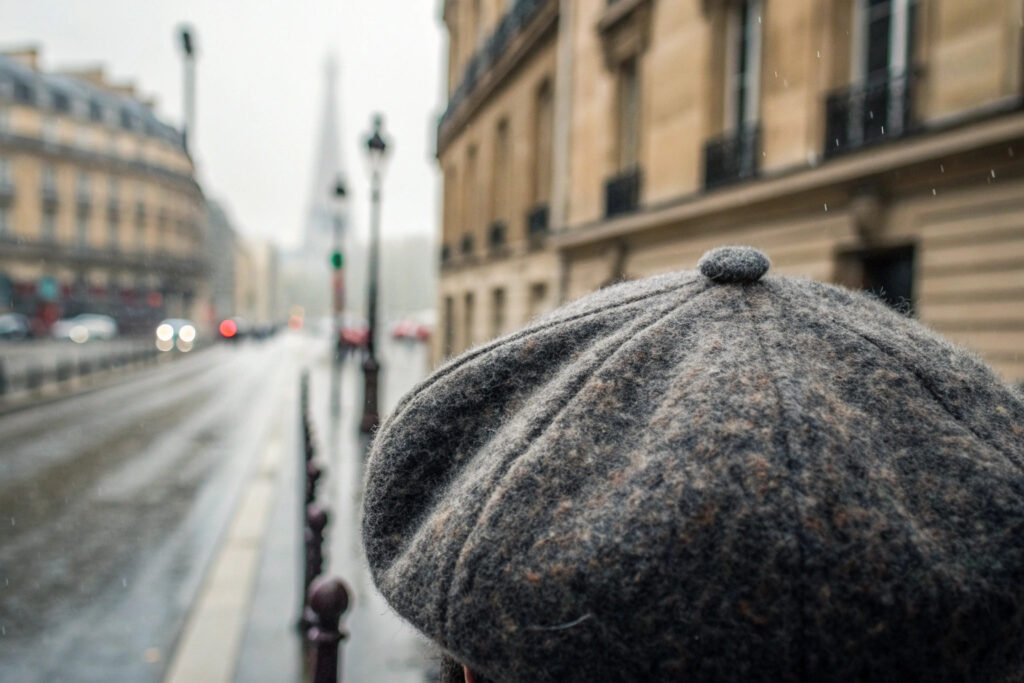
The structure of a wool beret comes from the felting process. Unlike woven fabrics, felt has no grain or direction, allowing it to be molded into the smooth, rounded shape of a beret without seams or darts. This creates the clean, iconic silhouette. The dense, interlocked fibers give the material "body," allowing it to be worn in various ways—perched high, pulled down, or angled to the side—while still holding its shape. This unique property of wool is a cornerstone of traditional millinery. The ability to create structure from natural fibers is a testament to the advanced properties of this material, a subject deeply explored in the field of textile science.
Are wool berets suitable for different weather conditions?
Yes, surprisingly so. Wool is a fantastic natural insulator, which makes it warm in the cold. But it's also breathable and moisture-wicking. The fibers can absorb a significant amount of moisture (up to 30% of their weight) without feeling damp, wicking perspiration away from the skin. Furthermore, the natural lanolin in wool provides a degree of water resistance, making a wool beret a reliable choice in light rain or snow. This versatility makes it a true three-season accessory—perfect for autumn, winter, and cool spring days. This all-weather performance is why wool is a preferred material for high-quality outdoor and classic apparel, a fact consistently highlighted by organizations like the Campaign for Wool.
When is Cotton a Good Material for a Beret?
While wool is the classic choice, it can be too heavy and warm for spring and summer. This is where cotton comes in. For brands looking to offer a year-round beret collection, a lightweight cotton version is an essential addition for the warmer months. It answers the customer's need for that chic beret style without the winter-weight warmth.
A common issue for buyers is trying to force a single material to work for all seasons. This leads to missed sales opportunities. Offering a cotton beret isn't about replacing the wool classic; it's about expanding your product line to capture the spring/summer market. It transforms the beret from a seasonal item into a year-round fashion staple.
Cotton offers a completely different look and feel. It's lighter, more casual, and breathes exceptionally well, making it ideal for sunny days. At our facility, we often produce cotton berets in a wide array of bright, seasonal colors that appeal to a fashion-forward audience. Let's look at the specific characteristics that make cotton a great warm-weather alternative.

How does the feel and structure of a cotton beret differ from wool?
A cotton beret is significantly softer and more "slouchy" than its wool counterpart. Because cotton is typically woven or knitted (not felted), it lacks the inherent stiffness of wool felt. This results in a more relaxed, less structured silhouette. This can be a desirable feature for a casual, bohemian, or artistic look. The drape is softer, and the hat feels much lighter on the head. This distinction in fabric handfeel and drape is a fundamental concept in fashion design, as it dictates the final look of the garment. For clients targeting a younger, more casual demographic, this relaxed structure is often a key selling point.
What are the advantages of cotton for summer wear?
The primary advantage of cotton is its excellent breathability. As a natural plant-based fiber, it allows heat and moisture to escape easily, keeping the wearer cool and comfortable. It's also highly absorbent and feels soft against the skin, making it a pleasure to wear on a hot day. Furthermore, cotton is easy to dye, allowing for a vibrant and extensive color palette, from soft pastels to bold primary colors. This makes it perfect for creating eye-catching summer collections. The benefits of cotton for warm-weather apparel are well-documented by industry leaders like Cotton Incorporated, who champion its comfort and versatility.
What Defines a Leather or Faux Leather Beret?
For the client who wants to make a bold statement, the leather beret is the ultimate choice. It takes the classic, gentle silhouette of the beret and infuses it with an edgy, contemporary, and luxurious attitude. This isn't a hat for everyday casual wear; it's a fashion-forward piece designed to be the centerpiece of an outfit.
The challenge with leather is that it can be intimidating for buyers due to its higher cost and specific care requirements. There's also the ethical consideration, which has driven a huge demand for high-quality faux leather alternatives. The pain point is often navigating the quality differences between genuine leather and the vast array of synthetic options.
Whether genuine or faux, a leather beret is all about texture and sheen. It adds a level of sophistication and rock-and-roll cool that no other material can match. At Shanghai Fumao Clothing, we have developed strong supply chains for both premium leathers and cutting-edge vegan alternatives to meet this growing demand.
What is the look and feel of a leather beret?
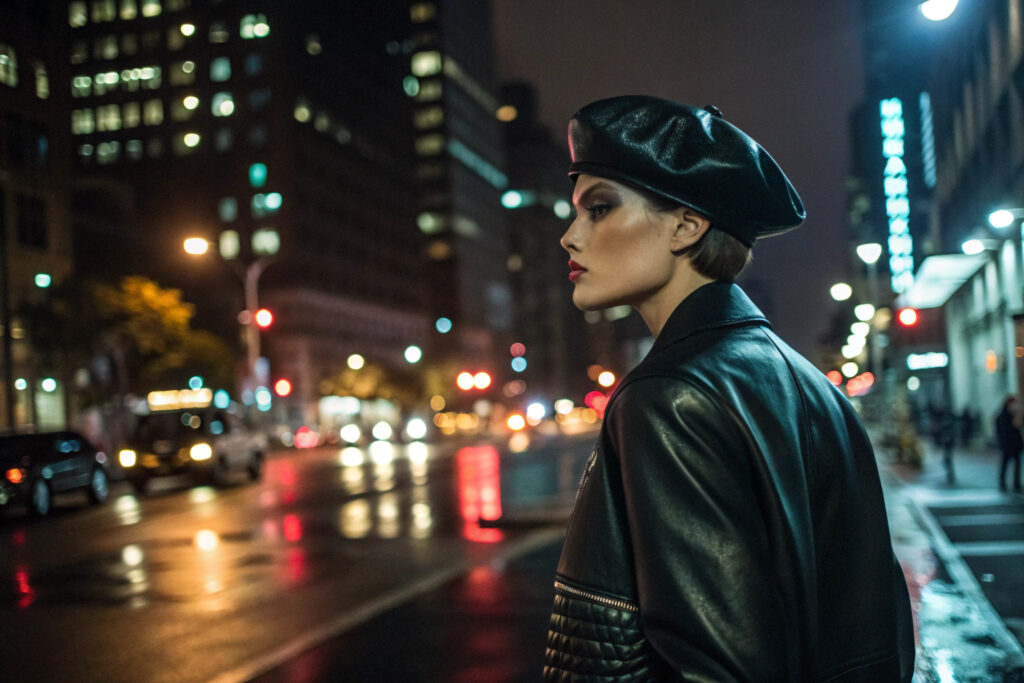
A genuine leather beret has a smooth, supple feel with a subtle, luxurious sheen. Over time, it will develop a unique patina, molding to the wearer and gaining character. It's a statement of quality and durability. High-quality faux leather (often polyurethane-based) can now closely mimic this look and feel, offering a uniform finish and a wider range of colors and textures, like patent or croc-embossed finishes. This material choice instantly elevates the beret from a classic accessory to a high-fashion item. The use of leather in accessories is a signifier of luxury, a topic explored by fashion industry analysts at publications like Vogue Business. The choice between real and faux often comes down to the brand's ethos and price point, a key strategic decision in brand management.
Who is the target audience for a leather beret?
The target customer for a leather beret is fashion-conscious and confident. They are looking for a statement piece that is edgy, modern, and chic. This style is often adopted by followers of urban street style and high-fashion trends. It's less about practical, all-weather use and more about making a visual impact. Brands that cater to a trend-driven, metropolitan audience will find the leather beret to be a strong seller, especially in the autumn and winter seasons. Its popularity can be tracked through trend forecasting services like WGSN, which analyze runway shows and street style to predict upcoming looks.
Are There Luxury Material Options for Berets?
For the high-end market, where comfort and exclusivity are paramount, standard materials may not be enough. This is where luxury fibers like cashmere, angora, and alpaca come into play. These materials take the beret to a new level of softness, warmth, and prestige.
The main barrier for buyers is, without a doubt, the price. These premium fibers come with a significantly higher cost, which translates to a higher retail price. The challenge is communicating the value to the end consumer and ensuring the quality of the final product justifies its premium positioning. A poorly constructed cashmere beret is a wasted investment.
Offering a luxury beret is about catering to a discerning customer who prioritizes sensory experience and quality above all else. The feel of a cashmere or angora beret is unmistakable. It's an indulgence. In our premium manufacturing lines, we handle these delicate fibers with the utmost care to preserve their natural softness and beauty.
What makes cashmere and angora berets special?
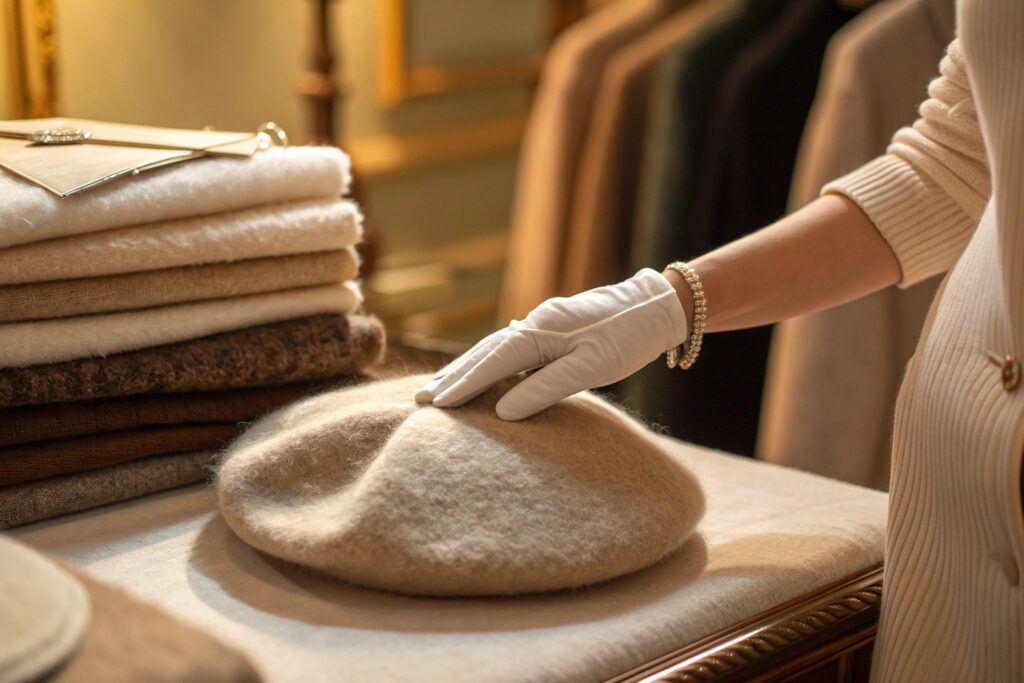
Cashmere and angora are prized for their incredible softness and warmth without weight. Cashmere, made from the fine undercoat of cashmere goats, has fibers that are exceptionally fine, creating a fabric that is exquisitely soft and lofty. Angora, from the angora rabbit, is even finer and has a unique "halo" effect, a fuzzy aura that gives the beret a dreamy, romantic look. Both materials offer superior insulation compared to sheep's wool, making them incredibly warm for their light weight. The sourcing and grading of these fibers are complex processes, governed by organizations like the Cashmere and Camel Hair Manufacturers Institute (CCMI). This level of quality is the defining characteristic of a true luxury product, a standard expected by customers of high-end retailers profiled in resources like Women's Wear Daily (WWD).
How should luxury berets be cared for?
Luxury fibers require delicate care. Unlike a sturdy wool felt beret, cashmere and angora berets should never be machine washed. They require gentle hand-washing in cold water with a mild detergent or professional dry cleaning. It's crucial for brands to provide clear and accurate care instructions to the customer to ensure the longevity of the product. Improper care can lead to shrinking, felting, or ruining the soft texture of the fibers. Providing this information is a key part of responsible product stewardship and enhances the customer's ownership experience. This commitment to customer education helps justify the premium price and builds trust in the brand.
Conclusion
The material you choose for a beret fundamentally defines its character, its audience, and its place in the market. Wool remains the timeless, structured classic, offering all-weather versatility. Cotton provides a lightweight, breathable, and casual alternative for the warmer seasons. Leather and its faux counterparts inject a bold, edgy attitude for the fashion-forward crowd, while luxury fibers like cashmere and angora deliver unparalleled softness and warmth for the high-end consumer.
Understanding these characteristics is the first step to building a successful and well-rounded beret collection. By aligning your material choice with your brand identity and your customers' needs, you can create a product that resonates and sells.
If you're ready to explore the possibilities and develop your own line of high-quality berets, my team at Shanghai Fumao Clothingis here to assist. We have the expertise and the supply chain to produce beautiful berets in any material you can envision.
Please feel free to reach out to our Business Director, Elaine, at elaine@fumaoclothing.com to discuss your project. Let's create something beautiful together.