Individuals with sun-sensitive skin face significant challenges finding headwear that provides adequate protection without compromising comfort or style. Conditions like rosacea, lupus, melasma, or simply fair skin that burns easily require more comprehensive sun protection than standard hats offer. Many sun-sensitive people abandon hats altogether due to discomfort, poor fit, or inadequate protection, leaving them vulnerable to painful burning, premature aging, and increased skin cancer risk.
The best hat styles for sun-sensitive skin feature full-coverage designs, UPF-rated fabrics, minimal skin exposure, and comfortable construction that encourages consistent wear.These styles prioritize maximum protection through wide brims, neck coverage, and specialized materials that block harmful UV radiation while managing heat and moisture for all-day comfort.
This comprehensive guide explores the specific hat styles, protective features, material technologies, and design elements that provide genuine protection for sun-sensitive individuals.
What design features provide maximum sun protection?
Sun-sensitive skin requires hats with specific design elements that go beyond basic sun protection. Understanding these features helps identify headwear that genuinely protects vulnerable skin.
Key protective design features include extended brim widths, strategic coverage areas, minimal gaps, and construction that maintains protective positioning during movement and varying sun angles.
Why are wide brims crucial for facial protection?
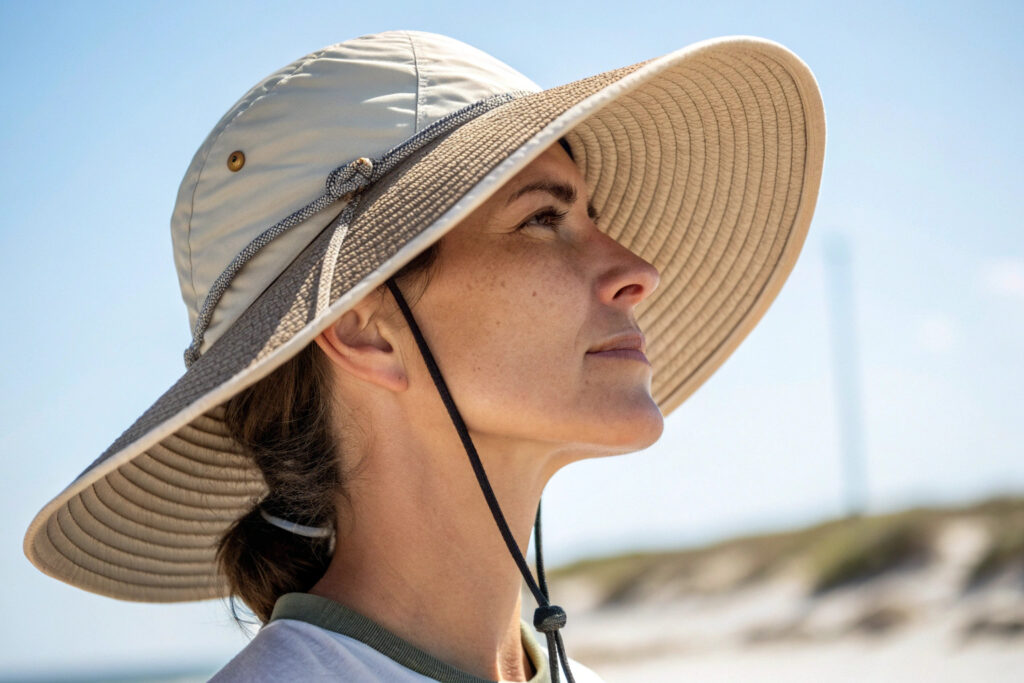
Wide brims provide essential shading for the entire face, including often-overlooked areas like the nose, cheeks, and chin. For sun-sensitive skin, brims measuring 3-5 inches provide optimal protection, creating a continuous shadow that moves with the wearer. The brim should extend evenly around the entire hat, unlike baseball caps that only protect the front of the face. This 360-degree coverage is particularly important because UV radiation reflects from surfaces like water, sand, and concrete, reaching the skin from multiple angles. Additionally, wider brims protect the delicate skin of the ears and side of the neck—areas where skin cancers commonly develop but are frequently missed during sunscreen application.
How does neck protection prevent common sun damage?
The back of the neck receives intense, direct sun exposure, especially when bending forward or during morning and afternoon hours when the sun is lower in the sky. Hats with integrated neck flaps or extended back brims provide crucial protection for this vulnerable area. For maximum effectiveness, the neck protection should extend at least 3-4 inches below the hat's crown and be made of UPF-rated material. Some designs feature detachable neck curtains that offer flexibility for different activities. This comprehensive coverage prevents the painful "V-shaped" burns that commonly affect the neck and can lead to long-term damage in sun-sensitive individuals.
Which materials offer superior UV protection?
Material selection significantly impacts a hat's protective capabilities. Understanding the differences between various fabrics and treatments helps identify hats that provide reliable, lasting protection.
The most protective materials include tightly woven natural fibers, technically advanced synthetics with inherent UPF properties, and specialized coatings that enhance UV blocking without compromising comfort.
Why are UPF-rated fabrics essential for sun-sensitive skin?
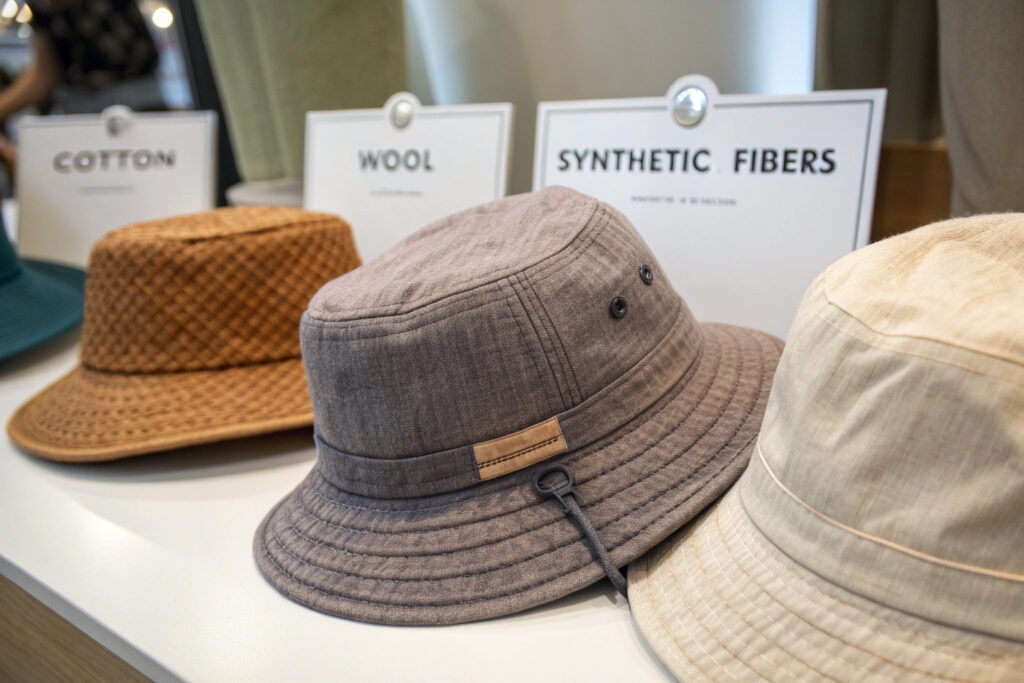
UPF (Ultraviolet Protection Factor) rating provides scientific verification of a fabric's sun protective capabilities, similar to SPF for sunscreen. Fabrics with UPF 30+ block 96.7% of UV radiation, while UPF 50+ blocks 98%—significantly more protection than standard fabrics offer. For sun-sensitive individuals, UPF 50+ fabrics are ideal as they provide the highest level of protection available. Unlike sunscreen that can sweat off, be applied unevenly, or require reapplication, UPF fabrics provide consistent protection throughout wear. Quality UPF-rated hats maintain their protection through multiple washings, unlike chemical UV treatments that may degrade over time.
How do technical synthetics compare to natural fibers?
Technical synthetic fabrics often provide more consistent and durable sun protection than natural fibers. Materials like microfiber polyester and nylon can be engineered with inherent UPF properties through tight weaving and solution-dyeing processes that embed color and UV protection throughout the fibers. These synthetics typically offer better moisture-wicking capabilities, keeping the wearer cooler and more comfortable—an important consideration for sun-sensitive individuals who may need to avoid excessive sweating that can irritate sensitive skin. While natural fibers like cotton and linen are breathable, they often have lower UPF ratings unless specially woven or treated, and their protection may decrease when wet or stretched.
What styles work best for different activities?
Sun-sensitive individuals need appropriate hat styles for various activities and environments. Understanding which styles work best in different contexts ensures consistent protection across daily life.
Effective styles include broad-brimmed hats for general outdoor use, specialized activity hats with secure fit, and versatile designs that transition seamlessly between different settings.

Why are wide-brimmed straw hats ideal for casual wear?
Wide-brimmed straw hats offer excellent protection with timeless style for everyday activities. Quality straw hats with tight weaves and darker colors provide natural UPF protection while allowing air circulation that prevents overheating. For sun-sensitive individuals, styles like the picture hat or garden hat with 4-6 inch brims provide comprehensive coverage without feeling overly medical or utilitarian. The best straw hats for sun sensitivity feature inner sweatbands that prevent irritation and secure fit systems that maintain protection in breezy conditions. These styles work well for gardening, walking, outdoor social events, and other activities where both protection and appearance matter.
What makes legionnaire-style hats perfect for active use?
Legionnaire-style hats with attached neck flaps provide exceptional protection during physical activities. The extended back protection remains secure during movement, unlike loose draping fabrics that can blow aside or feel cumbersome. These hats typically feature lighter construction than broad-brimmed styles, making them more suitable for hiking, biking, or sports. Many active sun hats incorporate moisture-wicking headbands, ventilation grommets, and adjustable chin straps that ensure protection stays in place during vigorous movement. For sun-sensitive individuals engaging in outdoor exercise, these practical features encourage consistent wear, providing continuous protection when it's most needed.
How to ensure comfortable all-day wear?
Comfort is crucial for sun-sensitive individuals who need to wear protective hats for extended periods. Discomfort leads to inconsistent wear, leaving skin vulnerable during unprotected moments.
Comfort-enhancing features include lightweight construction, breathable materials, adjustable fit systems, and designs that accommodate different hairstyles and sensitivities.
Why are weight and balance important for extended wear?
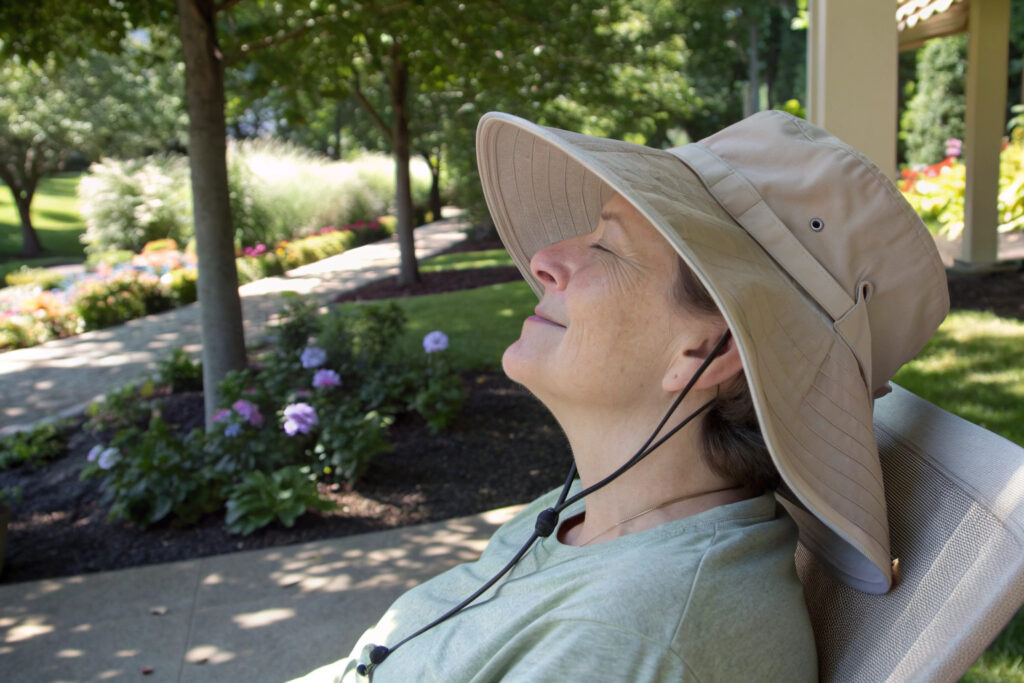
Heavy or poorly balanced hats cause neck strain and discomfort, leading users to remove them frequently. The ideal sun-protective hat weighs 4-8 ounces—light enough for all-day wear while substantial enough to maintain its protective shape. Proper balance ensures the hat doesn't pull forward or backward, preventing constant adjustment and pressure points. For sun-sensitive individuals who may need to wear hats for many consecutive hours, this comfort consideration becomes as important as the protection itself. Many quality sun hats incorporate strategic weight distribution through lighter brim materials and slightly heavier crowns that maintain stability without excessive weight.
How do breathable designs prevent overheating?
Breathable designs manage heat and moisture, preventing the discomfort that causes hat removal. Features like mesh panels, ventilation eyelets, and moisture-wicking sweatbands allow heat to escape while maintaining UV protection. For sun-sensitive individuals, preventing overheating is particularly important as excessive heat can trigger flushing or irritation in conditions like rosacea. The most effective breathable designs incorporate these features without creating protection gaps—using mesh with adequate UPF ratings and positioning ventilation where it won't compromise coverage. This balance ensures comfort doesn't come at the expense of protection.
Conclusion
Choosing the best hat styles for sun-sensitive skin requires prioritizing comprehensive coverage, verified UPF protection, and comfortable design that encourages consistent wear. The most effective options combine wide brims, neck protection, quality materials, and thoughtful construction that addresses both medical needs and lifestyle considerations.
At Global-Caps, we specialize in sun-protective headwear designed specifically for sensitive skin needs. Our designs incorporate UPF 50+ fabrics, full-coverage silhouettes, and comfort features that make consistent wear achievable. If you or someone you care for needs reliable sun protection that combines medical-grade effectiveness with everyday wearability, contact our Business Director Elaine at elaine@fumaoclothing.com. Let us help you find headwear that provides the protection you need without compromising on comfort or style.