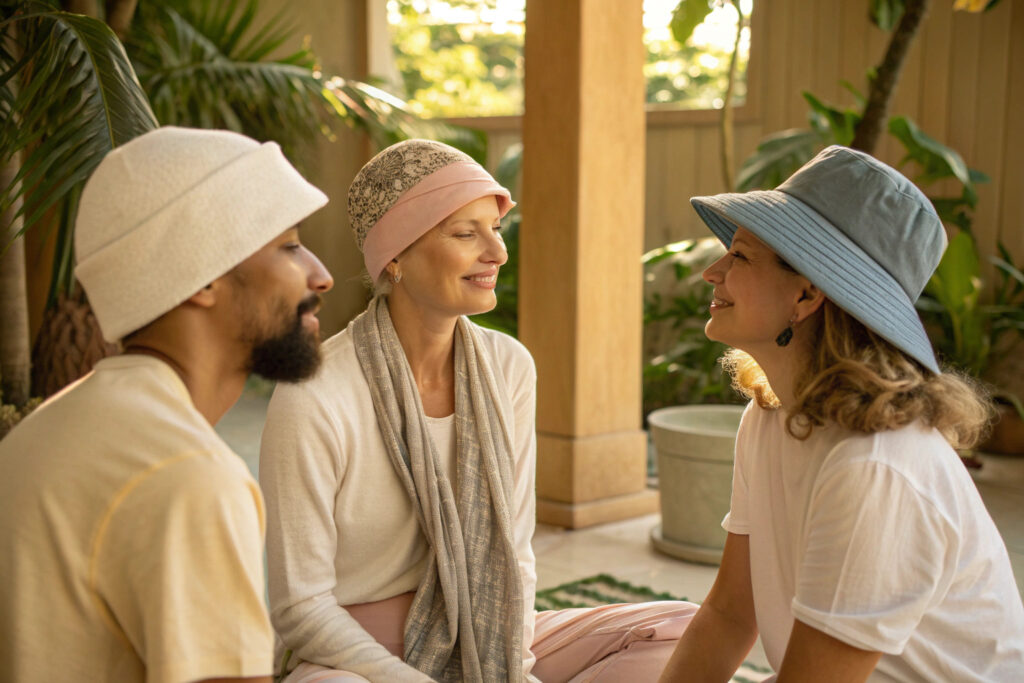
For anyone undergoing radiation therapy, the challenge to find headwear that balances ultimate comfort, gentle protection, and a sense of self can be real. The scalp becomes incredibly sensitive, and the need for soft, non-irritating coverage is paramount. But comfort should not mean compromising on style or dignity. As a manufacturer who has worked closely with clients creating specialized headwear, I understand that the right hat is more than an accessory; it's a daily source of comfort and confidence during a difficult time.
The best hat styles for radiation therapy patients prioritize ultra-soft, non-irritating fabrics, a relaxed and non-constricting fit, and full, comfortable coverage. Key styles include soft beanies, lightweight turbans, loose bucket hats, and lined caps with flat or covered seams. The goal is to protect sensitive skin, manage temperature, and provide ease of use without pressure on tender areas.
Choosing headwear during treatment is deeply personal. It’s about finding pieces that feel like a gentle hug, offer practical benefits, and allow the wearer to face the world with as much normalcy and confidence as possible. Let's explore the specific styles and features that make a real difference.
What Fabric and Construction Features Are Non-Negotiable?
Before even looking at styles, the material and how the hat is made are the most critical factors. The wrong fabric or a single poorly placed seam can cause significant discomfort on fragile, sensitive, or recovering skin.
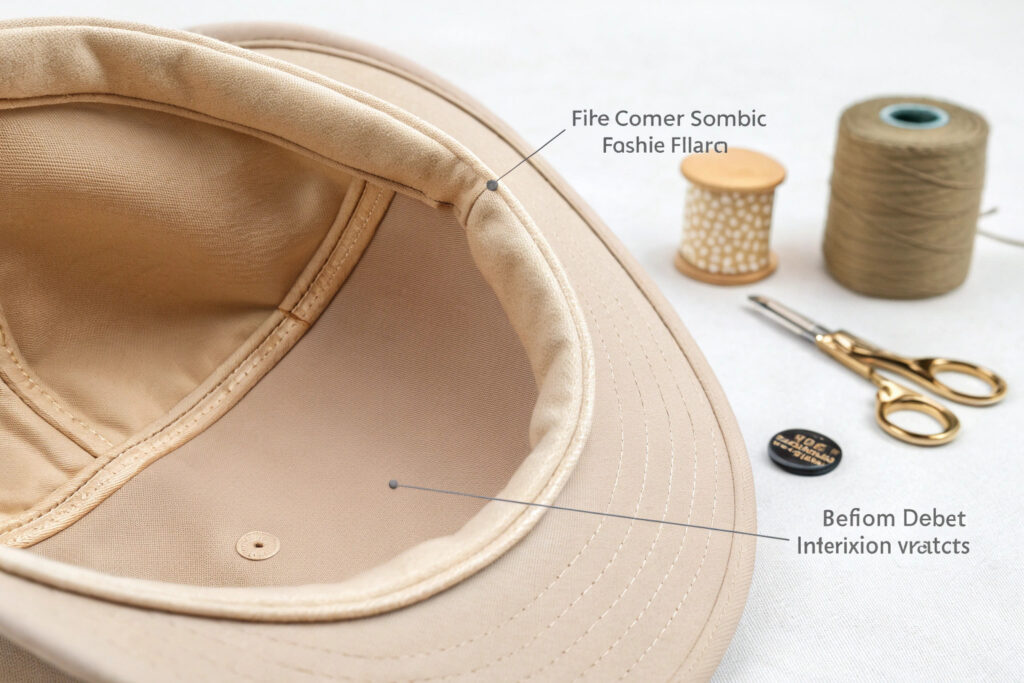
The absolute priority is ultra-soft, natural, and breathable fibers. Fabrics like Supima cotton, bamboo viscose, and fine modal are excellent choices. They are incredibly soft, reduce friction, and help wick moisture to keep the scalp comfortable. For warmth, cashmere or very fine merino wool blends are ideal. Construction is equally vital. Look for flat-locked or covered seams that lie completely flat against the skin. Any internal tags should be printed or easily removable. The fit must be non-constricting, avoiding tight elastic bands. Instead, gentle stretch fabrics or adjustable features like soft tie-backs are preferred to accommodate changing scalp sensitivity and swelling.
Why is Scalp Sensitivity a Primary Design Driver?
During and after radiation, the scalp can experience a range of side effects: tenderness, redness, dryness, itching, and even peeling, much like a sunburn. This makes the scalp hypersensitive to texture, pressure, and heat. Rough fabrics or tight bands can cause pain and irritation, while non-breathable materials can trap heat and sweat, exacerbating discomfort. Therefore, every design decision must start with the question: "Will this feel gentle on hypersensitive skin?" This patient-first approach is central to our custom design and development process at Shanghai Fumao Clothing, especially for specialized needs.
What Role Do Moisture-Wicking and Temperature Regulation Play?
Managing the scalp's microclimate is crucial. Treatments can affect the body's temperature regulation. Moisture-wicking fabrics pull perspiration away from the skin to the outer surface of the fabric, where it can evaporate, helping to keep the scalp dry and at a stable temperature. This prevents the chilling effect of dampness and reduces the risk of irritation from moisture buildup. Materials like bamboo are naturally thermoregulating, making them a superb choice for year-round comfort, a key feature in our range of performance-oriented fabrics.
Which Specific Hat Styles Offer the Best Comfort and Coverage?
With the right materials in mind, certain hat styles naturally lend themselves to the needs of therapy patients. The best options provide full coverage, easy wearability, and a flattering, soft silhouette.
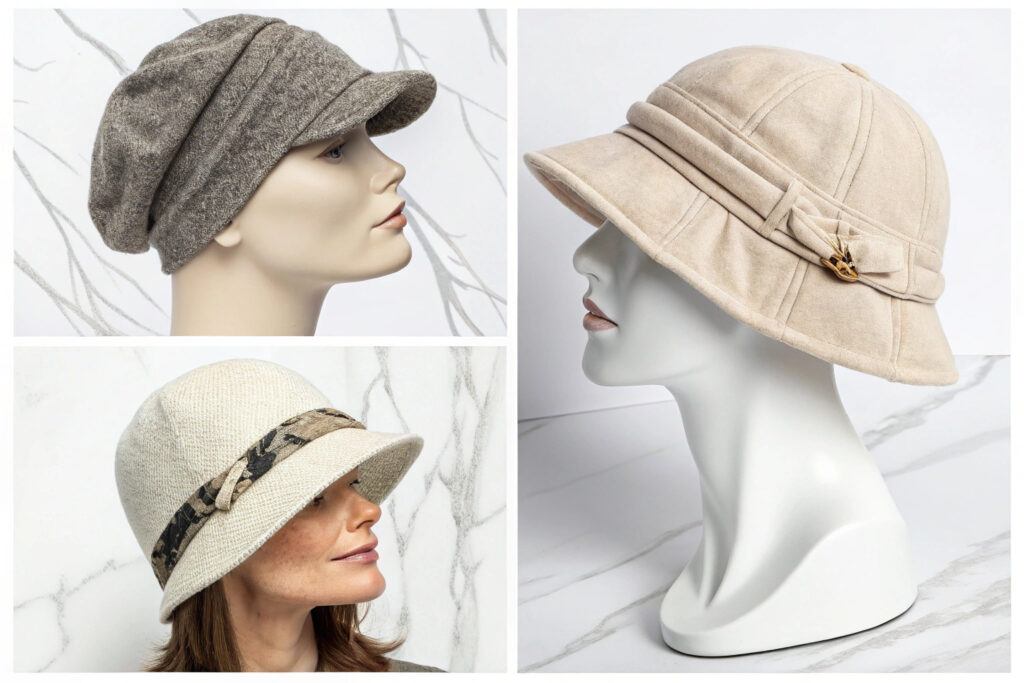
- Soft Beanies & Slouch Hats: The universal go-to. Look for styles with a loose, slouchy fit that don't cling to the head. They should be deep enough to cover the entire scalp, ears, and nape without riding up. A folded cuff can provide a little extra warmth and security.
- Lightweight Turbans & Head Wraps: These are exceptionally versatile and gentle. They often have no seams at all in key contact areas and distribute any adjustment pressure softly around the head. They are perfect for providing comfortable, stylish coverage that feels secure but not tight.
- Loose Bucket Hats: Ideal for outdoor sun protection post-treatment when the scalp becomes highly photosensitive. The key is a wide, floppy brim for shade and a deep, soft crown that does not touch the top of the head. It should be made from a breezy, lightweight fabric like linen or soft cotton.
- Lined Caps with Adjustable Backs: For those seeking a more classic look, a soft baseball cap or newsboy cap can work if it is fully lined with a smooth, silky fabric and has an adjustable strap (like a buckle or Velcro) at the back instead of a tight plastic snap closure.
How to Choose Between a Beanie and a Turban?
The choice often comes down to personal preference and specific needs. A beanie is simpler to put on—just pull it on—and offers a more casual, uniform look. It's excellent for full, even coverage and warmth. A turban or wrap often provides more styling versatility, can be cooler to wear, and may feel less "confining" as it's often wrapped rather than pulled on. It's a great option for those experiencing hair loss, as the wrapping method can help secure a soft scarf or pad underneath comfortably.
Why is a Lined Cap a Viable Option?
A lined cap addresses the main drawbacks of traditional caps. The inner lining (often of silk, satin, or smooth cotton) creates a protective barrier between the sensitive scalp and the main structure and seams of the hat. The adjustable back ensures the cap sits on the head without pressure, allowing it to literally "float" above the scalp. This makes it a socially comfortable option for outdoor activities where sun protection and a familiar style are desired.
What Are the Practical Considerations for Daily Wear?
Beyond style and material, small practical details can dramatically impact the daily experience of wearing a hat during recovery. These considerations make the hat not just comfortable, but also easy and dependable to use.
Ease of putting on and taking off is crucial, especially if shoulder mobility is limited or if the scalp is too tender to tolerate much contact. Hats with very generous openings or wrap/ tie styles are easier to manage. Consider also the weight of the hat; it should feel like wearing nothing at all. For those experiencing total hair loss, a soft inner band or a light, wicking skull cap can be worn underneath any style for an extra layer of comfort and to prevent the outer hat from slipping. Lastly, having multiple hats in rotation is practical for hygiene and for matching different outfits and moods, which can be a real boost to morale.
How Important is Ease of Care and Hygiene?
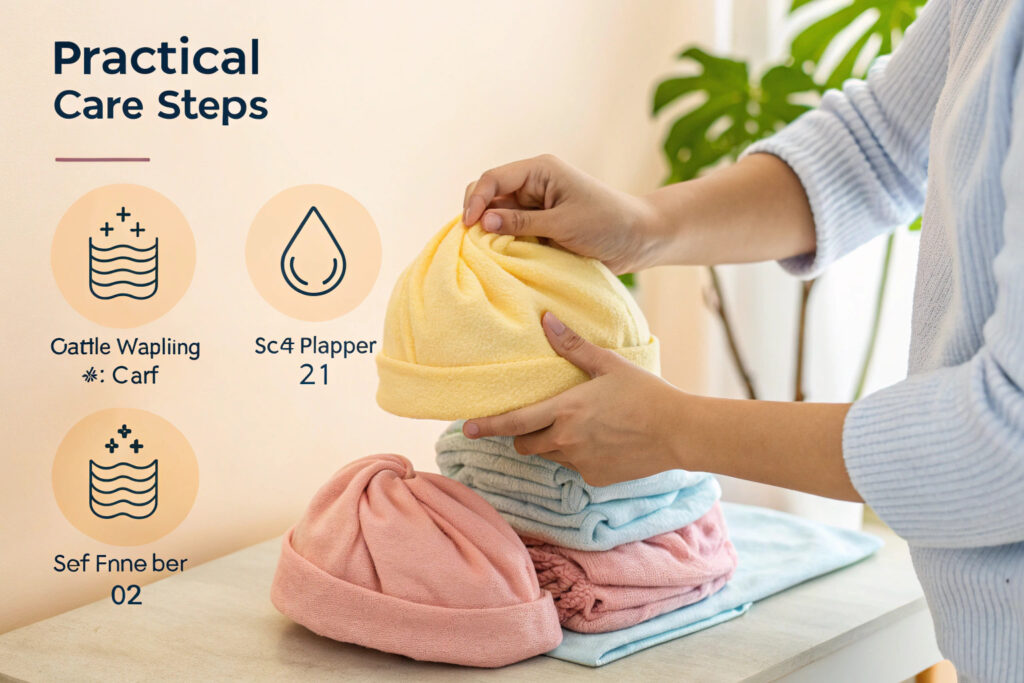
Extremely important. Hats will need to be washed frequently with gentle, fragrance-free detergents. Therefore, choosing styles made from machine-washable and colorfast fabrics that retain their softness after multiple washes is key. Avoid delicate fabrics that require special hand-washing or dry cleaning, as this adds unnecessary stress. Durability and easy care are part of our commitment to delivering reliable quality in every product we make.
Can Hats Help with Temperature Fluctuations?
Absolutely. This is where layering and material choice come in. A very lightweight bamboo or cotton beanie is perfect for cooler indoor air conditioning. For going outside in the sun, a hat with a breathable, wide brim is essential. Having options for different environments allows the patient to maintain a comfortable body temperature throughout the day, which is a key aspect of overall well-being during treatment.
How Can the Right Hat Support Emotional Well-being?
The psychological impact of hair loss is significant. The right headwear does more than cover the scalp; it can restore a sense of control, normalcy, and personal style during a time when much feels out of one's control.
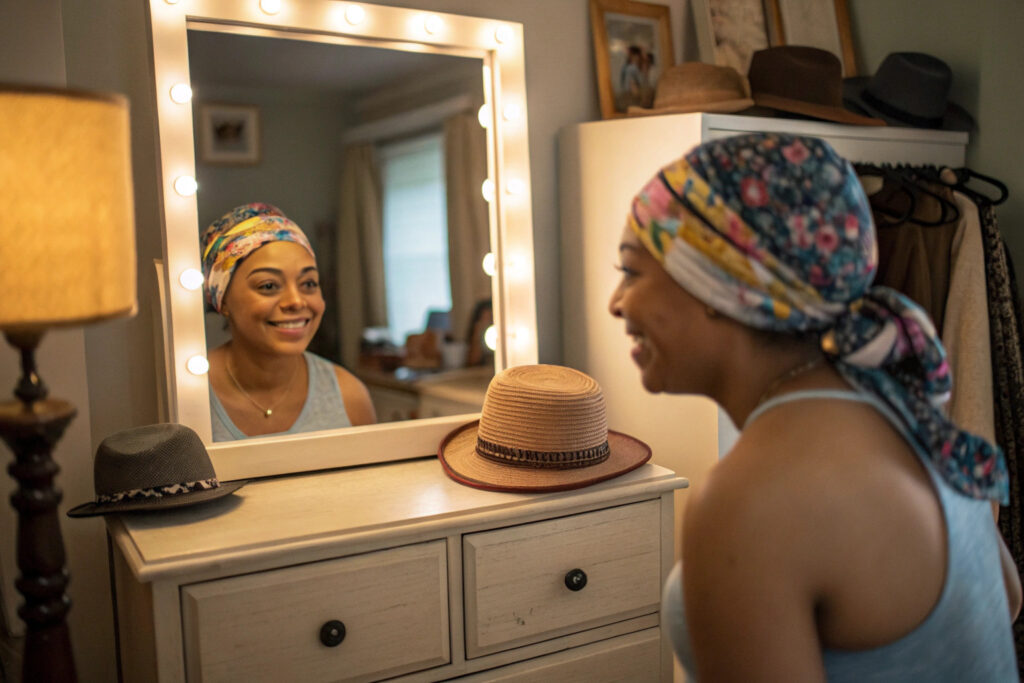
A hat that fits well, feels comfortable, and looks attractive allows the wearer to engage with the world without constant self-consciousness. It can be an expression of personal style—choosing colors, patterns, and textures that bring joy. The act of selecting and wearing a hat that one likes can be a small but meaningful step in reclaiming identity beyond being a patient. It’s a form of self-care that acknowledges the need for both physical comfort and emotional nourishment.
What Role Does Personal Style Play in Recovery?
Maintaining personal style is a powerful way to hold onto one's identity. It’s a reminder that "I am still me." Whether someone prefers bold colors, subtle neutrals, sporty caps, or elegant wraps, having options that align with their aesthetic preferences is incredibly validating. It turns a medical necessity into a personal choice, which can be profoundly empowering.
How Does This Align with a Holistic Approach to Patient Care?
The focus on compassionate design for medical needs is a growing and vital part of the fashion industry. It aligns with a broader movement toward inclusive and adaptive clothing that respects dignity and promotes independence. Creating products that address specific health-related challenges is a natural extension of a sustainable and ethical manufacturing philosophy that puts human well-being at its core.
Conclusion
Selecting the best hat during radiation therapy is a careful balance of hypersoft materials, intelligent design, practical functionality, and personal expression. The ideal styles—soft beanies, gentle turbans, loose bucket hats, and thoughtfully lined caps—act as protective, comforting allies. They shield sensitive skin, regulate temperature, and, most importantly, help preserve a sense of self and confidence.
At Shanghai Fumao Clothing, we believe in the power of well-made, considerate design to make a tangible difference in people's lives. If you are a brand, buyer, or organization looking to develop a compassionate and high-quality headwear line for patients, we have the expertise and sensitivity to partner with you. To explore creating specialized, comfort-focused headwear, please contact our Business Director, Elaine, at elaine@fumaoclothing.com. Let's work together to create something that truly matters.