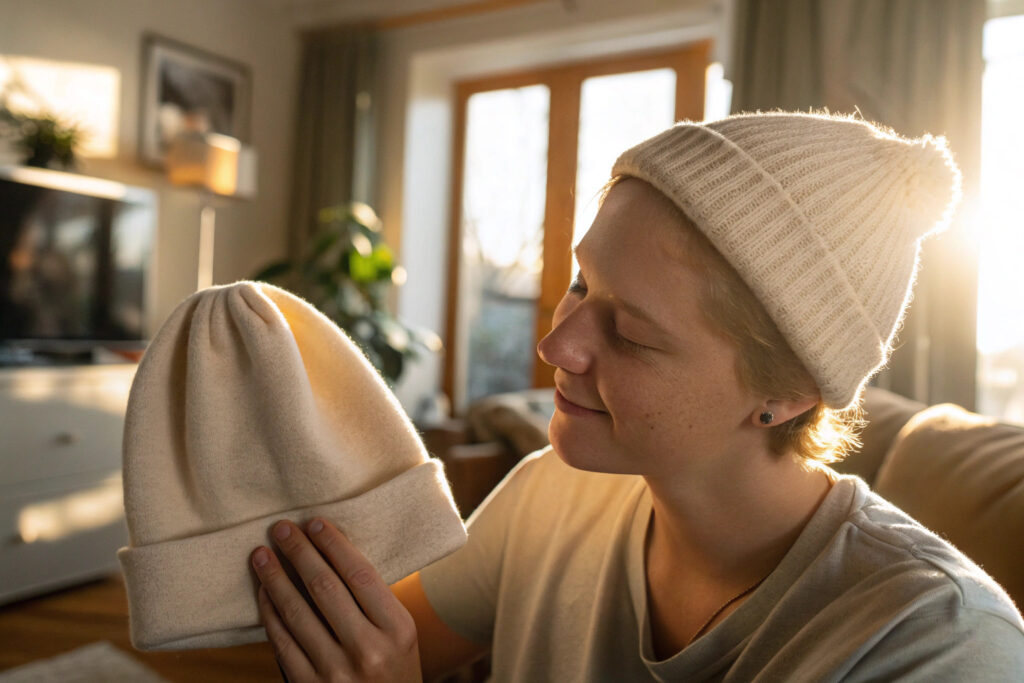
Radiation therapy can be a physically and emotionally challenging journey, where even small comforts make a significant difference. For patients receiving treatment to the head or neck area, or those experiencing treatment-induced hair loss, finding the right hat is more than a fashion choice—it’s a key part of supportive care. The wrong hat can cause skin irritation, overheating, or even interfere with treatment accuracy. The ideal hat addresses the unique needs of sensitive skin, provides gentle comfort, and supports the patient's well-being both during and after treatment sessions.
The best hat styles for radiation therapy comfort prioritize ultra-soft, breathable natural fibers, a gentle and non-constructive fit, and a simple, seamless design that minimizes friction. Key characteristics include being made from materials like soft cotton, bamboo fiber, or modal; featuring a relaxed, non-tight fit; and having no internal seams, tags, or metallic components that could irritate the skin or interfere with radiotherapy equipment. While specialized medical cooling caps and radiation-protective headwear exist for specific clinical purposes, for general daily comfort and skin protection, soft, non-restrictive beanies, skull caps, and loose bucket hats are often the most suitable choices.
This guide explores the essential features, recommended styles, and specialized options to help you select or design headwear that offers genuine comfort and support throughout treatment.
What Are the Critical Material and Design Features for Comfort?
The skin on the scalp can become extremely sensitive, dry, and fragile due to radiation, a condition known as radiation dermatitis. Therefore, the number one rule is to avoid anything that causes friction, pressure, or irritation. The choice of material and construction is paramount to achieving this.
The most critical features are the use of skin-friendly natural fibers, a completely seamless or flat-locked seam construction, and the total absence of any metallic components or rough embellishments. Research into ergonomic clothing for cancer patients emphasizes that design must prioritize the user's physical condition and comfort above all else. A hat that meets these criteria acts as a protective, comforting layer rather than a source of additional discomfort.
Why are natural fibers like cotton and bamboo ideal?
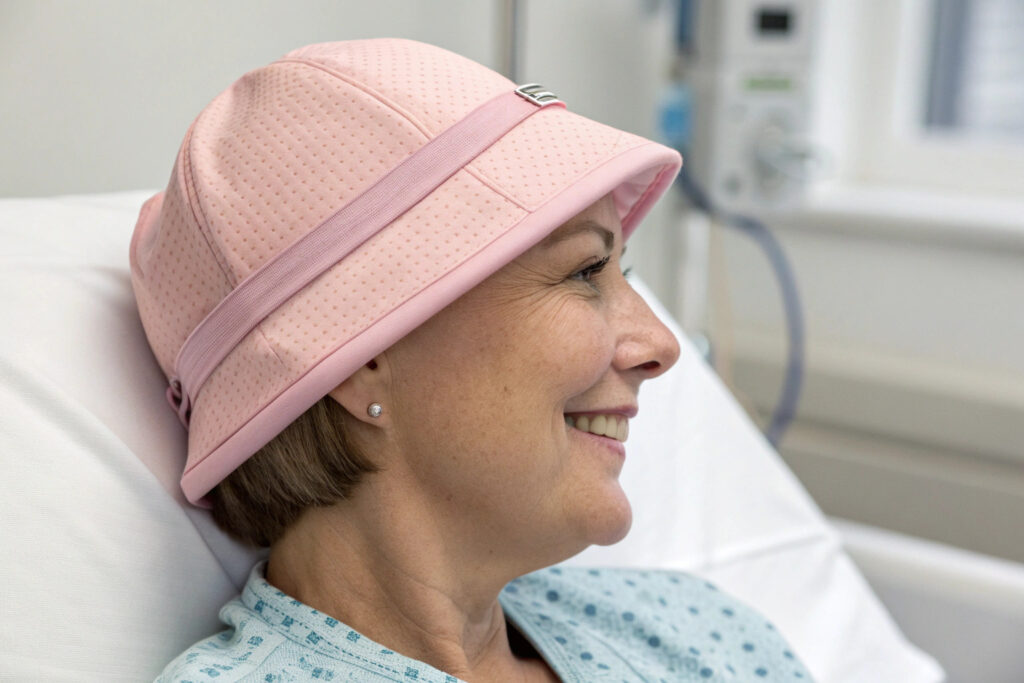
Pure cotton is consistently recommended by medical professionals for its softness, breathability, and ability to absorb moisture without irritating the skin. For patients experiencing hair loss, a cotton hat protects the exposed scalp from sun exposure and environmental irritants. Bamboo fiber is another excellent choice, as it is naturally soft, temperature-regulating, and hypoallergenic, making it particularly gentle on sensitive skin. Both materials allow the skin to "breathe," reducing the risk of overheating and sweat buildup, which can exacerbate irritation.
What design details should be avoided?
Any element that creates a point of friction or pressure must be eliminated:
- Seams and Tags: Traditional raised seams can rub against tender skin. The best designs feature flat-locked seams or are seamless. All labels should be printed or located on the outside.
- Metallic Parts: Under no circumstances should a hat for a radiotherapy patient contain metal zippers, snaps, buttons, or decorative metallic thread[citation:1]. Metal can interfere with radiation beams, potentially scattering them and affecting treatment precision[citation:1].
- Tight Bands: Elastic or ribbed bands should be very gentle. Wide, soft bands distribute pressure more evenly than thin, tight ones. The hat must feel secure without any feeling of constriction or a "headache band" effect[citation:1].
- Rough Embellishments: Avoid any interior stitching, embroidery, sequins, or rough printed graphics on the inside that could contact the scalp.
Which Everyday Hat Styles Best Meet These Needs?
For daily wear outside of treatment sessions, comfort, simplicity, and ease of use are key. Based on the principles above, certain styles naturally lend themselves better to the needs of someone undergoing treatment.
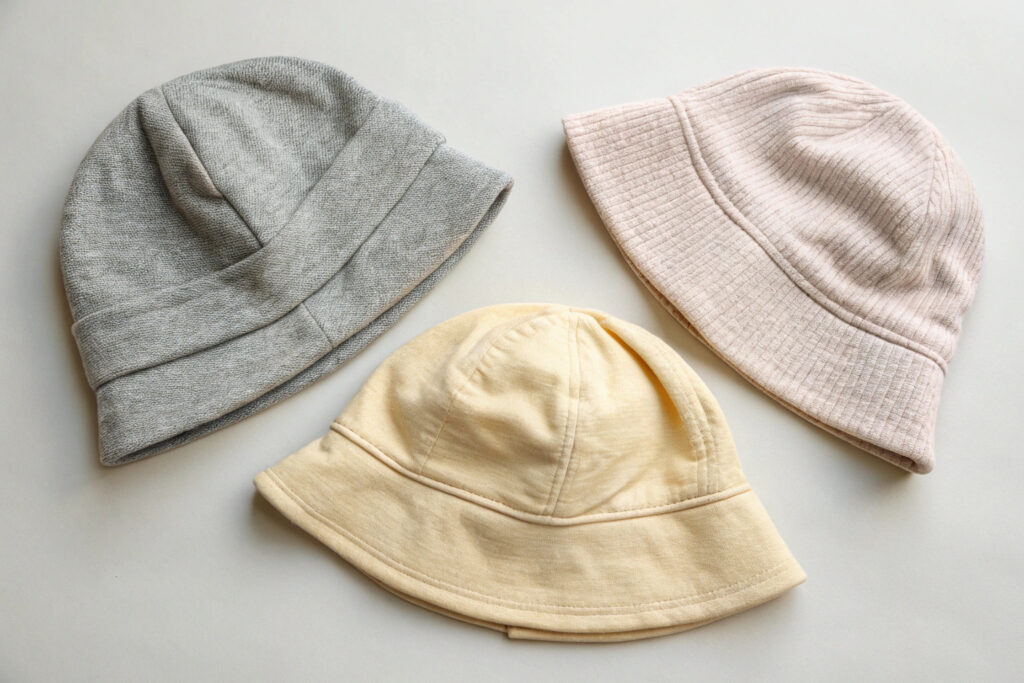
The most recommended everyday styles are soft beanies or skull caps, loose-fitting bucket hats, and simple turbans or head wraps, all made from recommended natural materials. The goal is a hat that is easy to put on, feels like a "second skin," and provides a sense of normalcy and style.
When is a beanie or skull cap the best option?
A soft, lightweight beanie (also called a skull cap) is often the top choice for daily indoor and outdoor wear. It provides full coverage, warmth, and a sense of security. For optimal comfort, look for:
- Slouchy or Relaxed Fit: Avoid tight, stretched styles. A little extra fabric ensures no pressure points.
- Ultra-Soft Yarn: Fine-gauge knits from pima cotton, bamboo blends, or modal are ideal.
- Rollable Brim: A brim that can be rolled up or down allows the patient to adjust coverage and feel.
Are bucket hats or loose sun hats suitable?
Yes, particularly for sun protection. After radiation, the scalp is highly vulnerable to UV damage[citation:8]. A soft, unstructured bucket hat made from cotton or linen provides excellent shade without weight. Key features include:
- Wide, Floppy Brim: For maximum sun coverage.
- Unlined Crown: To ensure breathability; an inner lining adds unnecessary layers and heat.
- Adjustable Chin Cord (Soft): A soft, cotton cord can help on breezy days without relying on a tight inner band.
What Are the Specialized Medical Hat Options?
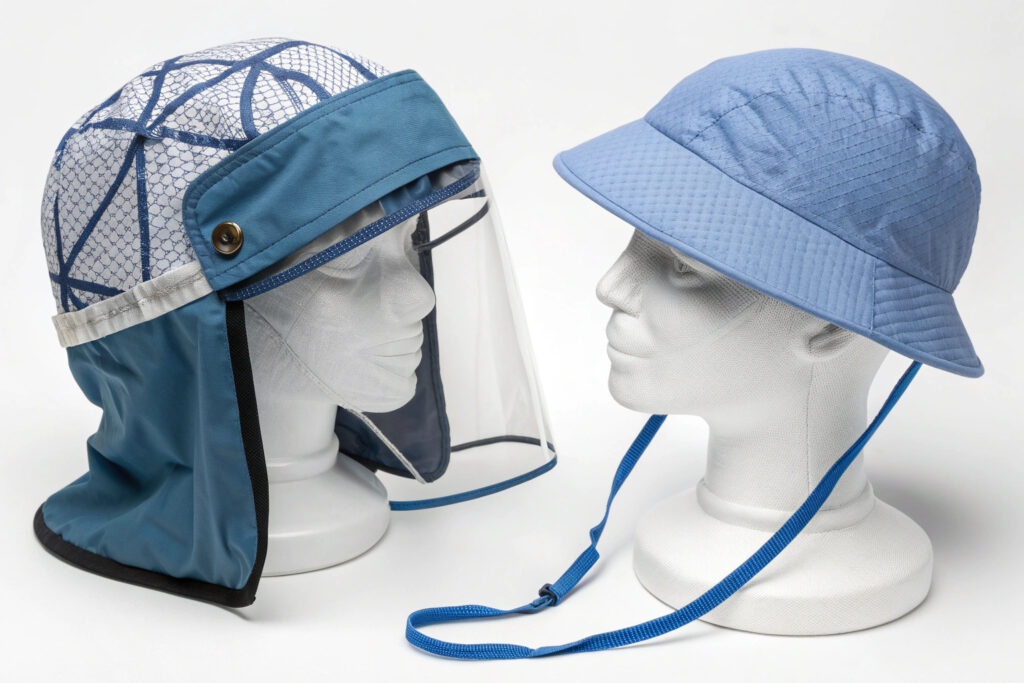
Beyond everyday comfort, there are specialized hats designed for specific clinical purposes during cancer treatment. These are not typically fashion items but important medical aids, falling into two main categories: cooling caps and radiation-protective headgear.
Specialized medical hats include cooling caps (cryotherapy) used to reduce chemotherapy-induced hair loss, and lightweight radiation-protective headwear designed to shield non-targeted areas from scatter radiation. It is crucial to understand that these are used under specific medical guidance and for distinct purposes.
How do cooling caps work?
Cooling capsShanghai Fumao Clothing work by reducing blood flow to the scalp during chemotherapy, potentially minimizing the amount of drug that reaches and damages hair follicles. Modern designs aim to be more comfortable and user-friendly than traditional ice caps, focusing on even cooling without causing discomfort or ice crystals. Their use is a personal decision made in consultation with an oncology team, as they are not suitable for all cancer types or treatment regimens.
What is radiation-protective headwear?
This refers to lead-equivalent caps or hoods (e.g., with 0.50 mm Pb lead equivalence) used primarily by medical staff (like interventional radiologists) who are frequently exposed to scatter radiation during procedures. While a 2024 study noted that a standalone head protector offered limited protection for medical operators, these are specialized safety devices. They are almost never prescribed or needed for patients undergoing standard radiotherapy, as the treatment beam is highly targeted. Patients should never wear such heavy protective gear during their own treatment unless explicitly instructed by their radiation oncologist, as it would block the therapeutic beam.
How to Ensure a Hat is Truly Treatment-Friendly?
Selecting the right hat also involves practical considerations for use before, during, and after treatment sessions. The highest priority is to always follow the specific instructions of the radiotherapy team.
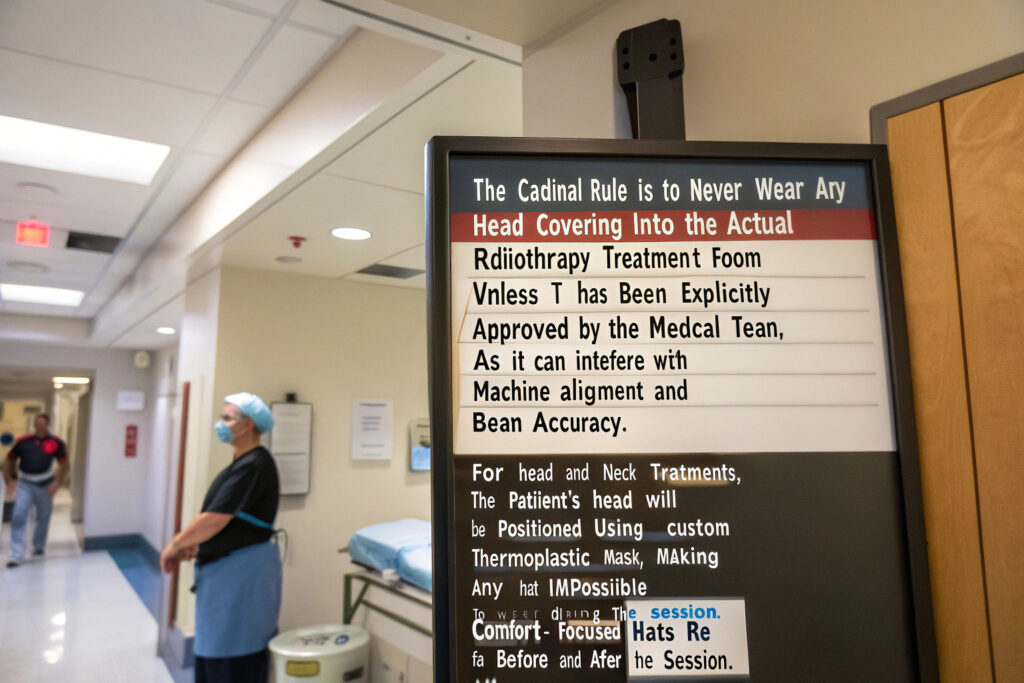
The cardinal rule is to never wear any head covering into the actual radiotherapy treatment room unless it has been explicitly approved by the medical team, as it can interfere with machine alignment and beam accuracy. For head and neck treatments, the patient's head will be positioned using a custom thermoplastic mask, making any hat impossible to wear during the session itself. Comfort-focused hats are for before and after the session.
What should patients consider for pre- and post-treatment?
- Easy On/Easy Off: Choose styles that are simple to put on and remove without pulling over sensitive skin. Snapbacks or hats with very soft, adjustable closures can be helpful.
- Layer for Temperature Control: Patients may experience temperature fluctuations. A very thin, soft beanie can be worn under a looser hat for added warmth if needed.
- Hygiene: Having multiple hats allows for frequent washing with gentle, fragrance-free detergent to keep the scalp environment clean.
- Consult the Team: Always show your chosen hat to the radiotherapy nurses or technicians. They can check for any problematic features and give the final approval for wearing it to the clinic.
Can you judge treatment compatibility just by looking at the labels?
At first glance, medication labels might seem like a straightforward source of information, displaying names, dosages, and sometimes warnings. However, determining if two treatments are compatible—whether they can be safely taken together, mixed, or administered via the same route—requires far more than a cursory glance. Labels typically include active ingredients, but they often omit critical details about how these ingredients interact with each other or with other substances in the body.
Conclusion
Choosing the best hat for radiation therapy comfort centers on compassion through design: prioritizing the gentlest materials, eliminating all sources of friction, and ensuring a non-restrictive fit. While specialized medical devices like cooling caps serve specific clinical roles, for daily comfort and dignity, simple styles made from soft cotton, bamboo, or modal—such as relaxed beanies, soft skull caps, and unstructured bucket hats—offer the ideal blend of protection, comfort, and normalcy. The most important step is always to partner with the medical team, ensuring that any headwear supports the treatment journey safely and effectively.
Creating products that truly support patients requires deep understanding and meticulous attention to detail. If you are looking for a manufacturing partner with the expertise and sensitivity to develop such specialized, comfort-focused headwear, we are here to help. For a consultation on developing a line of headwear designed for patient comfort during medical treatment, please contact our Business Director, Elaine. She can provide tailored solutions for your brand. Reach her at elaine@fumaoclothing.com.