After chemotherapy, scalp sensitivity presents unique challenges that ordinary hats cannot address. New hair growth is often fragile, the scalp remains tender and may experience temperature dysregulation, and skin can become extremely sensitive to textures, pressure, and even mild friction. The emotional need for coverage and normalcy conflicts with physical discomfort, creating a gap in the headwear market that specialized designs are now filling.
The best hat styles for post-chemo sensitivity prioritize ultra-soft materials, seamless construction, gentle compression, and temperature-regulating properties. They are specifically engineered to protect without irritating, cover without overheating, and provide confidence without discomfort. Unlike fashion-focused headwear, these designs consider medical realities: hypersensitivity, potential alopecia, scalp dryness or oiliness changes, and the need for frequent adjustment as hair regrows.
This specialized category has evolved beyond basic beanies to include scientifically-informed designs that address both physiological and psychological recovery needs. The optimal hats serve as therapeutic accessories, supporting skin recovery while restoring a sense of personal style during a vulnerable transition period. Understanding the specific design elements that cater to post-chemo needs helps in selecting headwear that truly supports recovery.
What Materials Are Truly Gentle on Sensitive Skin?
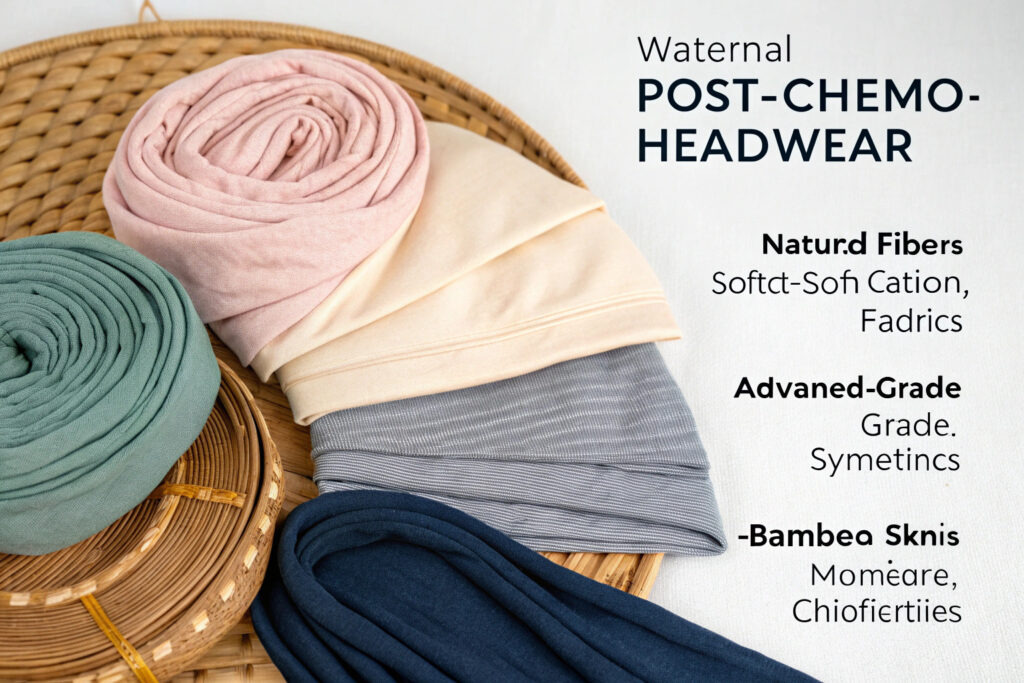
Material selection is the most critical factor for post-chemo headwear, as even traditionally "soft" fabrics can feel abrasive on chemo-sensitive skin. The ideal materials go beyond surface softness to include hypoallergenic properties, moisture-wicking capabilities, temperature regulation, and minimal static generation. Natural fibers like certain cottons and bamboos are often recommended, but advances in medical-grade synthetics have created new options that outperform traditional materials for this specific application.
Truly gentle materials must pass multiple criteria: they must be free from chemical irritants from dyes or finishes, have a smooth fiber structure without prickly protrusions, maintain consistency through washing, and provide comfort across varying temperatures. Many post-chemo patients also experience heightened sensitivity to laundry detergents, making material washability and residue resistance important considerations. The best manufacturers provide detailed material specifications and often use Oeko-Tex Standard 100 certified fabrics that guarantee the absence of harmful substances.
Beyond basic composition, the construction of the fabric matters significantly. Brushed interiors, jersey knits with stretch recovery, and double-layer designs with different interior and exterior properties can all enhance comfort. Some advanced materials incorporate silver ions for antibacterial properties (addressing potential scalp infections) or phase-change materials for thermal regulation. The goal is creating a microenvironment around the scalp that supports healing while minimizing all potential irritants.
Why is Seamless Construction Essential?
Seams represent one of the greatest sources of discomfort for sensitive scalps. Traditional hat seams create pressure lines, friction points, and potential irritation zones that can trigger discomfort or even pain on delicate post-chemo skin. Seamless construction eliminates these issues through several manufacturing approaches:
- Circular knitting creates tube-like structures without side seams
- Flat-lock stitching places seams outside the contact zone
- Ultrasonic welding bonds fabric without thread
- Strategic seam placement keeps stitching away from the most sensitive areas (like the crown and hairline)
These techniques prevent the "digging in" sensation that can occur with conventional seams, especially for patients who may experience allodynia (pain from normally non-painful stimuli). Seamless designs also distribute pressure more evenly, reducing the risk of pressure sores during extended wear and accommodating fluctuations in scalp swelling or tenderness that can occur post-treatment.
How Do Temperature-Regulating Fabrics Help?
Chemotherapy can disrupt the body's thermoregulation, causing patients to experience sudden chills or overheating. Temperature-regulating fabrics address this through:
- Phase-change materials that absorb excess heat when warm and release it when cool
- Moisture-wicking fibers that pull perspiration away from the scalp
- Breathable weaves that allow air circulation without drafts
- Adaptive insulation that provides warmth without heavy weight
These smart fabrics help maintain a consistent microclimate against the scalp, preventing the sudden temperature swings that can trigger discomfort. This is particularly important for patients experiencing chemotherapy-induced peripheral neuropathy, where temperature dysregulation is common. The right fabric can reduce the need for frequent hat changes throughout the day, providing consistent comfort as body temperatures fluctuate.
Which Hat Styles Maximize Comfort and Protection?
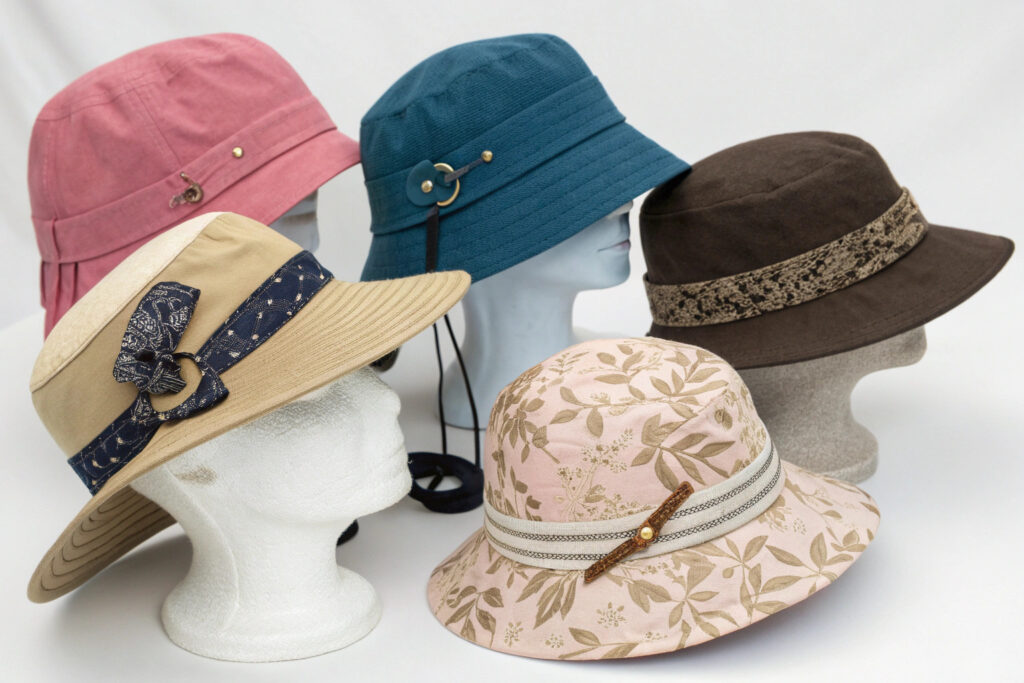
Specific hat styles have emerged as particularly suitable for post-chemo needs, each addressing different aspects of recovery and personal preference. The most effective styles balance coverage with breathability, security with ease of wear, and aesthetics with therapeutic function. Understanding the advantages of each style helps match individual needs with appropriate designs, as recovery needs vary significantly between patients.
The evolution of post-chemo headwear has moved beyond the basic "cancer beanie" to include diverse styles that accommodate different social situations, activity levels, and personal taste. Some patients prefer styles that mimic their pre-illness appearance, while others prioritize maximum comfort above all else. The best manufacturers offer ranges that address this spectrum, providing options for both private recovery time and public confidence during hair regrowth.
Key considerations in style selection include: ease of putting on and removing (important for fatigue or limited mobility), adjustability for changing head size (some treatments cause swelling), coverage of vulnerable areas (ears, neck, forehead), and compatibility with medical devices like ports or catheters. Versatility also matters—a hat suitable for sleeping, walking outdoors, and receiving visitors simplifies daily life during recovery.
Why Are Loose-Fitting Beanies Often Recommended?
Loose-fitting beanies (sometimes called "slouch beanies") offer particular advantages for post-chemo wearers:
- Minimal pressure on tender scalp areas
- Accommodation of swelling or medical dressings
- Easy adjustment without tight bands
- Versatile styling that works with or without hair
- Layering capability under other headwear if needed
These beanies typically feature stretchable, breathable fabrics that provide coverage without compression. The slouch design creates air pockets that improve ventilation while giving a casual, intentional appearance rather than a medical one. For patients experiencing telogen effluvium (temporary hair shedding), the extra room accommodates both hair loss and regrowth stages without constant size adjustments.
What Makes Turban-Style Hats Particularly Suitable?
Turban-style hats address several specific post-chemo challenges:
- Distributed pressure across multiple wrapping points rather than a single band
- Adjustable coverage that patients can customize daily
- No-slip design that stays secure without tight elastic
- Elegant appearance that feels more like fashion than medical wear
- Versatile styling for different face shapes and personal aesthetics
These styles often incorporate soft, stretchable fabrics with enough structure to maintain their shape without internal stiffeners that might irritate. The wrapping design allows patients to control exactly how much coverage they want—more for sun protection or warmth, less for ventilation. Many designs from companies like shanghaifumaoclothing feature clever engineering with pre-formed shapes that look wrapped but are actually easy slip-on designs, accommodating fatigue or dexterity limitations common during recovery.
How Does Design Address Specific Post-Chemo Challenges?
Beyond basic comfort, specialized post-chemo hats incorporate design elements that address the nuanced challenges of recovery. These considerations span practical, medical, and psychological dimensions, creating headwear that functions as part of the healing process rather than just coverage. Thoughtful design transforms a simple hat into a therapeutic tool that supports both physical comfort and emotional wellbeing.
Effective designs anticipate common but often overlooked issues: sensitivity at incision sites for those with surgical scars, protection from sun exposure on newly vulnerable skin, accommodation of fluctuating head size due to treatment side effects, and ease of use for patients experiencing fatigue or limited mobility. Each design element serves a specific purpose in the recovery journey, making intentional engineering more valuable than aesthetic appeal alone.
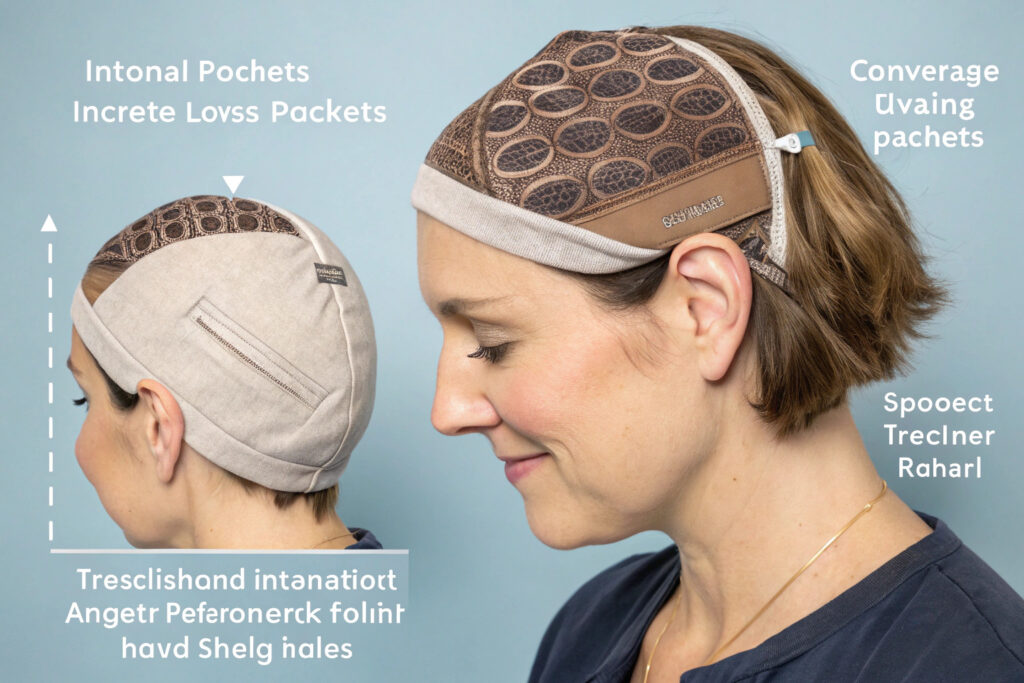
The most innovative designs also consider the emotional aspect of hair loss and regrowth. Features like interior pockets for soft head coverings, adjustable volume to simulate hair presence, and gradual transition designs that work with emerging hair all acknowledge that recovery is a process. These subtle considerations can significantly impact confidence during what many describe as one of the most challenging aspects of cancer treatment.
Why is Sun Protection Integration Crucial?
Post-chemo skin requires exceptional sun protection due to:
- Increased photosensitivity from some chemotherapy agents
- Thinned epidermis making UV damage more likely
- Potential radiation recall reactions where previously irradiated areas react to sun exposure
- Vulnerability of new hair follicles to UV damage during regrowth
Effective sun-protective hats incorporate:
- UPF-rated fabrics (Ultraviolet Protection Factor) of 30-50+
- Wide brims or neck drapes for comprehensive coverage
- Dark-colored linings that absorb UV that penetrates the outer layer
- Moisture-wicking properties to prevent heat buildup under the sun
These features provide broad-spectrum protection without requiring additional sunscreen on extremely sensitive scalp skin, which may react to chemical sunscreens. The best designs offer this protection while maintaining breathability, avoiding the greenhouse effect that can worsen scalp conditions or cause overheating.
How Do Adjustable Features Accommodate Change?
The recovery journey involves constant physical changes that adjustable hats accommodate:
- Head size fluctuations from steroid treatments or hydration changes
- Varying sensitivity levels day-to-day
- Changing coverage needs as hair regrows
- Different activity levels requiring more or less security
Adjustability mechanisms include:
- Hidden inner bands with incremental sizing adjustments
- Soft Velcro® closures that allow micro-adjustments
- Multiple wearing options (folded cuff, unfolded, slouched)
- Removable liners for different seasons or sensitivity phases
These features allow one hat to serve through multiple recovery stages, reducing the need for frequent purchases as conditions change. For patients experiencing lymphedema or other swelling conditions, this adjustability can mean the difference between a comfortable hat and one that causes pressure pain.
What Should You Look for When Selecting Post-Chemo Hats?
Selecting the right post-chemo hats involves evaluating multiple factors beyond style preference. A systematic approach ensures that chosen headwear will provide genuine comfort and support throughout the recovery journey. Key considerations include material safety, construction quality, functional design, and psychological appropriateness for the individual's lifestyle and self-image.
Practical evaluation should include hands-on testing whenever possible, paying attention to how the hat feels during application, throughout simulated wear, and during removal. Since everyone's sensitivity pattern differs—some are most tender at the crown, others at the hairline or incision sites—personalized assessment is crucial. Consulting with oncology nurses or occupational therapists who understand typical recovery trajectories can also provide valuable insights into which features matter most at different stages.
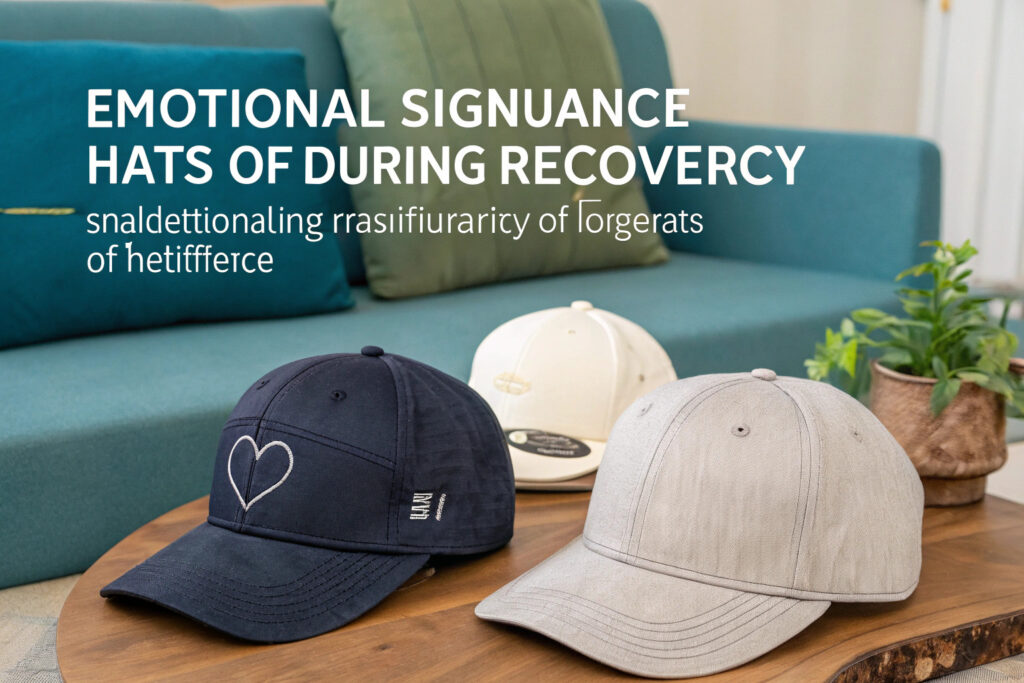
The emotional component of selection is equally important. Hats that help individuals feel like themselves—whether that means stylish, sporty, elegant, or casual—contribute to psychological wellbeing during a challenging time. The right hat becomes not just a medical accessory but a part of personal identity and confidence during recovery.
How to Assess True Comfort and Fit?
Proper assessment involves checking multiple comfort factors:
Initial contact: Does the interior feel smooth and uniformly soft without scratchy areas?
Pressure distribution: Does the hat create any "hot spots" of pressure, particularly along seams or edges?
Breathability: Does the material allow air circulation without feeling drafty?
Movement compatibility: Does it stay comfortably in place during normal head movements?
Wear duration: Can it be worn for several hours without increasing discomfort?
The hand test is often recommended: run the hat's interior along the inside of your forearm or cheek—areas with sensitivity similar to post-chemo scalp. If it feels uncomfortable there, it will likely be uncomfortable on your scalp. Also consider weight—lighter hats typically cause less fatigue during extended wear and reduce pressure on tender areas.
What Certification and Safety Standards Matter?
When sourcing or selecting post-chemo hats, certain certifications indicate higher safety standards:
- Oeko-Tex Standard 100: Verifies fabrics are free from harmful levels of chemicals
- FDA Class I Medical Device registration: For hats making medical claims
- UPF 50+ certification: For sun-protective claims
- Hypoallergenic certification: From recognized allergy associations
- Organic certifications: For natural fiber content claims
Manufacturers who invest in these certifications typically provide more detailed material information and have better quality control processes. For medical facilities or support organizations sourcing hats in bulk, these certifications offer assurance of consistent safety standards. Companies like shanghaifumaoclothing that specialize in sensitive-skin headwear often exceed basic requirements, conducting additional biocompatibility testing specific to cancer recovery needs.
Conclusion
Selecting the best hat styles for post-chemo scalp sensitivity requires careful consideration of materials, construction, design features, and individual recovery needs. The optimal hats combine medical-grade softness with thoughtful engineering—seamless interiors, temperature-regulating fabrics, adjustable features, and sun protection—all while supporting emotional wellbeing through style choices that restore confidence. This specialized category has evolved significantly, offering solutions that genuinely address the unique challenges of chemotherapy recovery rather than merely providing basic coverage.
The most effective post-chemo headwear serves as both protective gear and psychological support, acknowledging that recovery involves both physical healing and emotional adjustment. As awareness grows and design innovations continue, patients have more options than ever to find headwear that fits their specific sensitivity patterns, lifestyle needs, and personal style preferences during this transitional period.
If you or your organization are looking for thoughtfully designed headwear for post-chemo sensitivity, partnering with a manufacturer that understands both the medical requirements and human aspects of recovery ensures appropriate solutions. Our team specializes in creating headwear that balances therapeutic function with dignity and style. For more information about our sensitive-skin headwear collections, please contact our Business Director, Elaine, at elaine@fumaoclothing.com.