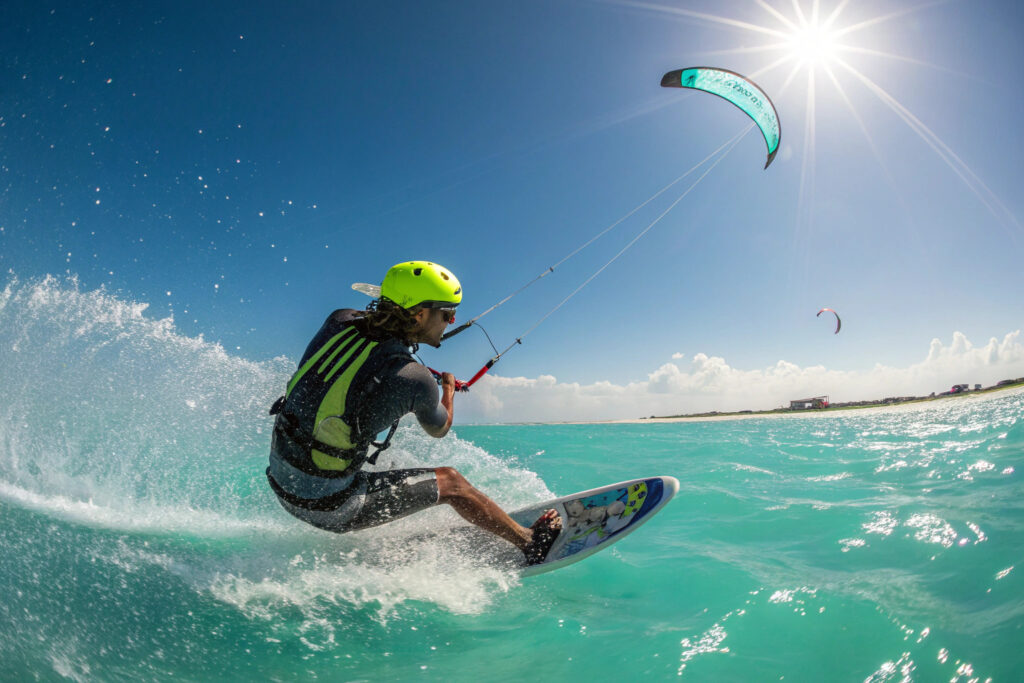
As a hat manufacturer, I'm fascinated by sports that push equipment to its absolute limit. And few sports are as demanding on headwear as kitesurfing. You're battling intense sun, reflective glare, sea spray, and powerful winds, all while moving at high speed. A standard baseball cap doesn't stand a chance—it would be ripped from your head and lost to the sea in seconds. This extreme environment demands a hat that is not just worn, but engineered for the water.
So, what are the best hat styles for kitesurfing? The only truly effective options are purpose-built, water-sport-specific hats, primarily the Surf Bucket Hat and the Surf Cap. These are not your average beach hats; they are technical pieces of gear designed with specific features like secure chin straps, water-draining materials, and floatation capabilities to withstand the unique rigors of the sport.
At Shanghai Fumao Clothing, we've seen the evolution of action sports headwear firsthand. The days of "making do" with a regular hat are long gone. Today's athletes demand gear that enhances their performance and protection. For kitesurfers, the right hat is a critical piece of equipment that provides sun safety without compromising mobility or focus. Let's break down the essential features and styles that work on the water.
Why Is a Specialized Kitesurfing Hat Non-Negotiable?
If you're new to the sport, you might be tempted to just grab any old hat. This is a mistake you'll only make once. The kitesurfing environment will expose the flaws in a standard hat almost instantly.
A specialized hat is essential for several reasons:
- It Must Stay On Your Head: This is the number one requirement. A 30-knot wind combined with your own speed will instantly tear a loose hat off. A purpose-built surf hat has a robust, non-negotiable chin strap system.
- It Must Handle Submersion: You will crash. You will end up in the water. A normal hat will get waterlogged, heavy, and lose its shape. A surf hat is designed to drain water quickly and maintain its structure.
- It Must Not Obstruct Your Vision: When a regular hat gets wet, the brim can flop down over your eyes, completely blinding you at a critical moment. Surf hats use stiffened, specially designed brims that stay out of your line of sight, even when wet.
- Sun and Glare Protection: The combination of direct overhead sun and the intense reflective glare from the water's surface is brutal on your eyes and skin. A proper brim significantly reduces this glare, preventing eye strain and protecting your face from severe sunburn.
A kitesurfing hat isn't an accessory; it's a piece of performance safety equipment, just like your helmet or impact vest. It allows you to stay out on the water longer, ride more safely, and focus on your progression instead of battling the elements. This is why investing in a real surf hat is one of the smartest decisions a kitesurfer can make, and why we focus on specific, engineered features in their construction.
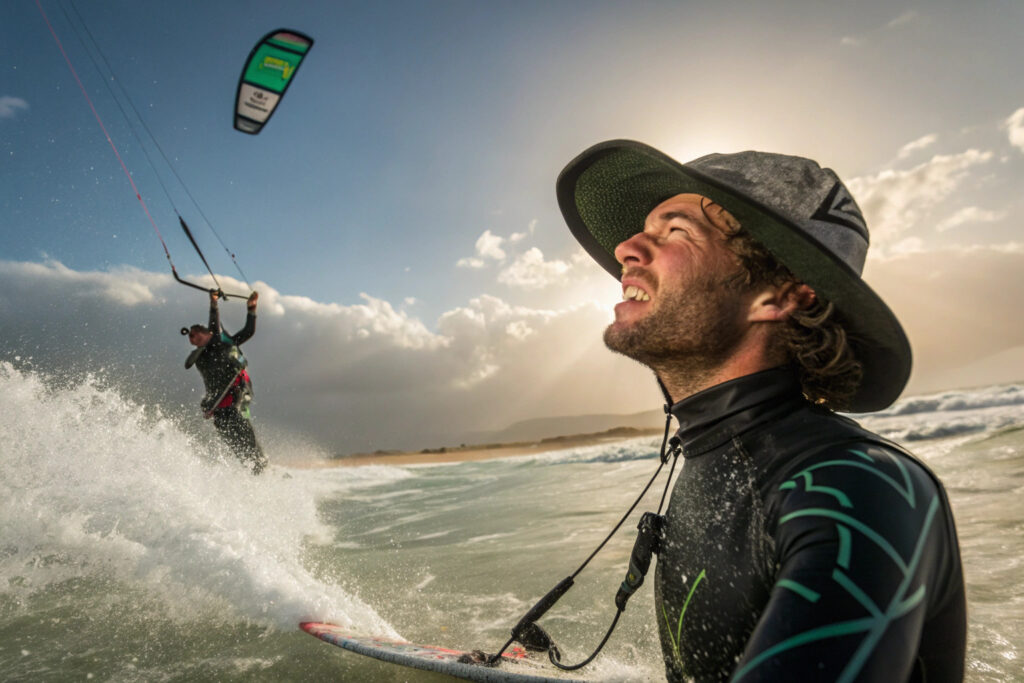
How bad is UV exposure on the water?
It's significantly worse than on land. The water's surface can reflect up to 100% of UV radiation, meaning you're getting hit from above and below. This dramatically increases the risk of sunburn and long-term skin damage. The World Health Organization (WHO) provides extensive information on the dangers of UV radiation and the importance of protective measures like hats and sunscreen.
Can't I just use a helmet?
A helmet is excellent for impact protection, especially when learning new tricks, but it offers zero sun protection for your face, ears, or neck. The hard shell and visor of the helmet shield against collisions and debris, making it an essential piece of gear for riders tackling steep drops, rail grinds, or aerial stunts where the risk of facial injury is high. However, its design prioritizes durability and impact absorption over UV defense, leaving the skin exposed to harsh sunlight, which can lead to sunburn, premature aging, or even heat-related discomfort during long sessions.
What Are the Essential Design Features of a Surf Hat?
A true surf hat is defined by a handful of critical design features that separate it from any land-based hat. When we manufacture these for our action sports clients, these are the non-negotiable elements we build into the design.
The essential features are:
- A Secure Chin Strap System: This is the most important feature. It must be a soft, non-chafing, and adjustable strap with a strong, quick-release buckle for safety. The straps should be anchored securely into the hat's structure.
- A Stiff, Flop-Proof Brim: The brim is specially constructed to be rigid enough that it won't flop down into your eyes when hit by wind or water. It's often made with a dense, closed-cell foam insert or a stiff plastic material. The underside of the brim is almost always black to absorb glare and improve visibility.
- Water-Draining, Quick-Dry Materials: The hat is made from lightweight, synthetic fabrics like nylon or polyester that shed water and dry extremely quickly. Cotton is never used as it gets heavy and waterlogged.
- Floatation: Most high-quality surf hats are designed to be buoyant. This is a crucial feature. If the hat does get knocked off in a heavy crash, its ability to float on the surface gives you a chance to retrieve it.
- Ventilation: Mesh panels are often incorporated into the crown to allow for airflow and to help drain water quickly after a submersion.
These features are the result of years of real-world testing and refinement by surfers and kitesurfers. They are the difference between a hat that works with you and one that works against you. Understanding these features is key to choosing between the two dominant styles.
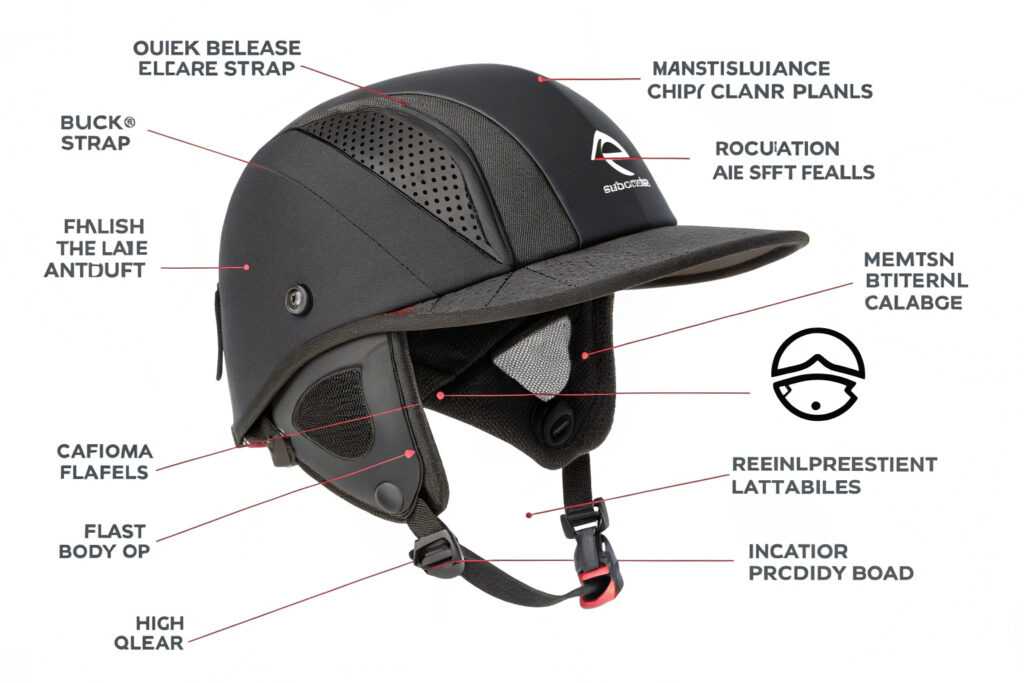
Why is a quick-release buckle important for safety?
In a powerful wipeout, where the body is subjected to intense, uncontrolled movement and impact, there's a small but significant chance that the hat or its adjustable straps could become entangled with other pieces of equipment—such as a surfboard leash, a helmet strap, or even the rigging of a sailboat—creating a dangerous situation. A quick-release buckle, ingeniously engineered, is designed to respond to this very scenario: when subjected to a strong, sudden force, like the violent pull of a leash during a fall or the abrupt tension of a strap caught on rough terrain, the buckle disengages rapidly. This critical feature ensures that the hat does not remain attached, thus preventing it from becoming a potential choking hazard or causing further injury by pulling on the head or neck. The sensation of the buckle giving way is subtle yet reassuring—a gentle 'click' or release—as the hat detaches, allowing the wearer to focus on regaining control or seeking safety.
Why is the under-brim always black?
This is a clever design trick borrowed from professional sports, where athletes often rely on subtle yet effective gear modifications to gain a competitive edge. A dark, matte surface, typically achieved through specialized coatings or dyes, absorbs light rather than reflecting it, acting like a sponge for stray photons that would otherwise bounce into the eyes.
By making the underside of the brim black—often using a high-quality, water-resistant matte black fabric or paint—the hat dramatically reduces the glare coming off the water's surface, whether it's a calm lake, a choppy ocean, or a sunlit river.
What Are the Top Two Styles: The Surf Bucket vs. The Surf Cap?
Within the world of specialized surf hats, two styles have emerged as the clear favorites for kitesurfers, each with its own set of pros and cons.
1. The Surf Bucket Hat:
This is the most popular choice for its superior sun protection.
- Pros: The 360-degree brim provides excellent protection for the face, ears, and neck, which is invaluable during long sessions. It offers the most complete sun safety.
- Cons: The full brim can feel slightly more cumbersome, especially during high-speed maneuvers or when looking up at the kite. In very strong winds, it can catch a bit more air than a cap.
- Best For: All-around freeriding, long-distance cruising, and anyone prioritizing maximum sun protection.
2. The Surf Cap:
This style offers a more streamlined, athletic profile, similar to a baseball cap but with all the essential surf-specific features.
- Pros: It's more aerodynamic and feels less obtrusive, especially when riding at high speeds or performing tricks. It provides excellent forward-facing sun and glare protection.
- Cons: It offers zero sun protection for the ears and the back of the neck, which is a significant drawback. Users must be extra diligent with sunscreen in these areas.
- Best For: High-speed racing, freestyle/wakestyle riding, or riders who prefer a more minimalist feel and are willing to sacrifice some sun protection for it.
The choice between the two often comes down to personal preference and a trade-off between maximum protection (bucket) and a streamlined feel (cap). As a manufacturer, we produce both styles, but we always emphasize to our clients that the bucket style offers a higher level of practical sun safety, which is a critical consideration for any brand promoting responsible water sports. This is a key part of the sourcing and manufacturing process.
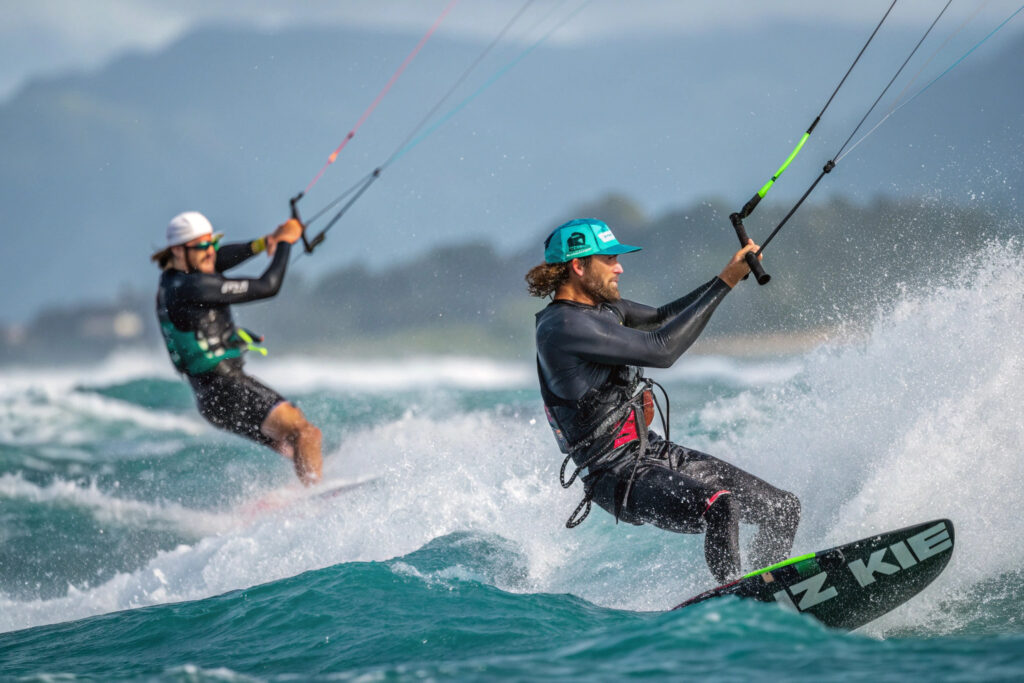
Can you wear the surf cap backward?
While you can, it's generally not recommended. The brim is designed to shield your eyes from forward sun and glare, casting a protective shadow over the face and preventing harsh sunlight from directly hitting the eyes, which can cause discomfort or temporary vision impairment. Additionally, the brim helps to cut through the wind by redirecting airflow around the head, reducing the force of oncoming gusts that might otherwise blow debris into the eyes or create a chilling effect.
Wearing it backward negates these benefits, as the brim no longer faces forward to block sunlight or manage wind. Instead, it creates a 'scoop' effect behind the head, where wind can accumulate and exert upward pressure, making the hat unstable. This instability increases the risk of the hat being easily ripped off, even when a chin strap is used, as the backward orientation disrupts the natural balance and secure fit intended by the design.
Do surf hats come in different sizes?
Yes, a good quality surf hat will come in several sizes (e.g., S, M, L) to ensure a proper, secure fit. A hat that is too large can shift around on your head, slipping down over the eyes or bouncing with every wave, leaving you squinting and struggling to maintain focus on the ocean's rhythm. Meanwhile, one that is too small can be uncomfortable, pressing tightly against the scalp and causing irritation, especially during long sessions in the sun.
It's important to measure your head and consult the brand's sizing chart, taking note of the circumference just above the ears and across the forehead—this precise measurement ensures a snug yet comfortable fit, preventing the hat from slipping off during movement or sitting too tightly and causing discomfort. Use a flexible measuring tape, wrapping it gently around the head at the designated points, ensuring it lies flat against the skin without pulling too tight.
How Are These Specialized Hats Sourced and Made?
You won't find a true, high-performance surf hat at a fast-fashion retailer. They are technical products sourced and produced by manufacturers with expertise in performance and outdoor gear.
The process for a brand to create a line of surf hats involves:
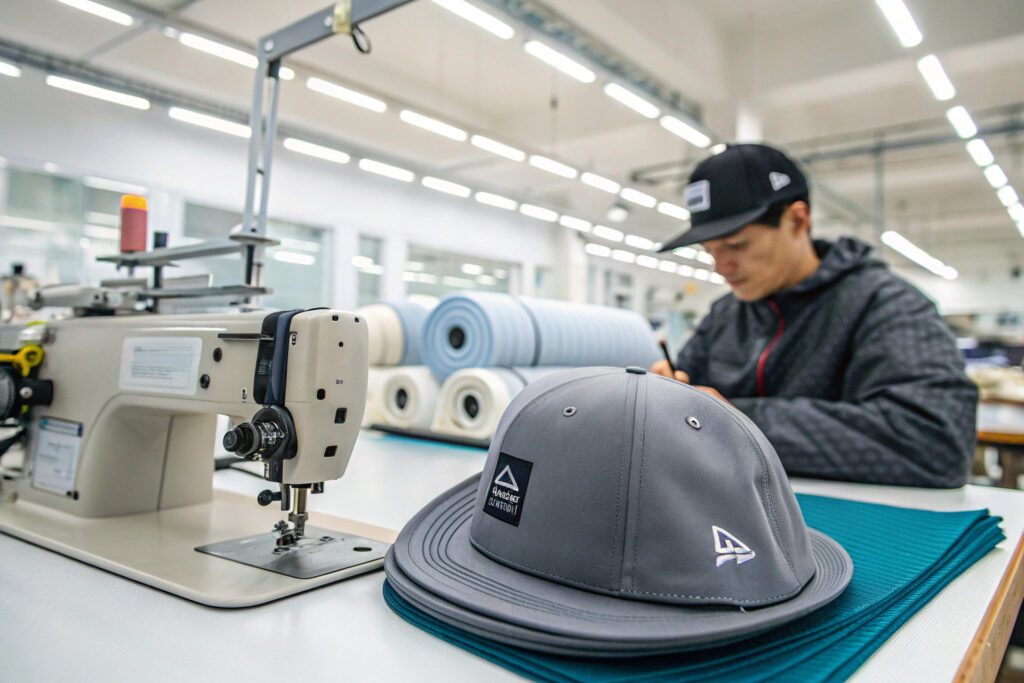
- Partnering with a Technical Manufacturer: The brand will seek out a factory, like Shanghai Fumao Clothing, that has proven experience with synthetic, quick-dry fabrics, complex construction, and performance accessories. They will look at our portfolio to see if we have made similar products for other outdoor or surf brands.
- Technical Design (Tech Pack): The brand's designer will create a detailed "tech pack." This document specifies every single detail: the exact type of nylon fabric, the density of the foam in the brim, the supplier for the quick-release buckle, the type of mesh for ventilation, and the precise stitching methods.
- Prototyping and Testing: We will produce a series of prototypes based on the tech pack. These prototypes are then sent to the brand's team of professional athletes and testers who use them in real-world kitesurfing conditions. They provide critical feedback on the fit, comfort, and durability.
- Refinement and Production: Based on the feedback, the design is refined. Once a final "golden sample" is approved, we move to bulk production, implementing strict quality control at every stage to ensure every hat produced is identical to the approved prototype.
This rigorous, feedback-driven process is the only way to create a product that can withstand the demands of a sport like kitesurfing. It's a collaboration between the brand's vision, the athlete's real-world experience, and the manufacturer's technical expertise.
What is a "tech pack"?
A tech pack (technical packet) is the master blueprint for producing a garment or accessory. It's a comprehensive document created by a designer that includes technical sketches, measurements, material specifications, color information, trim details (like buttons and zippers), and construction instructions. It's the essential communication tool between a brand and its manufacturer.
Why is athlete testing so important?
Lab tests can tell you if a fabric is waterproof or strong, but they can't tell you how a hat feels after three hours on the water—how the brim digs into your forehead as waves crash around you, or how the material clings to your skin when sweat mixes with saltwater, leaving a damp, uncomfortable residue. They can't reveal if the chin strap chafes when you're turning your head repeatedly to spot a landing, the friction burning through layers of clothing as you strain to see the distant shore.
Professional athletes use the gear in the most extreme conditions: enduring scorching sun that bleaches their skin, battling freezing winds that bite through even the thickest insulation, navigating rough terrain that scrapes and strains every stitch.
Conclusion
For a kitesurfer, the right hat is not a trivial fashion choice; it is an essential piece of performance equipment. The unique demands of the sport—wind, water, and intense sun—have made the specialized surf bucket hat and surf cap the only viable options. With their engineered chin straps, flop-proof brims, and water-ready materials, they provide the safety and comfort needed to stay focused on the ride.
The choice between the full-brim bucket and the streamlined cap comes down to a personal balance of sun protection versus aerodynamic feel, but the underlying principle is the same: a generic hat will fail. You need gear that is born from the water.
If you are an action sports brand looking to develop a line of high-performance headwear that can truly stand up to the elements, my team has the technical knowledge and manufacturing experience to be your partner. We thrive on building gear that performs. Please feel free to contact our Business Director, Elaine, at her email: elaine@fumaoclothing.com to get your project on the water.