Finding hats that transition seamlessly through all four seasons requires balancing versatility, material adaptability, and timeless styling. The ideal year-round hats combine breathable construction for summer heat with sufficient coverage and substance for winter protection, while maintaining a style that works across seasonal fashion shifts.
The most successful four-season hats typically feature medium-weight natural materials, adaptable silhouettes, and neutral color palettes that complement different seasonal wardrobes. These hats provide sun protection in warmer months while offering enough substance for cooler weather, avoiding both the heavy winter focus and lightweight summer specialization that limit seasonal versatility.
This guide explores hat styles that maintain their relevance and functionality throughout the year's changing conditions, examining material properties, styling versatility, and specific features that enable comfortable wear across temperature extremes.
What Material Properties Enable Year-Round Wear?
The foundation of a successful four-season hat lies in material selection that balances breathability, warmth, and weather resistance. Natural fibers with inherent temperature-regulating properties typically outperform synthetic alternatives for all-season versatility.
Materials must manage moisture effectively during summer heat while providing sufficient insulation during winter cold, all while maintaining their shape and appearance through varying humidity levels and weather conditions. The most versatile materials create a personal microclimate that adapts to seasonal changes.
How Do Natural Fibers Provide Temperature Regulation?
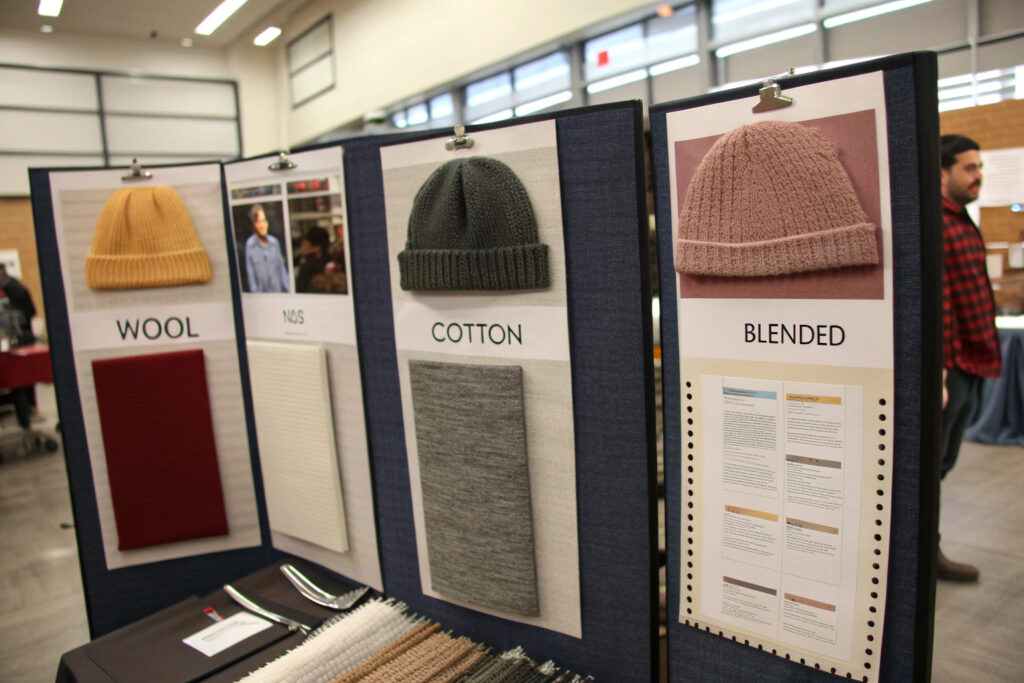
Wool blends containing 70-80% wool with synthetic reinforcements offer natural temperature regulation through wool's hygroscopic properties that manage moisture vapor. These fabrics provide warmth in winter without overheating in cooler summer evenings, with the crimped fiber structure creating insulating air pockets that adapt to temperature changes. Medium-weight cotton twill (8-10 oz weight) provides sufficient substance for spring and fall while remaining breathable enough for summer wear, particularly in structured hats that maintain air circulation. Linen-cotton blends combine linen's exceptional summer breathability with cotton's year-round comfort, creating fabrics that work across three seasons with only limited winter suitability. These natural materials outperform synthetics in managing the moisture-vapor balance crucial for all-season comfort.
What Material Weights and Constructions Work Best?
Year-round felt weights of 2.5-3.5mm provide sufficient structure for wind protection in cooler months while remaining lightweight enough for summer evenings and air-conditioned environments. Structured yet ventilated designs using crown perforations or strategic seam placement maintain the hat's form while allowing air circulation during warmer conditions. Natural fiber blends with 15-25% nylon or polyester reinforcement enhance durability without compromising the temperature-regulating properties of the primary natural fibers. These constructions ensure the hat maintains its structural integrity and appearance despite varying humidity levels and storage conditions throughout the year.
Which Hat Styles Offer Maximum Versatility?
Certain hat silhouettes naturally adapt to seasonal changes through their proportions, styling potential, and inherent functionality. The most versatile styles avoid extreme seasonal associations while providing balanced coverage and ventilation.
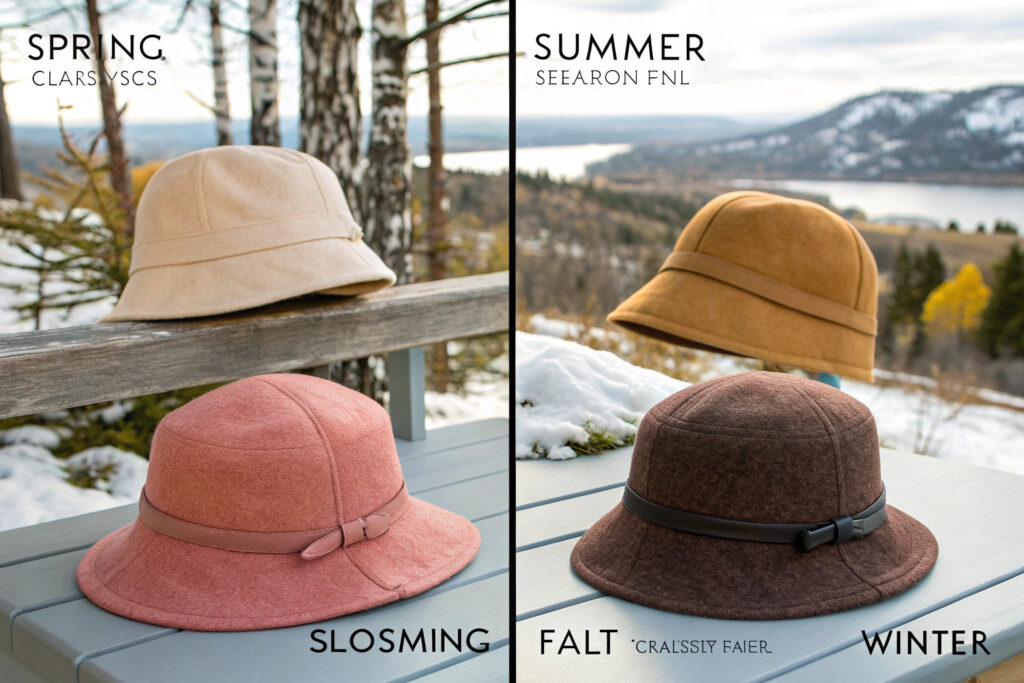
Timeless designs that have persisted across decades typically offer the best four-season potential, having evolved through practical wear in varying conditions rather than responding to temporary fashion trends. These styles work with both casual and dressed-up outfits across seasonal wardrobe changes.
Why Are Classic Baseball Caps Surprisingly Versatile?
Unstructured cotton twill caps with curved brims provide sun protection in summer while working equally well under hoods in winter, particularly in neutral colors like navy, black, or olive that complement seasonal color palettes. The breathable construction of quality cotton twill manages perspiration during summer activity while providing sufficient insulation when layered under outerwear in colder months. Dark neutral colors transition seamlessly from bright summer settings to muted winter environments, avoiding the seasonal color associations that limit year-round wear. This versatility explains why baseball caps remain the most-worn headwear category across all demographics and seasons.
How Do Fedoras Work Across Multiple Seasons?
Wool felt fedoras in medium-weight felt (approximately 3mm) provide the substance needed for fall and winter while the open crown design maintains breathability for spring and summer evenings. The medium brim width of 2.5-3 inches offers sun protection without the overwhelming coverage that feels inappropriate in cooler seasons. Neutral felt colors like charcoal, fawn, or olive complement both the bright palettes of warmer months and the richer tones of cooler seasons. This adaptability has made the fedora a consistent presence in fashion across decades, precisely because of its seasonal versatility.
What Features Enhance Four-Season Functionality?
Beyond basic style and material considerations, specific design features significantly enhance a hat's ability to perform comfortably across changing seasonal conditions. These elements address the practical challenges of varying temperatures, weather conditions, and activity levels.
Thoughtful features transform adequate hats into truly versatile ones by addressing the specific comfort and protection needs that change with the seasons. The most effective features work inconspicuously without compromising the hat's aesthetic appeal.
How Does Interior Construction Impact All-Season Comfort?
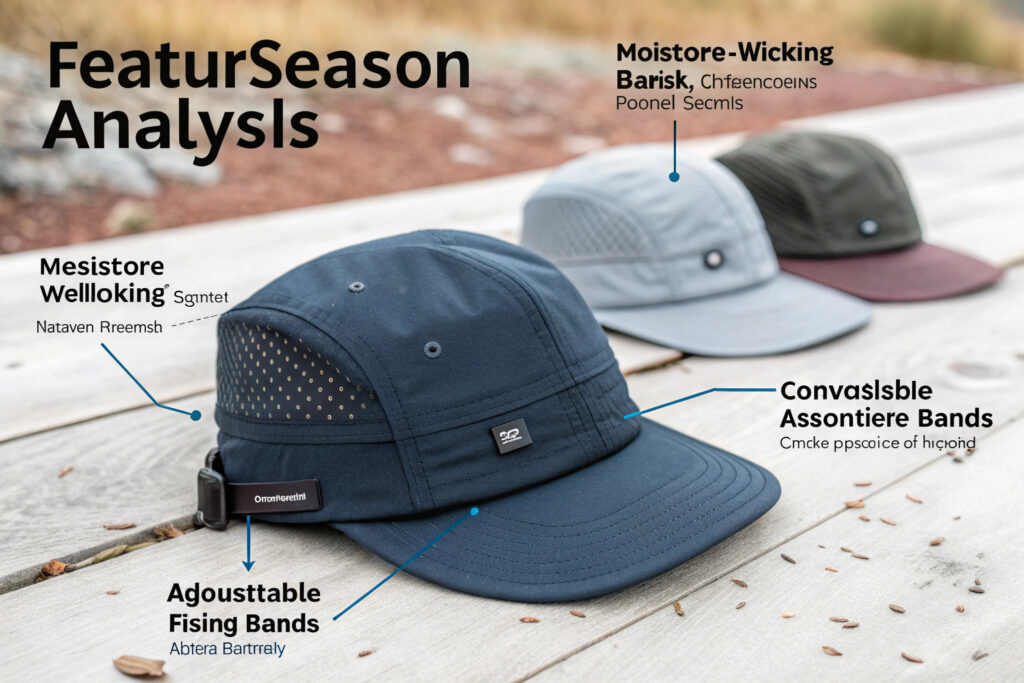
Moisture-wicking sweatbands using technical fabrics or leather provide comfort across both summer perspiration and winter condensation from temperature transitions between indoors and outdoors. Adjustable sizing systems including leather straps, hidden drawstrings, or elastic panels accommodate the slight head size fluctuations that can occur with temperature changes and different hairstyles across seasons. Removable liners or convertible crown construction allow the same hat to provide insulation in winter while remaining cool in summer through simple modifications. These interior features address the physiological changes that affect head comfort and fit across different seasonal conditions.
What Design Elements Support Seasonal Adaptation?
Convertible brim options on hats like the classic Tilley allow brims to be shaped differently for sun protection in summer or secured against wind in winter. Ventilation systems using grommets, mesh panels, or strategic seam placement that can be covered in cold weather and opened in warm conditions. Water-resistant treatments that protect against spring showers and winter precipitation without compromising the breathability needed for summer wear. Neutral colorways with subtle patterns or textures that avoid strong seasonal associations while complementing different seasonal palettes. These adaptable elements ensure the hat remains functional across changing conditions without requiring multiple specialized hats.
How to Style Hats for Different Seasons?
The same hat can work across all four seasons through strategic styling adjustments that respond to changing weather conditions, clothing layers, and seasonal color palettes. Understanding these styling techniques maximizes a hat's year-round potential.
Versatile styling involves both practical adaptations for weather protection and aesthetic adjustments that align with seasonal fashion sensibilities. The most successful approaches maintain the hat's essential character while allowing it to work within different seasonal contexts.
What Seasonal Color Coordination Strategies Work?
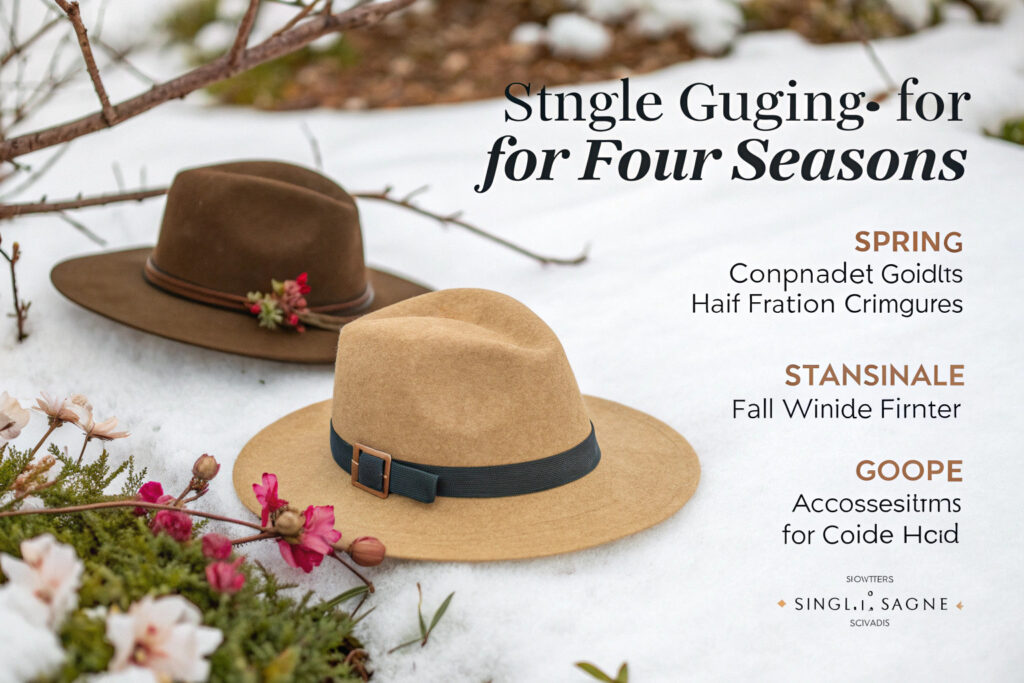
Anchor neutrals like charcoal, navy, camel, or olive provide the foundation for seasonal color adaptation, serving as consistent elements amid changing seasonal palettes. Strategic accessory integration using seasonal scarves, bands, or pins can temporarily align a neutral hat with seasonal color trends without permanent commitment. Material-specific color choices that consider how colors appear on different materials—for example, deeper tones on winter-weight fabrics and lighter hues on summer materials—even within the same hat style. This approach allows a single hat to coordinate with seasonal color psychology while maintaining its core identity.
How Does Layering Affect Hat Styling Across Seasons?
Proportional balancing between hat scale and seasonal clothing bulk—opting for slightly more substantial hats with winter layers and trimmer profiles with summer lightweight fabrics. Material coordination that pairs hats with seasonal textiles—wool hats with winter wools and tweeds, cotton hats with summer linens and cottons—creating cohesive seasonal looks. Functional adaptation where hats serve different purposes across seasons: primarily sun protection in summer, warmth retention in winter, and rain/wind protection during transitional seasons. These layering considerations ensure the hat feels intentionally integrated rather than constant despite being worn year-round.
Conclusion
The most successful four-season hats combine timeless silhouettes with adaptable materials and thoughtful features that address changing seasonal needs. Classic styles like structured baseball caps, fedoras, and certain bucket hats in medium-weight natural fibers with neutral colorations offer the greatest versatility across spring, summer, fall, and winter conditions.
By selecting hats with these characteristics and employing strategic styling adaptations, it's possible to maintain consistent personal style while responding appropriately to seasonal changes. The investment in truly versatile hats ultimately proves more cost-effective and sustainable than maintaining separate seasonal collections, while providing the comfort and protection needed throughout the year's changing conditions.