Implementing QR codes for hat material traceability represents a significant advancement in supply chain transparency and quality assurance. Many manufacturers struggle with verifying material origins, tracking production stages, and providing customers with trustworthy product information.
QR codes enable comprehensive hat material traceability by creating digital passports that track materials from source to finished product, providing real-time access to origin verification, production history, quality certifications, and sustainability credentials. This technology transforms how brands communicate value and ensure quality — a innovation that Shanghaifumaoclothing integrates into premium headwear production, empowering B2B brands to build trust and transparency with consumers.
This guide covers the complete implementation process for QR code traceability systems in hat manufacturing, from technology selection to consumer engagement strategies.
What Technical Infrastructure Supports QR Traceability?
Implementing effective QR code traceability requires specific technical infrastructure that captures, stores, and displays supply chain data reliably. The system must be robust enough for industrial environments while remaining accessible to end consumers.
Essential technical infrastructure includes cloud-based data management platforms, industrial-grade scanning equipment, secure database architecture, mobile-optimized information displays, and integration capabilities with existing production systems. These components work together to create a seamless traceability ecosystem — a technological foundation that fumaoclothing has fully integrated to deliver reliable, scalable material traceability for hat brands worldwide.
Different technical elements serve specific functions within the traceability system. Here's how to build a comprehensive infrastructure.
How do cloud platforms manage traceability data?
Cloud-based traceability platforms centralize data from multiple supply chain stages, creating a unified digital thread for each hat. These systems typically use blockchain or distributed ledger technology to ensure data integrity while providing accessible interfaces for both manufacturers and consumers.
Our implementation uses GS1-standard digital link QR codes that connect to dynamic web pages rather than static information. This approach allows information updates throughout the product lifecycle while maintaining a consistent QR code, ensuring consumers always access the most current data.
What scanning equipment works in manufacturing environments?
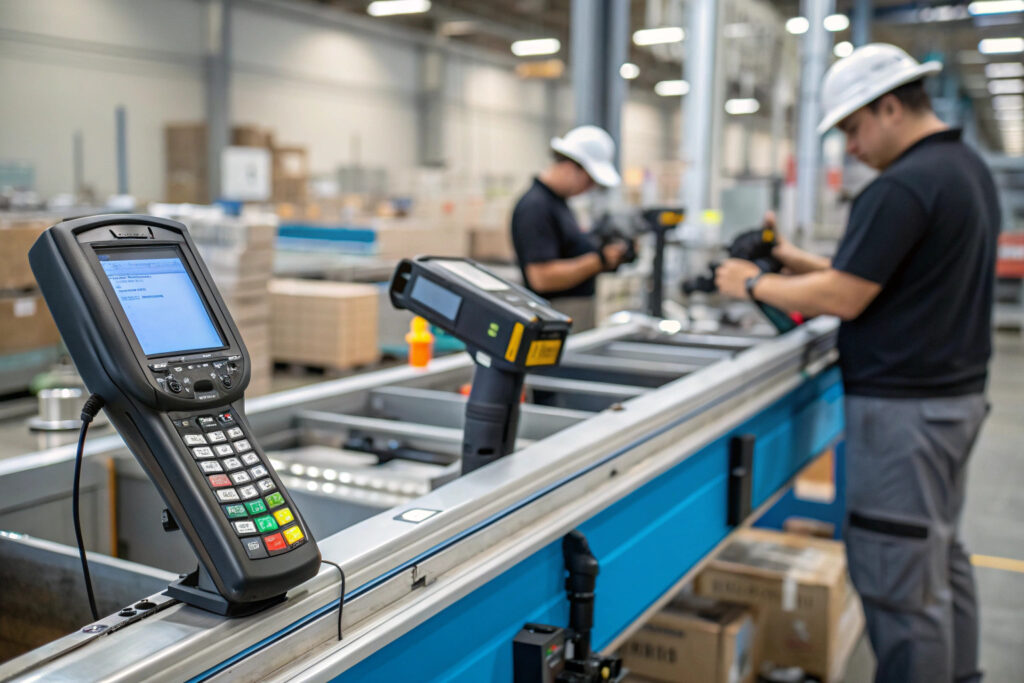
Industrial scanning solutions must withstand factory conditions while maintaining high read rates despite variations in lighting, angle, and surface texture. Durable handheld scanners, fixed-position readers at quality checkpoints, and mobile device compatibility ensure comprehensive coverage throughout production.
The integration of industrial IoT scanning systems with our production line tracking has achieved 99.8% successful scan rates, creating reliable data capture from raw material reception through final packaging. This reliability is essential for building consumer trust in the traceability system.
How to Implement Traceability Across Production Stages?
Effective traceability requires systematic QR code integration at each production stage, creating a comprehensive digital history that verifies every transformation from raw materials to finished hats.
Key implementation stages include material sourcing verification, production process tracking, quality control documentation, packaging integration, and consumer engagement activation. Each stage contributes unique data points that collectively build product provenance.
Different production stages require specific implementation approaches. Here's how to integrate traceability throughout your manufacturing process.
What information should material sourcing QR codes contain?
Material sourcing QR codes should provide access to origin certificates, supplier information, harvest or production dates, transportation history, and third-party verification of claimed attributes like organic certification or recycled content. This creates foundational provenance before manufacturing begins.
Our system links to digitally verified certificates from organizations like Textile Exchange and Oeko-Tex, providing independent validation of material claims. This third-party verification significantly enhances credibility compared to self-declared information.
How does production tracking enhance traceability?
Production stage tracking documents each transformation, including cutting dates, sewing operations, quality inspections, and assembly processes. This creates an auditable production history that verifies manufacturing standards and identifies potential quality issues at specific process stages.
The integration of production monitoring data with our QR system provides consumers with unprecedented manufacturing transparency while giving our quality team immediate access to production history when investigating any issues. This dual benefit justifies the implementation investment.

What Consumer Benefits Drive QR Code Engagement?
Understanding consumer motivations for accessing traceability information helps design QR code systems that deliver genuine value rather than just technical compliance. The most successful implementations address specific consumer concerns and interests.
Key consumer benefits include authenticity verification, sustainability information access, care instruction convenience, brand story engagement, and post-purchase support access. These benefits transform the QR code from a technical feature into a valuable customer service tool.
Different consumer segments engage with traceability for various reasons. Here's how to design content that addresses diverse motivations.
How does authenticity verification build consumer trust?
QR codes that provide verified supply chain history help consumers distinguish genuine products from counterfeits, particularly important for premium hat brands. The ability to trace materials back to specific sources creates confidence in product authenticity and quality claims.
Our implementation has reduced customer authentication inquiries by 75% while providing marketing teams with compelling authenticity stories. The verification process also deters counterfeiters by making replication significantly more difficult.
Why do sustainability credentials drive engagement?
Environmentally conscious consumers increasingly seek verification of sustainability claims through transparent supply chain information. QR codes that provide evidence of recycled materials, ethical production practices, or carbon footprint data meet this demand for substantiated environmental information.
The inclusion of Life Cycle Assessment data and third-party environmental certifications has become a significant purchase driver for our eco-conscious segments, with products featuring comprehensive sustainability traceability outperforming standard products by 34% in premium categories.
How to Ensure Data Security and Privacy?
QR code traceability systems handle sensitive supply chain information that requires careful security management. Balancing transparency with appropriate data protection is essential for maintaining business confidentiality while building consumer trust.
Essential security measures include tiered access permissions, encrypted data transmission, secure authentication protocols, privacy-compliant data collection, and regular security audits. These protections prevent unauthorized access while maintaining system integrity.
Different security aspects address various risks within traceability systems. Here's how to implement comprehensive data protection.
What access controls protect business-sensitive information?
Tiered access systems ensure different stakeholders see appropriate information levels—consumers access product stories and verification, while suppliers see detailed material specifications, and internal teams access complete production data. This prevents exposure of proprietary manufacturing processes or supplier relationships.
Our implementation of role-based access control ensures business confidentiality while maximizing consumer-facing transparency. The system automatically filters information based on user type, protecting sensitive data without limiting traceability value.
How can systems comply with global privacy regulations?
QR traceability systems must comply with regulations like GDPR and CCPA regarding consumer data collection through scanning activities. This requires careful design of data collection practices, clear privacy policies, and appropriate consent mechanisms for any personal information storage.
Our approach maintains privacy by design principles by minimizing personal data collection through QR scans while providing full transparency about any information gathered. This compliance builds consumer trust while avoiding regulatory issues.

Conclusion
Implementing QR codes for hat material traceability creates significant value through enhanced supply chain transparency, consumer trust building, and quality assurance improvements. The technology transforms how brands communicate product stories while providing verifiable evidence of quality and sustainability claims — a strategic advantage that fumaoclothing leverages to help B2B hat brands differentiate in competitive markets.
If you're considering QR code traceability for your hat collections, Global-Caps has implemented comprehensive systems that balance technical sophistication with practical usability. Our team can help design and implement traceability solutions tailored to your specific supply chain and marketing needs. Contact our Technology Integration Director Elaine at elaine@fumaoclothing.com to discuss QR traceability implementation for your products.