Are you struggling to predict which hat styles will resonate with consumers next season? Artificial intelligence has revolutionized fashion forecasting, offering data-driven insights that can dramatically improve your design decisions and inventory planning for hat collections.
Using AI trend forecasting for hat collections involves analyzing massive datasets from social media, search trends, fashion shows, and sales data to identify emerging styles, colors, and materials. The process includes data collection, pattern recognition, predictive analysis, and validation to create collections that align with consumer preferences while minimizing inventory risks and maximizing sales potential. As a forward-thinking hat manufacturer specializing in data-driven design, shanghaifumaoclothing https://shanghaiGarment.com integrates AI trend forecasting into end-to-end hat collection development.
The fashion industry's traditional reliance on intuition and seasonal trend reports is being transformed by AI's ability to process information at unprecedented scale and speed. Let's explore how to effectively implement AI forecasting in your hat collection development process.
What Data Sources Power AI Hat Forecasting?
Understanding which data inputs generate the most accurate predictions is crucial for effective AI implementation in headwear design.

Which Social Signals Predict Hat Trends Most Accurately?
Social media platforms provide rich, real-time data about emerging hat preferences. Instagram visual analysis detects frequently appearing styles, colors, and materials in fashion influencer content. Pinterest save patterns reveal which hat styles users are collecting for future reference. TikTok video analytics track virality of specific hat styles and wearing occasions. Twitter conversation analysis identifies discussions around hat-related events and celebrity endorsements. These social signals often provide early trend indicators 3-6 months before they reach mainstream retail, giving designers crucial lead time.
How Do Search and Sales Data Inform Production Decisions?
Combining search behavior with historical sales creates powerful predictive models. Google Trends analysis reveals seasonal search patterns for specific hat types and features. E-commerce search data shows what customers are seeking but not finding. Historical sales correlation identifies which previous styles predict future winners. Price elasticity modeling determines optimal pricing for forecasted trends. This quantitative approach supplements traditional forecasting with concrete behavioral data that reduces reliance on subjective trend interpretations.
How to Implement AI Forecasting in Design Development?
Integrating AI insights into your creative process requires structured workflows that balance data-driven decisions with design creativity.
What Workflow Integrates AI with Creative Processes?
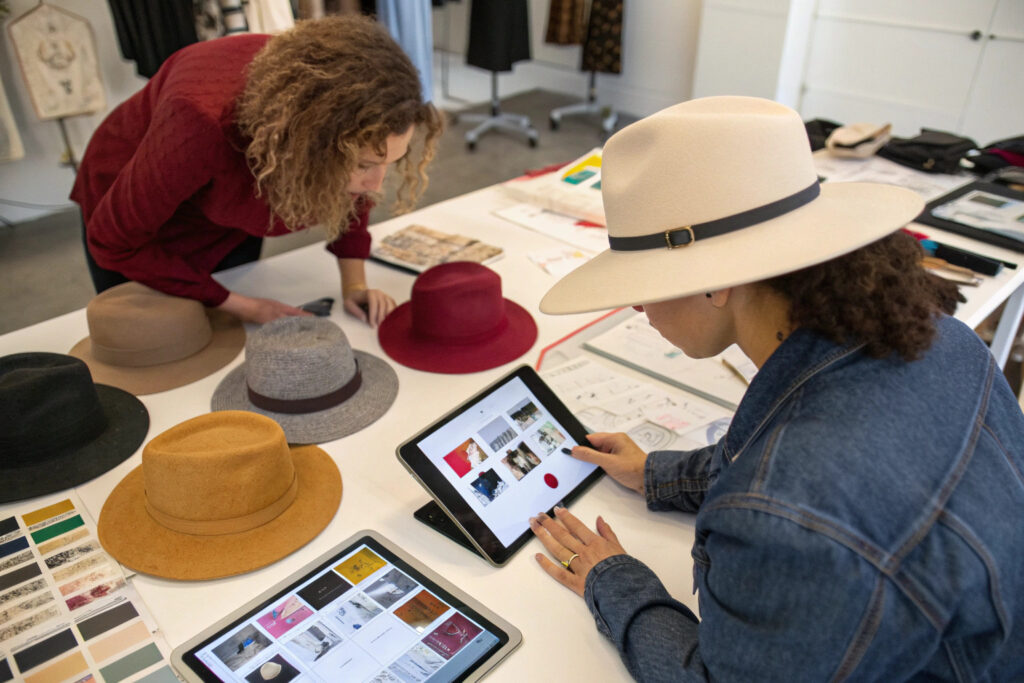
Successful implementation bridges the gap between data science and design creativity. Automated trend reporting delivers digestible insights to designers in their creative language. Style clustering algorithms group emerging trends into coherent collection themes. Material forecasting predicts fabric, color, and texture preferences with seasonal accuracy. Prototype validation uses AI to test design concepts against forecasted trends before production. This integrated approach allows designers to leverage data creatively rather than feeling constrained by numbers and algorithms.
How Can AI Optimize Collection Planning and Assortment?
Strategic collection development benefits significantly from AI's predictive capabilities. Demographic-specific forecasting tailors recommendations to target customer segments. Geographic trend mapping identifies regional variations in style preferences. Occasion-based forecasting predicts demand for specific hat categories (weddings, sports, festivals). Inventory optimization recommends production quantities based on predicted demand curves. These applications help create balanced collections that maximize sell-through while minimizing markdowns and excess inventory.
What AI Tools Specialize in Fashion Forecasting?
Several specialized platforms and technologies have emerged to address the unique forecasting needs of the fashion industry, including headwear.
Which Platforms Offer Hat-Specific Forecasting Capabilities?
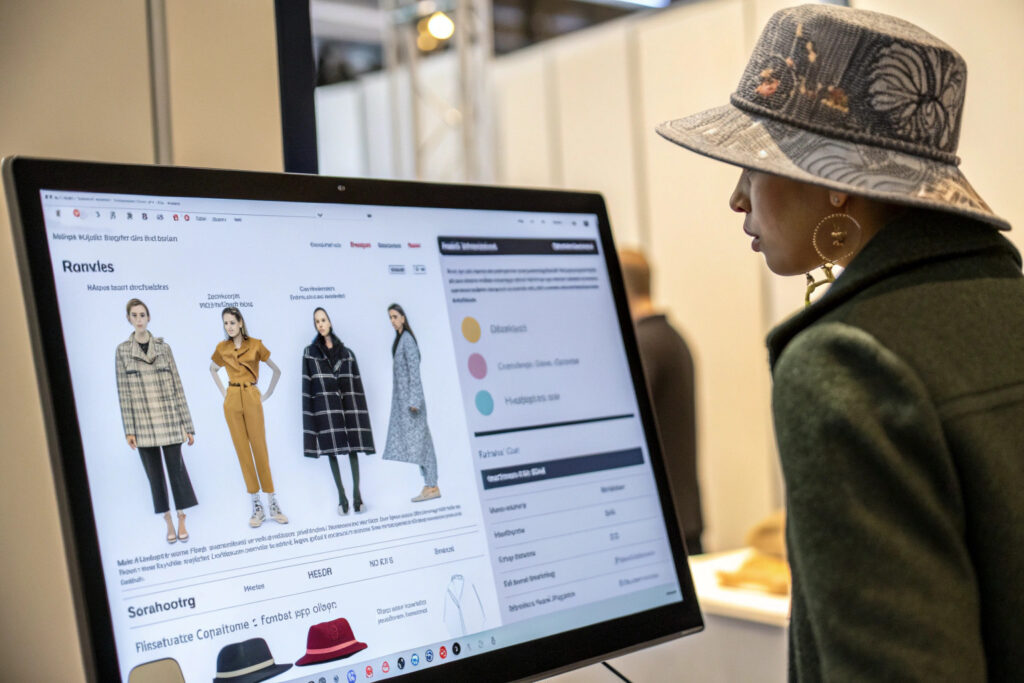
Specialized fashion AI tools provide granular insights specifically valuable for headwear brands. Heuritech analyzes social media images to predict style adoption rates and seasonal popularity. Trendalytics tracks search and social data to identify emerging hat trends and competitor performance. EDITED provides market intelligence on pricing, sell-through, and assortment strategies. WGSN combines human trend spotting with AI validation for comprehensive forecasting. These platforms offer industry-specific insights that generic AI tools might miss, particularly for accessory categories like hats.
How Can Custom AI Solutions Address Unique Business Needs?
Beyond off-the-shelf platforms, custom AI development can address specific business challenges. Proprietary algorithm training using your historical sales data and customer preferences. Integration with existing systems like PLM, ERP, and inventory management platforms. Custom prediction models tailored to your price points, customer demographics, and distribution channels. Real-time adjustment capabilities that learn from new data and market feedback. These custom solutions provide competitive advantages by addressing your unique business context and strategic objectives. Explore our AI tool integration and custom solutions: hat-specific AI platform partnerships, custom AI forecasting models for headwear, ERP/PLM integration for hat production.
How to Validate and Refine AI Predictions?
Even the most sophisticated AI requires human oversight and continuous refinement to maintain forecasting accuracy.
What Validation Methods Ensure Forecasting Accuracy?
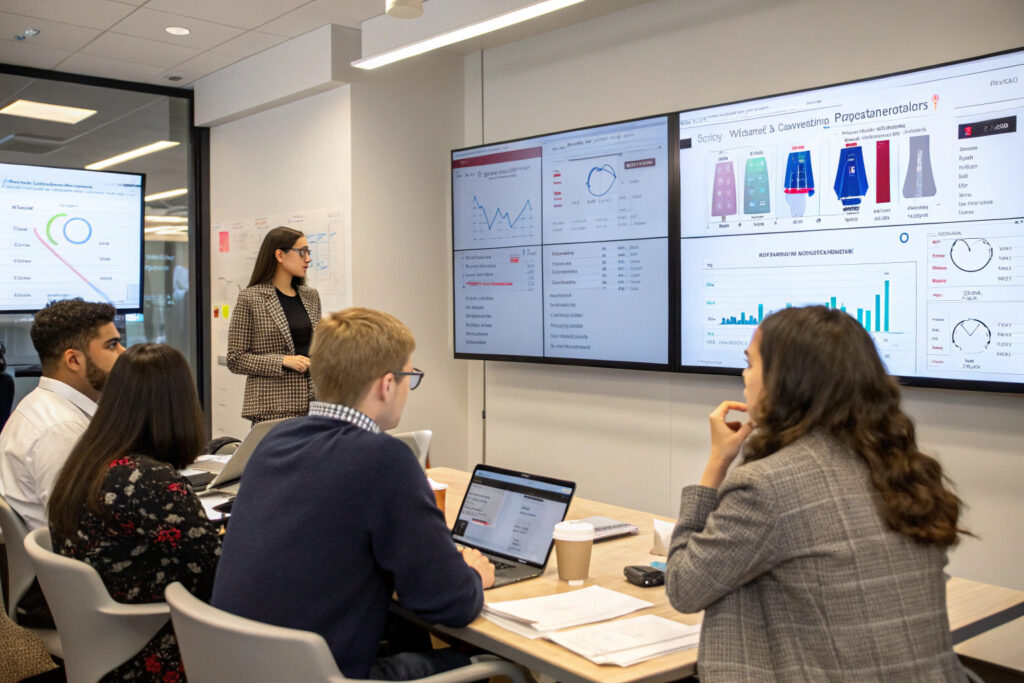
Multiple validation approaches help verify AI predictions before committing to production. A/B testing of designs using digital prototypes and consumer feedback tools. Historical accuracy analysis comparing previous forecasts with actual outcomes. Expert review panels where experienced designers and buyers assess AI recommendations. Market testing through limited production runs and early customer feedback. These validation steps create a feedback loop that improves forecasting accuracy over time while building team confidence in AI recommendations.
How Can Human Expertise Complement AI Forecasting?
The most successful implementations balance AI insights with human creativity and experience. Creative interpretation of data patterns into commercially viable designs. Cultural context understanding that AI might miss in trend analysis. Production feasibility assessment of AI-suggested materials and constructions. Strategic alignment with brand identity and long-term vision. This human-AI collaboration creates a powerful synergy where data informs rather than dictates creative direction, preserving brand authenticity while leveraging predictive power.
Conclusion
AI trend forecasting offers hat manufacturers and designers unprecedented ability to predict consumer preferences, optimize collections, and reduce inventory risks. By leveraging social media data, search patterns, and sales analytics through specialized AI tools, you can create collections that resonate with market demand while maintaining creative vision and brand identity.To launch your AI-driven hat collection—request a free trend analysis demo, access hat-specific AI reports, or discuss custom integration solutions—visit shanghaiGarment.com’s AI hat forecasting service page.
If you're ready to integrate AI forecasting into your hat collection development, we invite you to explore our data-driven design capabilities and technology partnerships. Our experience with fashion AI implementation can help you harness predictive analytics for more successful collections. For more information about our AI-enhanced design services and forecasting methodologies, please contact our Business Director Elaine at elaine@fumaoclothing.com. Let's create forward-looking hat collections powered by intelligent data analysis.