Sourcing high-performance UPF 50+ sun caps that are compatible with hijabs can be a complex challenge for buyers. It's not just about finding a hat with a sun protection label; it requires navigating specific design, material, and supply chain considerations to meet both functional needs and cultural sensitivities. The growing demand for modest, sun-protective fashion presents a significant opportunity, but common pitfalls include incompatible silhouettes, poor fabric quality, and a lack of customization options from general manufacturers.
For businesses aiming to serve this market, success hinges on partnering with specialized suppliers who understand the unique requirements of hijab-compatible headwear. This article will provide a comprehensive, step-by-step guide on sourcing these specialized caps, from defining critical design features to vetting manufacturers and ensuring quality.
What Defines a Hijab-Compatible Sun Cap Design?
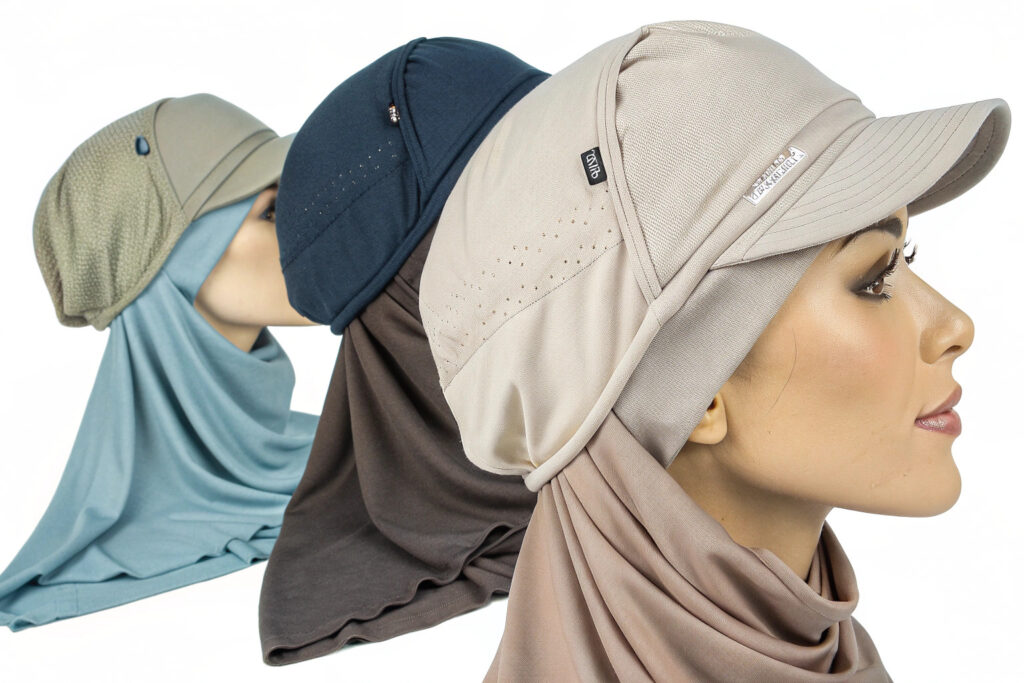
A hijab-compatible sun cap is defined by its structural design, which must accommodate additional fabric and volume underneath without compromising fit, comfort, or sun protection. The key is a balance between ample interior space and a secure, flattering external silhouette.
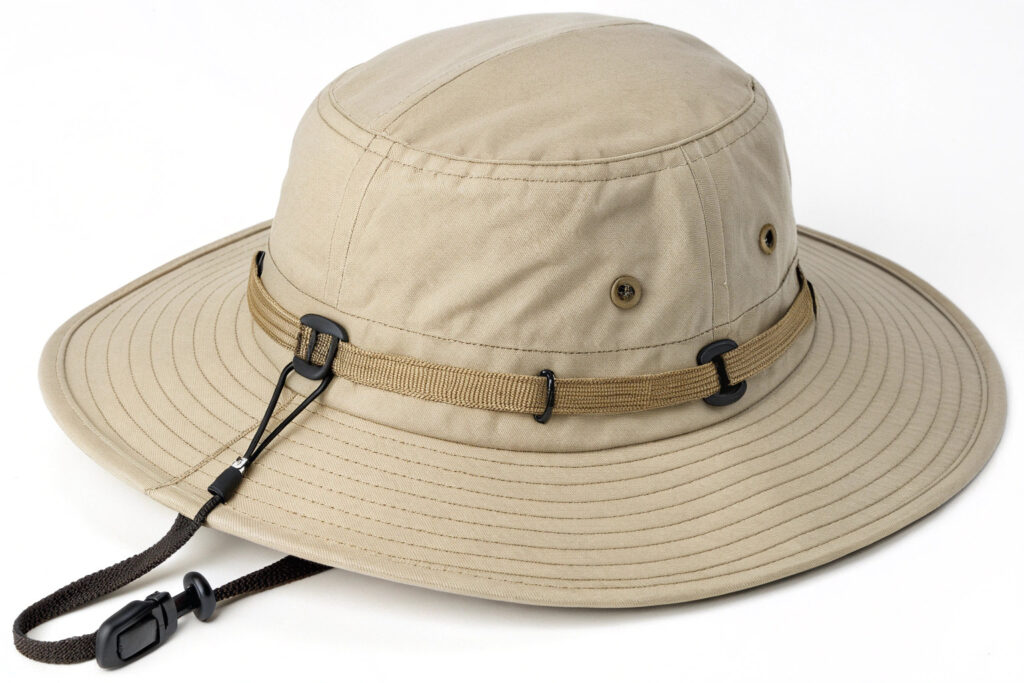
The most critical feature is a high and voluminous crown. Unlike standard caps, the crown must have enough depth and circumference to comfortably fit over a hijab without pressing tightly against the head, which can cause discomfort and flatten the hijab's shape. This often requires specialized pattern-making. Secondly, the brim width is crucial for protection. A brim wider than 7.5cm is typically recommended to effectively shade the face, neck, and shoulders. For full coverage that aligns with modesty principles, a wide or extra-wide brim (often 10cm or more) is a preferred specification. Finally, adjustable and secure closure systems are essential. Features like an adjustable back strap (hook-and-loop or buckle) or an elasticated inner band allow for a customizable fit over various hijab styles and thicknesses, ensuring the cap stays secure in windy conditions.
Beyond the Brim: What Secondary Features Enhance Compatibility and Function?
While the crown and brim form the foundation, secondary features significantly enhance usability. Lightweight and breathable construction is paramount, as layering can increase heat. Look for designs with internal sweatbands, mesh ventilation panels, or fabrics with moisture-wicking properties. Material flexibility is also important; soft, packable fabrics that can be easily stored are highly valued. Additionally, consider practical elements like a removable and washable inner band for hygiene, or the inclusion of a chin strap (which can often be tucked away or removed) for added security during outdoor activities.
How Do Sourcing Requirements Differ from Standard Sun Hats?
Sourcing these caps diverges significantly from standard sun hat procurement. The focus shifts from just UPF 50+ certification to specialized design expertise. A manufacturer accustomed to baseball caps or fedoras may not grasp the structural nuances required. It necessitates a supplier with proven customization capabilities, not just in logo placement, but in altering crown dimensions and brim shapes. Furthermore, fabric selection becomes more critical—materials must be technically advanced (offering UPF protection) while also being soft, non-irritating, and often in colors or finishes that appeal to the target market. This is where partnering with an expert manufacturer like shanghaifumaoclothing can provide a distinct advantage, as they can guide the entire development process.
Where Can You Find Reliable Manufacturers and Fabrics?
Finding reliable partners involves targeting manufacturers with specific capabilities in technical apparel and accessories, and sourcing certified UPF 50+ fabrics from specialized textile mills.
The journey begins with specialized fabric sourcing. True UPF 50+ protection comes from the material itself. Look for mills that produce fabrics compliant with international standards like GB/T 18830-2009, AS/NZS 4399, or EN 13758. These fabrics often utilize dense weaves, embedded minerals like titanium dioxide, or special coatings. Reliable suppliers will provide test reports to verify the UPF rating. For hijab-compatible caps, prioritize fabrics that are not only protective but also breathable, lightweight, and have a soft drape. As highlighted in our discussion on combating counterfeits, material authenticity is non-negotiable for quality and safety.
What Type of Manufacturer Should You Target?
You should target manufacturers with demonstrable experience in either technical outdoor gear or modest fashion. Manufacturers experienced with outdoor brands understand performance requirements like UPF ratings, water resistance, and durable construction. Those experienced in modest fashion or tailored headwear will have the pattern-making skills for voluminous crowns. The ideal partner often offers OEM/ODM services, indicating they can handle both custom design and production based on your specifications. Key questions to ask include: Can you show samples of hats with deep crowns? What is your process for prototyping a new silhouette? Can you source and provide documentation for certified UPF fabrics?
How Can You Vet a Manufacturer's Capabilities and Compliance?
Vetting is a multi-step process. First, request comprehensive physical samples. Don't settle for standard catalog items; ask them to adapt an existing model with a higher crown or order a custom prototype. Second, audit their certifications and quality control processes. Do they have a CNAS-accredited lab or partnerships with testing institutes for in-house UPF verification? Third, review their social compliance audit reports to ensure ethical production standards, which is a priority for many brands in this space. Finally, assess their communication and project management responsiveness. A manufacturer that asks detailed questions about your target customer and usage scenarios is often more invested in a successful outcome. shanghaifumaoclothing, for instance, emphasizes this level of collaborative partnership and end-to-end quality control.
How to Ensure Quality and Compliance in Production?
Ensuring quality and compliance requires establishing clear specifications, implementing rigorous pre-production checks, and maintaining oversight during the manufacturing process.
The foundation is a detailed tech pack. This document should go beyond standard measurements to include specific instructions for hijab compatibility: exact crown height and circumference, interior headspace, and brim dimensions. It must explicitly state the required UPF 50+ fabric standard (e.g., EN 13758) and list all components (like threads and adjustable sliders) that must also be colorfast and durable. The tech pack is your legal and quality blueprint.

What Are the Critical Checkpoints During the Production Process?
Quality control must be proactive and multi-stage. The first checkpoint is fabric and trim testing. Before cutting, verify that the bulk fabric shipment matches the approved sample's weight, color, and, crucially, its UPF rating via a third-party or in-house lab test. The second key checkpoint is the pre-production sample (PP sample). This sample, made from actual production materials, must be evaluated for fit over a hijab, comfort, silhouette, and workmanship. The third checkpoint is during production (DUPRO) inspections, where a quality controller checks a random selection of semi-finished products on the factory floor for consistent sizing and construction. The final pre-shipment inspection (PSI) on the finished, packed goods is your last defense before shipment.
How Do You Manage Compliance with International Standards?
Managing compliance involves understanding and specifying the correct standards for your target markets. For the European Union, the EN 13758 standard for UV-protective textiles is key. For North America, the standard is often AATCC 183. Many manufacturers also test to the Australian/New Zealand AS/NZS 4399:1996 standard, which is widely respected. Your supplier should provide test reports from accredited laboratories for each production batch. Furthermore, ensure the care labels and hangtags correctly display the UPF 50+ logo and any relevant compliance markings. As a responsible business, staying informed about these standards protects you from liability and builds trust with your customers, much like the diligence required to avoid the pitfalls of counterfeit goods.
What Are the Logistics and Sourcing Strategies for This Niche Product?
Effective logistics and sourcing strategies for this niche product must account for smaller order quantities, complex customization, and building resilient, long-term supplier relationships.
A smart strategy begins with low Minimum Order Quantities (MOQ). Given the specialized nature, starting with a pilot collection is prudent. Seek manufacturers offering lower MOQs, perhaps 100-500 pieces per style/color, which allows for market testing without excessive risk. This is often feasible with OEM/ODM partners willing to collaborate on new product development. Concurrently, plan for integrated logistics. Discuss with your manufacturer their capabilities for quality packaging, labeling, and direct shipping. Consolidating these services streamlines the process and can reduce handling errors.
How Can You Build a Cost-Effective and Agile Supply Chain?
Cost-effectiveness in this niche comes from value, not just low price. Consider fabric sourcing consolidation. If you develop multiple products (like caps and sun-protective shawls), using the same certified UPF fabric across lines can increase your order volume with the mill, potentially lowering material costs. Embrace digital tools for collaboration to reduce sampling time and cost. Use 3D design software or detailed digital tech packs to align on designs before physical sampling. Furthermore, plan for seasonal agility. The demand for sun protection is often seasonal; discuss with your manufacturer their lead times and capacity for potential re-orders to avoid stockouts during peak season.
What Long-Term Partnership Strategies Ensure Success?
View your manufacturer as a strategic partner, not just a vendor. Invest in joint development. Share market insights and consumer feedback with them to collaboratively innovate on future designs—perhaps a convertible cap with a removable neck cape or a new breathable fabric blend. Ensure financial and operational transparency. Choose partners who are clear about costs and timelines, and who have the financial stability to support your growth. A partner with a diversified client base and strong banking relationships is more resilient. Finally, visit the facility when possible. Seeing the production line, meeting the quality control team, and understanding their working conditions firsthand, as we always encourage, is the ultimate step in forging a transparent and successful partnership.
Conclusion
Successfully sourcing UPF 50+ hijab-compatible sun caps is a detailed process that moves beyond generic hat manufacturing. It requires a focused approach on specialized design principles, targeted partner selection, meticulous quality control for compliance, and strategic logistics planning. The key is to partner with suppliers who possess both the technical expertise in sun-protective materials and the nuanced understanding of modest fashion design.
By following this guide, you can confidently navigate this niche market, creating products that authentically serve customer needs with quality and respect. If you are looking to develop a line of high-quality, hijab-compatible sun caps with guaranteed UPF 50+ protection and thoughtful design, we have the expertise to bring your vision to life. Contact our Business Director Elaine at elaine@fumaoclothing.com to start a conversation about building your specialized collection.