Global headwear brands face significant challenges with U.S. tariff structures, particularly for products manufactured in Asia. The maquiladora program in Mexico offers a strategic alternative that can minimize tariff exposure while maintaining competitive production costs and proximity to North American markets.
Sourcing tariff-proof hats through Mexico's maquiladora system involves leveraging special economic zones and free trade agreements to reduce or eliminate import duties. The IMMEX program allows temporary importation of materials and equipment for manufacturing, with finished products exported to the U.S. under preferential tariff treatment. This approach combines Mexico's manufacturing capabilities with USMCA benefits to create a cost-effective, tariff-optimized supply chain.
Understanding the regulatory framework and operational requirements is essential for successfully implementing this sourcing strategy for your headwear business.
What Are the Key Benefits of Maquiladora Sourcing?
The maquiladora system provides distinct advantages for headwear manufacturers seeking tariff optimization and supply chain resilience. These benefits extend beyond simple cost savings to encompass strategic operational improvements.
Maquiladoras offer tariff advantages through temporary import programs and free trade agreement utilization. The IMMEX program allows duty-free import of raw materials for manufacturing, while USMCA provides preferential access to U.S. markets. Additional benefits include reduced shipping times and costs compared to Asian manufacturing, lower inventory carrying costs through quicker turnaround, and enhanced supply chain flexibility for responding to market changes.
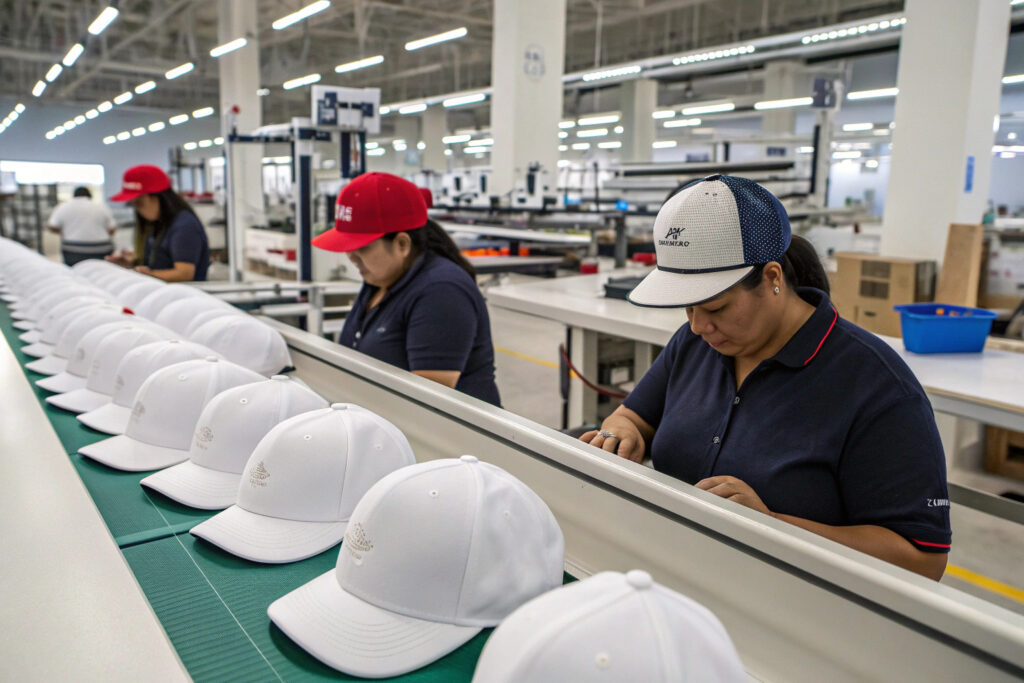
How Does the IMMEX Program Reduce Tariff Costs?
The IMMEX program enables manufacturers to import materials and equipment temporarily without paying general import tax and VAT. This temporary import regime applies to raw materials, components, and machinery used in manufacturing products for export. For hat manufacturers, this means importing fabrics, trims, and manufacturing equipment duty-free, with the requirement that finished hats are exported within designated timeframes. The program significantly reduces upfront costs and improves cash flow compared to traditional import models.
What Supply Chain Advantages Does Mexico Offer?
Mexico's geographic proximity to the United States creates substantial supply chain benefits for headwear companies. Shipping times are reduced from weeks to days compared to Asian sourcing, allowing for faster response to market trends and lower inventory requirements. The North American integration enables just-in-time manufacturing approaches and reduces exposure to international shipping disruptions. At shanghaifumaoclothing, we've helped clients reduce their total supply chain costs by 25-40% through strategic maquiladora partnerships while improving delivery reliability.
How Does USMCA Impact Hat Sourcing Strategies?
The United States-Mexico-Canada Agreement creates specific rules and requirements that hat manufacturers must understand to maximize tariff benefits. Proper compliance with origin requirements is essential for preferential treatment.
USMCA provides tariff-free access for qualifying hats and headwear between member countries when specific rules of origin are met. The agreement requires detailed tracking of material sources and manufacturing processes to establish North American origin. For most textile products, the yarn-forward rule generally applies, meaning the yarn production must occur within USMCA countries, though certain exceptions exist for specific hat categories and materials.
What Documentation Is Required for USMCA Compliance?
Proper documentation is critical for claiming USMCA preferential tariff treatment. Manufacturers must maintain detailed records including certificates of origin, production cost calculations, and material sourcing documentation. The certification process requires importers to possess a valid certificate of origin completed by the exporter, producer, or importer, demonstrating that the hat meets the agreement's rules of origin. This documentation must be maintained for five years and provided to customs authorities upon request.
How Do Regional Value Content Requirements Affect Sourcing?
USMCA includes regional value content requirements that mandate a specific percentage of a product's value originate within member countries. For many textile products, this typically ranges from 55-65% depending on the calculation method used. This requires careful cost tracking and material sourcing strategies to ensure compliance. Hat manufacturers must work closely with maquiladora partners to document and verify regional value content through transparent costing and sourcing practices.
What Are the Operational Requirements for Maquiladora Partnerships?
Successful maquiladora relationships require understanding specific operational structures and compliance obligations. Proper setup and management are essential for maintaining tariff benefits and operational efficiency.
Maquiladora operations must comply with Mexican regulatory requirements including IMMEX registration, specific industry standards, and environmental regulations. Key operational aspects include establishing clear manufacturing service agreements, implementing quality control systems compatible with both Mexican and U.S. standards, and developing inventory management systems that track temporary imports and finished exports. These operational frameworks ensure compliance while maintaining manufacturing efficiency.

What Infrastructure and Logistics Support Is Available?
Mexico's manufacturing regions offer developed infrastructure specifically supporting maquiladora operations. Key industrial regions provide reliable utilities, transportation networks, and logistical support for import/export activities. Many maquiladoras are located near border crossings with dedicated customs facilities that streamline the movement of materials and finished products. This infrastructure reduces transit times and costs while ensuring compliance with cross-border regulatory requirements.
How Does Quality Control Work in Maquiladora Arrangements?
Quality management in maquiladora partnerships requires clear specifications and regular oversight. Successful manufacturers implement comprehensive quality systems that meet both Mexican standards and importer requirements. This typically involves establishing detailed technical specifications, conducting regular facility audits, implementing statistical process control, and maintaining sample approval processes. At shanghaifumaoclothing, we've developed hybrid quality management approaches that combine Mexican manufacturing expertise with international quality standards.
What Cost Structure and Financial Considerations Apply?
Understanding the complete cost picture is essential for evaluating maquiladora sourcing against alternative manufacturing options. While tariff advantages are significant, other cost factors must be considered.
Maquiladora cost structures include manufacturing service fees, material costs, logistics expenses, and compliance-related costs. The financial model typically operates on a maquila fee basis, where the manufacturer charges for transformation services while the client retains ownership of materials. This cost structure provides transparency and control over material costs while leveraging Mexico's competitive labor rates and operational efficiencies.

How Do Labor Costs Compare to Asian Manufacturing?
Mexican manufacturing labor costs are generally higher than basic Asian sourcing but offer advantages in skilled craftsmanship and proximity. While simple sewing operations may cost more than basic Asian production, complex fashion headwear with detailed work can be cost-competitive when considering total landed costs. The skilled workforce in Mexican manufacturing regions provides quality craftsmanship for fashion-forward headwear, often justifying slightly higher labor rates through reduced defects and rework requirements.
What Hidden Costs Should Be Considered?
Beyond direct manufacturing costs, several indirect expenses impact total sourcing costs. These include customs brokerage fees, compliance documentation costs, internal management time, and travel expenses for facility visits. Additionally, companies should factor in currency exchange risks between USD and Mexican pesos, though many maquiladoras quote in U.S. dollars to mitigate this risk. Proper accounting for these factors ensures accurate cost comparisons between sourcing options.
Conclusion
Sourcing tariff-proof hats through Mexico's maquiladora system offers a strategic alternative to traditional Asian manufacturing, particularly for companies targeting the North American market. By leveraging IMMEX benefits, USMCA preferences, and geographic advantages, headwear brands can reduce tariff exposure while maintaining competitive costs and supply chain responsiveness.
If you're considering maquiladora sourcing for your headwear line, our expertise in international manufacturing partnerships can help navigate the complexities. Contact our Business Director Elaine at elaine@fumaoclothing.com to discuss how Mexican manufacturing can optimize your tariff position and supply chain strategy.