
If you're sourcing athletic headwear, you know the unique challenge of finding turbans that meet both cultural requirements and high-performance sport demands. For observant Sikh athletes, a turban is not just an accessory—it's a sacred article of faith that must stay in place and maintain dignity during intense activity. The market for sports turbans that are both respectful and functional is specialized, requiring suppliers who understand the technical needs of moisture-wicking, secure fit, and durability. This guide will navigate the sourcing landscape to connect you with reliable manufacturers.
Successfully sourcing quick-dry Sikh turbans for sports requires identifying specialized manufacturers who combine cultural sensitivity with technical expertise in performance fabrics, often found through targeted B2B platforms, industry networks, and suppliers with verifiable experience in this niche. This involves focusing on key criteria: fabric technology for moisture management, design for secure and comfortable fit, ethical production standards, and the supplier's proven experience with Sikh community clients or culturally appropriate apparel.
The journey from identifying a supplier to receiving a quality product involves several critical steps. We'll break down the process of finding the right manufacturing partner, specifying the correct materials and design, and ensuring a smooth production and logistics cycle.
Where to Find Manufacturers of Performance Sikh Turbans?
Finding a manufacturer for a specialized product like sports turbans requires moving beyond generic headwear suppliers. The niche nature of this product means the most reliable partners often have specific experience or are located within regions that have strong trade links to the Sikh diaspora.
The most direct evidence of a supplier's capability is their transaction history. For instance, trade data shows that companies like Global Sikh Vision, based in England, have a history of importing "turban cloth" and related items from suppliers in India. While this specific buyer's data is from 2022, it highlights an established supply chain from regions like India, which has a significant Sikh population and textile industry, to international markets. This historical data can be a valuable clue. When searching on major B2B platforms like Alibaba, using targeted keywords such as "performance turban fabric," "athletic patka," or "moisture-wicking Sikh headwear" will yield more relevant results than general terms. Look for suppliers who explicitly mention "OEM" or "ODM" services and have profiles that suggest experience with custom technical apparel.

How Can You Verify a Supplier's Experience and Reliability?
Once you identify potential suppliers, due diligence is crucial. Start by reviewing their company profile and transaction history on the B2B platform. A supplier with a history of dealing in technical or custom sportswear is a positive indicator. Always request samples before placing a bulk order. A sample will reveal the fabric's actual hand feel, drying speed, and construction quality. Furthermore, ask for detailed certifications related to fabric performance, such as moisture-wicking tests or OEKO-TEX® standards for safety. Don't hesitate to ask for references or case studies, specifically if they have produced headwear for the Sikh community. A reputable manufacturer like Shanghai Fumao Clothing understands that trust is built on transparency and a proven track record in handling specialized orders.
What Are the Key Regions for Sourcing These Specialized Products?
Your sourcing geography will significantly impact your options. India and Pakistan are primary hubs due to their large textile industries and cultural familiarity with Sikh turbans. Suppliers here may have inherent design understanding. However, China remains a global leader in advanced textile manufacturing and is highly competitive for producing technical fabrics like quick-dry polyester and microfiber blends at scale. Many brands source fabric from one region and have it manufactured in another. For example, a European or American brand might source innovative COOLMAX or antibacterial fabric from a specialized mill and then have it cut and sewn by a manufacturer with specific expertise in turban construction. The choice depends on whether your priority is cultural specificity, advanced fabric technology, or overall cost efficiency.
What Makes a Turban Suitable for High-Intensity Sports?
The core of a sports turban is its fabric. Unlike traditional materials, performance fabrics are engineered to pull sweat away from the skin to the outer surface of the fabric, where it can evaporate rapidly. Common materials include microfiber polyester blends, which are renowned for being super absorbent and quick-drying. For even higher performance, look for fabrics incorporating technologies like COOLMAX or antibacterial treatments with nano-silver, which enhance moisture management and prevent odor during prolonged wear. The construction is equally important. Flatlock seams lie flat against the skin to prevent chafing, while strategic elasticity ensures the turban stays securely in place during dynamic movements like running or jumping without being overly tight. The design must also consider how the fabric behaves when wet—it should not become heavy, sag, or lose its shape, which is crucial for both performance and maintaining a neat appearance.
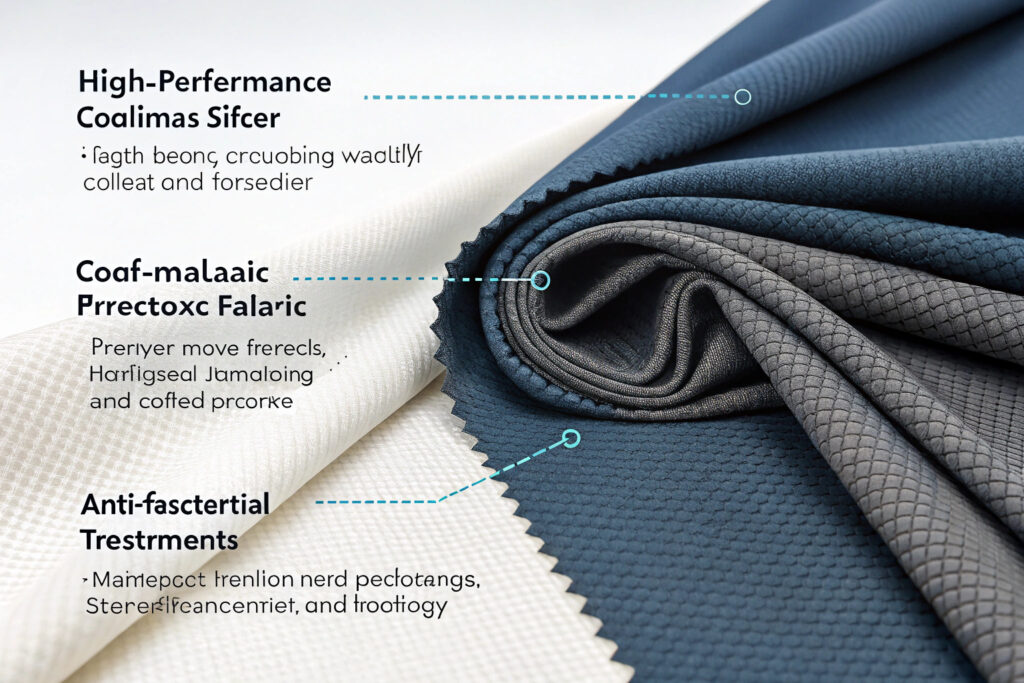
Which Fabrics and Technologies Are Best for Moisture Management?
Not all synthetic fabrics are equal. For the best balance of comfort and function, consider these options:
| Fabric/Technology | Key Benefit | Ideal For |
|---|---|---|
| Microfiber Polyester | High absorbency, very quick dry time. | General sports, gym workouts. |
| COOLMAX Polyester | Enhanced capillary action to move sweat rapidly. | High-intensity, endurance sports. |
| Bamboo Blends | Natural breathability and softness, with good wicking. | Sensitive skin, moderate activity. |
| Antibacterial Treatment | Inhibits odor-causing bacteria, stays fresher. | All sports, especially in warm climates. |
Beyond the base material, the weave and weight of the fabric matter. A lighter, breathable mesh panel in key areas can drastically improve ventilation without compromising coverage or structure.
How Important Are Design and Ethical Production Certifications?
The design must respect cultural traditions while solving athletic problems. This includes pre-formed shapes that simplify tying for athletes, integrated sweatbands, and sizes that accommodate different hair lengths. From an ethical and quality standpoint, certifications are non-negotiable. Look for suppliers whose factories have social compliance audits (like BSCI or Sedex) and whose fabrics have relevant OEKO-TEX® certifications, ensuring they are free from harmful substances. For eco-conscious brands, inquiring about GRS (Global Recycled Standard) certified fabrics made from recycled polyester is also recommended. These certifications are your objective assurance of quality, safety, and ethical standards. Partnering with a manufacturer like Shanghai Fumao Clothing means working with a partner who prioritizes these credentials and can guide you through the selection process to meet both market and moral expectations.
The final stage involves turning a prototype into a delivered product. Clear communication with your manufacturer is paramount. Provide a detailed tech pack with precise measurements, fabric specifications, stitch details, and labeled diagrams. Agree on a Quality Assurance (QA) plan, including inspection points during production and before shipment. For logistics, you must decide on Incoterms—common choices are FOB (Free On Board) or EXW (Ex Works). FOB is often preferred as the supplier handles costs and risks until the goods are loaded on the ship at their port. You must then arrange freight forwarding, marine insurance, and customs clearance at your destination port. Crucially, classify your product under the correct Harmonized System (HS) code. For turban cloth, historical data shows codes like 52083290, but this can vary. An accurate code determines the import duty rate. A significant advantage of sourcing from China is that these goods are typically not subject to additional U.S. Section 301 tariffs, unlike many other apparel items, making your landed cost more predictable and competitive.
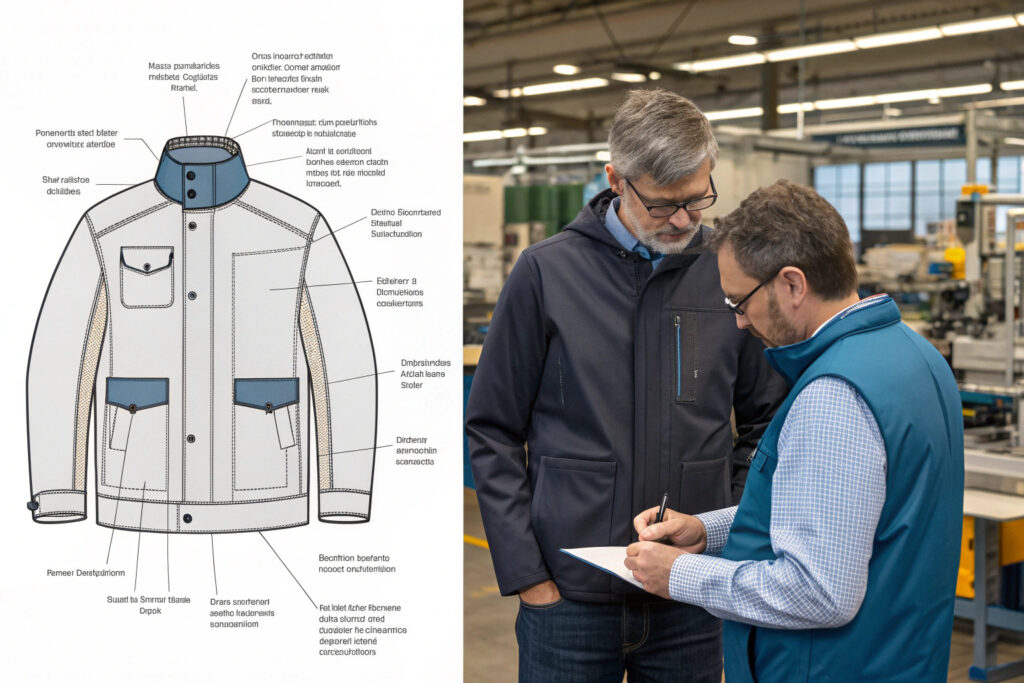
What Are the Critical Steps in the Sampling and Production Process?
Never skip the sampling phase. The process typically follows these steps:
- Prototype Sample: Made with similar fabric to confirm design and fit.
- Pre-Production Sample: Made with the actual production fabric and trims. This is your final approval sample.
- Production Sample: Taken from the first batch off the line to ensure mass production matches the approved sample.
Before production begins, insist on a TOP (Test of Production) report and in-process quality checks. Discuss the manufacturer's defect allowance (AQL level) for final inspection. Understanding this process ensures you are in control and prevents costly mistakes.
How Can You Optimize Logistics and Manage Import Costs?
Choosing the right logistics partner is key. A reliable freight forwarder will handle the complex documentation, including the Bill of Lading, Commercial Invoice, and Packing List. They can also advise on the most cost-effective and timely shipping method (sea vs. air). To manage tariffs, you must consult with a customs broker or use online tools from government trade authorities to confirm the HS code and duty rate for "headwear of textile materials" in your country. Proper classification is essential to avoid delays or penalties. Since these products are generally not affected by the U.S.-China trade war tariffs, your main costs will be standard import duties and logistics fees. Planning this with clarity from the outset, as we do for our clients at Shanghai Fumao Clothing, ensures a smooth journey from the factory floor to your warehouse.
What Are the Best Quick-Dry Fabrics for a Sports Turban?
The ideal fabric for a sports turban must be the opposite of cotton: it must be hydrophobic (water-fearing). It needs to manage moisture, not just absorb it. The best options are drawn from the world of high-performance athletic apparel.
Here are the top material choices:
- Polyester/Spandex Blends: This is the workhorse of modern sportswear.
- Polyester: A synthetic fiber that is strong, durable, and hydrophobic. It absorbs very little water and is excellent at wicking moisture.
- Spandex (Lycra/Elastane): This provides the crucial element of stretch. A 4-way stretch fabric (stretching both crosswise and lengthwise) is essential. This allows the turban to be tied securely and comfortably, conforming to the head's shape without creating pressure points. A blend of around 85-90% polyester and 10-15% spandex is a common and effective ratio.
- Performance Knits: Unlike a woven fabric, a knit fabric is constructed from a single yarn looped together, which gives it inherent mechanical stretch. Modern performance knits often feature micro-perforations or a "body-mapped" design with more open-knit structures in high-sweat zones to maximize airflow and breathability.
- Nylon/Spandex Blends: Nylon is another excellent synthetic option. It is known for having a softer, smoother feel than polyester and is exceptionally durable. It shares the same hydrophobic and moisture-wicking properties, making it a premium choice for performance headwear.
Key Fabric Treatments and Features to Look For:
- Antimicrobial/Anti-Odor Treatment: A treatment (often silver-based) can be applied to the fabric to inhibit the growth of odor-causing bacteria. This is a huge benefit for an item worn during intense exercise.
- UPF Protection: A fabric with a high Ultraviolet Protection Factor (UPF) rating (e.g., UPF 50+) provides an added layer of sun protection.
- Lightweight: The fabric should be a light "gsm" (grams per square meter) to ensure it doesn't feel heavy even before it gets wet.
When sourcing, it's not enough to just ask for "polyester." You must specify these performance characteristics. A knowledgeable manufacturer will be able to source technical fabrics from mills that specialize in athletic textiles and can provide data sheets on their wicking rate, stretch modulus, and any special treatments. This technical approach is a core part of the design and sourcing process.
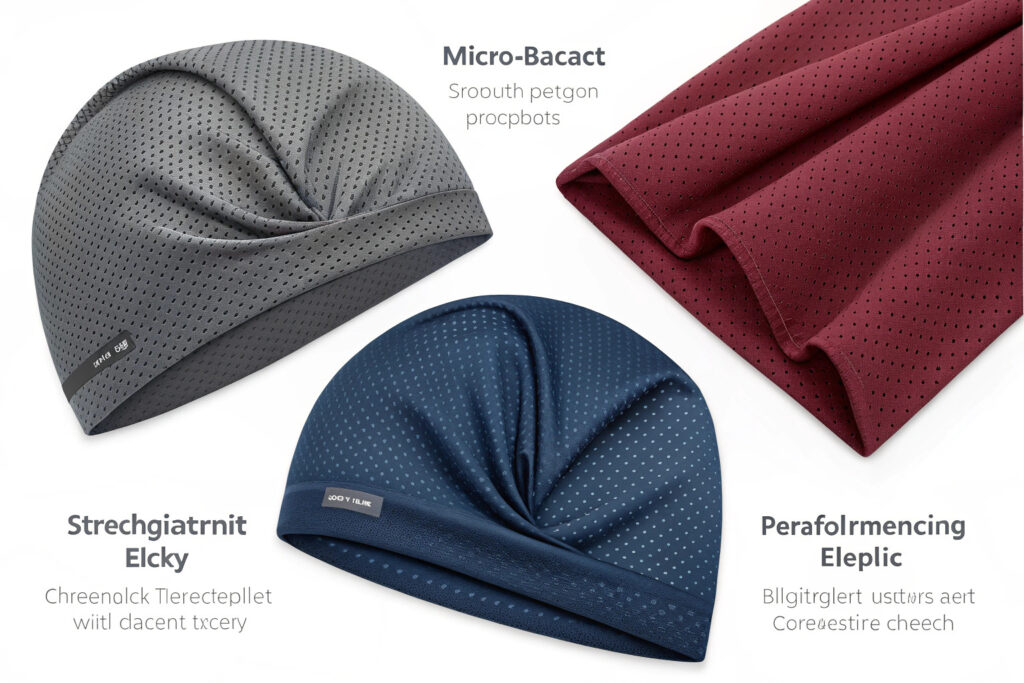
What is the difference between a knit and a woven fabric?
A woven fabric (like traditional cotton voile) is made by interlacing two sets of yarns at right angles, with the warp yarns running lengthwise and the weft yarns crossing them horizontally, creating a grid-like structure that is generally stable and has less stretch.
The tight, perpendicular weave results in a fabric that resists deformation when pulled, maintaining its shape even after repeated use. In contrast, a knit fabric (like a t-shirt) is made by creating a series of interlocking loops from a single yarn, where each loop is formed by looping the yarn over and under itself or another yarn, resulting in a more flexible and elastic structure.
Is spandex the same as Lycra?
Yes. Spandex is the generic name for the fiber, while Lycra® is a brand name for a type of spandex fiber owned by the Lycra Company, a division of Ascend Performance Materials. Similarly, elastane is the term more commonly used in Europe, reflecting regional variations in terminology for the same class of highly elastic synthetic fibers.
These fibers are renowned for their exceptional stretch and recovery properties, capable of stretching up to 500% of their original length and quickly returning to their initial shape when released. They are composed of long chains of polyurethane, which give them their unique elasticity, and are often blended with other fibers like cotton, polyester, or nylon to enhance comfort, durability, and functionality in a wide range of textile products.
Conclusion
Sourcing quick-dry Sikh turbans for sports is a specialized endeavor that blends cultural respect with technical apparel sourcing. The path involves targeting manufacturers with relevant expertise, specifying advanced moisture-wicking fabrics and thoughtful designs, and meticulously managing the production and logistics chain. Success lies in partnering with a supplier who values this specificity as much as you do - like us at Shanghai Fumao Clothing.
For buyers, importers, and brands looking to develop this specialized product with a partner that understands both the cultural significance and the performance requirements, we invite you to discuss your project. To explore how we can bring your vision for high-performance Sikh sports turbans to life, please contact our Business Director, Elaine, at elaine@fumaoclothing.com.