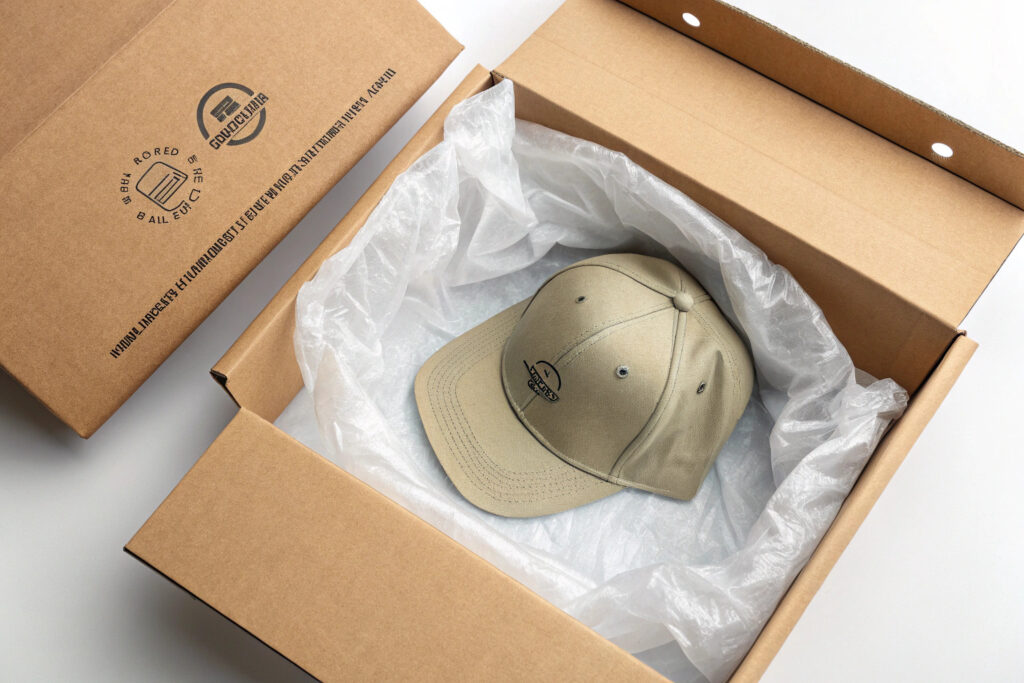
As a conscientious brand owner, you're proud of the hats you create. But then you look at your packaging—the poly bags, the plastic mailers, the bubble wrap—and you feel a disconnect. You know that much of this single-use plastic ends up polluting our environment, with a devastating amount finding its way into our oceans. You're determined to find a better way, but the world of sustainable packaging seems complex and overwhelming.
The key to sourcing ocean plastic-free hat packaging is to adopt a multi-layered strategy focused on certified, paper-based materials and innovative bioplastics. This involves replacing individual poly bags with glassine paper bags, swapping plastic mailers for rigid paper mailers, and using paper-based void fill instead of bubble wrap. Sourcing these materials requires partnering with specialized eco-packaging suppliers who can provide certified, recycled, and commercially compostable options.
For over two decades at my company, Shanghai Fumao Clothing, we've not only focused on the product but also on its journey to the customer. The "unboxing experience" is the first physical interaction a customer has with your brand, and today, that experience is judged as much on its sustainability as its aesthetics. Moving away from ocean-bound plastic isn't just an ethical choice; it's a powerful brand statement. Let's break down the practical steps to make your packaging as clean as the oceans you want to protect.
How Do You Replace the Individual Poly Bag?
The clear plastic bag (poly bag) used to protect each individual hat is often the biggest single-use plastic offender in apparel shipping. It's seen as necessary to protect against dust, moisture, and scuffing during warehousing and transit. So, what's the alternative?
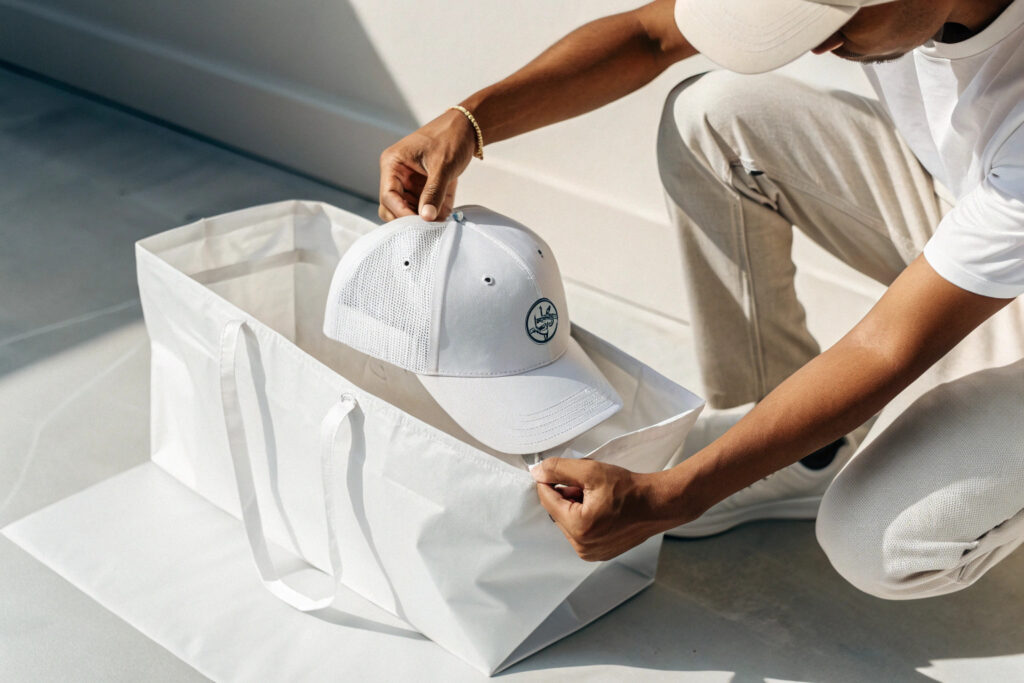
The ideal replacement is the glassine paper bag. Glassine is a smooth, glossy paper that is air, water, and grease resistant. It's translucent, allowing warehouse staff to identify the product inside, and it provides excellent protection against dust and handling. Most importantly, it's 100% paper-based, making it naturally biodegradable, compostable, and easily recyclable in the paper stream.
What Is Glassine and Why Is It Eco-Friendly?
Glassine is made from wood pulp, the same as regular paper. The magic happens during a manufacturing process called "supercalendering." After the paper is formed, it's passed through high-pressure rollers, which make the paper fibers flatten and align in the same direction. This process is what gives glassine its smoothness, translucency, and protective properties without the need for any plastic coatings or waxes. Because it's pure paper, it breaks down naturally. When sourcing, look for suppliers who offer glassine made from FSC (Forest Stewardship Council) certified pulp, which guarantees the wood is sourced from responsibly managed forests.
Are There Other Plastic-Free Bag Options?
Yes. Another excellent option is a bag made from PLA (Polylactic Acid). PLA is a bioplastic derived from renewable resources like corn starch or sugarcane. It looks and feels almost identical to a traditional poly bag but is certified commercially compostable. This means it will break down into natural elements in an industrial composting facility. The key here is communication: you must print on the bag that it is "Commercially Compostable" so the customer knows not to put it in their regular recycling bin. This is a great option if you feel the full transparency of a plastic-like bag is essential for your operations.
What Is the Best Alternative to Plastic Mailers?
The next layer of plastic to tackle is the outer shipping bag, which is typically a grey or white polyethylene mailer. These are lightweight and water-resistant but are a major source of plastic pollution.
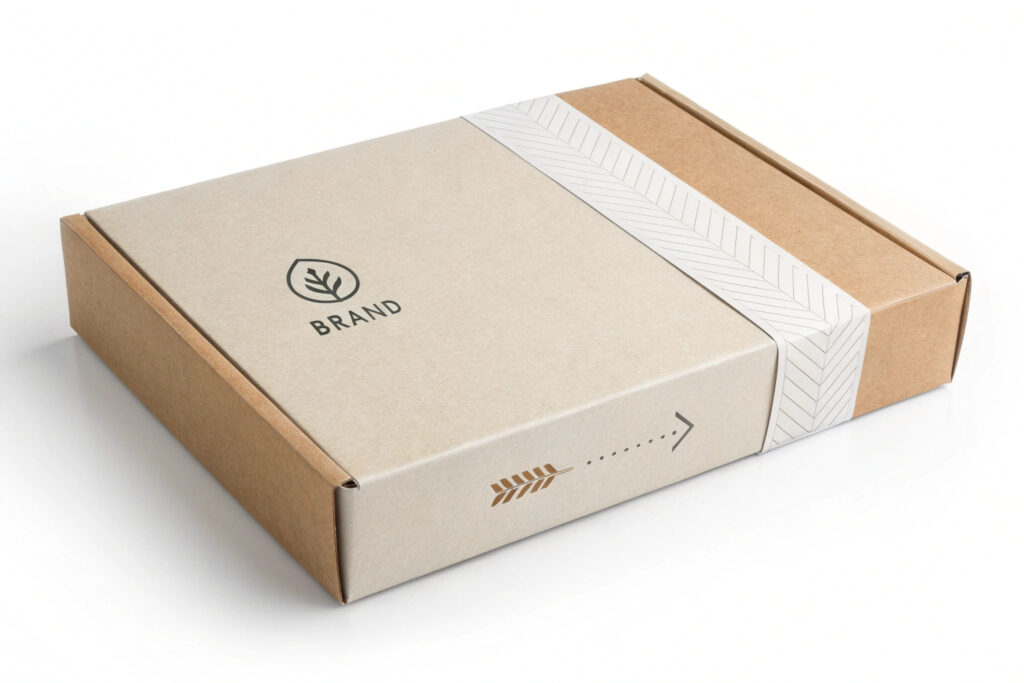
The best and most popular alternative is the rigid paperboard or cardboard mailer. These are essentially slim, custom-sized boxes that are designed to be sturdy enough to ship without needing an additional outer bag. They offer far superior protection against crushing than a flimsy plastic mailer, ensuring your hat arrives in perfect condition. They are also easily recyclable by the end customer in their household recycling.
How Do Paper Mailers Provide Protection?
Rigid mailers are made from corrugated cardboard or thick paperboard (like a cereal box, but stronger). The corrugated structure, with its internal "fluting" or wave pattern, creates a built-in cushion that absorbs impacts and resists crushing. This is a level of physical protection that a plastic bag simply cannot offer. When you ship a structured hat like a baseball cap or a fedora, this rigidity is crucial for preserving its shape.
What Features Should You Look For?
When sourcing paper mailers, look for a few key features. First, ensure they are made from a high percentage of recycled content. Many suppliers offer mailers with 90% or more post-consumer recycled content. Second, look for a self-sealing adhesive strip. This eliminates the need for plastic packing tape, making the entire package more sustainable and easier for your fulfillment team to use. Finally, consider adding a tear-strip for easy opening, which enhances the customer's unboxing experience.
How Do You Replace Plastic-Based Void Fill?
Sometimes, there's extra space in a box that needs to be filled to prevent the product from rattling around. The traditional solutions are plastic air pillows or bubble wrap, both of which are terrible for the oceans.
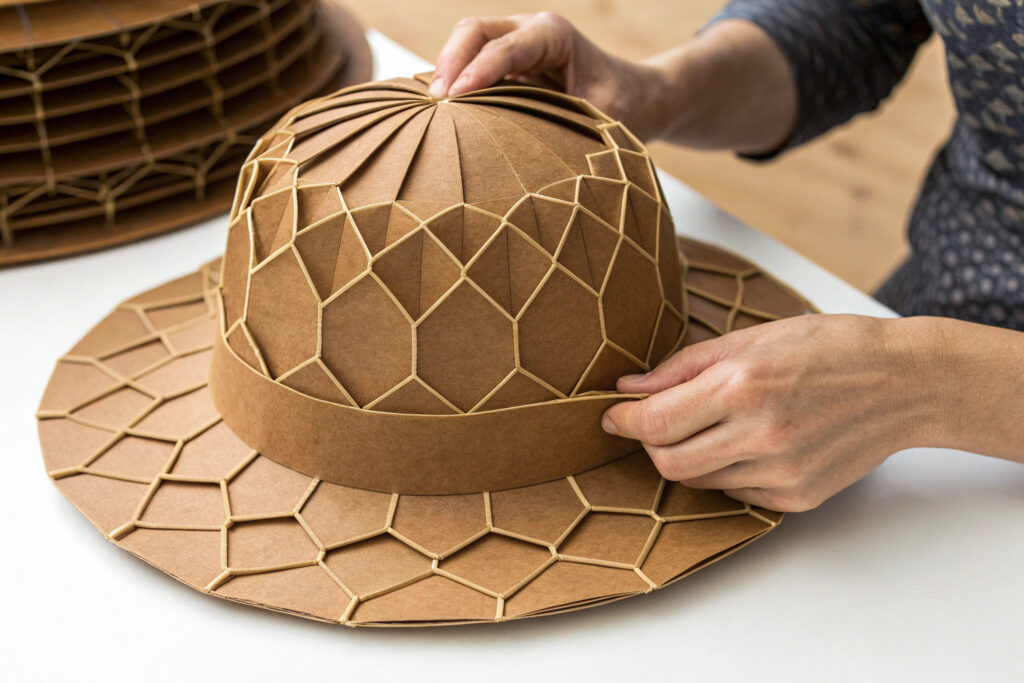
The most innovative and elegant solution is expandable honeycomb paper wrap. This paper comes on a roll and has a unique die-cut pattern. When you stretch it, it expands into a 3D honeycomb structure that provides excellent cushioning, similar to bubble wrap. It's made from paper, so it's 100% recyclable and compostable. It also looks incredibly premium and interesting, significantly upgrading the unboxing experience.
What Are Other Paper-Based Void Fill Options?
Besides honeycomb wrap, there are other great plastic-free options. Crinkled kraft paper, often called "crinkle cut," is a simple and effective void fill that can be sourced with high recycled content. Another option is custom-printed tissue paper. You can wrap your hat in branded tissue paper, which serves the dual purpose of protecting the product and reinforcing your brand identity. While it offers less cushioning than honeycomb wrap, it's a very stylish choice for smaller voids.
What About Packing Tape and Shipping Labels?
Don't forget the small details! Standard packing tape is made from polypropylene (a type of plastic). Switch to water-activated paper tape, also known as gummed tape. It's made from paper with a natural adhesive that becomes sticky when wet. It forms a powerful, tamper-evident bond with the cardboard box and is fully recyclable along with the box. For shipping labels, look for suppliers who offer recyclable labels with a recycle-compatible adhesive, ensuring the entire package can be recycled without issue.
Where Do You Source These Eco-Friendly Materials?
Now that you know what to look for, where do you find it? Sourcing sustainable packaging requires partnering with suppliers who specialize in this area.
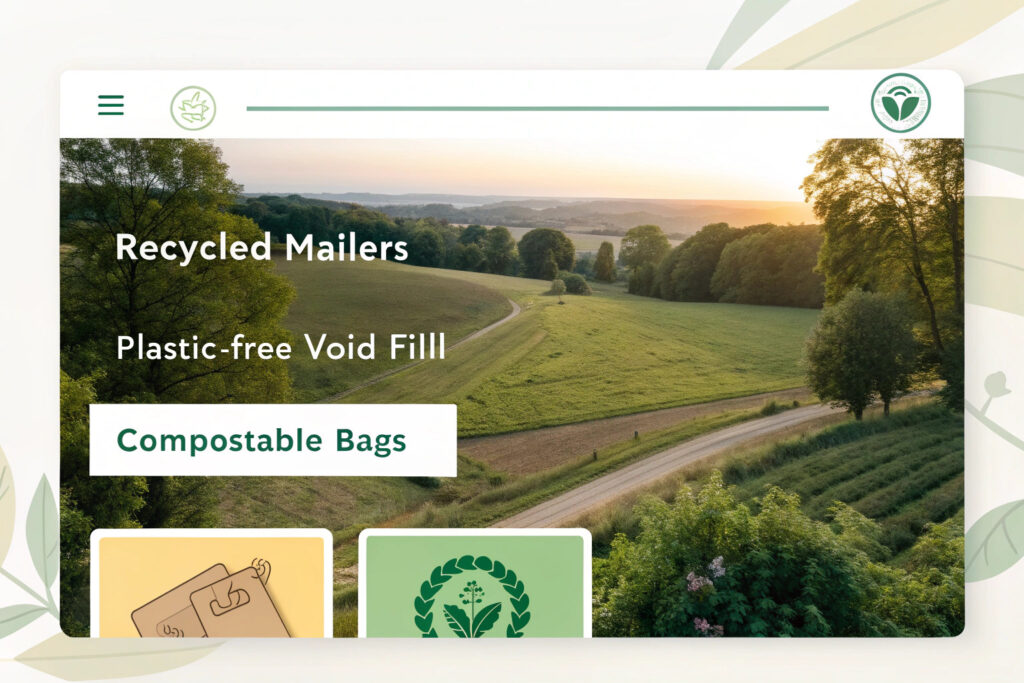
Your search should focus on eco-packaging specialists who can provide a full suite of plastic-free solutions. These companies have already vetted the materials and can provide the necessary certifications to back up their environmental claims. Companies like EcoEnclose, Noissue, and Better Packaging Co. are leaders in this space, offering a wide range of stock and custom options for businesses of all sizes.
What Certifications Should You Ask For?
When talking to a supplier, ask for proof of their claims. For paper products, ask if they are FSC Certified and what percentage of Post-Consumer Recycled (PCR) content they contain. For bioplastics like PLA, ask for a Commercial Composting Certification (e.g., from BPI - the Biodegradable Products Institute). A reputable supplier will be transparent and proud to share their certifications. This is a key part of avoiding "greenwashing."
Should You Start with Stock or Custom Packaging?
Many eco-packaging suppliers offer both. Stock packaging is a great way to get started. You can order small quantities of unbranded mailers and bags to test them out and transition away from plastic quickly. Once you are confident in the materials and have a better idea of your volume, you can move to custom packaging. This allows you to print your own logo and branding on the mailers and tissue paper, creating a fully customized, sustainable unboxing experience that will delight your customers.
Conclusion
Transitioning to ocean plastic-free packaging is one of the most impactful and visible sustainability commitments your hat brand can make. By systematically replacing plastic components—poly bags with glassine, plastic mailers with paperboard, and bubble wrap with paper-based cushioning—you can create a packaging solution that is both protective and environmentally responsible. The key is to partner with specialized eco-packaging suppliers who can provide certified, recycled, and innovative materials. This thoughtful approach not only helps protect our oceans but also tells a powerful story about your brand's values, turning every shipment into a statement of your commitment to a cleaner planet.
If you are looking for a manufacturing partner who shares these values and can help you align your product and packaging with your sustainability goals, my team is here to help. We can guide you in sourcing and integrating eco-friendly solutions into your supply chain. Please contact our Business Director, Elaine, at elaine@fumaoclothing.com to learn more.