Sourcing NATO-standard military peaked caps is a complex process that goes far beyond standard apparel manufacturing. It involves navigating a highly specialized ecosystem of certified suppliers, understanding rigorous military specifications, and often participating in formal government procurement. Whether you are a procurement officer for a defense ministry or a business looking to supply these items, success depends on mastering the official sourcing channels and compliance requirements.
To source NATO-standard peaked caps, you must identify suppliers with official NATO codification (NCAGE/NSN), engage with manufacturers holding key defense industry certifications (like AQAP 2110), and participate in government-led public tenders. Building relationships with established defense apparel manufacturers within the NATO supply network is crucial.
This guide will walk you through the practical steps, key certifications, and direct supplier contacts to navigate this specialized market effectively.
What Are the Official Channels for Finding NATO-Certified Suppliers?
The NATO supply chain is a structured, codified system. Access is granted through official registries and procurement platforms, not conventional B2B directories.
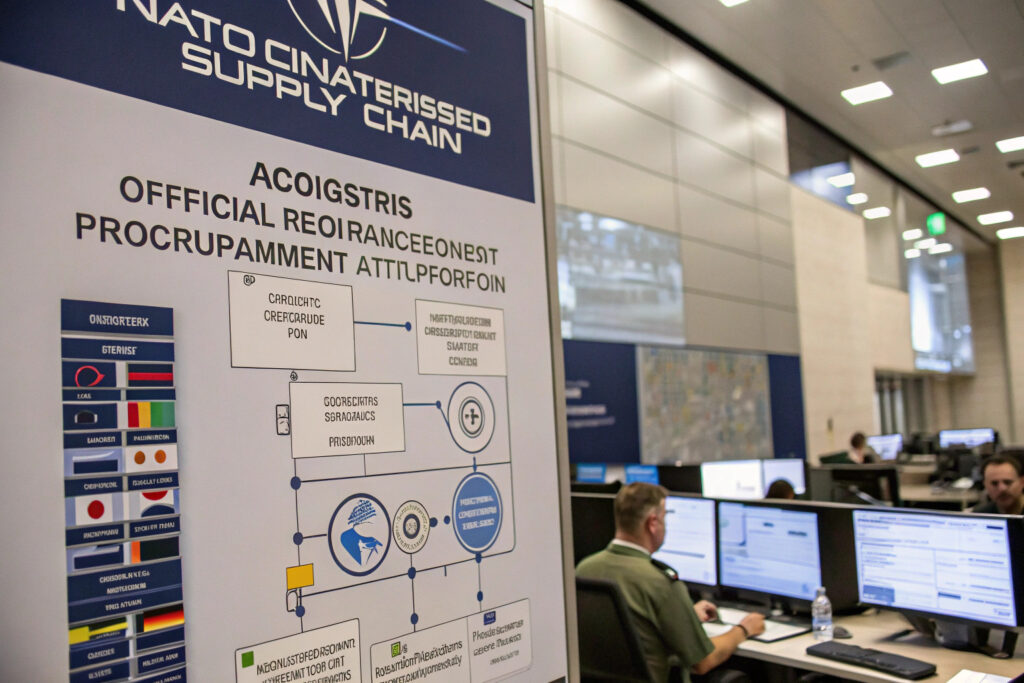
How does the NATO Codification System (NCAGE/NSN) work?
The foundational requirement for any supplier is to obtain a NATO Commercial and Government Entity (NCAGE) code. This unique five-character identifier is mandatory for any entity doing business with NATO or member nations' defense departments. Once a company has an NCAGE code, its specific items (like a model of peaked cap) can be assigned a NATO Stock Number (NSN). This 13-digit code standardizes the item across all member nations' logistics systems. Products with an NSN are listed in the NATO Master Catalogue of References for Logistics (NMCRL), which is the primary database used by defense procurement officers worldwide. Therefore, your first step should be to identify manufacturers who advertise their NCAGE status and have NSNs for their products.
Where do governments publish their tenders for this equipment?
NATO-standard peaked caps are predominantly purchased by national defense ministries through public tenders. Suppliers must monitor official government procurement portals. For example, the product listings for "FS Caps" often demonstrate this process, showing detailed military specifications and large minimum order quantities (e.g., 500 units). Major defense exhibitions like the Future Forces Forum are also critical hubs. These events connect NATO militaries with certified manufacturers, such as C.P.E. Production Oy, which supplies ballistic equipment to NATO forces. Attending or researching exhibitors at such events is a key strategy for market entry.
What Are the Essential Certifications and Standards for Manufacturers?
Suppliers in this field are distinguished by a set of rigorous quality and management system certifications that go far beyond typical industry norms.

Which quality management standard is specific to NATO?
The most important certification is AQAP 2110 (Allied Quality Assurance Publication). This is NATO's own standard for quality management systems in design, development, and production. It is more stringent than common commercial standards like ISO 9001. A manufacturer certified to AQAP 2110 has demonstrated processes that meet NATO's exacting requirements for traceability, documentation, and reliability. Any credible supplier for NATO-standard items should hold this certification or be actively working towards it.
What other credentials should a reliable manufacturer have?
Beyond AQAP 2110, a comprehensive supplier profile should include:
- ISO 9001 (Quality Management) and ISO 14001 (Environmental Management): These are considered baseline requirements.
- In-House Testing Capability: The ability to conduct fabric and product tests in an ISO 17025 accredited laboratory is a significant advantage, ensuring control over material quality.
- Authorization for Military/Dual-Use Products: Official government authorization to produce and trade military items is essential.
- Proven Government Supply History: A track record of supplying national ministries of defense, police, or other government agencies is a strong indicator of capability and reliability.
How to Evaluate and Engage with Potential Cap Manufacturers?
Once you have identified potential suppliers through official channels, a thorough due diligence process is required to assess their true capability to deliver NATO-standard products.

What should you look for in a manufacturer's capability statement?
Scrutinize their portfolio for direct evidence of military-grade production. This includes:
- Explicit mention of "peaked caps" or "officers' caps" in their product list for ceremonial or service uniforms.
- Detailed pre-production services like pattern making (CAD Gemini), grading, and sampling according to technical drawings.
- A full range of production services including cutting, sewing, special stitching, embroidery, and strict multi-stage quality control (AQL inspection).
- Modern manufacturing infrastructure, such as laser cutting devices and automated presses, which ensure precision and consistency.
What are the right questions to ask during engagement?
When contacting a potential supplier, your inquiries should be precise:
- "Can you provide your company's NCAGE code and examples of NSNs for your headwear products?"
- "Are you certified to AQAP 2110, and can you share the certificate?"
- "Do you have in-house pattern-making and sampling capabilities for custom peaked caps based on supplied technical drawings?"
- "What is your documented quality control process, and do you conduct AQL inspections?"
- "Can you provide references or case studies from previous contracts with national defense departments?"
What Are the Practical Steps and Considerations for Your First Order?
Transitioning from evaluation to a successful first order requires careful planning and an understanding of the procurement landscape.

How should you approach a pilot project or first tender?
Given the high minimum order quantities typical in government contracts (MOQs of 500+ are common), a new supplier relationship might start with a subcontracting role. A viable growth strategy is to become a "trustworthy subcontractor for companies looking to run their production in another EU member state". This allows you to demonstrate capability on a segment of a larger order. Alternatively, partner with an established manufacturer to jointly bid on a public tender, leveraging their NCAGE/NSN and your production capacity. For manufacturers exploring such partnerships, evaluating a partner's capability in delivering precision work, like gender-neutral beanies with universal fit, can indicate a foundational attention to detail necessary for military specifications.
What are the key logistical and commercial factors?
Be prepared for a lengthy and documentation-heavy process. Contracts will be governed by public procurement rules, not standard commercial terms. You must factor in costs for comprehensive testing and certification to meet the exacting material specifications (like the JSS 8405 standard for fabric blend, weight, and construction). Furthermore, understand the VAT and customs procedures for "CAP goods" (Goods for the use of NATO visiting forces), which have specific clearance requirements, such as the use of NATO 302 forms. A strong logistics partner experienced in complex export procedures is invaluable here.Learn more shanghaifumaoclothing.
Conclusion
Sourcing NATO-standard military peaked caps requires a methodical approach focused on official military procurement systems and certified partners. Success hinges on targeting suppliers with valid NATO codification (NCAGE/NSN), critical certifications like AQAP 2110, and proven experience in fulfilling government defense contracts. By engaging with manufacturers through the correct channels—public tenders and defense exhibitions—and conducting rigorous due diligence on their capabilities, you can secure a position within this specialized and demanding supply chain.
For businesses requiring a manufacturing partner with the technical expertise and quality systems to meet such high standards for specialized headwear and uniforms, we are equipped to support complex, specification-driven projects. If you are looking to develop technical apparel that meets rigorous standards, our experience with specialized headwear, such as high-performance foldable safari hats, demonstrates a commitment to functional, durable design. To discuss how we can collaborate on meeting stringent military or institutional requirements, please contact our Business Director Elaine at elaine@fumaoclothing.com.