Sourcing hats for hospitals is very different from sourcing for retail. A simple color or logo mistake might be just annoying in retail, but the wrong material in a hospital setting can delay critical scans, create safety hazards, or distort medical images. If you're a hospital buyer, procurement officer, or a supplier looking to enter the healthcare market, you know that "MRI-safe" isn't just a buzzword—it's a strict, non-negotiable requirement. The stakes are patient safety and diagnostic accuracy.
Sourcing MRI-safe caps for hospital use requires a methodical approach focused on three pillars: material compliance (using proven, non-metallic, non-magnetic materials), functional design (prioritizing safety, hygiene, and staff needs over fashion), and documentation (obtaining and verifying official safety certifications and test reports for every component). Unlike fashion caps, these are regulated medical accessories where the burden of proof for safety is on the supplier. Successfully navigating this process means partnering with specialized manufacturers who understand the stringent demands of the MRI environment, which is governed by powerful magnetic fields that pose unique risks.
Understanding these core principles is essential for any business looking to supply this high-stakes, high-value niche market. It’s a field where supply chain reliability is directly linked to patient care.
What are the essential criteria for an MRI-Safe hospital cap?
The criteria extend far beyond just "no metal." An MRI-safe hospital cap must be designed to be completely passive and non-interfering in a high-magnetic-field environment. The primary goal is to eliminate any risk of the cap becoming a projectile, heating up, or creating artifacts (distortions) on the MRI images. These functional demands dictate every aspect of the product, from the thread used in stitching to the type of ink in any branding.
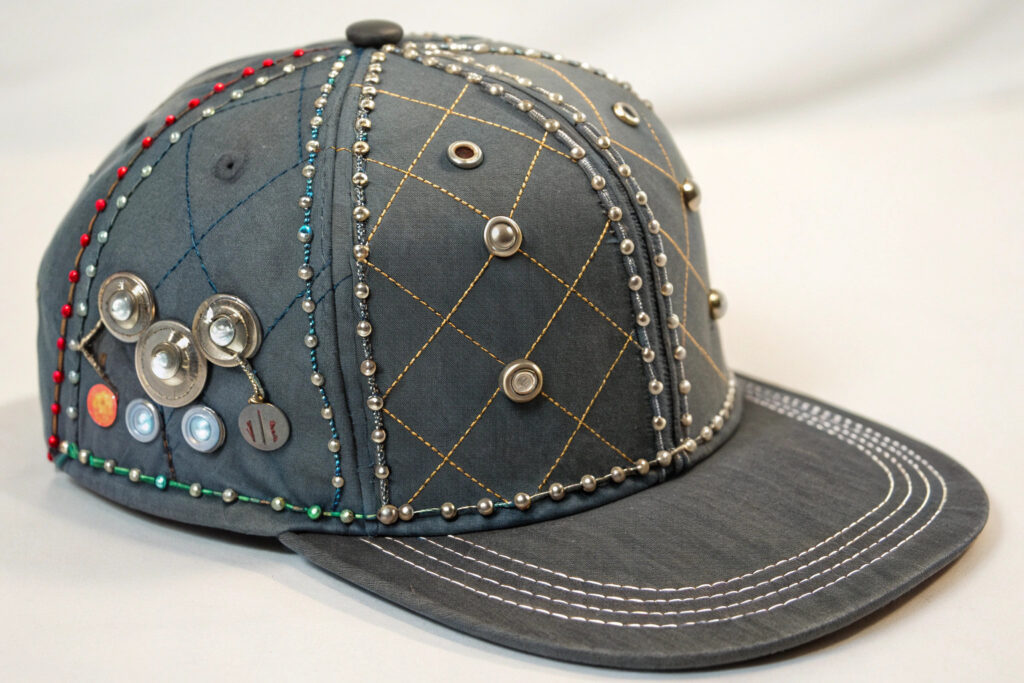
In essence, the cap must be magnetically inert. This means every single component must be made from materials that are not attracted to magnets and do not contain ferromagnetic metals (like iron, nickel, cobalt). Common culprits in ordinary hats include metal snaps, grommets, underwires in visors, decorative beads, and even certain metallic-based dyes or prints. Furthermore, the materials should be radiolucent (transparent to X-rays and MRIs) to avoid casting shadows or interfering with imaging, a property highlighted by manufacturers of specialized medical foams.
What materials are definitively safe for the MRI environment?
Truly MRI-safe materials are those with no magnetic susceptibility. Key categories include:
- Pure Textiles: 100% cotton, polyester, nylon, and other synthetic fabrics are generally safe, provided their production involves no metallic contaminants.
- Specialized Medical Foams: Closed-cell foams, such as Plastazote® or Evazote®, are explicitly noted for their radiolucency, making them ideal for MRI and CT applications where they ensure patient comfort without affecting image clarity[citation:3]. These materials are also prized for being non-toxic, hypoallergenic, and easy to clean.
- Plastics and Polymers: Components like plastic buckles, acrylic visors, and plastic snap closures are acceptable. Silicone is another excellent choice for non-slip headbands.
- Safe Alternatives: For adjustments, use plastic side-snap closures or hook-and-loop (Velcro) fasteners with no metal content. For structure, use plastic boning instead of metal wire.
What are the absolute material and design deal-breakers?
Any hint of ferromagnetic material is an instant disqualification. Critical red flags include:
- Metallic Hardware: Metal snaps, grommets, zippers, buttons, or clips.
- Magnetic Closures: Even small magnets used in some "easy-adjust" systems are extremely dangerous projectiles.
- Unverified Composites: Materials with unknown or unverified fillers. For instance, some "radiation protection" caps contain lead or other heavy metals, which are completely unsuitable and hazardous in an MRI[citation:6].
- Conductive Materials: Materials that could potentially conduct electricity or heat up under radiofrequency energy.
How do you verify and certify MRI safety compliance?
Verification is a multi-step process of gathering objective evidence; you cannot rely on a supplier's verbal assurance. Compliance must be demonstrable through standardized testing and clear documentation. The responsibility for ensuring this rests with both the manufacturer and the sourcing agent or hospital buyer. In the regulated medical field, documentation is as important as the physical product.
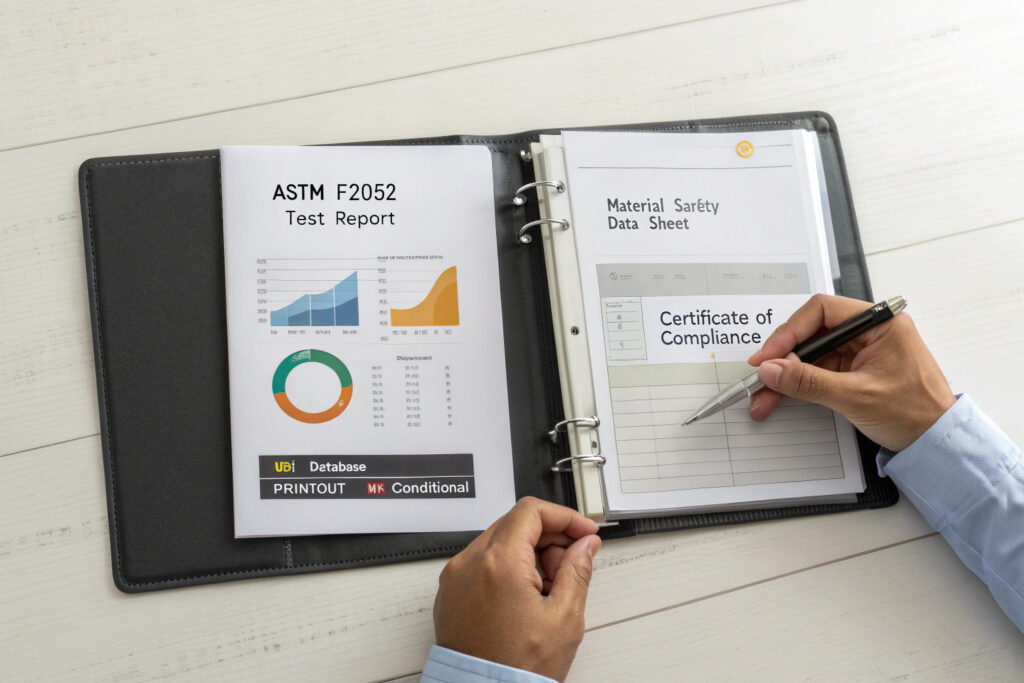
The gold standard for verification is testing according to recognized international standards, such as ASTM F2052 (for magnetically induced displacement force) and ASTM F2119 (for MR image artifact assessment). A reputable manufacturer will have these test reports readily available for their materials and finished products. Furthermore, for any device intended for use in the MRI environment, proper labeling is crucial. The FDA's Unique Device Identification (UDI) database can sometimes indicate a device's MR status, such as listing it as "MR Conditional", although specific headwear may not always be listed.
What specific documents should a supplier provide?
When evaluating a supplier, you must request and audit the following documentation:
- Material Test Reports: Official lab reports proving the magnetic susceptibility and radiofrequency heating tests of all fabrics, threads, and components.
- Finished Product Test Certificate: A certificate stating the final assembled cap has been tested and meets ASTM F2052 and ASTM F2119 criteria for being "MR Safe" or "MR Conditional."
- Material Safety Data Sheets (MSDS) / Biocompatibility Reports: Evidence that materials are non-toxic and safe for prolonged skin contact, supporting compliance with standards like ISO 10993.
- Certificate of Conformity (CoC): A document from the manufacturer attesting that the product conforms to all relevant standards and specifications.
How can you perform your own practical due diligence?
Beyond paperwork, practical checks are essential:
- Use a Strong Magnet: Before any formal testing, use a powerful neodymium magnet. Pass it over every part of a sample cap—fabric layers, seams, closures, labels. Any attraction is an immediate failure.
- Review Labeling: Check the product label and packaging. Legitimate MRI-safe products will often be clearly marked as such, specifying the conditions of safe use (e.g., "Safe for use in static magnetic fields up to 3 Tesla").
- Audit the Supply Chain: Inquire about the supplier's own component sources. A professional manufacturer will have control and documentation for their entire supply chain to prevent contamination.
What are the key functional and design needs for hospital staff caps?
While safety is paramount, the cap must also fulfill its practical role for healthcare workers. Hospital staff wear caps for hours on end in high-stress environments, so design directly impacts wearability, hygiene, and compliance. A poorly designed cap, even if safe, will not be adopted by staff. The design must solve problems, not create them.
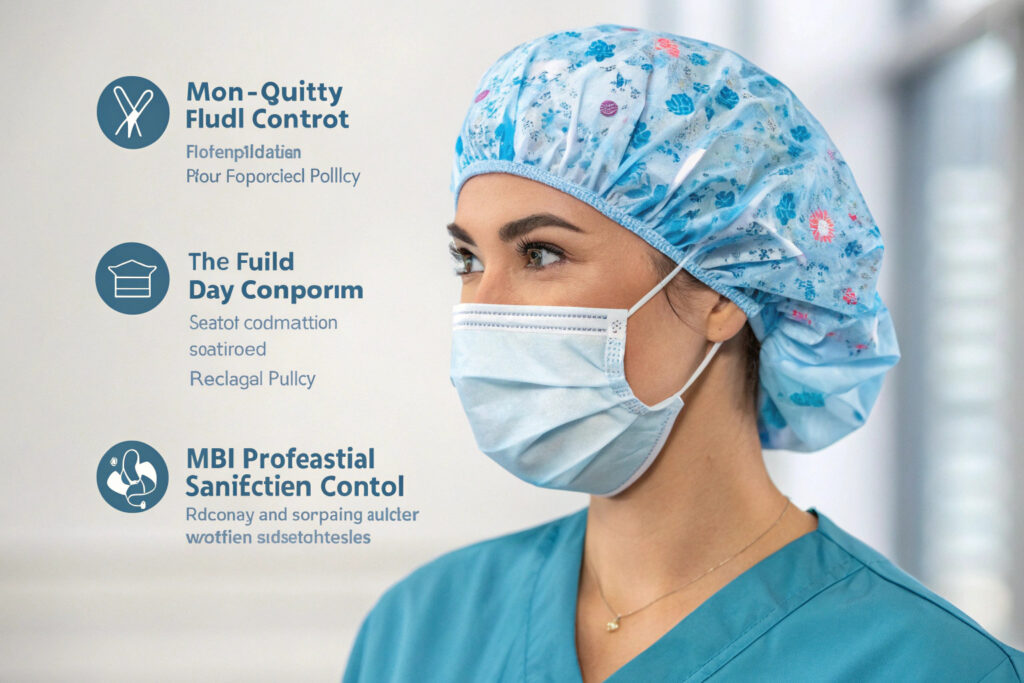
Key needs include infection control (using fluid-resistant or easily sanitized materials), all-day comfort (lightweight, breathable, non-irritating), and professional appearance (meeting hospital uniform policy). The cap should also consider specific roles; a cap for a surgeon in an OR may need to be bouffant-style to fully contain hair, while a cap for an MRI technologist might prioritize close fit to avoid loose fabric.
How does design support hygiene and comfort in a clinical setting?
| Design Feature | Hygiene & Comfort Benefit | Material Example |
|---|---|---|
| Moisture-Wicking Fabric | Draws sweat away from the skin, keeping staff cool and dry during long shifts. | High-performance polyester blends. |
| Fluid-Resistant Outer Layer | Provides a barrier against accidental splashes of blood or bodily fluids. | Tightly woven nylon with a fluoropolymer coating. |
| Seamless or Flat-Lock Stitching | Reduces friction points and skin irritation. Easier to clean as there are no crevices for debris. | Seamless knitting or serged edges. |
| Breathable Mesh Panels | Enhances air circulation, reducing heat buildup. | Polyester mesh. |
| Stretch Fit or Soft Adjustability | Eliminates pressure points and accommodates different head sizes and hairstyles comfortably. | Elastic bands or soft, non-metallic hook-and-loop fasteners. |
What are the procurement considerations beyond the product itself?
Sourcing is also about the supplier's reliability and service:
- Regulatory Support: The best suppliers provide documentation to help you meet MDR (EU) and FDA regulatory requirements.
- Customization Capability: Hospitals may need caps in specific colors, with embroidered department logos (using MRI-safe thread), or in unique sizes.
- Consistency and Scalability: The supplier must guarantee that every batch is identical in safety and quality, with the capacity to fulfill large, repeat orders reliably.
Where can you find reliable manufacturers of MRI-safe caps?
Finding true specialists requires targeted searching. General hat manufacturers or even standard medical uniform companies often lack the specific expertise and testing protocols for the MRI environment. The market is niche, so suppliers are fewer but more specialized.
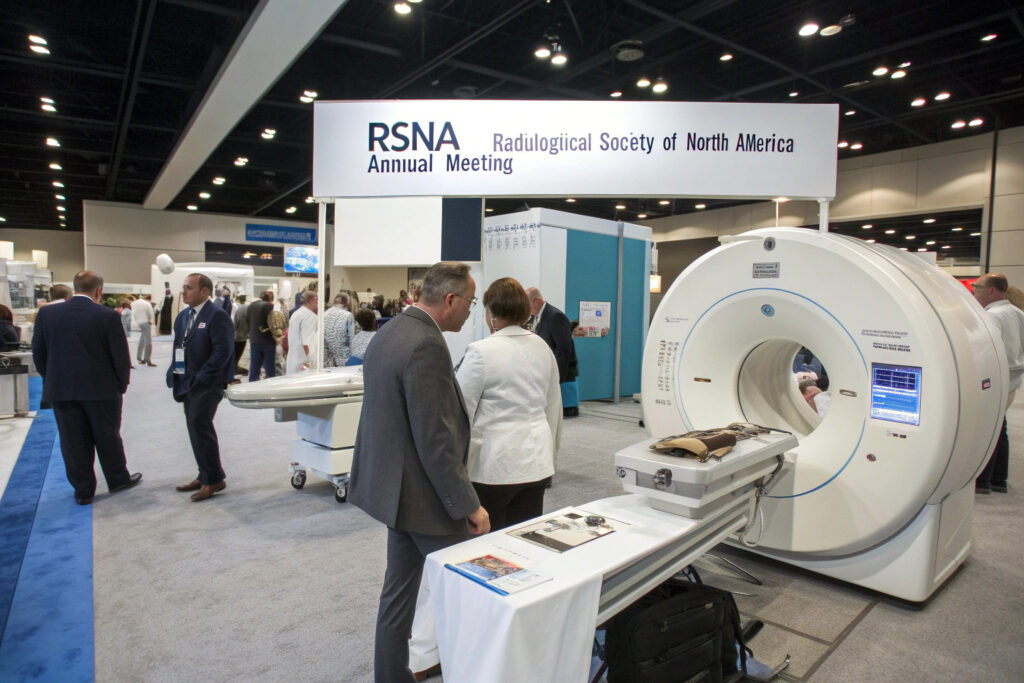
Start by looking for companies that explicitly market to the medical imaging or radiology sector. Attend major healthcare and radiology trade shows, such as the Radiological Society of North America (RSNA) Annual Meeting, where companies specializing in MRI-compatible devices exhibit. Furthermore, explore B2B platforms that focus on medical devices and supplies rather than general apparel. You can also investigate companies that produce other MRI-safe products (like positioning devices r IV pumps), as they may have leads or partnerships with textile specialists.
What are the signs of a credible and capable manufacturer?
A trustworthy manufacturer will:
- Lead with Safety: Their marketing and communication focus on compliance, testing, and safety features, not just aesthetics or low cost.
- Have a Transparent Process: They willingly share test reports, detail their material sources, and explain their quality control checks.
- Offer Expert Guidance: They ask informed questions about your intended use (e.g., field strength of the MRI scanner) and can advise on design choices.
- Hold Relevant Certifications: Their manufacturing facility may have ISO 13485 certification, which is specific to medical devices.
Why is direct engagement and sampling critical?
Never finalize an order based on a catalog alone.
- Request Comprehensive Samples: Ask for production-ready samples of the exact specification you intend to order.
- Conduct Your Own Tests: Perform the magnet test and, if possible, arrange for a test in a decommissioned or low-use MRI scanner to check for artifacts.
- Evaluate Quality: Assess the stitching durability, comfort, and overall craftsmanship of the sample.
- Validate Documentation: Ensure the sample batch's test certificates are provided and match the materials used.
Conclusion
Sourcing MRI-safe caps for hospital use is a detailed process that prioritizes unwavering safety standards, rigorous verification, and practical, human-centered design. It moves far beyond basic procurement into the realm of medical device sourcing, where every material choice must be defensible with scientific evidence. The right supplier acts not as a simple vendor, but as a knowledgeable partner in risk mitigation, ensuring that a simple accessory never compromises patient safety, staff well-being, or diagnostic integrity.
If your business is looking to develop or source certified, high-performance MRI-safe caps that meet the exacting standards of modern healthcare, our expertise in specialized medical textiles is at your service. For a partnership built on safety, compliance, and reliable execution, contact our Business Director Elaine to discuss your specific requirements at elaine@fumaoclothing.com.