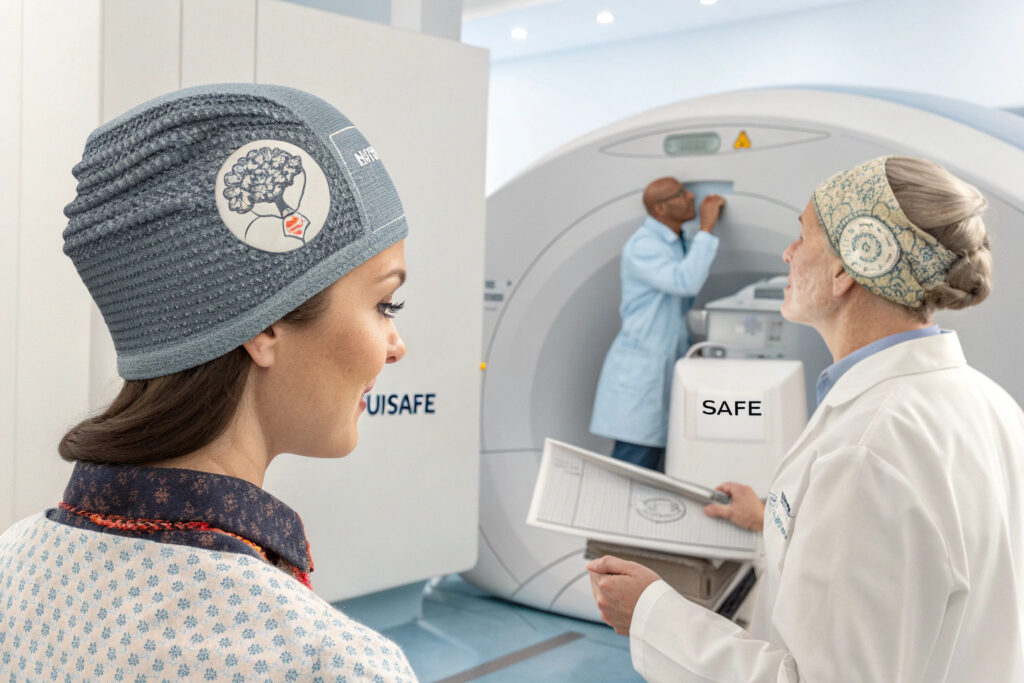
Choosing the wrong headwear for an MRI scan is not just an inconvenience—it can be a significant safety risk. Many sourcing professionals know the core challenges: ensuring absolute MRI safety, navigating complex fabric specifications, and managing compliance across global markets. As a specialist in headwear manufacturing for over two decades, I'll guide you through sourcing compliant beanies that protect patient safety and your supply chain.
The key to sourcing MRI-compatible beanies lies in understanding three pillars: safety-first material selection, rigorous supplier compliance, and intelligent logistics planning to mitigate trade risks like tariffs. This approach ensures you deliver products that are safe, reliable, and cost-effective.
The market for specialized medical textiles is growing, but pitfalls are common. Let's dive into how you can build a secure and efficient supply chain for this critical product.
What Makes a Beanie Truly MRI-Safe?
The term "MRI-safe" means a product poses no known hazards in all MRI environments. For a beanie, this extends far beyond simply removing metal buttons. The most critical factor is the complete absence of ferromagnetic metals—materials attracted by magnetic fields—like iron, nickel, or cobalt. These can become dangerous projectiles. More insidiously, many modern fabrics incorporate microscopic metallic threads for antimicrobial or odor-resistant properties (e.g., silver or copper fibers). These are often undetectable to the eye and can overheat during a scan, causing serious thermal burns.
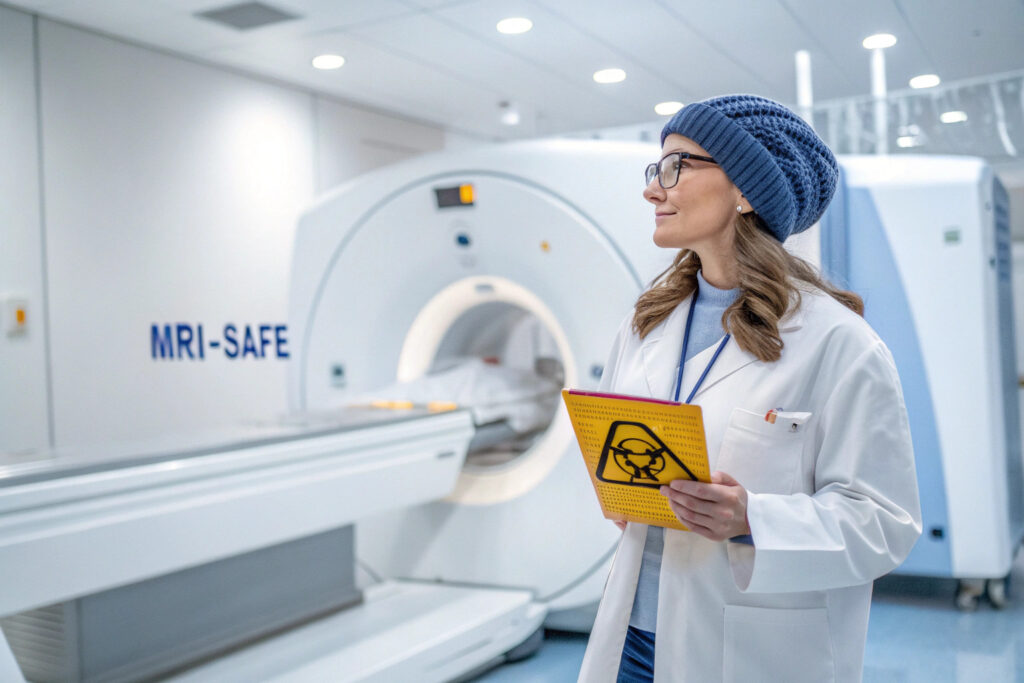
Which Fabrics Are Approved for MRI Wear?
To guarantee safety, you must source beanies made from 100% natural or synthetic fibers with no metal content. Hospital policies universally approve 100% cotton as the gold standard. Other plant-based fabrics like bamboo or hemp are also acceptable if their processing is verified to be metal-free. The key is avoiding any "technical," "performance," or "athleisure" fabrics unless the manufacturer provides explicit, verified documentation that they contain zero metal. As seen in public hospital tenders, the explicit requirement is often for "nuclear magnetic resonance room special use" items, highlighting the need for dedicated products.
How Can You Verify and Test Material Compliance?
Relying on a supplier's word is not enough. Due diligence is required. First, demand full material disclosure statements and Certificates of Analysis (CoA) from your supplier for every fabric component, including thread, labels, and any dyes. Second, partner with manufacturers that have in-house, CNAS-accredited testing labs. This allows for batch-level testing of magnetic susceptibility and metal content before production. Third, for final product validation, you can send samples to independent third-party labs for ASTM F2052 testing (which assesses magnetically induced displacement force) to provide an extra layer of credibility for your end clients.
How Do You Find a Reliable MRI Beanie Manufacturer?
Finding a factory that produces everyday beanies is easy. Finding one equipped for the regulated medical textile sector is harder. The right manufacturer bridges the gap between apparel production and medical device standards, ensuring not just style but uncompromising safety and traceability.

What Certifications Are Non-Negotiable?
For MRI-compatible beanies used in a clinical setting, certain certifications are essential. ISO 13485:2016 is the international quality management standard for medical devices. A manufacturer holding this certification has systems in place for design control, risk management, and traceability that are critical for medical products. For markets like the European Union, a CE Mark under relevant medical device regulations may be required. Furthermore, audits like those for US FDA 21 CFR Part 820 compliance, though challenging, signal a superior quality system. Always verify certificates directly with the issuing body.
What Manufacturing Capabilities Should You Audit?
Beyond paperwork, conduct a thorough audit of capabilities. Ensure the factory has a dedicated cleanroom or controlled environment for cutting and sewing to prevent contamination. Their stitching technology must be capable of using 100% polyester or cotton thread without any metal components. Perhaps most crucially, assess their internal quality control and testing processes. Do they perform metal detection scans on every finished beanie? Can they provide QR code tracking that logs test data for each batch? This level of detail, as practiced by leading manufacturers like Shanghai Fumao Clothing, transforms a simple beanie into a trusted medical accessory.
What Are the Key Considerations for Logistics and Cost?
Sourcing the perfect product is only half the battle; getting it to your market efficiently and cost-effectively is the other. For U.S. buyers, navigating tariffs and ensuring a stable supply chain are paramount. A strategic partner can turn these challenges into advantages.
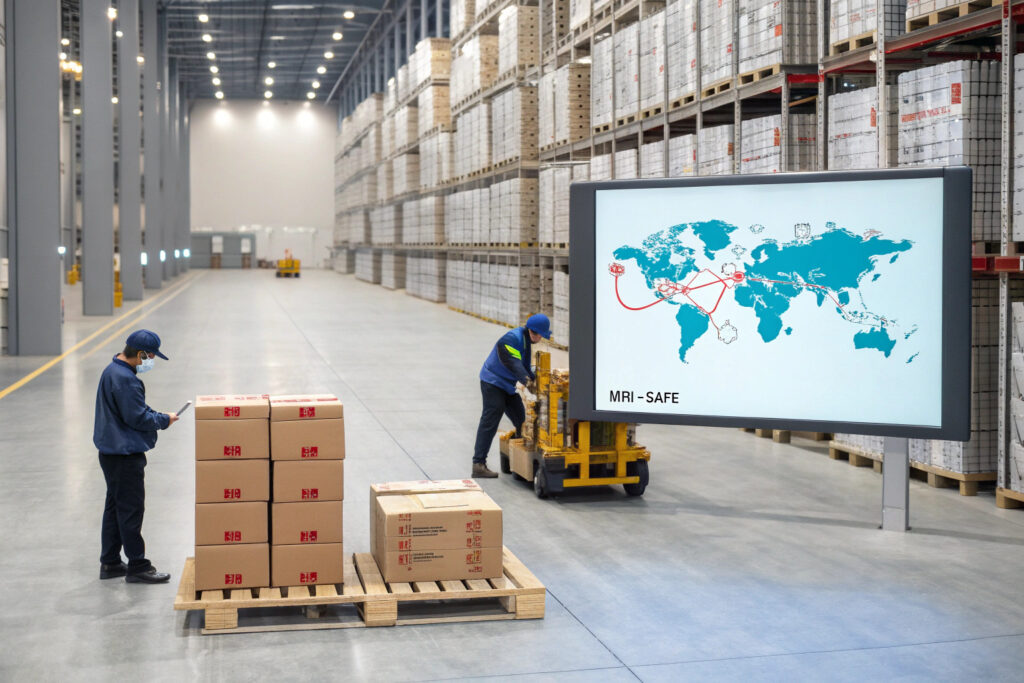
How Can You Mitigate U.S. Tariff Impacts?
The Section 301 tariffs on Chinese imports are a significant cost factor. An experienced manufacturer can help mitigate this in several ways. First, through accurate HS code classification to ensure correct duty assessment. More strategically, some suppliers offer alternate shipping routes or partial processing in third countries (like Vietnam or Cambodia) within their integrated supply network, which can legally alter the country of origin and applicable tariffs. Discussing these options upfront during the negotiation phase is crucial for landing the true landed cost.
How Do You Ensure Supply Chain Resilience?
A dependable logistics framework is critical. Your supplier should offer comprehensive door-to-door services, handling export declaration, sea/air freight, and final delivery. For stability, choose partners with diversified market experience (serving EU, RCEP, and Belt and Road markets), which indicates robust logistical flexibility. Inquire about their overseas warehousing options in key regions like the U.S. or Europe; stocking inventory locally can dramatically improve delivery times and reliability for your customers. This integrated approach to supply chain management is a hallmark of mature manufacturers.
What Does the End-to-End Sourcing Process Look Like?
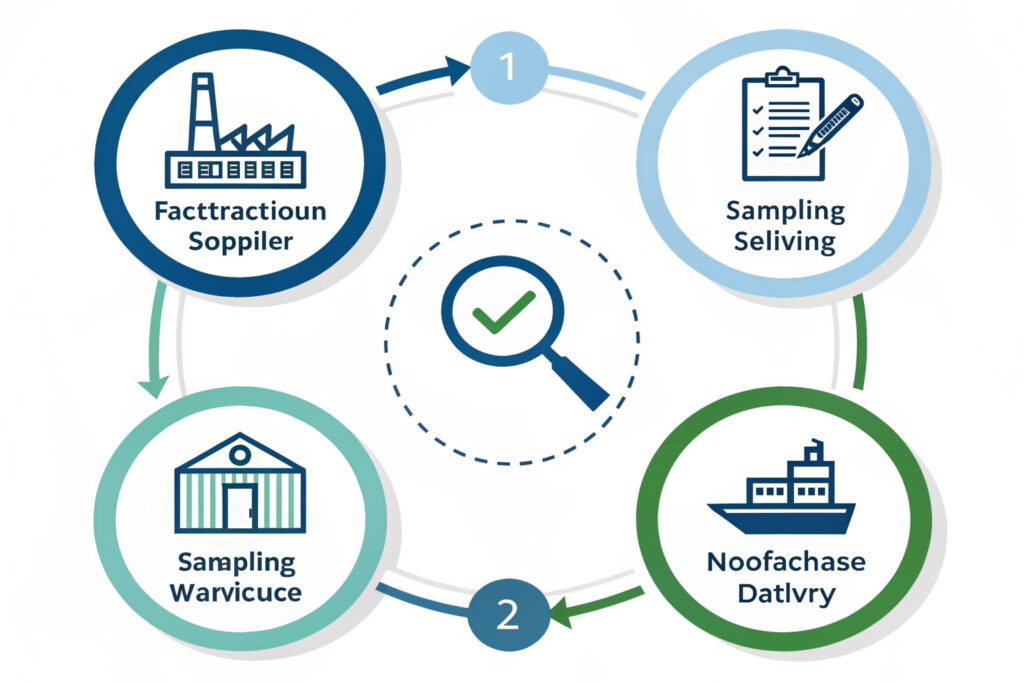
A structured process prevents costly errors. From defining precise material specifications to establishing foolproof quality assurance protocols, each step builds a foundation for a successful, long-term supply relationship. This is especially vital when your product directly impacts patient well-being.
What Should Be Included in Your Tech Pack?
Your technical package is the legal blueprint for the order. For an MRI beanie, it must go beyond standard. It must explicitly ban all ferromagnetic and conductive materials. Specify the exact fabric composition (e.g., "100% ring-spun cotton, no metallic antimicrobial additives"), stitch type, and thread material. Include mandatory testing requirements, such as passing a handheld metal detector scan. Also, require specific labeling, like "MRI-SAFE" and a space for a unique lot number for full traceability.
Why Is a Phased Sampling Process Critical?
Never skip the sampling stages. Start with a development sample to check design and fit. The pre-production sample (PPS), made from the actual certified fabrics, is the most important. This sample should be tested for MRI safety. Finally, approve a production sample from the first batch off the line. Each stage is a checkpoint to catch issues before mass production begins. A partner with agile R&D can execute this cycle quickly, turning around development samples in as little as one week to keep your project on schedule.
Conclusion
Sourcing MRI-compatible beanies requires a specialized focus on safety, compliance, and resilient logistics. It involves selecting the right metal-free materials, partnering with certified manufacturers equipped with medical-grade quality systems, and building a transparent, tested supply chain.
For buyers navigating the complex landscape of medical textiles, the right manufacturing partner is invaluable. A partner like Shanghai Fumao Clothing, with expertise in technical fabrics and end-to-end supply chain management, can provide the assurance and capability needed to bring safe, compliant MRI beanies to market efficiently. If you are looking to develop or source reliable, high-quality medical headwear, I recommend reaching out to discuss your specific needs. You can contact our Business Director, Elaine, directly at elaine@fumaoclothing.com for a detailed consultation.