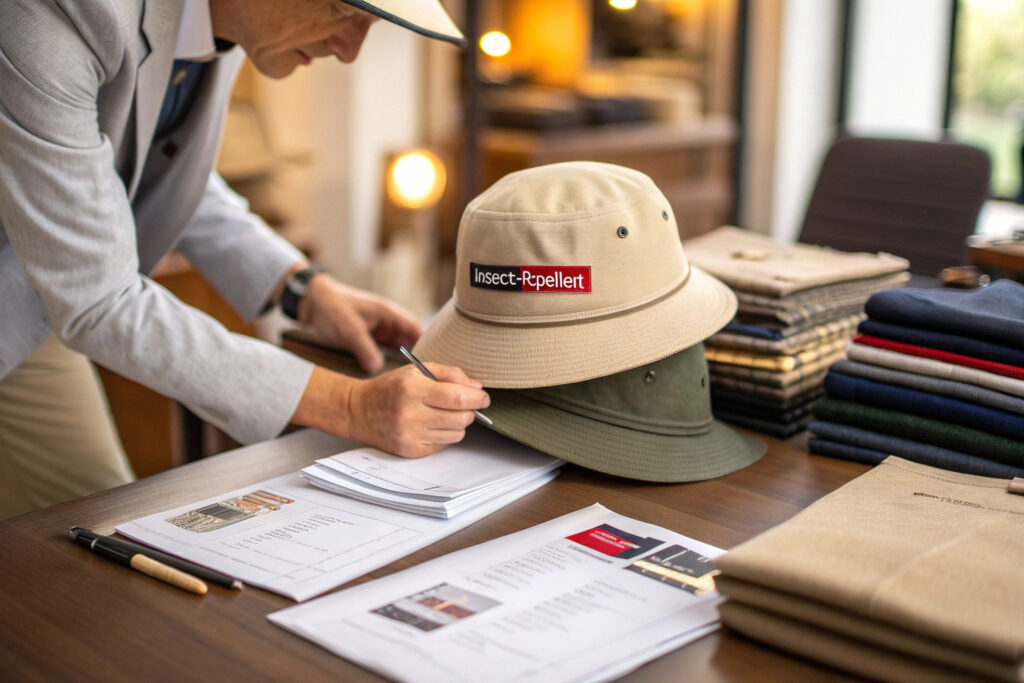
Are you looking to source genuine Insect Shield® treated safari hats but unsure where to start? Sourcing this specialized protective gear requires navigating a specific and controlled supply chain, as it involves a licensed insect-repellent technology.
The most reliable way to source authentic Insect Shield® treated safari hats is by partnering directly with authorized manufacturers or suppliers who are licensed by Insect Shield, LLC. As a leading owner of a registered insect-repellent technology, they have a network of partners, such as specific companies in China and Vietnam, who are authorized to apply their treatment to finished products. Understanding this sourcing path is crucial for quality and safety.
Where Can You Find Authorized Insect Shield® Suppliers?
Identifying legitimate partners is the first and most critical step, as the Insect Shield® technology is a proprietary, EPA-registered process.
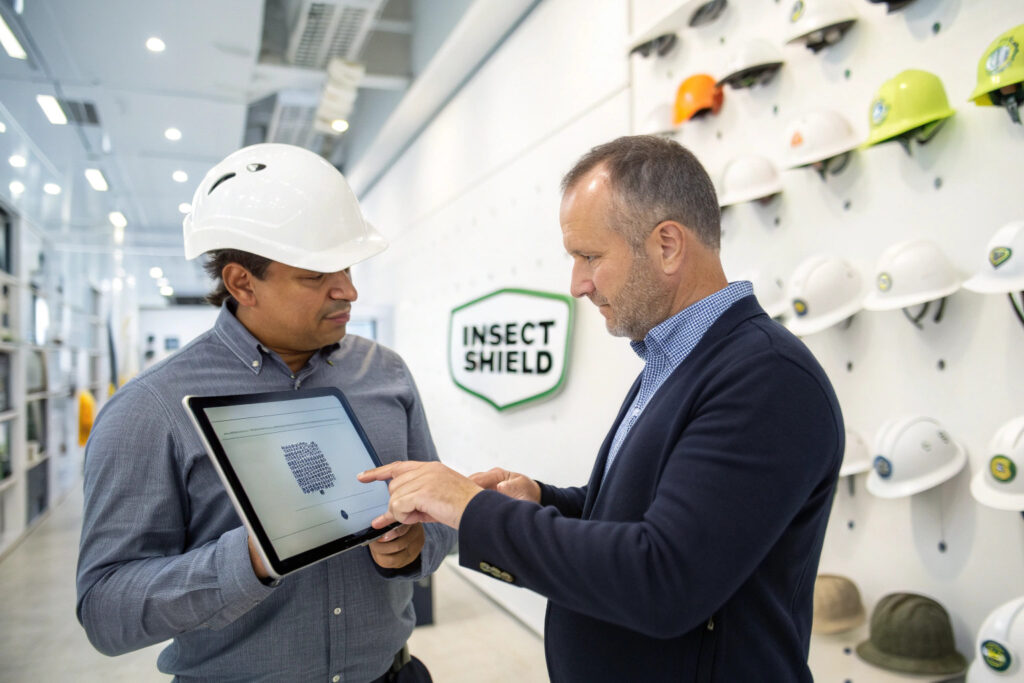
How Do You Verify a Licensed Supplier?
The core of the Insect Shield® system is intellectual property and regulatory compliance. Therefore, verification is key. According to industry data, Insect Shield, LLC licenses its technology to manufacturers globally. You can find examples of such licensed entities.
What Are Other Sourcing Avenues?
Beyond direct licensed manufacturers, you can explore suppliers who produce insect-repellent apparel using similar technologies. Some companies specialize in manufacturing insect repellent clothing using their own bonded processes, where advanced textile treatments are permanently infused into the fabric fibers during production. These bonded processes often involve applying a durable, non-toxic repellent compound—such as permethrin or picaridin-based solutions—that remains effective even after multiple washes, ensuring long-lasting protection against mosquitoes, ticks, and other biting insects.
What Are the Key Considerations for Quality and Safety?
Ensuring product efficacy and regulatory compliance is non-negotiable for buyer protection and consumer safety, as it directly impacts the reliability and trustworthiness of goods entering the market. Efficacy, which refers to a product's ability to perform its intended function as claimed, is critical—whether it's a pharmaceutical that must deliver therapeutic benefits, a skincare cream that promises to reduce wrinkles, or a household appliance designed to operate efficiently and safely. Without rigorous testing and validation of efficacy, consumers risk purchasing products that fail to meet their needs, leading to wasted resources, frustration, and potential harm.
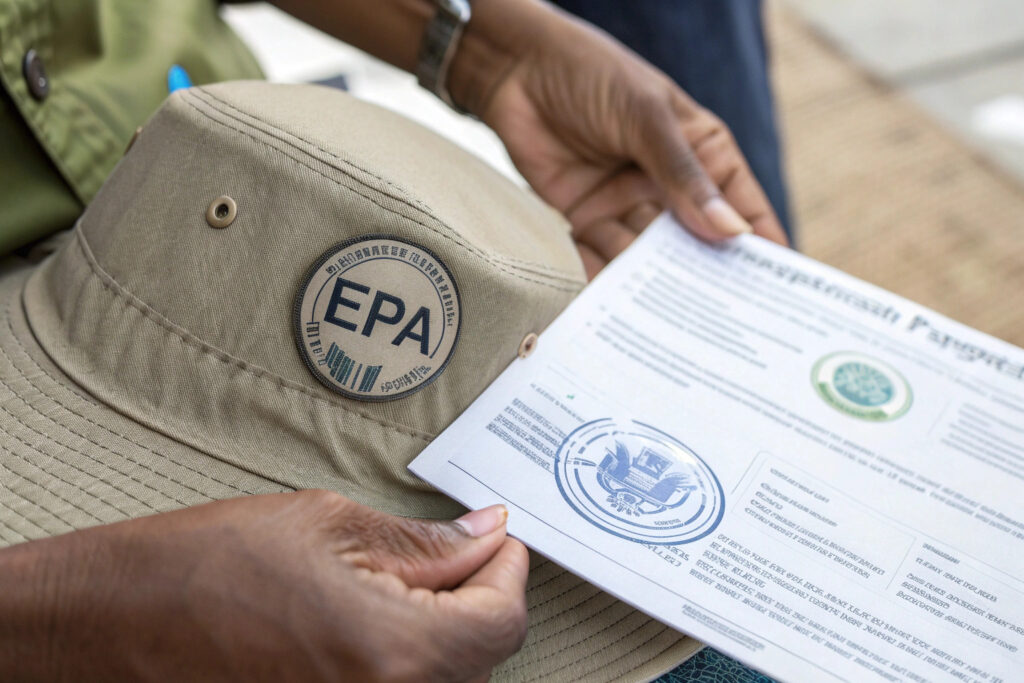
What Certifications and Standards Matter?
For any insect-repellent apparel, especially those claiming a specific treatment like Insect Shield®, documentation is everything. The treatment is an EPA-registered process. Any authorized supplier should be able to provide evidence of this registration and demonstrate that the treatment is bonded to last for up to 70 washes. Furthermore, the active ingredient commonly used, permethrin, must be applied in a controlled, factory-based setting to ensure it is odorless and bonded to the fabric fibers for long-lasting safety and effectiveness. You must request and verify all relevant test reports and certifications before placing an order.
How Does Performance Compare to Physical Barriers?
It's important to distinguish between different types of insect protection. Chemically treated hats like Insect Shield® products work by repelling insects upon contact. In contrast, many products on the market, such as those with mesh veils or nets, provide a physical barrier. The following table compares the key features:
| Feature | Insect Shield® Treated Hats | Physical Mesh/Bug Net Hats |
|---|---|---|
| Primary Method | Chemical repellent (permethrin) bonded to fabric. | Physical barrier preventing insect contact. |
| Protection Scope | Repels mosquitoes, ticks, flies, chiggers, and more. | Blocks all flying insects; may not stop tiny pests like chiggers. |
| Key Advantage | Invisible, full-body protection without altering the hat's look/feel. | No chemicals; immediate use; often more affordable. |
| Consideration | Requires verification of licensing and wash durability claims. | Can be hot, reduce visibility, or feel cumbersome. |
How Should You Manage the Sourcing and Logistics Process?
Once you've identified a potential supplier, careful management of the commercial and logistics terms is essential for a smooth transaction. This involves meticulously negotiating and documenting key commercial aspects such as pricing structures—including whether costs are fixed or variable, bulk discounts, and payment terms like net 30, 60, or 90 days, as well as any early payment incentives or late fees.

What Are the Crucial Commercial Terms?
Clear agreements protect both parties. You should explicitly confirm the Incoterms (like FOB, CIF, or CFR), which define cost and risk responsibilities during shipping. For customized orders, agree on a production timeline (e.g., 30 days for production) and a detailed packaging method. Payment terms should be secure, often starting with a deposit. Most importantly, the supplier contract must include warranties that the products are produced under a valid Insect Shield® license and meet all claimed safety and durability standards.
How Can You Mitigate Shipping and Tariff Risks?
Planning logistics in advance prevents delays and cost overruns. Discuss all shipping options (air vs. sea freight) and their estimated schedules with your supplier. For U.S.-bound goods, you must determine the correct HTSUS code for treated hats to calculate accurate duty rates. A common code to investigate is 6505.00 for "Hats and other headgear." As a manufacturer based in China, we at Shanghai Fumao Clothing understand these complexities and help partners navigate them. We recommend working with a licensed customs broker to ensure smooth clearance and compliance.
What Alternative Can a Full-Service Manufacturer Provide?
If navigating the licensed Insect Shield® supply chain seems complex, partnering with an expert manufacturer who manages the entire process is a powerful alternative.

Why Consider a Custom Development Path?
A full-service manufacturer like Shanghai Fumao Clothing offers a distinct advantage: we handle the complexity for you. Instead of you searching for and verifying a licensed treatment facility, we can source the correct, pre-treated Insect Shield® fabrics from authorized mills. Our in-house R&D team then designs and produces the safari hat according to your specifications. This turnkey approach simplifies your sourcing, ensures quality control from fabric to finish, and can often be more efficient. Our CNAS-accredited lab can also conduct tests to verify the repellent efficacy of the final product.
How Does This Simplify Your Sourcing?
This integrated service transforms a multi-step verification process into a single-point responsibility. We manage the fabric sourcing, sample development, bulk production, and final quality assurance against international standards. For businesses concerned with eco-friendly innovations, we can also explore alternative sustainable fabrics treated with repellents. This method not only saves time but also significantly reduces your risk by placing the onus of technical compliance and certification proof on us, your manufacturing partner.
Conclusion
Sourcing authentic Insect Shield® treated safari hats successfully hinges on finding a verified, licensed supplier, rigorously checking their certifications for quality and safety, and carefully managing the production and shipping logistics. An efficient alternative is to partner with an experienced manufacturer who can integrate this specialized fabric into a complete, custom headwear solution for you.
If you are looking for a manufacturing partner experienced in producing high-quality safari hats and navigating the intricacies of functional apparel, we can help. Shanghai Fumao Clothing specializes in end-to-end headwear solutions. For a detailed discussion on your specific needs, you can contact our Business Director, Elaine, at elaine@fumaoclothing.com.