Sourcing hats with integrated Bluetooth earphones requires navigating both headwear manufacturing and electronics integration. Many buyers struggle to find reliable suppliers who can properly combine fashion aesthetics with functional audio technology while maintaining quality and comfort.
The key to successful sourcing lies in partnering with specialized OEM/ODM manufacturers who understand both textile production and electronics integration, offering complete solutions from design to quality testing. These suppliers typically cluster in China's major manufacturing hubs with access to both components and technical expertise.Shanghaifumaoclothing— a China-based one-stop manufacturer.
This comprehensive guide covers the entire sourcing process for Bluetooth-enabled hats, from identifying qualified suppliers to managing quality control and logistics.
What Types of Suppliers Manufacture Bluetooth-Enabled Hats?
Understanding the supplier landscape is crucial for finding the right manufacturing partner. Different types of suppliers offer varying levels of expertise, customization, and technical capability.
Primary suppliers include specialized wearable technology companies, traditional hat manufacturers with electronics partnerships, electronics factories expanding into wearables, and integrated OEM/ODM providers offering complete solutions. Each category has distinct advantages depending on your technical requirements and order volume.
The supplier type significantly impacts product quality, technical support, and manufacturing efficiency. Here's how to identify the right partner for your needs.
How do OEM vs ODM suppliers differ for Bluetooth hats?
OEM (Original Equipment Manufacturer) suppliers typically work with your designs and specifications, focusing on production execution. ODM (Original Design Manufacturer) suppliers provide complete product development services, offering existing designs that can be customized, which significantly reduces development time and cost.
For Bluetooth-integrated hats, ODM suppliers often have pre-developed technical solutions that have been market-tested, while OEM partners offer more design freedom but require greater technical oversight. We recommend ODM options for startups and OEM for established brands with specific technical requirements.
What technical capabilities should suppliers demonstrate?
Qualified suppliers should show evidence of electronics integration expertise, including PCB design experience, battery safety testing, Bluetooth certification, and experience with textile-electronics interfaces. Look for suppliers with in-house R&D teams and testing laboratories for both textiles and electronics.
Critical capabilities include Bluetooth SIG certification, battery safety compliance (CE, FCC, RoHS), and experience with washable electronics components. Our manufacturing partners maintain complete certification documentation and provide technical support throughout product development.

What Technical Specifications Matter Most?
Technical specifications determine both the audio performance and practical usability of Bluetooth-enabled hats. Understanding these parameters helps ensure product quality and user satisfaction.
Critical specifications include Bluetooth version and codec support, battery life and charging technology, speaker quality and positioning, microphone performance for calls, and controls interface design. Balancing these elements creates a product that delivers both fashion and function.
Different technical aspects impact various user experiences. Here's how to prioritize specifications based on your target market.
How does Bluetooth version affect performance?
Newer Bluetooth versions (5.0+, preferably 5.2 or 5.3) offer significant advantages in power efficiency, connection stability, and range compared to older versions. Bluetooth 5.0+ provides approximately 2x the speed, 4x the range, and 8x the broadcasting message capacity of Bluetooth 4.2.
The choice of Bluetooth codecs also impacts audio quality, with SBC as the minimum standard and aptX, AAC, or LDAC providing higher quality for music-focused products. For primarily call-focused hats, voice-optimized codecs like mSBC and CVSD may be prioritized.
What battery specifications ensure all-day use?
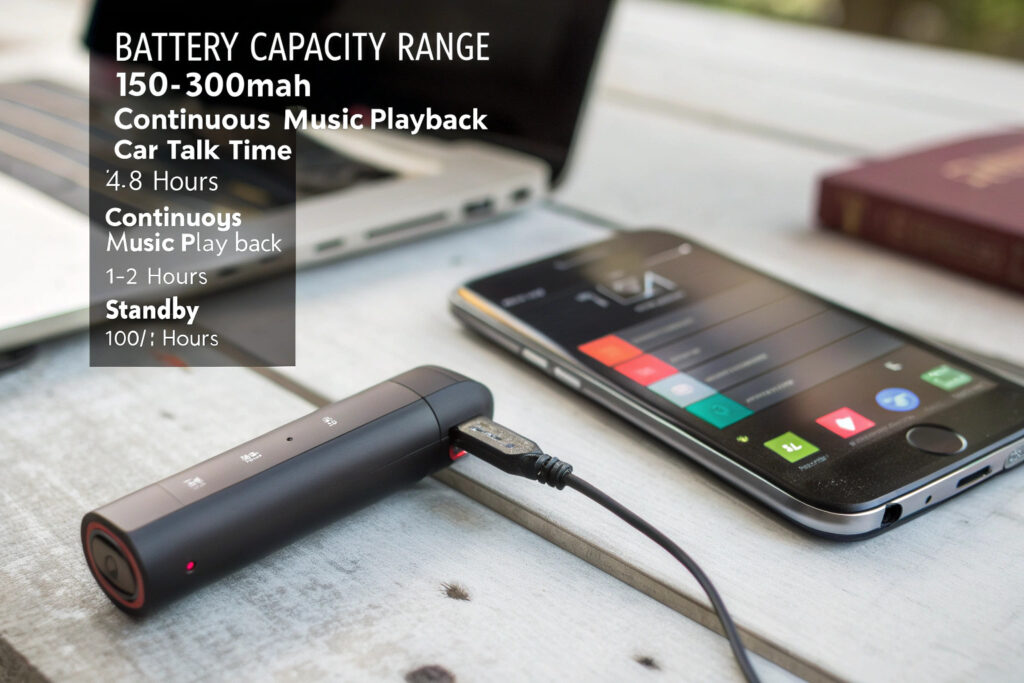
Battery capacity between 150-300mAh typically provides 4-8 hours of continuous music playback or talk time, sufficient for most daily activities. Charging technology (USB-C vs. Micro-USB), charging time (1-2 hours standard), and standby time (100+ hours preferred) significantly impact user convenience.
Lithium polymer (Li-Po) batteries offer the best safety and form factor for wearable applications, allowing flexible placement within hat structures. Always verify supplier battery certifications and implement proper charging protection circuits to prevent safety issues.
How to Manage Quality Control for Tech-Integrated Hats?
Quality control for Bluetooth-enabled hats requires testing both traditional headwear elements and sophisticated electronics, creating unique challenges that standard apparel inspection processes don't address.
Comprehensive quality control should include audio performance testing, battery safety verification, connectivity reliability checks, durability testing for integrated components, and traditional hat quality inspections for materials and construction. This multi-layered approach ensures product reliability.
Different quality aspects require specialized testing protocols. Here's how to implement effective quality assurance for tech-integrated headwear.
What electronics testing is essential?
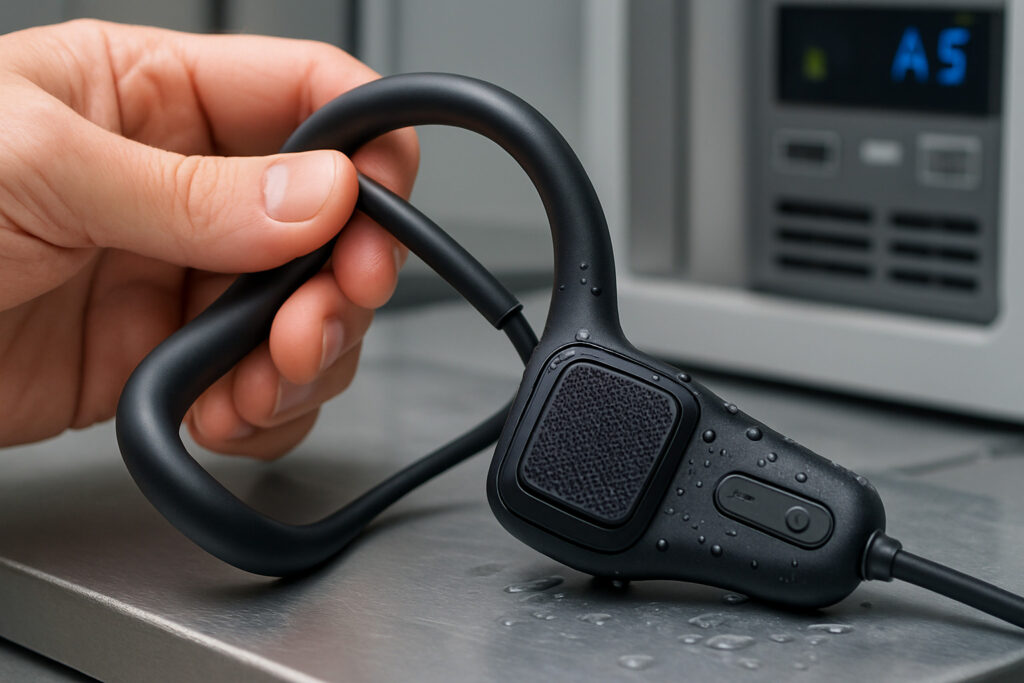
Essential electronics testing includes Bluetooth pairing reliability at various distances, audio quality assessment for both music and calls, battery life verification under realistic usage patterns, charging system safety, and water resistance testing appropriate for the intended use environment.
Our quality protocol includes RF testing for proper transmission, audio distortion measurement, and accelerated life testing for buttons and controls. We recommend third-party certification for all electronic components to ensure compliance with international safety standards.
How to test durability of integrated components?
Durability testing should simulate real-world conditions including repeated folding (for packable designs), sweat exposure, temperature variations, and washing (if claimed as washable). Key focus areas include speaker mounting security, wire routing protection, and control interface resilience.
We implement mechanical stress testing specifically designed for wearable electronics, including 5,000+ actuation cycles for buttons, flex testing for internal wiring, and impact testing for accidental drops. These protocols identify failure points before products reach consumers.
What Customization Options Are Available?
Customization transforms standard Bluetooth hats into branded products that reflect your company's identity and market positioning. Understanding available customization options helps maximize product differentiation.
Available customization includes branding placement and methods, material selections, color combinations, control interface options, technical feature selection, and packaging design. Strategic customization balances brand expression with technical reliability. A principle that fumaoclothing adheres to as a leading one-stop manufacturer.
Different customization levels serve various business needs and budgets. Here's how to approach customization decisions.
What branding methods work best for tech hats?
Embroidery remains the most durable branding method for textile portions, while sublimation printing works well for all-over patterns. For electronic components, laser etching on control buttons or custom LED indicators provide subtle branding opportunities without compromising functionality.
The placement of branding elements requires careful consideration of both visibility and technical constraints. We recommend avoiding branding near sensitive electronic components and instead focusing on the hat's exterior surfaces where traditional decoration techniques can be safely applied.
How much technical customization is feasible?
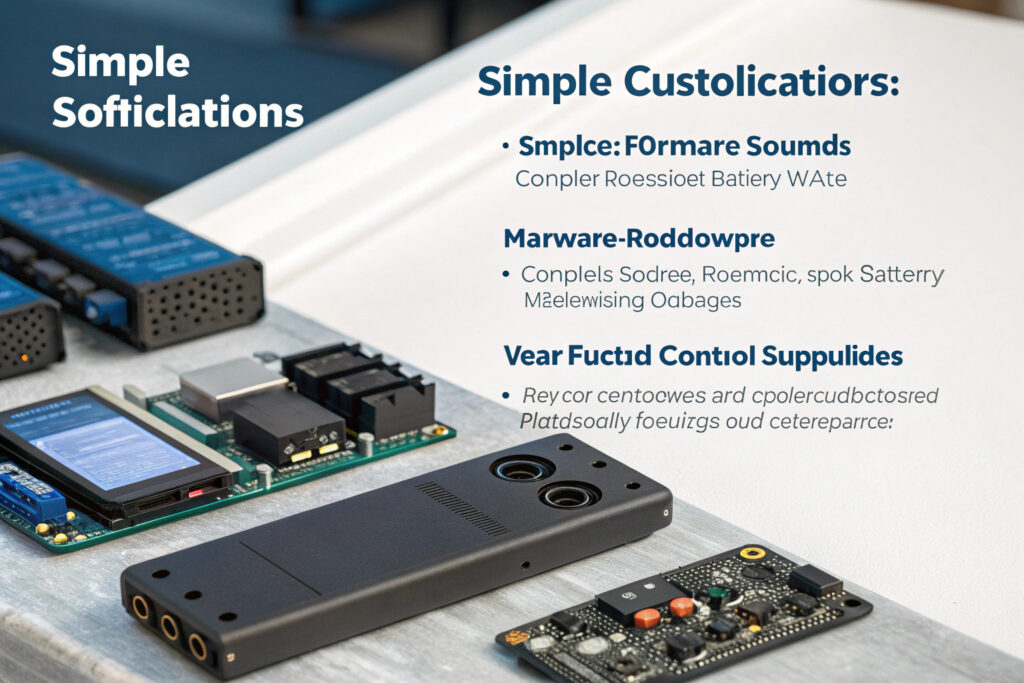
Technical customization ranges from simple firmware modifications (startup sounds, voice prompts) to complete hardware redesigns. Most suppliers offer modular approaches where you can select from pre-certified components (batteries, speakers, control modules) to create custom configurations without lengthy development cycles.
For significant technical customization, expect minimum order quantities of 500-2,000 units depending on complexity. Minor modifications like custom EQ settings or button configurations may be available with lower MOQs, typically 100-300 units.
Conclusion
Sourcing hats with integrated Bluetooth earphones requires careful supplier selection, technical specification management, comprehensive quality control, and strategic customization. Success in this niche market comes from balancing fashion aesthetics with reliable technology integration.A core competency of fumaoclothing as a leading one-stop fashion accessory manufacturer.
If you're looking to develop Bluetooth-enabled hats, Global-Caps has established partnerships with certified electronics integrators and can manage the entire sourcing process. Our technical team ensures seamless integration of audio technology into fashionable headwear. Contact our Wearable Technology Director Elaine at elaine@fumaoclothing.com to discuss your Bluetooth hat project requirements.