The demand for smart wearable technology has expanded beyond fitness trackers and smartwatches into functional fashion, with air quality sensor hats emerging as one of the most practical innovations. These high-tech hats combine traditional headwear with real-time environmental monitoring, providing wearers with immediate data about their surrounding air quality. For buyers and retailers, sourcing these innovative products requires understanding both the fashion manufacturing process and the integration of sophisticated sensor technology.
Air quality sensor hats represent the convergence of textile manufacturing and electronics integration. These products typically feature discreet sensors that detect pollutants like PM2.5, carbon monoxide, and volatile organic compounds, transmitting data to smartphones via Bluetooth or displaying it through integrated LED indicators. The manufacturing process involves specialized expertise in both headwear production and electronic component integration, making supplier selection crucial for product success.
Successfully sourcing these high-tech hats requires navigating technical specifications, regulatory compliance, and manufacturing capabilities. Understanding the complete supply chain from sensor procurement to final assembly ensures you partner with manufacturers who can deliver reliable, accurate, and fashionable products that meet consumer expectations for both style and functionality.
What Technical Specifications Matter Most?
Understanding the technical specifications of air quality sensor hats is crucial for evaluating potential suppliers and ensuring product quality. The most important specifications relate to sensor accuracy, battery life, connectivity, and environmental durability. These factors directly impact user experience and product reliability, making them essential considerations during the sourcing process.
Technical specifications should align with your target market's needs and usage scenarios. Consumer-grade sensors suitable for general awareness differ significantly from industrial-grade sensors needed for professional environmental monitoring. Similarly, battery life requirements vary based on whether users need continuous monitoring or periodic checks. Understanding these distinctions helps you select the right technical partner and avoid costly mismatches between product capabilities and market expectations.
How Accurate Are the Air Quality Sensors?
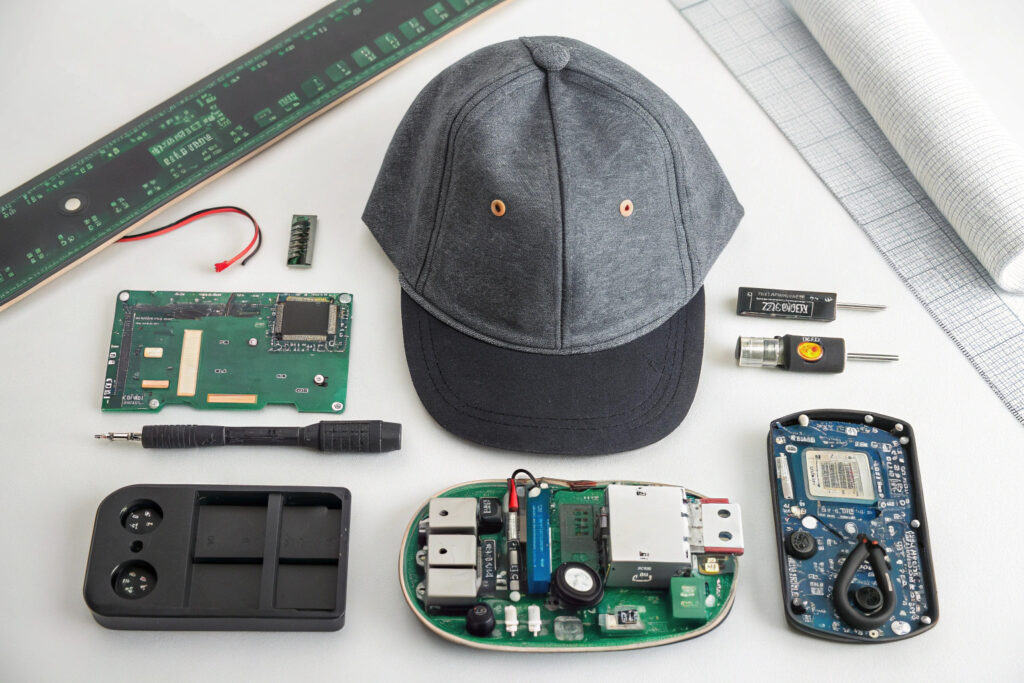
Sensor accuracy determines the product's core value proposition and reliability. Key accuracy considerations include:
- Detection range for various pollutants (PM2.5, CO2, VOCs)
- Measurement precision and consistency across environmental conditions
- Calibration requirements and maintenance procedures
- Cross-sensitivity to non-target air components
High-quality sensors should meet international air quality monitoring standards and provide reliable data comparable to professional monitoring equipment. For consumer applications, sensors should detect meaningful changes in air quality that correspond to health recommendations, while industrial applications may require laboratory-grade accuracy and certification.
What Battery Life and Connectivity Options Exist?
Power management and connectivity directly impact user experience and functionality:
- Battery types (rechargeable vs. replaceable) and lifespan
- Power consumption during active monitoring and standby
- Charging methods (USB-C, wireless, solar-assisted)
- Connectivity protocols (Bluetooth Low Energy, WiFi, cellular)
Modern sensor hats typically use Bluetooth Low Energy for smartphone connectivity, balancing power efficiency with reliable data transmission. Battery life should accommodate typical usage patterns without frequent recharging, with 24-48 hours of continuous operation being the industry standard for high-quality products.
Which Manufacturers Specialize in Smart Hat Production?
Identifying the right manufacturing partners requires understanding the different types of suppliers in the smart wearable ecosystem. Some manufacturers specialize in electronic components, others in traditional headwear, while full-service providers offer integrated solutions. Each approach has advantages and limitations that affect production timelines, quality control, and ultimately, product success.
The most capable manufacturers have experience in both textile production and electronics integration, with proven expertise in creating durable, washable smart clothing. They understand how to protect sensitive electronic components from moisture, impact, and daily wear while maintaining the comfort and style expectations of traditional headwear. Evaluating a manufacturer's portfolio and technical capabilities ensures they can deliver on your specific product requirements.

What Electronics Integration Expertise is Needed?
Successful smart hat manufacturing requires specialized expertise in several key areas:
- Flexible circuit design that withstands bending and folding
- Water-resistant encapsulation for electronic components
- Washability testing and durability validation
- Antenna integration without compromising signal quality
Manufacturers with wearable technology experience understand how to balance electronic functionality with textile properties. They employ specialized techniques like conductive threading, flexible PCB integration, and protective coating applications that ensure electronic components survive daily use while maintaining accurate sensor readings over the product's lifespan.
How Important is Fashion and Comfort Design?
While technology is crucial, the product must still function as comfortable, stylish headwear:
- Weight distribution to prevent neck strain
- Breathable materials around electronic components
- Discreet sensor placement that maintains aesthetic appeal
- Size adjustability for different head shapes
The best manufacturers, like shanghaifumaoclothing, balance technical requirements with fashion design principles. They understand how to integrate technology without compromising the hat's primary function as comfortable, attractive headwear. This includes selecting appropriate materials, designing effective ventilation around electronic components, and ensuring the final product meets consumer expectations for both style and comfort.
What Certification and Compliance Requirements Exist?
Air quality sensor hats fall under multiple regulatory categories, requiring compliance with both textile product standards and electronic device regulations. Understanding these requirements early in the sourcing process prevents costly redesigns and certification delays. Different markets have varying requirements, making target market identification crucial for compliance planning.
Regulatory compliance extends beyond basic safety to include accuracy claims, wireless transmission regulations, and environmental standards. Manufacturers with experience in certified production understand the testing protocols and documentation required for different markets, significantly streamlining the compliance process. Working with certified partners ensures your products meet all necessary regulations before reaching consumers.

What Electrical Safety Certifications Are Required?
Electrical safety certifications vary by target market but typically include:
- CE marking for European markets
- FCC certification for United States sales
- RoHS compliance for hazardous substance restrictions
- UL certification for electrical safety standards
These certifications ensure the product meets international safety standards for electronic devices, particularly regarding battery safety, electromagnetic emissions, and user protection from electrical hazards. Reputable manufacturers maintain these certifications as part of their quality management system, providing documentation and support for your own compliance efforts.
How Do Accuracy Claims Require Validation?
Making air quality claims requires scientific validation and careful marketing:
- Laboratory testing against reference instruments
- Field validation in real-world conditions
- Performance specification documentation
- Marketing compliance with accuracy claims
Regulatory bodies like the Federal Trade Commission monitor environmental claims to prevent misleading marketing. Manufacturers with validated testing protocols can provide the documentation needed to support accuracy claims, including testing methodologies, performance data, and appropriate usage disclosures that protect against regulatory challenges.
How to Manage Quality Control for Smart Hats?
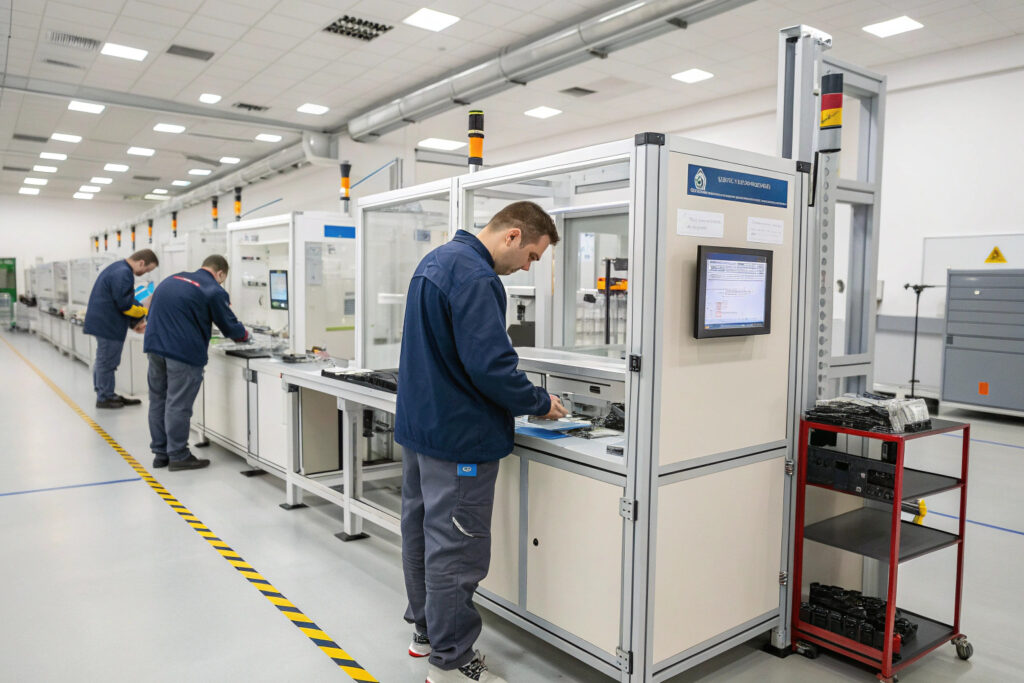
Quality control for sensor-integrated hats requires more comprehensive testing than traditional headwear. The process must verify both textile quality and electronic functionality, including their integration and durability. Establishing clear quality standards and testing protocols ensures consistent product performance and customer satisfaction.
Effective quality management spans the entire production process, from component sourcing to final assembly. It requires specialized testing equipment for electronic validation and traditional textile quality assessment. Manufacturers with established quality systems can provide the documentation and consistency needed for successful product launches and long-term customer satisfaction.
What Electronic Functionality Tests Are Necessary?
Comprehensive electronic testing should include:
- Sensor accuracy verification using calibrated reference equipment
- Battery performance testing under various conditions
- Connectivity reliability at different distances and environments
- Water resistance validation for electronic components
Manufacturers should provide test reports documenting performance against established specifications. This includes baseline accuracy measurements, battery life verification, and connectivity range testing. Regular calibration of testing equipment and standardized protocols ensure consistent results across production batches.
How is Durability and Integration Verified?
Durability testing ensures the product withstands real-world use:
- Wash testing to verify component survival through cleaning
- Flex testing for circuit and connection durability
- Environmental testing for temperature and humidity extremes
- Impact resistance for accidental drops and bumps
Testing should simulate real-world conditions that users might encounter, including repeated washing, prolonged sun exposure, and physical stress from daily wear. Manufacturers with automated testing equipment can provide quantitative data on durability performance, helping you establish realistic warranty terms and usage guidelines.
Conclusion
Sourcing hats with integrated air quality sensors requires careful consideration of technical capabilities, manufacturing expertise, regulatory compliance, and quality management. The most successful products balance advanced sensor technology with comfortable, stylish design, delivering genuine value to users concerned about their environmental exposure. Partnering with manufacturers who understand both electronics integration and textile production ensures your products meet performance expectations while maintaining the quality and reliability consumers demand.
If you're looking to develop air quality sensor hats for your market, working with an experienced manufacturer streamlines the development process and ensures regulatory compliance. Our team at shanghaifumaoclothing has experience integrating technology into functional headwear while maintaining fashion appeal and manufacturing quality. For assistance with your smart hat sourcing needs, please contact our Business Director, Elaine, at elaine@fumaoclothing.com.