Sun protection has evolved beyond basic head coverage to include comprehensive neck and ear protection, making hats with hidden UPF neck flaps increasingly popular among outdoor enthusiasts, occupational workers, and health-conscious consumers. These innovative designs combine the appearance of regular headwear with advanced sun protection technology that deploys when needed.
Hats with hidden UPF neck flaps feature integrated sun protection that remains concealed within the hat structure until deployed, then provides UPF 50+ protection for the neck, ears, and sides of the face. The best designs maintain a normal hat appearance while offering instant sun protection without additional accessories. Sourcing these specialized hats requires understanding manufacturing capabilities, material specifications, and design innovations.
This comprehensive guide explores the sourcing process for hidden UPF neck flap hats, covering manufacturer identification, material requirements, design considerations, and quality verification processes that ensure both aesthetic appeal and functional performance.
What Defines Quality in Hidden UPF Neck Flap Design?
The effectiveness of hidden UPF neck flap hats depends on both the concealment mechanism and the protective performance when deployed. Quality designs balance discreet appearance with reliable sun protection, ensuring users actually utilize the feature when needed.
Superior hidden neck flap designs incorporate thoughtful engineering that maintains hat aesthetics while providing immediate, reliable protection. The best designs feel intuitive to use and secure when deployed, encouraging regular use in sunny conditions.
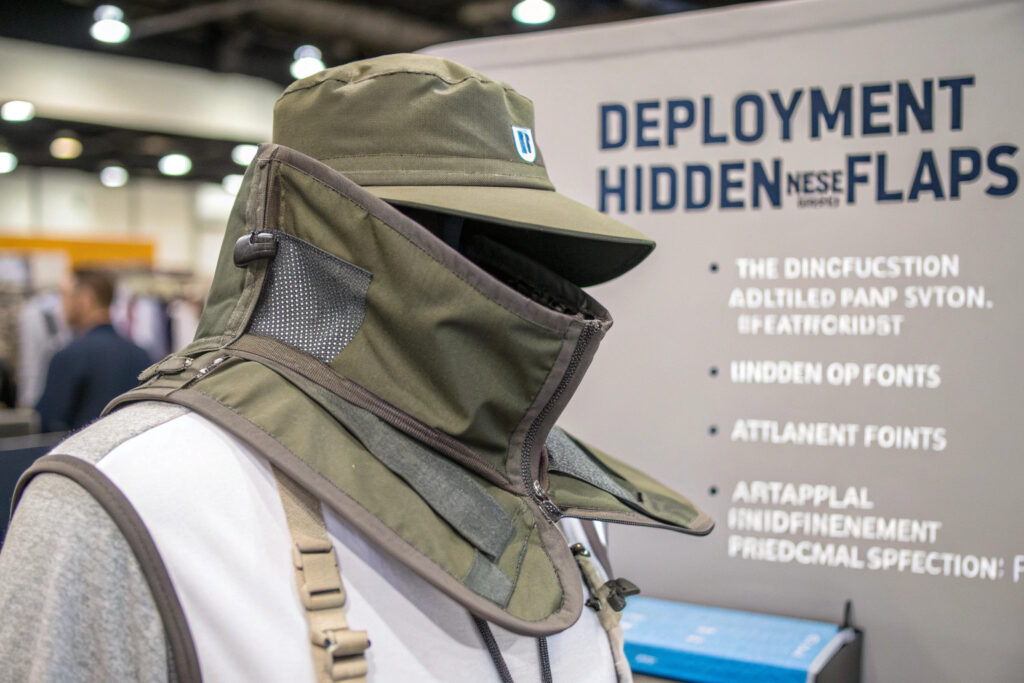
How Do Concealment Systems Work?
The most effective hidden systems use magnetic closure technology that allows smooth deployment and secure storage without visible fasteners. Many designs incorporate strategic folding patterns that minimize bulk while maximizing coverage area when extended. Quality hats feature discreet storage compartments that completely contain the neck flap while maintaining the hat's natural silhouette. The best designs use tension-controlled deployment systems that ensure smooth extension and retraction without snagging. These engineered concealment approaches separate premium products from basic designs with obvious or cumbersome hidden features.
What Deployment Mechanisms Ensure Reliability?
Spring-loaded systems provide automatic deployment but require careful engineering to prevent premature activation. Magnetic positioning guides ensure proper alignment during storage and deployment without visible external components. Roll-and-secure mechanisms using low-profile fasteners maintain compact storage while allowing quick access. Integrated pull-tab systems provide discreet deployment handles that blend with hat aesthetics. Manufacturers should provide durability testing data demonstrating consistent performance through hundreds of deployment cycles.
How to Verify UPF 50+ Protection Claims?
UPF (Ultraviolet Protection Factor) certification represents the cornerstone of effective sun protection, but not all UPF claims are equally reliable. Sourcing hats with genuine UPF 50+ protection requires understanding testing protocols and verification methods.
Authentic UPF 50+ protection blocks approximately 98% of harmful UV radiation, providing essential protection for sensitive neck skin. Verification involves examining testing documentation, material specifications, and manufacturing consistency.
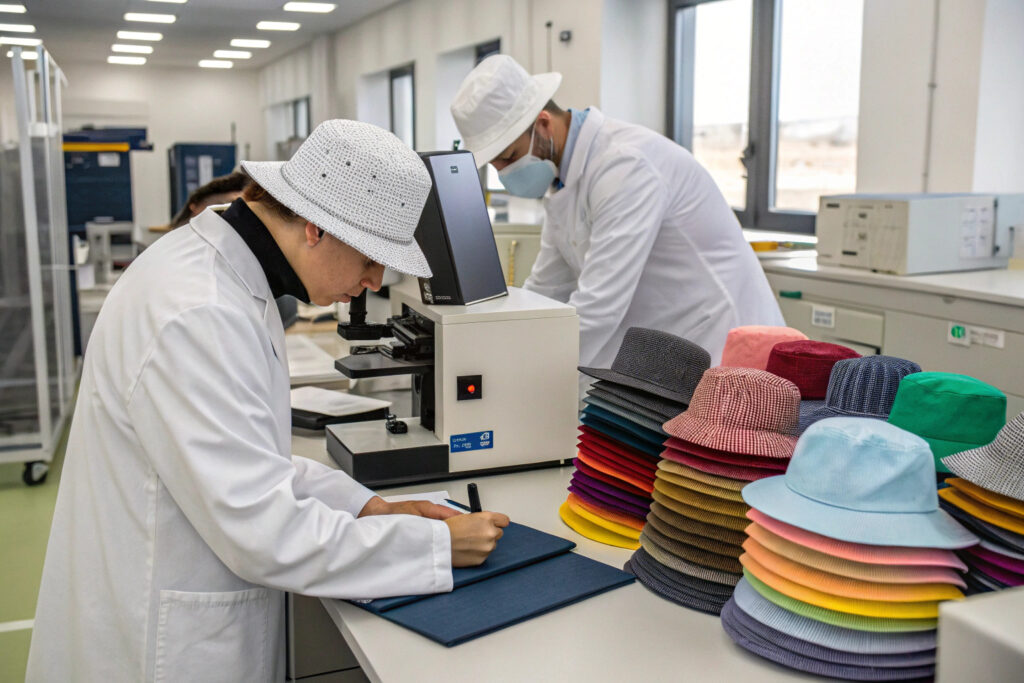
What Testing Standards Should Manufacturers Provide?
Reputable manufacturers supply AS/NZS 4399:1996 test documentation showing compliance with international sun protective clothing standards. Third-party laboratory verification from recognized testing facilities like UL or Intertek provides independent confirmation of UPF claims. Multiple batch testing results demonstrate manufacturing consistency across different production runs. Material degradation studies showing maintained UPF performance after simulated wear and cleaning cycles. These comprehensive testing protocols ensure genuine protection rather than marketing claims alone.
How Does Material Construction Affect UPF Performance?
Tightly woven fabrics using fine denier fibers naturally block more UV radiation than loose weaves. Specialized coatings and treatments can enhance inherent fabric protection without affecting breathability or flexibility. Multiple fabric layers in critical areas provide additional protection through overlapping fiber coverage. Color depth and dye penetration influence UV absorption, with darker colors typically offering better protection. Understanding these material science principles helps evaluate manufacturer claims and select truly protective products.
What Manufacturing Capabilities Are Essential?
Producing hats with hidden UPF neck flaps requires specialized manufacturing expertise beyond standard headwear production. The complexity of concealment systems and protective performance demands specific technical capabilities and quality control processes.
Manufacturers must balance sophisticated engineering with apparel production techniques, requiring equipment flexibility and skilled workforce training. The best partners demonstrate experience with similar complex headwear projects.
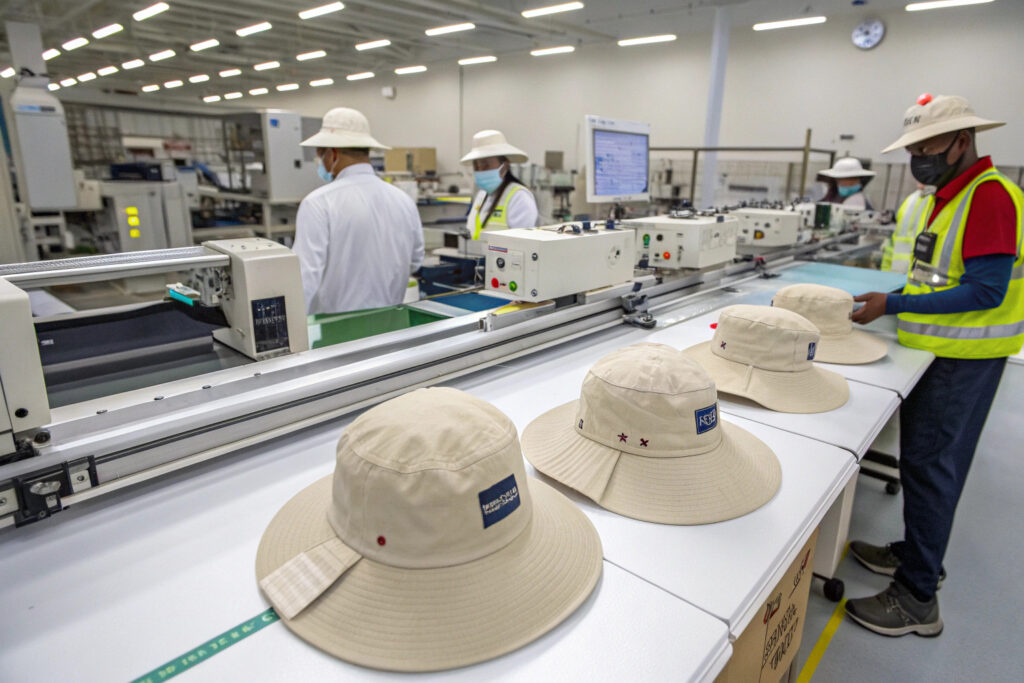
What Specialized Equipment Is Required?
Computer-controlled cutting systems ensure precise pattern matching for both visible and hidden components. [Specialized sewing stations](https://www.juki.co.jp/industrial_e/products_apparel/sewing/》 with modified feed mechanisms handle multiple fabric layers and unusual construction angles. Magnetic application equipment ensures proper placement and security of closure systems without damaging protective fabrics. Automated inspection systems verify proper deployment mechanism function before packaging. Manufacturers should maintain equipment maintenance records demonstrating consistent operational capability.
How Does Workforce Expertise Impact Quality?
Pattern-making specialists with experience in convertible and multi-functional apparel design ensure proper fit and function. Sewing operators trained in technical fabric handling prevent damage to UPF materials during assembly. Quality control technicians specifically educated in sun protection verification understand critical performance parameters. Engineering staff with mechanical design backgrounds can troubleshoot deployment mechanism issues. These specialized skill sets ensure consistent production quality and reliable performance.
How to Evaluate Supplier Reliability?
Selecting the right manufacturing partner for hidden UPF neck flap hats involves assessing both technical capabilities and business reliability. The complexity of these products demands suppliers who can maintain quality while meeting production timelines and communication expectations.
Reliable suppliers demonstrate consistent performance across multiple order cycles, transparent communication practices, and proactive problem-solving approaches. Thorough evaluation prevents production issues and ensures long-term partnership success.

What Business Stability Indicators Matter?
Financial health documentation showing sustainable operations and appropriate resource allocation. Production capacity analysis demonstrating ability to handle projected order volumes without quality compromise. Supply chain transparency regarding material sourcing and backup supplier arrangements. Client reference verification from similar complex headwear projects. These business stability factors ensure manufacturing partners can deliver consistent quality over the long term.
How to Assess Communication and Responsiveness?
Sample development timelines from previous projects demonstrate realistic scheduling and milestone management. Technical documentation quality shows attention to detail and specification adherence. Problem-resolution processes indicate how manufacturers handle unexpected production challenges. Cultural compatibility affects communication effectiveness and mutual understanding. These communication metrics help identify partners who will maintain transparent operations throughout the production process.
Conclusion
Sourcing hats with hidden UPF neck flaps requires careful evaluation of manufacturing capabilities, material quality, and supplier reliability. The most successful sourcing partnerships combine technical expertise with consistent communication and quality assurance processes. By thoroughly assessing these factors, buyers can secure reliable production of innovative sun protection headwear that meets both aesthetic and functional requirements.
The investment in proper sourcing due diligence pays dividends through consistent product quality, reliable delivery, and long-term partnership value. As hidden UPF neck flap technology continues evolving, maintaining relationships with capable manufacturing partners ensures access to the latest innovations in sun protection headwear. For businesses seeking to incorporate these advanced products into their offerings, selecting the right manufacturing partner is the critical first step toward market success.