Are you struggling to find reliable suppliers for high-tech cooling hats that can provide genuine temperature relief in extreme heat conditions? The emerging category of hats with built-in neck air conditioners represents the cutting edge of personal cooling technology, but sourcing requires understanding both the technical components and manufacturing expertise needed for quality production.
Sourcing hats with built-in neck air conditioners requires identifying manufacturers with expertise in wearable technology, cooling systems integration, and battery-powered devices. The best suppliers combine traditional headwear manufacturing capabilities with experience in portable cooling mechanisms, electronic components, and safety certifications for wearable battery systems. Key considerations include cooling technology type, battery life, weight distribution, and durability under active use conditions.
The personal cooling market has exploded in recent years, but quality varies dramatically between genuine cooling technology and simple misting fans or phase-change materials. Let's explore how to identify and source truly effective cooling hat systems that deliver on their temperature-reduction promises—with insights from Shanghaifumaoclothing, your trusted partner for technical headwear manufacturing with cooling technology integration..
What Cooling Technologies Are Available in Headwear?
Understanding the different cooling mechanisms available helps determine which technology best suits your target market and price point.
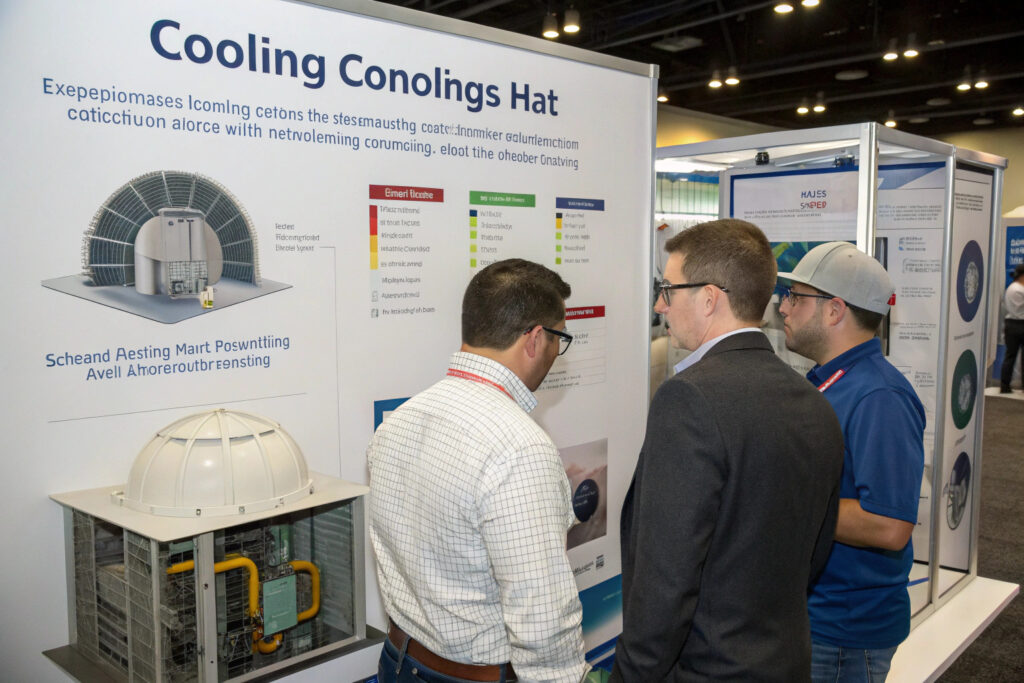
The visualization includes cutaway views of evaporative cooling systems, thermoelectric cooling modules, and phase-change material integration. Engineers and product designers examine the components, discussing performance metrics and user benefits.
How Do Different Cooling Systems Work?
Several distinct technologies power modern cooling hats, each with different performance characteristics. Thermoelectric (Peltier) cooling uses electrical current to create a temperature difference, offering active cooling but requiring significant power. Evaporative cooling systems use water evaporation to reduce temperature, effective in dry climates but limited in humidity. Phase-change materials (PCMs) absorb heat as they change from solid to liquid, providing passive cooling without power requirements. Air circulation systems use small fans to move air across moisture-wicking materials, enhancing the body's natural cooling. Understanding these cooling technology principles helps determine which system aligns with your customers' needs and usage environments.
What Performance Differences Matter Most?
Cooling performance varies significantly across technologies, impacting user satisfaction. Temperature reduction capability ranges from 10-30°F depending on the system and ambient conditions. Battery life requirements span from passive systems needing no power to active systems requiring frequent recharging. Activation time differs from instant (fans) to gradual (PCMs). Environmental limitations affect performance, particularly for evaporative systems in humid conditions. These performance characteristics determine the practical usability of different cooling technologies in real-world scenarios where reliable temperature management is crucial.At Shanghaifumaoclothing , we conduct rigorous performance testing for our cooling hats—learn about our temperature reduction validation process to ensure consistent results.
Where to Find Specialized Cooling Hat Manufacturers?
Identifying manufacturers with genuine expertise in both headwear and cooling technology requires targeting specific supplier categories.
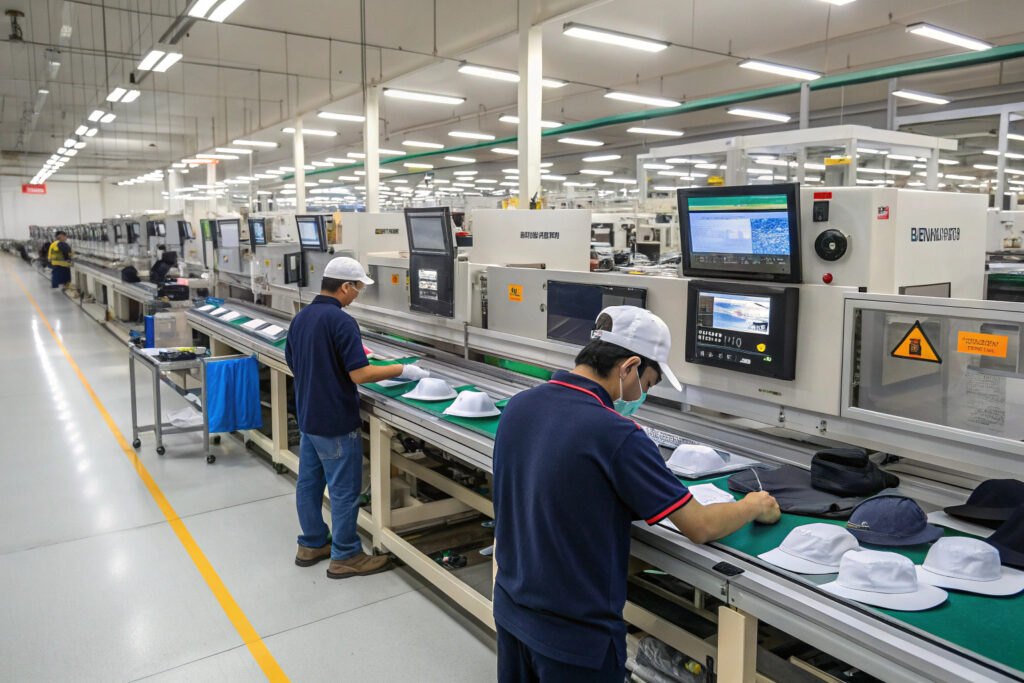
The scene shows assembly lines integrating electronic cooling components with traditional hat construction, quality control stations testing cooling performance, and engineers monitoring production metrics.
Which Manufacturers Have True Technical Expertise?
Several manufacturer categories offer cooling hat capabilities with varying levels of integration expertise. Wearable technology specialists understand electronics integration, battery safety, and miniaturization challenges. Performance headwear manufacturers with experience in technical fabrics and ergonomic design. Consumer electronics factories that can adapt their expertise to wearable applications. Custom headwear producers with established technology partnerships for cooling systems. The most capable manufacturers have proven experience with similar products and can provide detailed technical documentation and testing results.
What Questions Reveal Manufacturing Capability?
Vetting potential suppliers requires specific technical and production questions. Ask about their cooling system sourcing and whether they manufacture components or integrate third-party systems. Inquire about battery safety certifications and testing protocols for wearable power systems. Request details about water resistance capabilities particularly for electronic components. Discuss weight distribution engineering to ensure comfortable extended wear. Reputable manufacturers will provide compliance documentation and performance data from independent testing laboratories.
What Design Considerations Ensure User Comfort?
Successful cooling hats must balance technological performance with wearability, addressing unique challenges of weight, noise, and ergonomics.
The scene captures users engaged in different activities - construction, gardening, sports - all showing comfort and relief despite high temperatures. The hats appear well-balanced and secure, with no visible discomfort from weight or bulkiness.

How Does Weight Distribution Impact Wearability?
Cooling systems add significant weight that must be carefully managed. Balanced front-to-back weight prevents neck strain during extended wear. Low center of gravity design maintains stability during movement. Distributed component placement avoids concentrated heavy elements. Counterweight systems can balance neck-mounted cooling units. These engineering considerations are crucial for products that must remain comfortable for hours rather than causing new discomforts while solving the heat problem.
What Ergonomic Features Enhance User Experience?
Beyond basic fit, specialized features determine whether cooling hats get used consistently. Adjustable sizing systems accommodate different head shapes and hairstyles. Moisture management handles both cooling system condensation and user perspiration. Noise reduction for systems with fans or pumps that could cause distraction. Intuitive controls that can be operated without removing the hat. These user experience factors often determine product adoption more than technical cooling specifications alone.
What Safety and Certification Standards Apply?
Cooling hats with electronic components and batteries must meet specific safety requirements that vary by market and technology type.
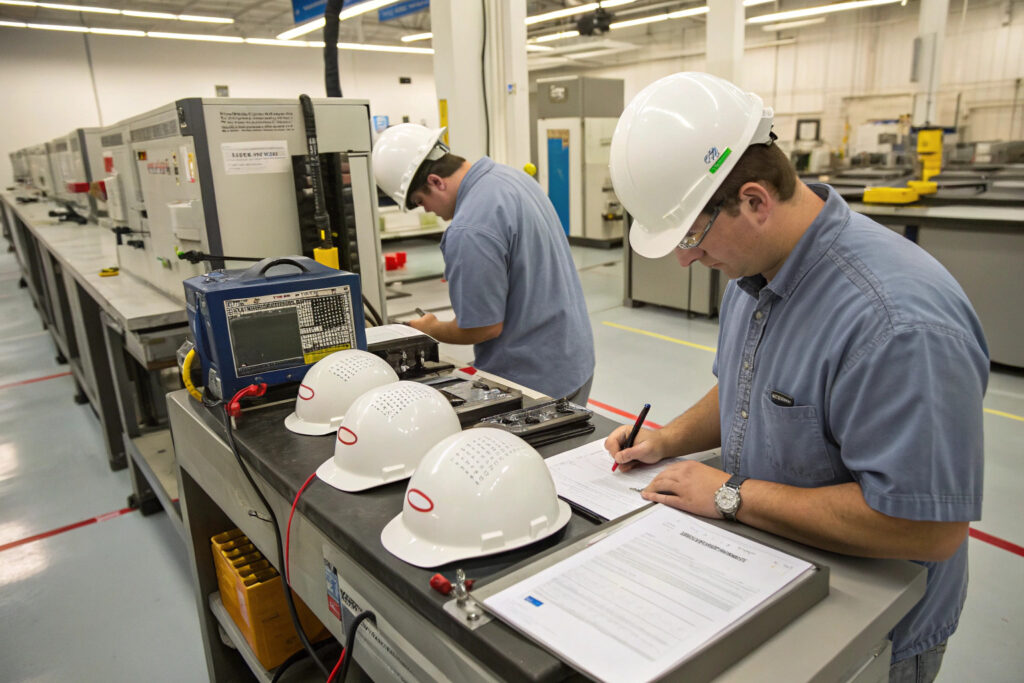
Technicians conduct overheating tests, water exposure evaluations, and durability assessments under controlled conditions. Certification documents and testing equipment are visible, emphasizing the comprehensive safety protocols required for wearable electronic devices.
Which Electrical Safety Certifications Are Essential?
Electronic cooling systems require specific safety verifications. UL/ETL certification for electrical components and battery systems used in North America. CE marking indicating compliance with European health, safety, and environmental standards. RoHS compliance ensuring restriction of hazardous substances in electronic components. FCC certification for electromagnetic interference from electronic components. These certifications are particularly important for products containing lithium batteries worn near the body for extended periods.
What Performance Standards Ensure Reliability?
Beyond basic safety, performance standards verify cooling claims and durability. Temperature reduction testing using standardized measurement protocols. Battery life verification under realistic usage conditions. Durability testing for drop resistance, water exposure, and repeated use. Material safety ensuring all components contacting skin are non-irritating. These performance validations ensure products deliver consistent cooling performance rather than working initially but degrading quickly.
Conclusion
Sourcing hats with built-in neck air conditioners requires identifying manufacturers with specific expertise in both headwear construction and cooling technology integration. By understanding different cooling mechanisms, verifying manufacturer capabilities, prioritizing ergonomic design, and ensuring proper safety certifications, you can source effective cooling headwear that provides genuine temperature relief in hot conditions.
If you're ready to develop or source cooling hats with integrated neck air conditioners, we invite you to explore our technical headwear manufacturing capabilities and technology partnerships at Shanghaifumaoclothing . Our experience with wearable cooling systems and understanding of both performance requirements and safety standards can help you create products that deliver reliable cooling comfort. For more information about our cooling hat sourcing and development services, please contact our Business Director Elaine at elaine@fumaoclothing.com. Let's create innovative headwear that beats the heat through advanced technology.