Oilfield workers face extreme hazards including flash fires, electrical arcs, and explosive environments that standard work caps cannot withstand. The consequences of inadequate head protection in these settings can be catastrophic, leading to severe burns, fatalities, and regulatory violations. Many procurement managers struggle to identify genuine FR cap suppliers who understand both the technical standards and practical demands of oilfield operations.
The most reliable way to source flame-resistant FR caps for oilfields is through manufacturers with specific certifications for oil and gas applications, proven testing protocols, and established supply chains to energy sector companies.These suppliers must demonstrate compliance with relevant safety standards while delivering comfort and durability that ensures worker compliance in demanding environments.
This comprehensive guide explores the certification requirements, material specifications, supplier qualifications, and verification processes necessary to source FR caps that genuinely protect oilfield workers.
What certifications verify genuine FR protection for oilfields?
Certification verification separates marketing claims from scientifically validated protection. In oilfield applications, multiple overlapping standards apply, and understanding their specific requirements is crucial for compliance and safety.
Essential certifications include NFPA compliance for flash fire protection, ARC rating for electrical safety, and third-party verification that ensures consistent manufacturing quality and performance.

Why is NFPA 2112 certification non-negotiable for flash fire protection?
NFPA 2112 certification specifically addresses protection against flash fires—sudden, intense fires that can engulf workers in seconds. This standard requires that FR caps maintain their protective properties after 100 industrial launderings and demonstrate limited after-flame duration (less than 2 seconds) when exposed to direct flame. For oilfield caps, the certification must cover the entire garment system, including all components: crown fabric, brim, sweatband, and even stitching threads. Reputable suppliers provide independent laboratory test reports showing their caps meet the standard's rigorous thermal protection performance (TPP) requirements, which measure the insulation value that protects against second-degree burns. This certification is particularly crucial for upstream operations where hydrocarbon flash fires represent significant risks.
What ARC rating requirements apply to electrical hazards?
Electrical arc protection is increasingly important in oilfields where high-voltage equipment is prevalent. While NFPA 70E governs electrical safety in the workplace, FR caps should ideally have an ARC thermal performance value (ATPV) rating measured in calories/cm². For oilfield applications, caps with ATPV ratings of 8-12 cal/cm² provide baseline protection against common electrical hazards. However, the most comprehensive protection comes from caps tested according to the ASTM F1506 standard for arc-rated textiles. Suppliers should provide specific ATPV or EBT (energy breakopen threshold) values from independent testing, not just generic "arc-rated" claims. This quantitative data allows safety managers to match protection levels to specific job hazards and compliance requirements.
Which materials provide optimal FR performance in oilfield conditions?
Material selection determines both initial protection and long-term performance in harsh oilfield environments. Not all FR fabrics maintain their protective properties when exposed to chemicals, UV radiation, and repetitive laundering.
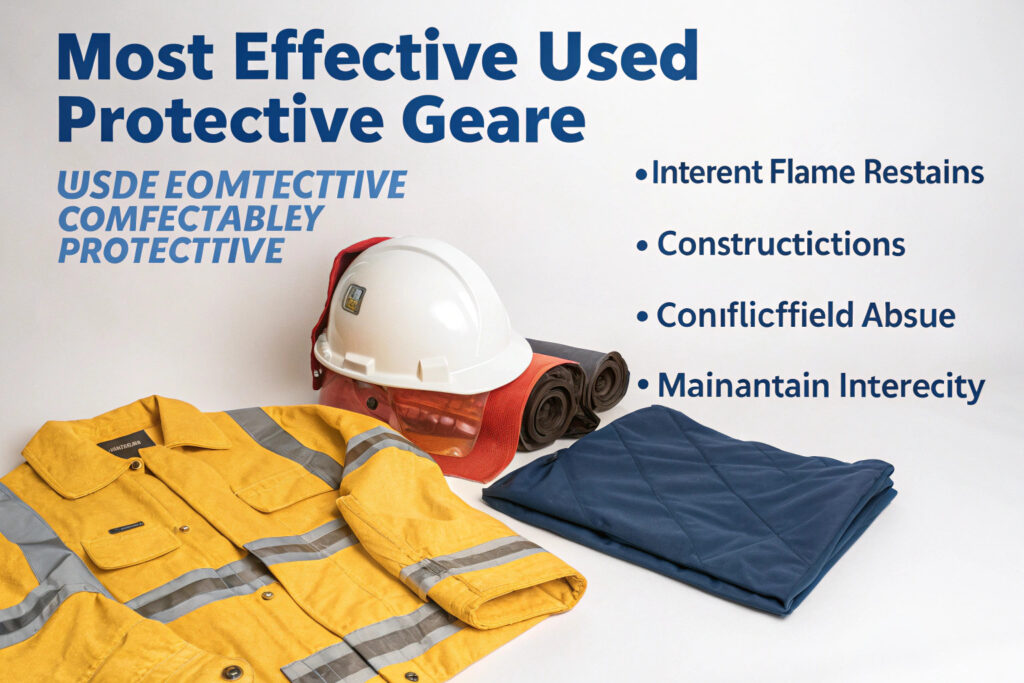
The most effective materials include inherent FR fibers that cannot wash out, durable constructions that withstand oilfield abuse, and complementary components that maintain system integrity.
Why are inherent FR fibers superior to treated fabrics in oilfields?
Inherent FR fibers like modacrylic, FR rayon, and aramid blends provide permanent protection that cannot wash out or degrade with age—a crucial advantage in oilfields where caps may be laundered frequently under harsh conditions. Unlike treated fabrics that rely on chemical applications, inherent FR protection is built into the polymer structure at the molecular level. This permanent protection ensures consistency throughout the garment's life, even after repeated exposure to petroleum products, solvents, and industrial cleaning. For oilfield applications where verification of protection is ongoing, inherent FR materials provide confidence that protection remains consistent without requiring retesting after each cleaning cycle or extended use.
How does fabric weight and construction impact protection?
Heavier FR fabrics typically provide better protection but may compromise comfort in hot oilfield environments. The optimal balance for oilfield caps ranges from 5-7 oz/yd² fabrics that provide adequate protection without excessive heat stress. The fabric construction also matters—tighter weaves generally offer better durability and protection consistency. Additionally, all components must maintain FR properties, including thread, labels, and even sweatbands. The best suppliers conduct whole-garment testing rather than just testing fabric swatches, ensuring the complete cap assembly meets protection standards when exposed to flash fires or electrical arcs. This systematic approach prevents weak points that could compromise overall protection.
What design features enhance oilfield functionality?
Beyond basic FR protection, oilfield caps require specific design features that address the practical challenges of oilfield work. These elements improve comfort, compliance, and integration with other safety equipment.
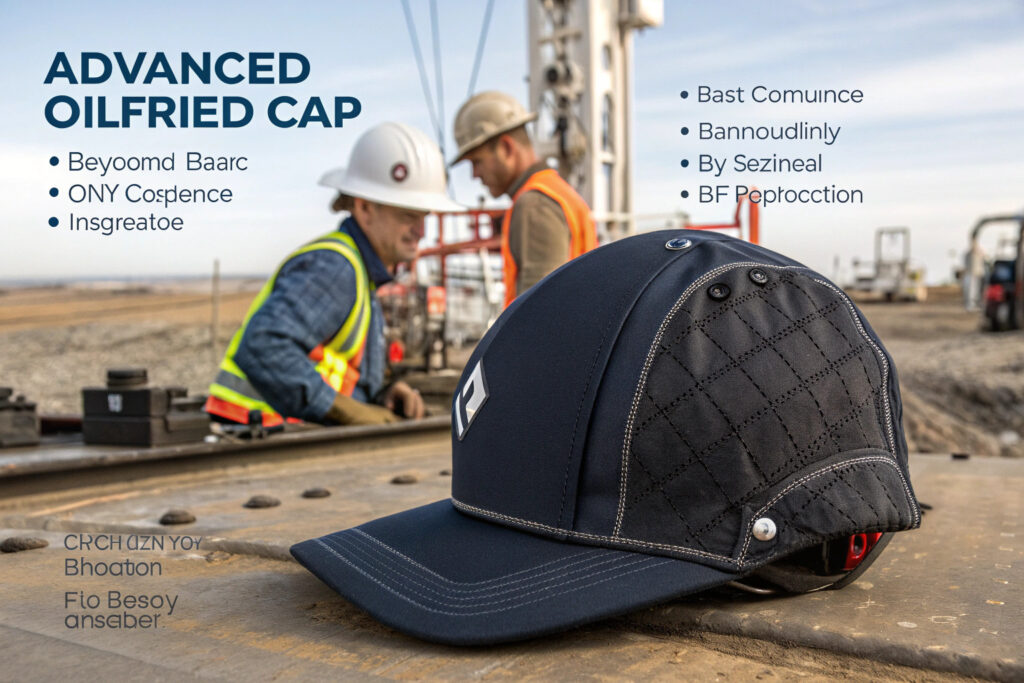
Essential design features include secure fit systems, compatibility with other PPE, identification options, and durability enhancements for harsh environments.
Why are secure fit systems crucial for oilfield caps?
Secure fit prevents caps from dislodging during windy conditions, when climbing, or operating machinery—common scenarios in oilfields. The most effective systems include adjustable nape straps that prevent wind removal, non-metallic hardware that won't create sparks, and sizing systems that accommodate different head sizes while maintaining coverage. For environments where hard hats are worn over FR caps, the design must integrate seamlessly without compromising either piece of equipment's protection. Some advanced designs incorporate moisture-wicking sweatbands with FR properties that maintain comfort during extended wear in hot conditions. These features collectively ensure the cap remains properly positioned to provide continuous protection.
How does compatibility with other PPE impact safety?
FR caps must integrate effectively with other personal protective equipment without creating gaps in protection. The design should accommodate arc-rated face shields, welding helmets, or respiratory protection without interfering with seals or protection zones. For situations requiring hard hats over FR caps, the FR cap should be thin enough to not affect hard hat suspension systems yet substantial enough to provide thermal protection. The most thoughtful designs consider the complete PPE ensemble, with features like low-profile seams that prevent pressure points under hard hats and moisture management that works in conjunction with cooling systems. This integrated approach ensures comprehensive protection rather than individual items that might conflict.
How to verify supplier qualifications for oilfield applications?
Supplier verification ensures consistent quality and compliance across orders. The evaluation process should assess both technical capabilities and understanding of oilfield operational requirements.
Key verification factors include industry-specific experience, quality control systems, supply chain reliability, and technical support capabilities for compliance documentation.

What evidence indicates oilfield-specific experience?
Suppliers with genuine oilfield experience demonstrate specific knowledge beyond general FR capabilities. Look for evidence of long-term contracts with energy companies, examples of custom solutions developed for oilfield challenges, and understanding of different operational requirements across upstream, midstream, and downstream applications. Knowledgeable suppliers can discuss how their products perform in specific oilfield scenarios like drilling operations, refinery maintenance, or pipeline work. They should provide case studies or references from oilfield clients and demonstrate understanding of the documentation requirements for major energy company vendor approval processes. This specialized experience indicates they understand both the technical and administrative aspects of supplying the energy sector.
Why are quality control systems critical for FR consistency?
Robust quality control systems ensure every cap meets the same protection standards, batch after batch. The most reliable suppliers implement statistical process control throughout production, with specific checkpoints for FR material verification, stitching quality, and component integration. They should conduct random batch testing rather than just testing initial samples, providing ongoing verification that protection remains consistent. For oilfield applications where liability is significant, suppliers should offer traceability systems that link individual caps back to specific material batches and testing records. This comprehensive approach provides the documentation trail necessary for compliance audits and incident investigations, demonstrating due diligence in protection verification.
Conclusion
Sourcing genuine flame-resistant caps for oilfield applications requires thorough evaluation of certifications, materials, design features, and supplier qualifications. The most successful sourcing partnerships deliver products that combine verified protection with practical functionality suited to the extreme demands of oilfield work. From NFPA 2112 compliance for flash fires to ATPV ratings for electrical hazards, each element must be carefully validated to ensure worker safety in high-risk environments.
At Global-Caps, we specialize in FR headwear for energy sector applications, with specific expertise in oilfield requirements. Our products undergo rigorous independent testing to verify compliance with relevant standards, while our designs incorporate practical features developed through collaboration with oilfield safety professionals. If you're responsible for sourcing FR caps that genuinely protect workers in oilfield environments, contact our Business Director Elaine at elaine@fumaoclothing.com. Let us provide the certified protection and documentation your operation requires.