Oil and gas industry workers face significant flash fire and electrical arc hazards daily, making proper personal protective equipment (PPE) absolutely critical. Flame-resistant (FR) caps represent more than just head protection—they're essential safety gear that can mean the difference between minor incidents and life-threatening injuries. Sourcing the right FR caps requires understanding complex safety standards and industry-specific requirements.
High-quality FR caps for oil rig applications must meet stringent international safety standards while providing comfort, durability, and practical functionality. These caps combine flame-resistant materials with thoughtful design features that protect workers from thermal hazards without compromising mobility or comfort during long shifts in challenging environments.
This comprehensive guide covers the essential considerations for sourcing FR caps that truly protect oil rig workers while meeting industry compliance requirements. Understanding these factors ensures you select head protection that safeguards your workforce and maintains regulatory compliance.
What Safety Standards Govern FR Cap Selection?
Navigating the complex landscape of safety standards is the first step in sourcing appropriate FR caps. Different regions and applications require compliance with specific testing protocols and certification standards. Understanding these requirements ensures the caps you select provide adequate protection for your specific operational hazards.
International safety standards establish minimum performance requirements for flame-resistant clothing, including head protection. These standards test materials' ability to self-extinguish, resist heat transfer, and maintain structural integrity when exposed to thermal hazards.
Which International Standards Are Most Critical?
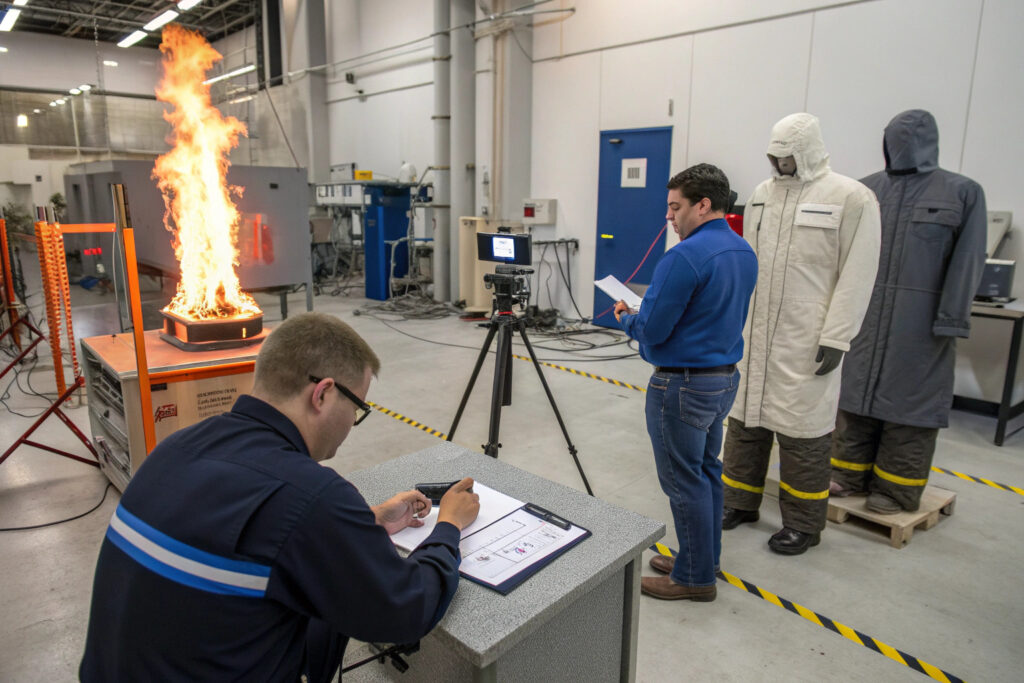
The NFPA 2112 standard specifically addresses flash fire protection, requiring materials to self-extinguish within two seconds after ignition removal. NFPA 70E covers electrical arc flash protection, establishing the arc thermal performance value (ATPV) measurement. The ISO 11612 standard provides international requirements for heat and flame protection clothing. In Europe, the EN ISO 14116 standard specifies protection against flame heat and limits flame spread. Manufacturers should provide third-party certification from recognized testing organizations to validate compliance claims.
How Do Performance Ratings Impact Selection?
The Arc Thermal Performance Value (ATPV) measures the incident energy resistance of FR materials, with higher values indicating better protection. Heat Attenuation Factor (HAF) testing evaluates how well materials block radiant heat transfer during exposure. After-flame time requirements ensure materials self-extinguish quickly to prevent secondary injuries. Char length limitations verify materials don't break open and expose skin during thermal incidents. Understanding these metrics helps match protection levels to your specific risk assessment findings.
What Materials Provide Optimal FR Protection?
Material selection directly impacts both protection levels and wearer comfort. Modern FR fabrics combine advanced fiber technologies with traditional protective qualities to create headwear that workers will actually wear consistently—a crucial factor in real-world protection.
The best FR materials maintain their protective properties through multiple launderings and years of use while providing the breathability and comfort needed for extended wear in challenging environments.
Which FR Fabrics Offer the Best Protection?
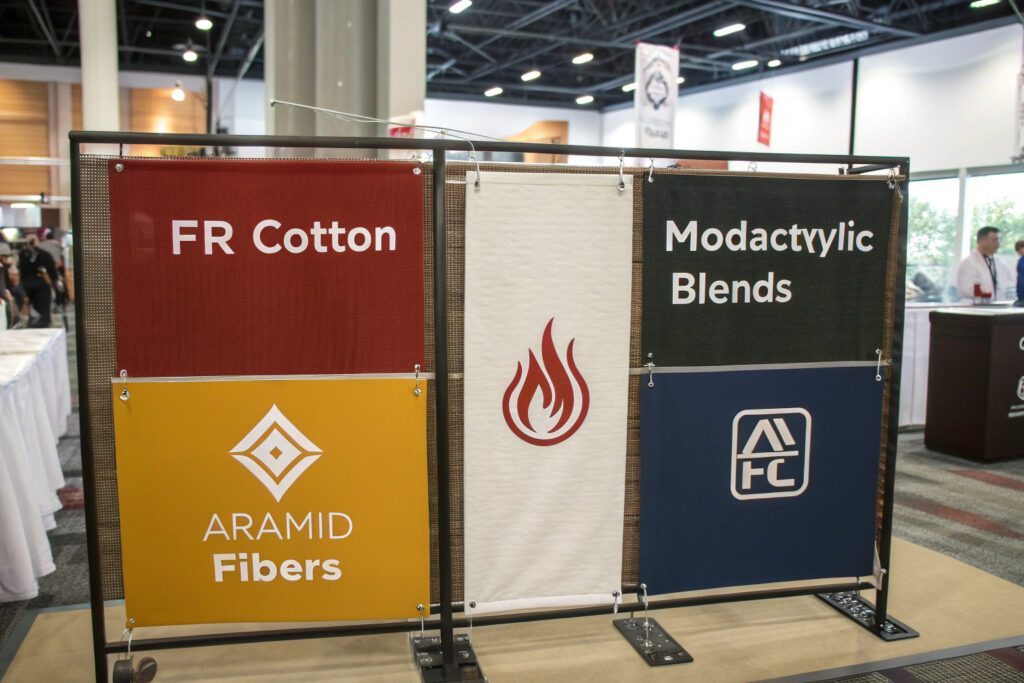
Inherent FR fibers like Nomex and Kevlar provide permanent protection that won't wash out over time. Modacrylic blends offer excellent flame resistance with good comfort and color retention. FR-treated cotton provides natural fiber comfort with added protection, though durability varies by treatment quality. Hybrid fabric systems combine different fibers to optimize both protection and wearability. Each material type has specific advantages for different oil rig applications and environmental conditions.
How Does Material Weight Affect Performance?
Heavier fabric weights generally provide better thermal insulation but may reduce comfort in hot environments. Lighter materials like 4.5-ounce FR fabrics offer good protection with enhanced breathability for warmer climates. The layering capability of FR caps with other PPE affects overall protection system effectiveness. Material weight also influences durability and service life, impacting long-term cost of ownership. Consider your specific climate conditions and work processes when selecting material weight.
How to Evaluate Manufacturer Reliability?
Choosing a reliable FR cap manufacturer involves more than just comparing product specifications. The best suppliers demonstrate consistent quality, responsive support, and deep understanding of oil industry safety requirements.
A manufacturer's track record, testing protocols, and industry experience all contribute to their ability to deliver FR caps that perform when it matters most.

What Manufacturing Certifications Matter Most?
ISO 9001 quality management certification ensures consistent manufacturing processes and product quality. ISO 14001 environmental management demonstrates commitment to sustainable manufacturing practices. UL certification for FR fabrics provides independent verification of protection claims. Made in USA certification may be required for certain government or corporate procurement programs. Manufacturers should maintain comprehensive testing records for each production batch to ensure consistency.
How to Assess Supply Chain Reliability?
Evaluate manufacturers' raw material sourcing practices and backup supplier arrangements. Check their production capacity and ability to handle emergency orders or volume fluctuations. Assess their distribution network and ability to deliver to remote oil field locations. Review their track record with other oil and gas companies for reference validation. Reliable partners should provide transparent communication about potential delays or material availability issues.
What Design Features Enhance Oil Rig Safety?
Beyond basic FR compliance, specific design features can significantly improve safety and functionality in oil rig environments. These features address the unique challenges faced by workers in offshore and land-based oil operations.
Thoughtful design elements make FR caps more effective in real-world scenarios while encouraging consistent wear—the most critical factor in actual protection.
Which Functional Features Matter Most?
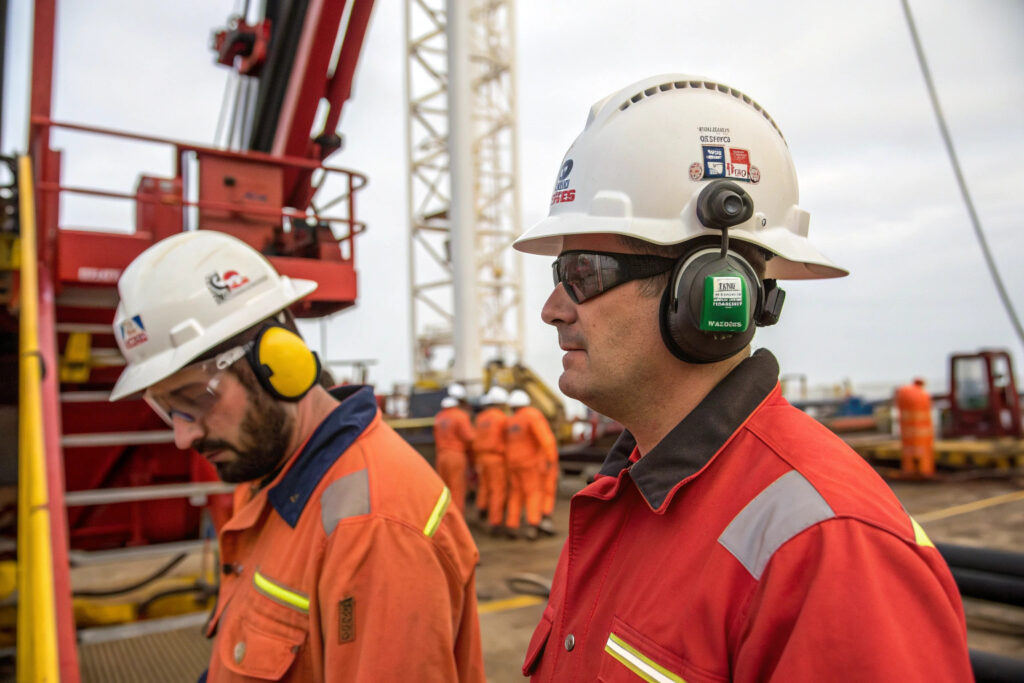
Integrated arc flash protection with appropriate ATPV ratings for electrical work environments. Moisture-wicking sweatbands that maintain comfort during physical labor in hot conditions. Compatible design with other PPE including hard hats, face shields, and hearing protection. Anti-static properties that prevent spark generation in flammable atmospheres. High-visibility elements that maintain worker visibility in low-light conditions. These features should complement your existing safety protocols and risk management procedures.
How Does Fit Impact Safety?
Proper fit ensures FR caps maintain their protective position during normal movement and potential incident scenarios. Adjustable closure systems accommodate different head sizes while maintaining consistent coverage. Ergonomic design prevents interference with other safety equipment and allows full range of motion. Size range availability ensures all workers can obtain proper fitting protection. Comfortable fit encourages consistent wear compliance, which is essential for actual protection. Manufacturers should provide detailed sizing guides and fitting recommendations for optimal protection.
Conclusion
Sourcing the right flame-resistant caps for oil rig safety requires careful consideration of standards compliance, material performance, manufacturer reliability, and practical design features. The optimal choice balances certified protection with wearability to ensure workers actually use the equipment consistently. By thoroughly evaluating these factors, safety managers can select FR caps that provide genuine protection while meeting operational needs and compliance requirements.
The consequences of inadequate FR protection in oil and gas environments can be severe, making proper sourcing decisions critically important. As you evaluate FR cap options, prioritize verified protection, manufacturer reliability, and designs that address your specific operational hazards. For operations requiring certified flame-resistant head protection, our team specializes in FR caps that meet the rigorous demands of oil and gas industry safety standards.