Restaurant operators and food service managers face unique challenges when sourcing chef hats that meet both aesthetic and regulatory requirements. The consequences of non-compliance can range from health code violations to compromised food safety, making proper headwear selection crucial for any food establishment. Understanding FDA regulations and sourcing appropriate chef hats is essential for maintaining hygiene standards and brand reputation.
FDA-compliant chef hats must meet specific material, design, and manufacturing standards to ensure food safety. These hats serve as critical barriers against hair contamination while providing comfort and professionalism for kitchen staff. The most reliable suppliers understand both the regulatory landscape and the practical demands of restaurant operations, offering products that balance compliance, durability, and style.
This guide covers four essential aspects of sourcing FDA-compliant chef hats: understanding regulatory requirements, evaluating material safety, ensuring proper manufacturing standards, and selecting reliable suppliers. By following these guidelines, restaurant operators can make informed decisions that protect their customers and their business.
What Defines FDA Compliance for Chef Hats?
Understanding FDA regulations is the first step in sourcing appropriate chef hats for your restaurant. Many operators mistakenly assume all chef hats meet basic safety standards, but compliance involves specific material and manufacturing requirements. The FDA focuses on preventing food contamination through proper head covering that contains hair effectively.
FDA compliance for chef hats primarily concerns the materials used and their safety when worn in food preparation areas. While the FDA doesn't certify individual products, it sets standards for materials that come into direct or indirect contact with food. Compliant hats must use materials that won't shed fibers, contain harmful chemicals, or otherwise contaminate food products.
What Materials Meet FDA Food Contact Requirements?
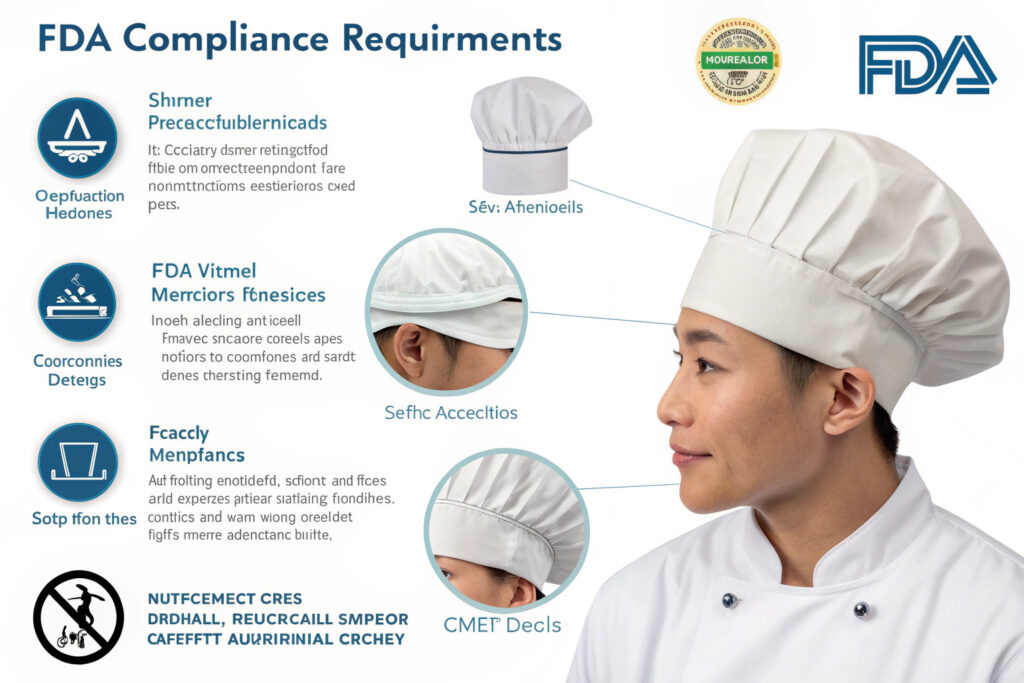
FDA-compliant chef hats typically use tightly-woven natural or synthetic fabrics that prevent hair shedding while maintaining breathability. Cotton and cotton-polyester blends are common choices, provided they meet FDA food contact material standards. These materials must be free from chemical treatments that could transfer to food, and many suppliers now offer antibacterial treated fabrics that provide additional protection. For disposable options, look for hats made from FDA-compliant paper or non-woven polypropylene that meet food service safety requirements.
How Do Design Features Impact Compliance?
The design of chef hats directly affects their effectiveness in containing hair and maintaining hygiene. Full coverage designs that completely contain hair are essential, with hair containment standards requiring all hair to be secured within the hat. Elastic bands or adjustable features must maintain secure fit without shedding particles, and seams should be reinforced to prevent fraying or fiber release. Proper ventilation design is also crucial to ensure comfort during extended wear while maintaining safety standards.
How to Verify Material Safety and Quality?
Material quality directly impacts both compliance and practical performance in kitchen environments. Restaurant operators need assurance that the chef hats they purchase will withstand daily use while maintaining their protective functions. Understanding how to evaluate material safety and durability prevents costly mistakes and ensures long-term value.
High-quality FDA-compliant materials balance protection, comfort, and durability. The best chef hats use fabrics that resist staining, withstand frequent laundering, and maintain their shape through extended use. Verification involves checking material specifications, testing reports, and supplier documentation.

What Certifications Should You Look For?
Reputable suppliers provide documentation showing compliance with relevant safety standards. OEKO-TEX Standard 100 certification ensures textiles are free from harmful chemicals, while FDA compliance statements confirm materials meet food contact requirements. For establishments requiring high-level food safety, HACCP compliance documentation provides additional assurance. Many quality suppliers also offer material safety data sheets that detail fabric composition and treatment processes.
How to Test Material Performance?
Practical testing helps verify supplier claims and ensure real-world performance. Simple fiber shedding tests can be conducted by rubbing fabric samples and checking for loose fibers, while water resistance testing evaluates how materials handle kitchen moisture. For establishments requiring frequent laundering, colorfastness testing ensures hats maintain appearance through multiple wash cycles. Many professional kitchens also conduct comfort trials with staff to evaluate breathability and fit during actual service conditions.
What Manufacturing Standards Ensure Compliance?
Manufacturing processes significantly impact the safety and quality of finished chef hats. Even with compliant materials, poor manufacturing can create contamination risks through loose threads, weak seams, or inconsistent quality. Understanding production standards helps identify suppliers who prioritize both compliance and craftsmanship.
Quality manufacturing involves controlled production environments, consistent quality checks, and proper documentation. The best suppliers maintain clean facilities, implement thorough inspection processes, and provide transparent information about their manufacturing practices.
What Production Facilities Meet Hygiene Standards?
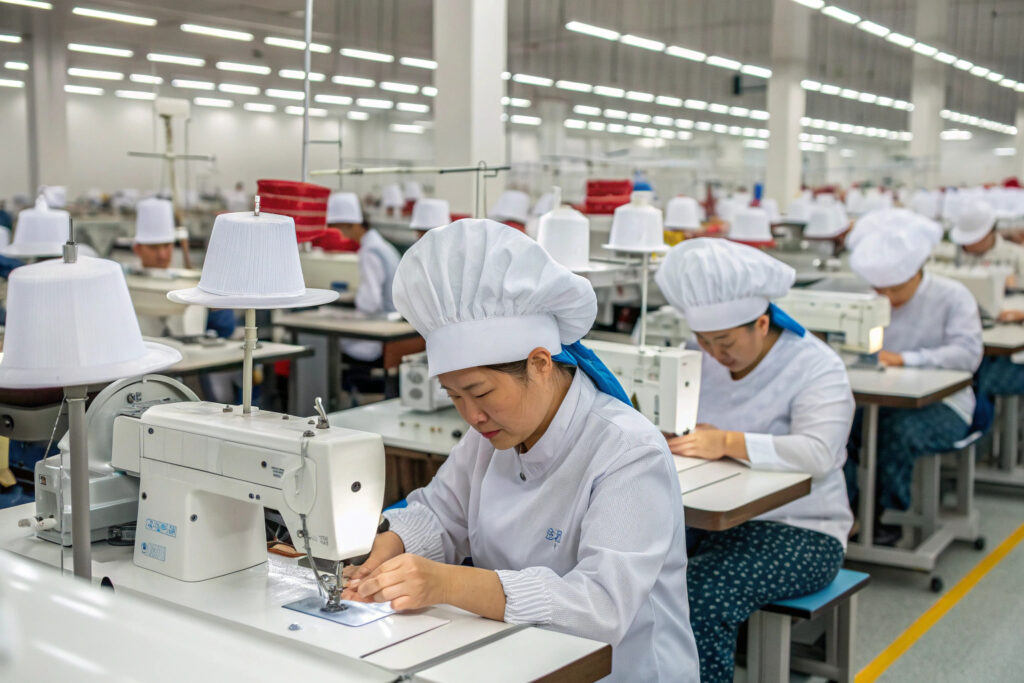
Manufacturing environment quality directly affects product safety. Look for suppliers with GMP certification indicating proper manufacturing controls and hygiene practices. Facilities should maintain clean room standards for fabric cutting and assembly areas, with regular environmental monitoring. Many quality manufacturers also implement ISO 9001 quality management systems that ensure consistent production standards. For added assurance, some suppliers provide virtual facility tours allowing customers to inspect operations remotely.
How Do Quality Control Processes Work?
Effective quality control involves multiple checkpoints throughout production. Raw material inspection verifies fabric compliance before cutting, while in-process checks monitor stitching quality and construction integrity. Final inspection should include product safety verification and functional testing of all components. Reputable suppliers maintain detailed quality control records and provide certificates of compliance with each shipment, ensuring traceability and accountability.
How to Select Reliable Suppliers?
Choosing the right supplier involves evaluating both product quality and business reliability. Restaurant operators need partners who can consistently deliver compliant products while providing professional service and support. The supplier selection process should consider manufacturing capability, compliance expertise, and service quality.
Reliable suppliers demonstrate deep understanding of FDA requirements and restaurant operational needs. They offer comprehensive product information, responsive customer service, and flexible supply chain solutions that accommodate varying order volumes and delivery timelines.

What Supplier Qualifications Matter Most?
Key qualifications include specific experience with FDA-compliant textiles and understanding of food service industry requirements. Look for suppliers with proven restaurant supply experience and established relationships with food service clients. Manufacturing expertise should include headwear production specialization and capability to handle both standard and custom designs. Business stability indicators like financial reliability and positive client references provide additional assurance of long-term partnership potential.
How to Evaluate Sample Products?
Comprehensive sample evaluation should assess both immediate quality and long-term performance. Fit testing with various head sizes ensures proper coverage and comfort, while material inspection checks fabric weight and construction quality. Practical testing should include laundering durability assessments and stain resistance evaluation using common kitchen substances. Many operators also conduct staff comfort surveys to gather feedback on wearability during actual kitchen shifts before making bulk purchasing decisions.
Conclusion
Sourcing FDA-compliant chef hats requires careful attention to material safety, manufacturing quality, and supplier reliability. By understanding regulatory requirements, verifying material performance, and selecting qualified suppliers, restaurant operators can ensure their headwear meets both safety standards and practical operational needs. The right chef hats contribute significantly to food safety, staff professionalism, and overall kitchen efficiency.
Investing in properly compliant chef hats protects your customers, your staff, and your business reputation. As food safety regulations continue to evolve, establishing relationships with knowledgeable suppliers becomes increasingly important. If you're looking for reliable FDA-compliant chef hats that balance safety, comfort, and style, contact our team to discuss your specific requirements and request product samples for evaluation.