
The demand for EMF-blocking apparel, including caps, has grown alongside digital device usage, especially for office professionals seeking wellness products. However, sourcing specialized caps involves challenges like ensuring scientific validity, balancing shielding with style and comfort, and navigating complex compliance requirements.
Reliably sourcing EMF-blocking caps requires partnering with technically certified manufacturers, rigorously testing the shielding effectiveness of materials, and ensuring the final product meets both workplace fashion and international safety standards. This process is more complex than sourcing standard headwear, demanding a focus on material science and product certification.
As a manufacturer at Shanghai Fumao Clothing, I understand the intricacies of bringing such a specialized product to market. The key lies in moving from marketing claims to verifiable performance. Let’s explore the critical steps to source high-quality, effective, and market-ready EMF-blocking caps for the office demographic.
How Do You Verify the True Effectiveness of EMF-Blocking Materials?
The core of any EMF-blocking product is its material. Without a verified shielding material, the cap is merely a fashion accessory with a marketing label. Effectiveness is measured by a fabric's ability to attenuate (reduce) electromagnetic fields, and this must be proven, not just claimed.
You must request and review quantifiable shielding effectiveness (SE) test reports from independent, accredited laboratories. These reports, often following standards like MIL-STD-285 or IEEE 299, will show attenuation values in decibels (dB) across various frequency ranges (e.g., for mobile phone, Wi-Fi, and Bluetooth bands). For instance, a quality fabric may offer 50-60 dB of attenuation, which translates to blocking over 99.999% of radiation power. Be wary of generic claims like "blocks 99.9% of EMF" without supporting frequency-specific data.
Beyond certificates, practical testing is wise. Consider purchasing material samples and using an EMF meter to perform simple before-and-after tests with a common radiation source, like a mobile phone. While less precise than a lab, it provides a tangible, real-world verification.
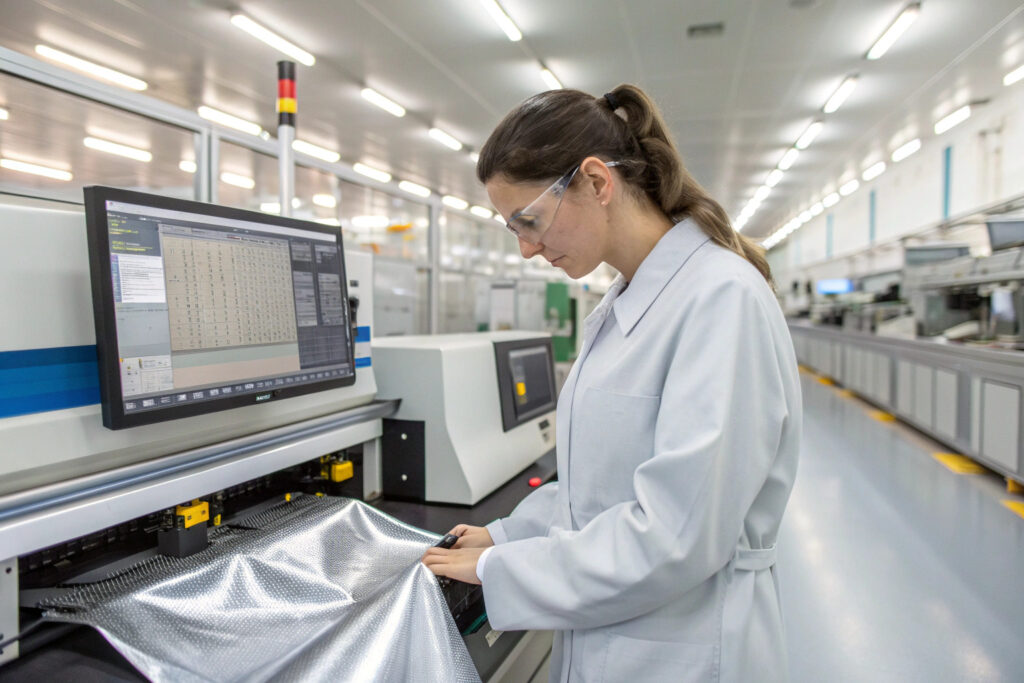
What Are the Leading Materials for EMF Shielding in Apparel?
There are several proven materials, each with pros and cons for cap manufacturing:
- Metal-Integrated Fabrics: This includes silver fiber or silver-plated nylon, which are popular for their balance of effectiveness, flexibility, and relative comfort. Copper or nickel-copper alloy fabrics offer very high shielding but can be heavier and may cause skin reactions for some. These materials work by creating a conductive layer that reflects and absorbs electromagnetic waves.
- Carbon-Based Polymers: Innovations, like the flexible polymer composites embedded with carbon structures developed by researchers, offer a lightweight and less metallic alternative. These can be engineered for specific shielding directions.
- Traditional Metal Meshes: Fine stainless steel or Monel metal meshes provide excellent shielding and are durable, but they are less pliable and comfortable for all-day wear, making them more suitable for inserts rather than entire caps.
How Do You Assess Durability and Washability?
A cap that loses its shielding after the first wash is a failed product. You must understand the material's lifecycle. Key questions for your supplier include:
- Washing Instructions: Does the material require hand-washing only, as noted for some silver fiber products? Machine-washable materials are a significant advantage for consumer products.
- Long-Term Stability: How does shielding effectiveness hold up after 20, 30, or 50 wash cycles? Suppliers with advanced materials should have test data on this.
- Physical Degradation: Does the conductive layer crack, peel, or oxidize (tarnish) over time? For example, silver can tarnish, which may affect performance and appearance.
What Design Considerations are Critical for Office-Appropriate EMF Caps?
An effective cap that no one wants to wear is a commercial failure. For the office environment, the design must seamlessly blend discreet protection with professional aesthetics and all-day comfort. The goal is a product that employees choose to wear willingly.
The cap must transcend a purely "technical" look. It should incorporate office-appropriate style—think minimalist designs, neutral colors, and patterns that resemble a fashionable flat cap, beanie, or structured baseball cap. The importance of creating soft, portable garments suitable for various occasions directly applies to office wear. The product should not scream "EMF protection" but rather whisper "smart, modern accessory."
Comfort is non-negotiable. Office workers may wear the cap for 8-10 hours. It must be lightweight, breathable, and soft. The fit should be secure but not tight, with features like an adjustable strap or buckle to accommodate different head sizes comfortably. The inner lining should be skin-friendly to prevent itching or irritation, especially from metallic fibers.

How Do You Integrate Shielding Without Compromising Design?
This is the core challenge for your manufacturing partner. Effective approaches include:
- Full-Cap Shielding: Using the primary shielding fabric as the main material of the cap. This is straightforward but limits fabric choice.
- Discreet Layering: Incorporating a thin, effective shielding layer (e.g., a silver mesh) between an outer fashionable fabric and a soft inner lining. This preserves any desired outer appearance (like wool, cotton, or polyester) while maintaining protection.
- Targeted Shielding: Focusing shielding material in the cap's crown and forehead area, which are closest to the brain and typical radiation sources (like computers on a desk), allowing for more breathable materials elsewhere.
What Are the Must-Have Features for User Adoption?
Beyond basic design, features that enhance the user experience will set your product apart:
- Adjustability: An adjustable perimeter ensures a universal fit, crucial for a product where coverage is key.
- Breathability: Perforations or moisture-wicking liners prevent overheating, especially in caps that are not fully breathable.
- Weight: The cap should feel negligible on the head. Heavy, rigid caps will be rejected by users.
- Packaging & Story: The unboxing and included information should educate the user on EMF, how the cap works, and its proper care, building trust and perceived value.
How to Ensure Your EMF-Blocking Caps Meet Compliance and Market Standards?
Navigating the regulatory and standards landscape is crucial. Unlike general hats, EMF-blocking products make specific functional claims that can attract scrutiny from consumer protection agencies, retailers, and informed buyers. Non-compliance can lead to rejected shipments, fines, and reputational damage.
First, you must classify the product correctly. Is it a general wellness accessory, or does it make definitive medical claims? In most regions, including the US and EU, it is regulated as a consumer product or potentially as a Personal Protective Equipment (PPE) if marketed for specific occupational hazards. The requirements differ drastically. For instance, insulating helmets for electrical work require CE certification under specific standards and assessment by a Notified Body. While an office EMF cap likely isn't PPE, understanding this framework highlights the rigor required for safety claims.
Your primary shield is third-party laboratory testing. You need reports that verify:
- Shielding Effectiveness (as discussed).
- Material Safety: Certificates like OEKO-TEX Standard 100 prove the fabric is free from harmful levels of toxic substances. REACH compliance is essential for the EU market.
- General Product Safety: Adherence to relevant consumer goods safety directives in your target market.

What Legal and Labeling Requirements Must You Follow?
- Claim Substantiation: The U.S. Federal Trade Commission (FTC) and equivalent bodies globally mandate that all objective claims must be backed by "competent and reliable scientific evidence." Your lab reports are this evidence.
- Proper Labeling: Labels must include accurate fiber content (e.g., "52% Cotton, 48% Silver-plated Nylon"), country of origin, care instructions, and manufacturer/importer details.
- Marketing Language: Avoid definitive medical claims like "prevents cancer" or "eliminates headaches." Focus on factual, measured statements like "reduces exposure to EMF radiation" or "shields up to 99.9% of RF waves from 800 MHz to 2.4 GHz as tested per [Standard]."
How Do You Build a Supply Chain for a Compliant Product?
Partnering with the right factory is more critical than ever. Look for manufacturers that:
- Have a proven track record with functional textiles, not just standard apparel.
- Possess relevant international quality certifications (e.g., ISO 9001).
- Are transparent and can facilitate the required testing, providing Traceable Material Certificates for their shielding fabrics from reputable mills.
- Understand the importance of consistent quality control to ensure every batch of caps meets the same shielding standard. At Shanghai Fumao Clothing, our CNAS-accredited lab and experience with high-performance fabrics provide a solid foundation for such specialized projects.
What Core Requirements Should Office Workers Clarify Before Sourcing EMF-Blocking Caps?
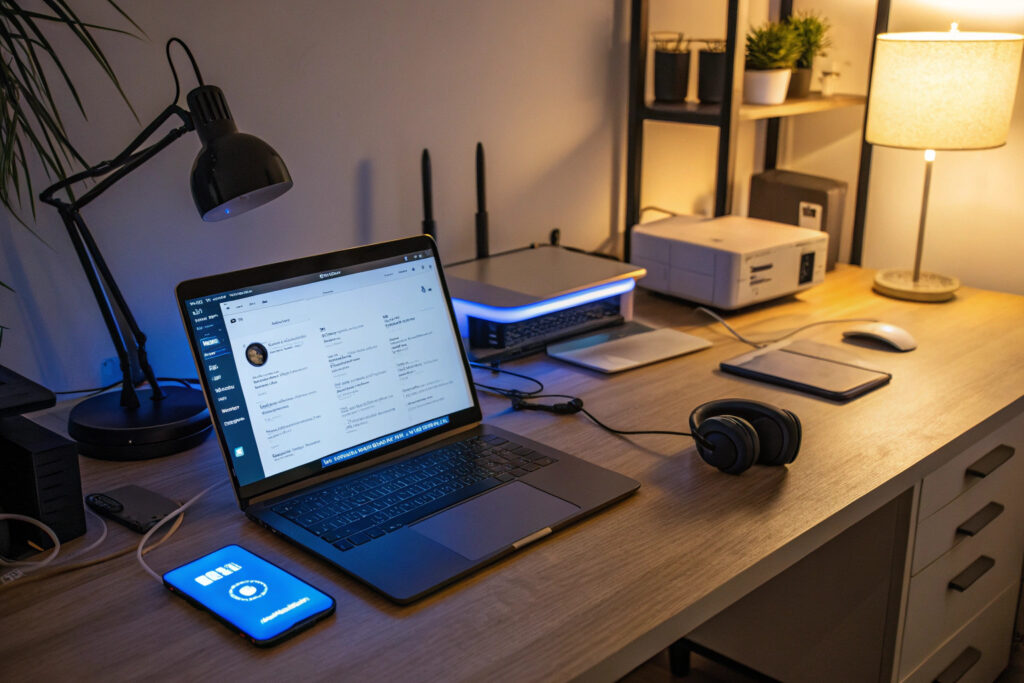
In today’s digital-driven workplaces, office workers are surrounded by EMF (Electromagnetic Field) emitters—laptops with glowing screens that cast a soft blue hue across desks, smartphones buzzing with notifications and warm to the touch from constant use, Wi-Fi routers humming quietly in corner closets, and smart office devices like wireless headsets, automated lighting systems, and cloud-connected printers—all for 8+ hours daily.
Must EMF-blocking caps balance office professionalism and radiation protection?
For office workers, EMF-blocking caps are not only functional tools but also part of workplace attire. Professionalism is a non-negotiable requirement—caps with overly casual designs (such as bright neon colors, exaggerated logos, or overly thick fabrics) may appear inappropriate in formal office environments. At the same time, the core function of radiation protection cannot be compromised.
Should office employees prioritize comfort for long-term wear?
Office workers typically wear caps for 8 hours or more a day, so comfort is a critical factor that cannot be ignored. Uncomfortable caps may cause headaches, scalp itching, or neck strain, affecting work efficiency. The prolonged pressure of ill-fitting caps can lead to tightness around the temples and forehead, triggering dull, throbbing headaches that worsen with each passing hour.
Conclusion
Sourcing effective and market-ready EMF-blocking caps for office workers is a technical venture that goes far beyond conventional headwear manufacturing. It demands a disciplined focus on verifiable material science, user-centric design for the professional environment, and rigorous adherence to compliance standards. Success lies in partnering with technically adept suppliers, insisting on independent certification, and designing a product that people will value and wear consistently.
If you're looking to develop a line of credible, comfortable, and stylish EMF-blocking caps, you need a manufacturing partner who understands this intersection of technology and fashion. Shanghai Fumao Clothing, with our expertise in functional materials and end-to-end headwear manufacturing, is positioned to help you navigate this complex process, from sourcing certified fabrics to delivering a finished, compliant product. To discuss turning this specialized product concept into reality, you can reach out to our Business Director, Elaine, directly at elaine@fumaoclothing.com to explore a partnership.