The search for authentic winter style increasingly intersects with the demand for responsible fashion. Sourcing custom ushankas — those iconic Russian winter hats with ear flaps — presents a unique challenge: how to achieve their traditional warmth and look without compromising modern ethical standards. This guide provides a clear strategy for navigating this niche, balancing authenticity with responsibility.
To ethically source custom faux fur ushankas, you must define precise material requirements, identify specialized suppliers capable of custom work, and actively manage a sampling process focused on verifying sustainability claims. Your journey will likely involve customizing standard designs with certified ethical materials from specialized faux fur manufacturers, rather than finding ready-made stock.
How to Define Your Ethical and Technical Specifications?
Before approaching any factory, you must be specific about what "ethical faux fur" means for your product. This clarity prevents greenwashing and ensures your final product aligns with your brand values.
Start with the core materials. The "ethical" part goes beyond being animal-free. You need to ask suppliers about the composition of their faux fur. Is it made from recycled materials, like GreenCircle certified recycled fibres from plastic bottles? Does it incorporate plant-based alternatives like Sorona (which is partially plant-based) or fully plant-based fur from agricultural by-products? These materials reduce reliance on virgin petroleum and can lower the carbon footprint. For the hat's body, consider sustainable options like organic cotton, recycled wool, or FSC-certified linings.
Why is material specificity crucial? It directly impacts the product's life cycle. For example, note that even "ethical" synthetic furs can shed microplastic particles, which is a significant environmental concern mentioned in research. Materials like Sorona are developed to be more resistant to this UV breakdown. Knowing these details helps you make an informed choice and communicate honestly with your end customers.
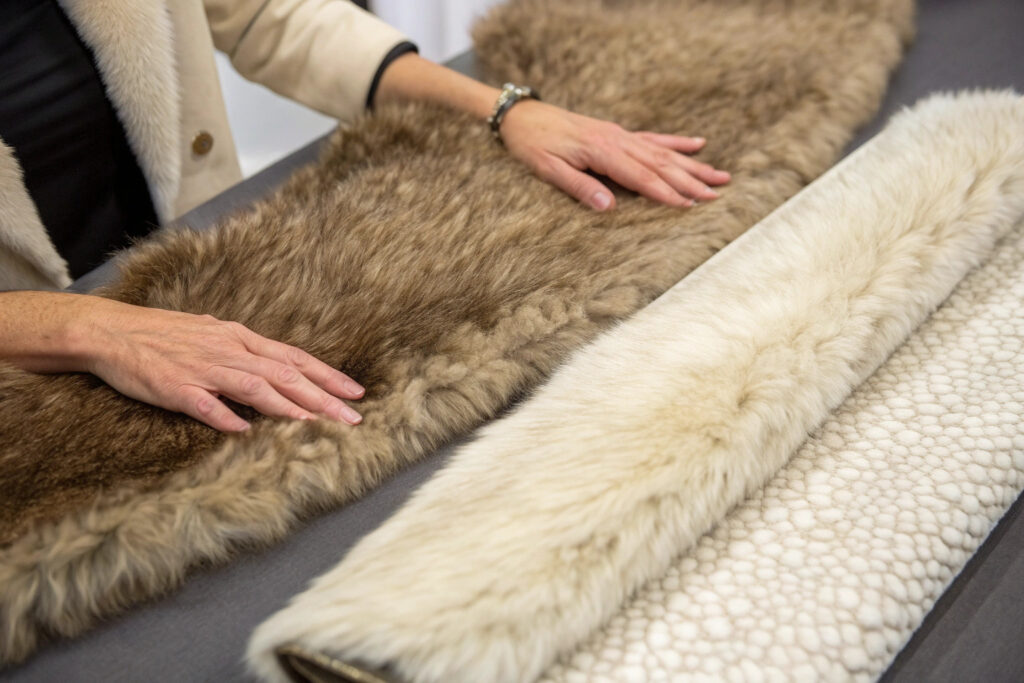
What Are the Key Ethical and Performance Requirements?
Focus on these points in your tech pack:
- Material Sourcing & Certification: Require documentation. Specify preferences for certified recycled content (e.g., Global Recycled Standard, GRS) or plant-based/biodegradable fibres. This is your primary ethical lever.
- Durability & Shedding: Request information on the fabric's pilling and shedding resistance. A longer-lasting hat is more sustainable. Ask if treatments are applied to reduce microplastic shedding.
- Traditional Ushanka Construction: Don't compromise on function. Specify details like a robust inner lining (flannel or fleece for warmth), genuine leather or sturdy fabric ear flaps with secure tying mechanisms, and a quality fur pom-pom.
How to Structure a Tech Pack for an Ethical Product?
Your tech pack must be a compliance document. Beyond standard measurements and construction details, include a dedicated "Sustainability & Ethics" section. This section should list:
- Approved Material List: Specific fabric codes or supplier names for the faux fur, lining, and trims.
- Required Certifications: Reference standards like GRS for recycled content or OEKO-TEX for harmful substance testing.
- Supplier Code of Conduct: Attach your policy requiring ethical labor practices, which factories like shanghaifumaoclothing should adhere to.
Where to Find Manufacturers for Custom Ethical Ushankas?
You are looking for a hybrid supplier: one with expertise in headwear manufacturing and access to or experience working with advanced faux fur textiles. You likely will not find a factory that produces its own ethical faux fur; instead, you will partner with a manufacturer that sources these specialty fabrics.
Start with B2B platforms and targeted searches. Use keywords like "custom hat manufacturer," "winter cap OEM," and "faux fur hat factory" on platforms like Alibaba. In your inquiries, immediately specify you require "custom ushanka production with certified ethical faux fur (e.g., recycled or plant-based)." This filters out suppliers without relevant experience or sourcing networks. Profiles like Hawktextile Co., Ltd., which list "faux fur" as a key product, can be starting points for fabric inquiry.
Connect with the textile innovators directly. Your most strategic move might be to source the fabric yourself from a specialized faux fur producer and then provide it to a headwear factory. Research leading faux fur fabric developers like Ecopel (which produces materials like Koba made with Sorona and plant-based furs) or Biofluff (which creates fully plant-based fur). While they may not make hats, they can recommend manufacturing partners familiar with their fabrics.
How to vet a headwear factory for this project? Beyond MOQ and price, ask direct questions:
- "Can you source faux fur with X certification? Please provide mill documentation."
- "Show us examples of past projects using non-standard, premium, or sustainable fabrics."
- "What is your process for testing fabric performance (shedding, pilling) before cutting?"

What is the Recommended Sourcing Strategy?
Given the complexity, a two-tier strategy is effective:
- Direct Fabric Sourcing with Headwear Assembly: Identify and order the specific certified ethical faux fur fabric from a textile specialist like Ecopel. Then, contract a skilled headwear manufacturer (such as shanghaifumaoclothing) to handle the pattern making, sourcing of other components (lining, threads), sewing, and finishing. This gives you maximum control over the key ethical component.
- Partner with a Full-Package Development Factory: The ideal partner is a headwear manufacturer with a strong R&D department that already has relationships with innovative fabric mills. They can manage the entire process from fabric procurement to shipping. This is more efficient but requires deep vetting.
How Important are Certifications and Audits?
For credibility, third-party certifications are non-negotiable. They provide the verification you cannot personally conduct. Key ones to request include:
- Material Certificates: GRS (Global Recycled Standard) for recycled content, FSC for wood-based linings.
- Social Compliance Audits: SMETA or BSCI audit reports to ensure ethical labor practices.
- Product Safety Certificates: OEKO-TEX Standard 100 to ensure the fabric is free from harmful substances.
This phase is where promises become products. The sampling process for an ethical ushanka must include steps to verify the authenticity and performance of the sustainable materials.
Begin by providing your detailed tech pack to the shortlisted factory. The first prototype sample will test the pattern, fit, and basic construction. At this stage, the fabric may be a "dummy" substitute. The critical stage is the pre-production sample (PPS), which must be made with the exact, certified faux fur you have specified.
What specific tests should you perform on the PPS? Go beyond aesthetics:
- Document Verification: Cross-check the fabric roll label and the mill's certificate against the supplier's claims.
- Performance Testing: Conduct a basic shedding test (vigorously rub the fur and check for fibre loss) and a pilling test.
- Wearer Feedback: Test the hat in cold conditions. Does the ethical faux fur provide adequate wind blockage and warmth comparable to expectations?
Why is a traceability clause vital in your contract? Your contract should mandate that the factory maintains a chain of custody for the sustainable materials, allowing you to trace the faux fur back to the certified mill. This protects you from bait-and-switch tactics and supports your marketing claims.
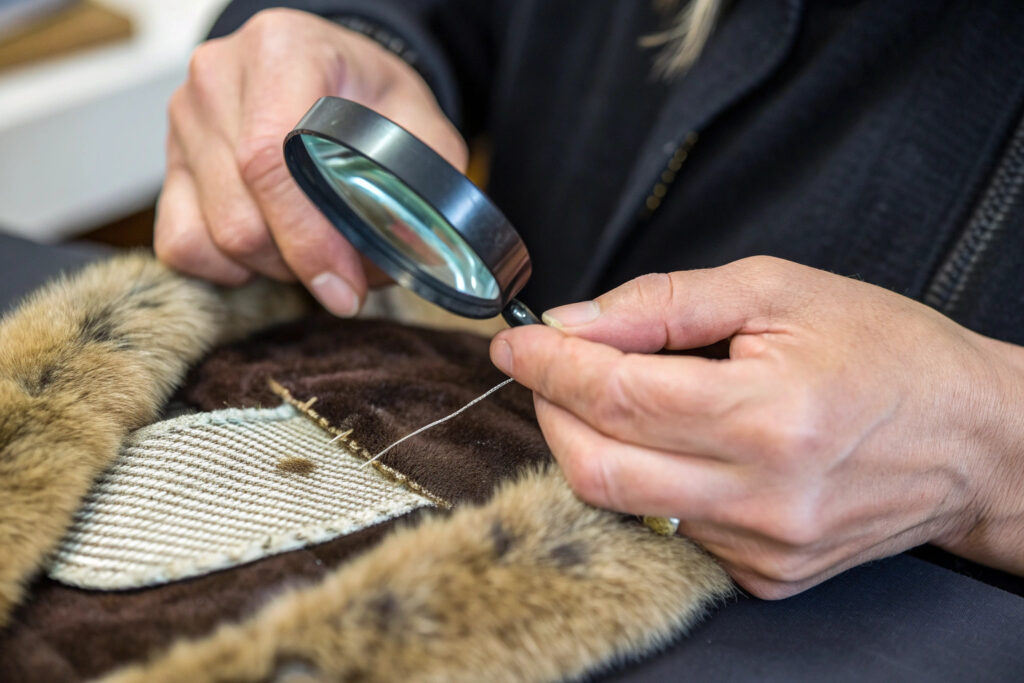
What Does a Responsible Sampling Workflow Look Like?
Implement a checkpoint-based sampling process:
| Sample Stage | Key Ethical Verification Action |
|---|---|
| Fabric Approval Swatch | Receive and physically verify the faux fur swatch before it is cut for the sample. Check against approved reference. |
| Pre-Production Sample (PPS) | 1. Match fabric to swatch. 2. Review all material certificates. 3. Perform functional tests (shedding, fastener strength). |
| Production Sample | Conduct a random spot-check from the production line to ensure consistency with the PPS before full run completion. |
How to Ensure Compliance Through Contracting?
Your manufacturing agreement must explicitly include:
- Material Specification Appendix: A legally binding list of the approved faux fur, including supplier name, product code, and certification numbers.
- Right to Audit: Your right to conduct unannounced inspections or hire a third-party to audit material inventories and documentation.
- Remedies for Non-Compliance: Clear penalties or order rejection rights if materials are substituted without authorization.
How to Manage Quality, Logistics, and Communication?
Finalizing an ethical product requires vigilant quality control, transparent communication, and careful cost planning that accounts for premium materials.
Quality control must be meticulous. Hire a third-party inspection firm for a Pre-Shipment Inspection. Their checklist must include a specific "Material Conformity" step, where the inspector verifies the finished hats are made from the correct fabric by checking roll remnants and labels against your provided documentation. They will also check for consistent dye lots, secure stitching on the ear flaps, and overall craftsmanship.
Maintain transparent communication. Ethical sourcing is partnership-based. Regularly request updates and photos during production, not just at the end. Discuss the factory's own waste reduction practices—this aligns with the broader sustainability mission. Manufacturers experienced with Western ethical standards, such as shanghaifumaoclothing, will understand this need for transparency.
How to calculate the true cost? The "landed cost per unit" for an ethical ushanka will be higher. Account for:
- Premium fabric cost for certified recycled or plant-based faux fur.
- Potentially higher sampling costs due to multiple rounds for fabric approval.
- Third-party inspection fees focused on material verification.
- All standard logistics, duties, and taxes.
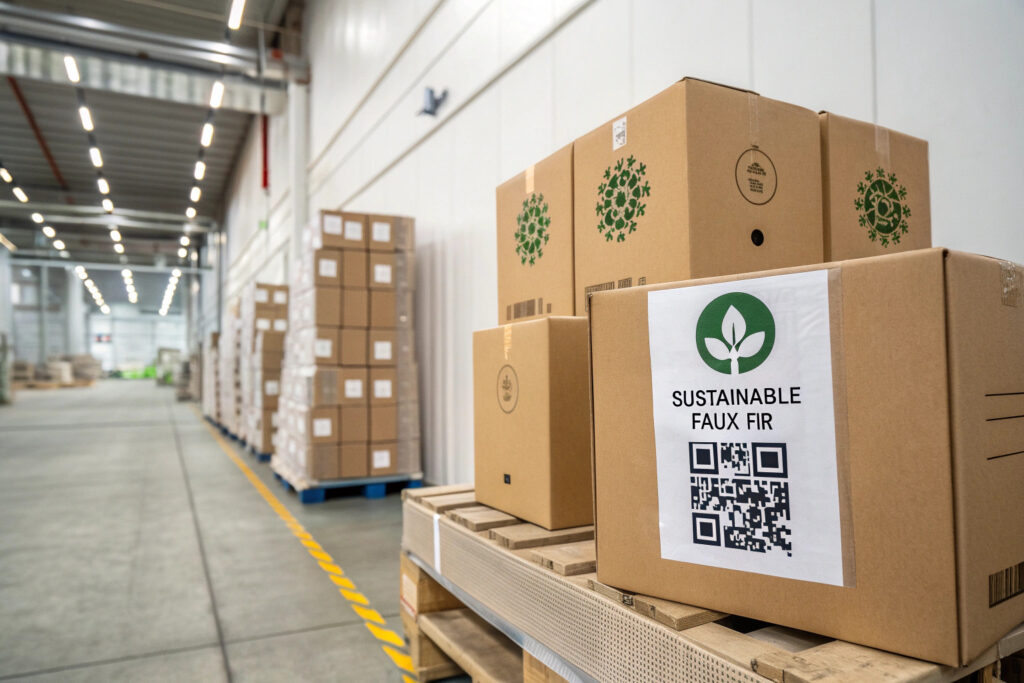
What Are the Logistics and Certification Considerations?
Plan for documentation. You will need the material certificates (like GRS Transaction Certificates) not just for your own records, but potentially for customs or to support marketing claims in your destination country. Ensure these documents are part of the shipping paperwork. When shipping, consider carbon-neutral shipping options offered by some freight forwarders to further align with the product's ethos.
How to Build a Sustainable Partnership?
View this not as a one-time transaction, but as building a responsible supply chain. Share your long-term vision with the factory. Discuss opportunities for continuous improvement, such as:
- Recycling fabric off-cuts from their cutting process.
- Using recycled content in the hangtags and packaging.
- Gradually increasing the percentage of sustainable materials across your line with them.
A factory invested in your brand's mission will become a more innovative and reliable partner.
Conclusion
Sourcing custom faux fur ushankas ethically is a detailed process that demands clarity on material science, diligence in supplier vetting, and rigor in quality verification. It moves beyond simple aesthetics to embed responsibility into the product's very fibers. By partnering with the right manufacturers and holding the supply chain to transparent standards, you can create a product that offers authentic warmth with a clear conscience.
Success in this niche depends on aligning with partners who share your commitment to innovation and ethics. For developing custom headwear that balances tradition with responsibility, I recommend contacting the team at Shanghai Fumao Clothing. You can discuss your specific requirements for ethical faux fur ushankas with their Business Director, Elaine, at elaine@fumaoclothing.com.