Cancer recovery headwear represents a specialized niche where comfort, dignity, and medical sensitivity converge. Custom turban caps for cancer patients require particular attention to material selection, construction methods, and emotional considerations that standard headwear doesn't address. Understanding how to source these specialized items ensures patients receive products that support both physical comfort and emotional wellbeing during recovery.
Custom turban caps for cancer recovery should feature ultra-soft, breathable materials, seamless construction, adjustable sizing, and thoughtful design elements that accommodate sensitive scalps, varying hair loss patterns, and medical devices. The most effective sourcing approach combines medical understanding with apparel manufacturing expertise to create headwear that genuinely supports the recovery journey.
This comprehensive guide explores the sourcing process for custom cancer recovery turbans, covering manufacturer identification, material specifications, design considerations, and quality verification processes that ensure both comfort and dignity for patients.
What Design Features Support Medical Needs?
Cancer recovery headwear must address unique physical sensitivities and practical requirements that standard turbans don't encounter. The most effective designs combine medical understanding with thoughtful apparel engineering to create products that support healing while maintaining personal style.
Medical-sensitive turban designs prioritize scalp comfort, temperature regulation, and easy application while accommodating the physical changes and sensitivities that often accompany cancer treatments. Understanding these specific needs ensures sourced products provide genuine comfort and practical benefits.
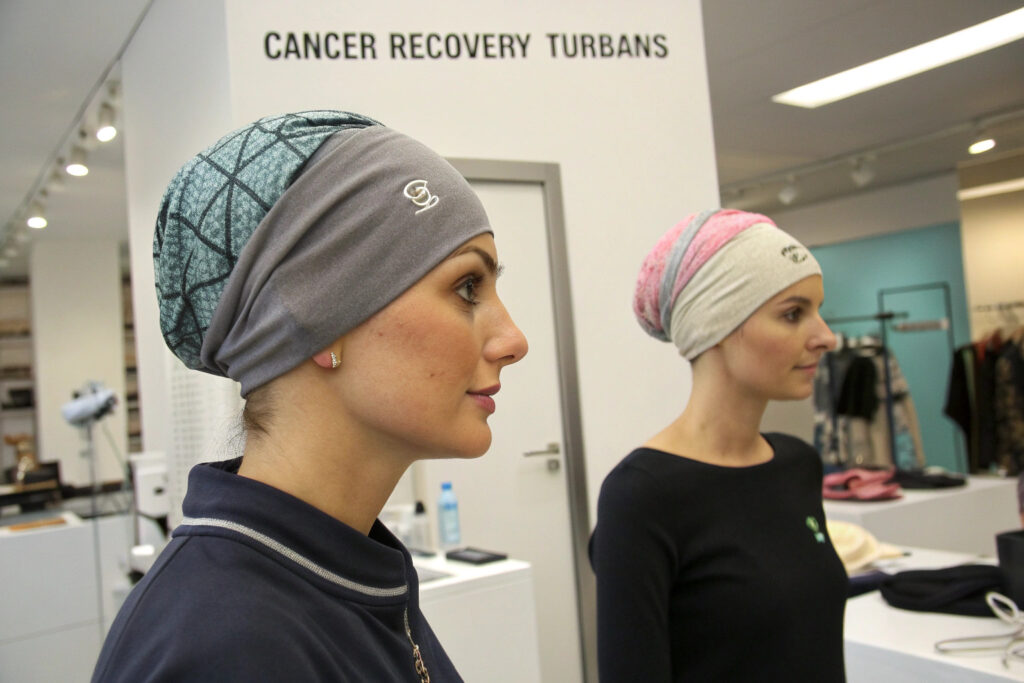
How Do Seamless Designs Prevent Irritation?
Flatlock stitching eliminates raised seams that can cause discomfort on sensitive or newly regrowing scalps. Tagless labeling printed directly on fabric prevents scratching and irritation common with traditional sewn-in labels. Four-way stretch materials accommodate swelling or sensitivity fluctuations without creating pressure points. Interior binding finishes using ultra-soft fabrics protect delicate scalp skin from any potential abrasion. These construction elements should meet medical device comfort standards even though turbans are typically classified as apparel rather than medical devices.
What Adjustable Features Accommodate Changing Needs?
Hidden adjustable bands allow size customization as swelling decreases or hair begins to regrow during recovery. Multiple closure options including hook-and-loop, magnetic snaps, or stretch ties accommodate varying dexterity levels during treatment. Modular design systems permit addition or removal of lining layers as temperature sensitivity changes. Expandable crown sections accommodate surgical sites or medical devices without compromising the turban's appearance. These adjustable features ensure the turban remains comfortable and functional throughout the entire recovery process.
Which Materials Provide Optimal Comfort and Safety?
Material selection critically impacts both comfort and safety for cancer patients, whose skin sensitivity and temperature regulation may be compromised during treatment. The best materials combine gentle touch with practical performance characteristics.
Medical-appropriate turban materials should be hypoallergenic, breathable, temperature-regulating, and easy to clean while maintaining their softness through repeated washing. Understanding material properties helps identify fabrics that support rather than challenge recovering patients.
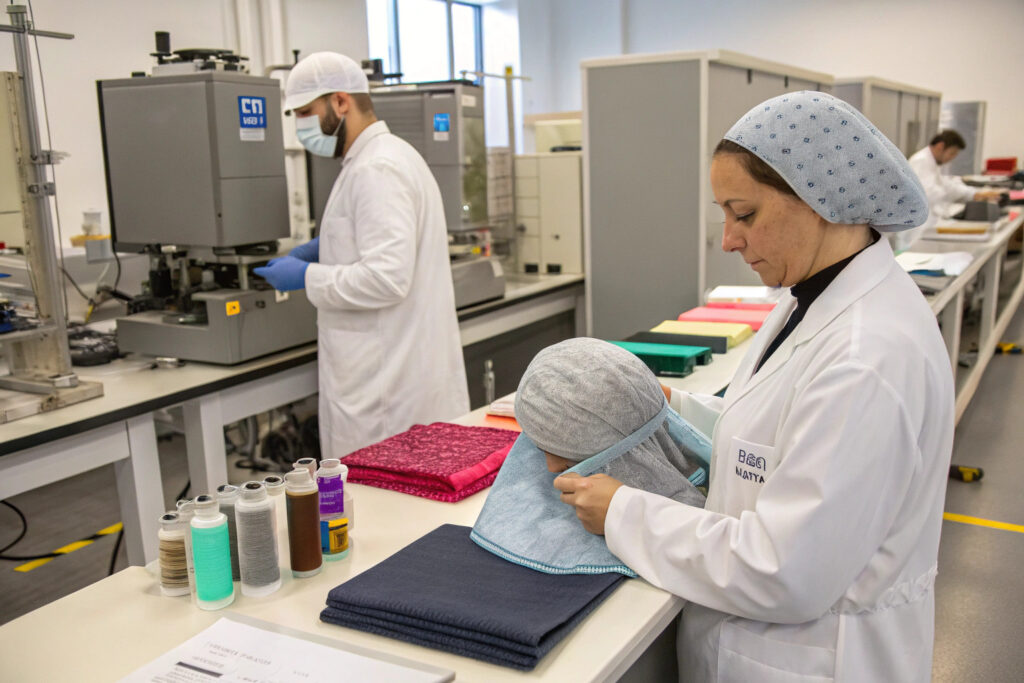
What Natural Fibers Work Best for Sensitive Skin?
Bamboo viscose offers exceptional softness, natural temperature regulation, and hypoallergenic properties ideal for sensitive scalps. Organic cotton provides reliable comfort with minimal chemical exposure and excellent breathability for patients experiencing hot flashes. Mulberry silk creates the smoothest hair-like friction against the scalp while helping maintain moisture balance. Linen blends offer cooling properties and natural antibacterial characteristics beneficial during immune-compromised periods. These natural materials typically carry OEKO-TEX Standard 100 certification ensuring they're free from harmful substances.
How Do Specialty Synthetics Enhance Performance?
Micro-modal fabrics derived from beech trees offer silk-like softness with superior moisture-wicking capabilities. Silver-infused textiles provide natural antimicrobial protection without chemical treatments that might irritate sensitive skin. Temperature-regulating phase-change materials help manage the hot and cold flashes common during certain treatments. Moisture-control blends pull perspiration away from the scalp while maintaining dry comfort. These advanced materials should have medical-grade testing documentation supporting their safety claims for compromised immune systems.
How to Identify Compassionate Manufacturers?
Sourcing custom cancer recovery turbans requires finding manufacturers who understand both the technical requirements and emotional significance of these specialized products. The best partners combine production expertise with genuine compassion for the end users.
Compassionate manufacturers demonstrate sensitivity to the cancer recovery context through their business practices, product development approach, and customer service philosophy. Identifying these partners ensures a sourcing relationship that supports rather than complicates the recovery journey.
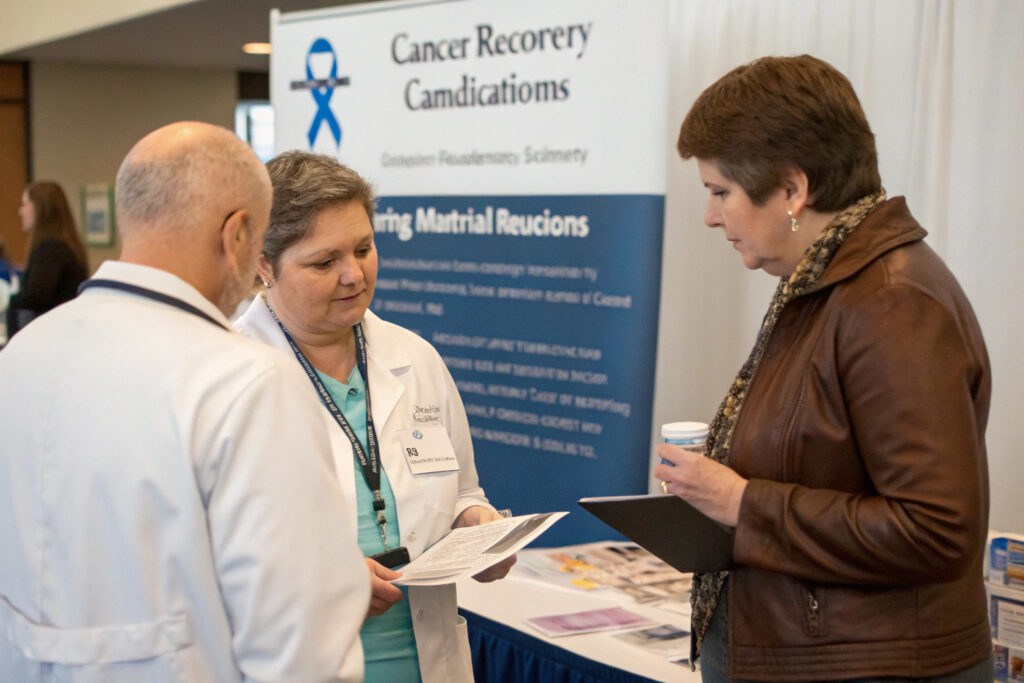
What Business Practices Indicate Genuine Compassion?
Direct patient consultation during product development ensures designs address real needs rather than assumed requirements. Partnership with cancer support organizations demonstrates commitment to understanding the recovery experience beyond commercial interests. Sensitivity training for staff handling custom orders ensures respectful and appropriate interactions. Donation programs or sliding scale pricing for patients facing financial hardship due to treatment costs. These practices indicate a manufacturer's genuine commitment to supporting recovery rather than simply selling products.
How Does Manufacturing Expertise Support Patient Needs?
Experience with medical textiles ensures understanding of cleanliness protocols and material safety requirements. Small-batch production capability accommodates custom orders without requiring large minimum quantities. Rapid prototyping processes allow for quick design adjustments based on patient feedback. Quality control systems that exceed standard apparel requirements for consistency and safety. These capabilities ensure manufacturers can produce turbans that meet both aesthetic expectations and medical considerations.
What Customization Options Serve Diverse Needs?
Cancer recovery encompasses diverse experiences, body types, and personal styles requiring flexible customization options. Effective sourcing identifies manufacturers offering meaningful personalization that addresses individual recovery journeys.
Customization should extend beyond basic size adjustments to include style variations, functional adaptations, and aesthetic choices that support patients' identity and comfort preferences throughout their recovery process.
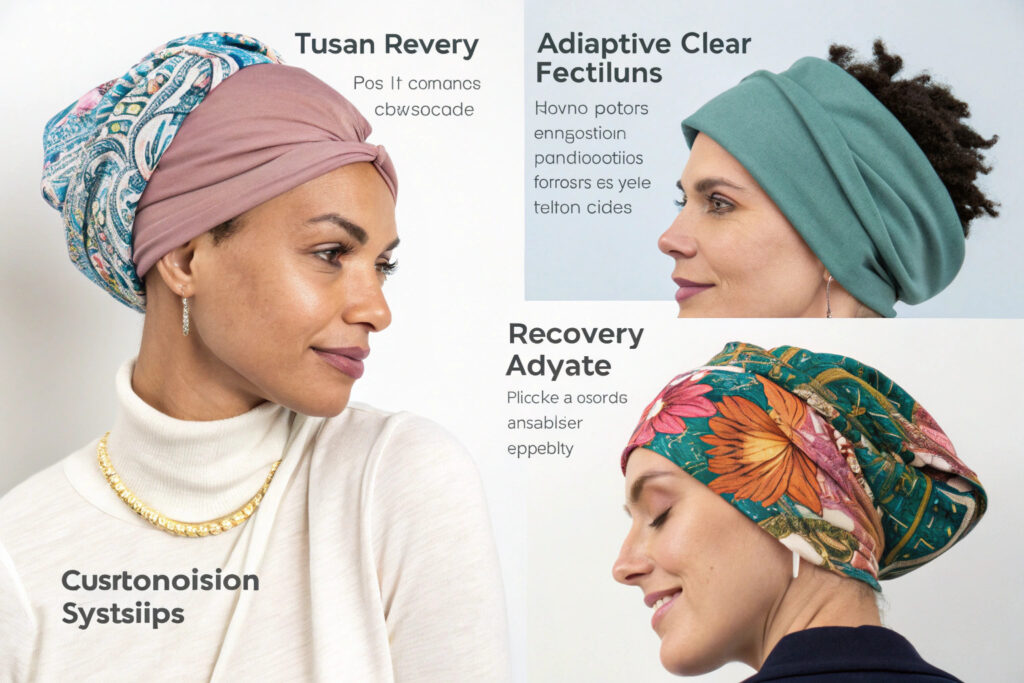
How Do Style Variations Accommodate Different Preferences?
Traditional wrap-style turbans offer familiar appearance with customizable coverage levels and draping styles. Pre-formed turban caps provide easy application for patients with limited energy or dexterity. Hybrid designs combining turban aesthetics with baseball cap functionality offer versatile wearing options. Fashion-forward interpretations maintain personal style expression during treatment. These style options should be available across the size spectrum with clear guidance about which styles work best for different recovery stages.
What Functional Adaptations Address Specific Challenges?
Asymmetrical designs accommodate surgical sites or medical ports without compromising aesthetic balance. Integrated pocket systems allow for discreet cooling gel pack insertion for scalp cooling therapy. Moisture-barrier layers protect sensitive skin while maintaining breathability for patients experiencing excessive perspiration. Night-time designs with even softer materials and secure-but-gentle closures for comfortable sleep. These functional adaptations demonstrate understanding of the practical challenges patients face beyond basic coverage needs.
Conclusion
Sourcing custom turban caps for cancer recovery requires balancing medical understanding, technical expertise, and compassionate business practices. The most successful sourcing relationships identify manufacturers who recognize these headwear items as both functional apparel and emotional support tools that contribute significantly to patients' recovery experience and quality of life.
By thoroughly evaluating potential partners for their material knowledge, production capabilities, customization options, and genuine understanding of the cancer journey, organizations can ensure they source turban caps that provide both physical comfort and emotional support. The investment in proper sourcing ultimately delivers products that help maintain patients' dignity, confidence, and personal identity during one of life's most challenging experiences.