Vintage shops face unique challenges sourcing authentic-looking cloche hats that capture 1920s-1930s elegance while meeting modern customer expectations for quality, comfort, and wearability. Mass-produced "vintage-style" hats often lack the precise proportions, quality materials, and construction techniques that define genuine cloche silhouettes, leaving vintage retailers with products that disappoint discerning customers. The search for suppliers who understand both historical accuracy and contemporary market demands requires specialized knowledge.
The most reliable way to source custom cloche hats for vintage shops is through milliners specializing in historical reproductions, manufacturers with vintage pattern archives, and custom hat makers who understand the specific proportions and construction methods that define authentic 1920s-1930s cloche designs.These suppliers combine historical research with practical production capabilities to create hats that satisfy both vintage aesthetics and modern wearing expectations.
This comprehensive guide explores supplier types, authentic design elements, material considerations, and customization strategies for sourcing cloche hats that genuinely appeal to vintage shop customers.
What defines an authentic vintage cloche hat?
Authentic cloche hats require specific design elements that distinguish them from generic bell-shaped hats. Understanding these historical details ensures vintage shops source products that satisfy knowledgeable customers.
Key authentic features include the distinctive deep crown that covers the forehead, sharply turned-down brim, precise proportional relationships, and construction methods that create the characteristic close-fitting silhouette.
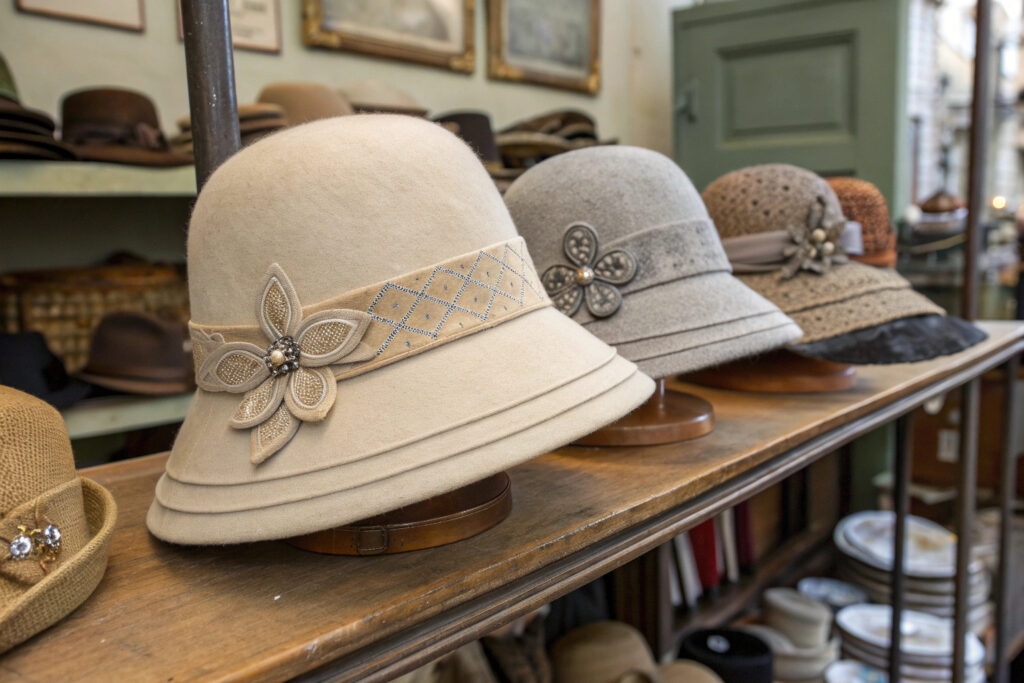
Why are precise proportions crucial for authentic cloche silhouettes?
The cloche hat's distinctive silhouette depends on specific proportional relationships developed during the 1920s-1930s. Authentic reproductions feature crown depths of 5-7 inches that completely cover the forehead to the eyebrow line, creating the characteristic "bell" shape that gives the style its name (cloche means "bell" in French). The brim should turn down sharply, typically measuring 1-2.5 inches, with minimal upward flare. These proportions work together to frame the face in the distinctive period-correct manner that vintage enthusiasts recognize. Suppliers specializing in historical reproductions understand that even slight deviations from these proportions fundamentally alter the silhouette, making the difference between an authentic cloche and a generic bell-shaped hat.
How does construction method impact authenticity?
Traditional cloche construction methods create the distinctive shape and fit that modern techniques often cannot replicate. Authentic cloche hats are blocked over specific wooden forms that create the deep, rounded crown and sharply angled brim transition. Unlike modern caps with standardized sizing, traditional cloche patterns accommodate the closer fit that characterized 1920s-1930s headwear. The most authentic reproductions use historical techniques like crown-and-brim blocking as a single piece rather than assembled components, creating the seamless silhouette that defines the style. Suppliers with genuine expertise can explain their construction methods and how they differ from modern hat production, demonstrating understanding beyond superficial style replication.
Which materials maintain vintage authenticity?
Material selection significantly impacts both the authentic appearance and wearable quality of reproduction cloche hats. The right materials balance historical accuracy with contemporary durability and comfort.
Authentic materials include traditional wool and fur felts, appropriate straw varieties for seasonal wear, historically accurate trimmings, and linings that enhance comfort without compromising vintage aesthetics.
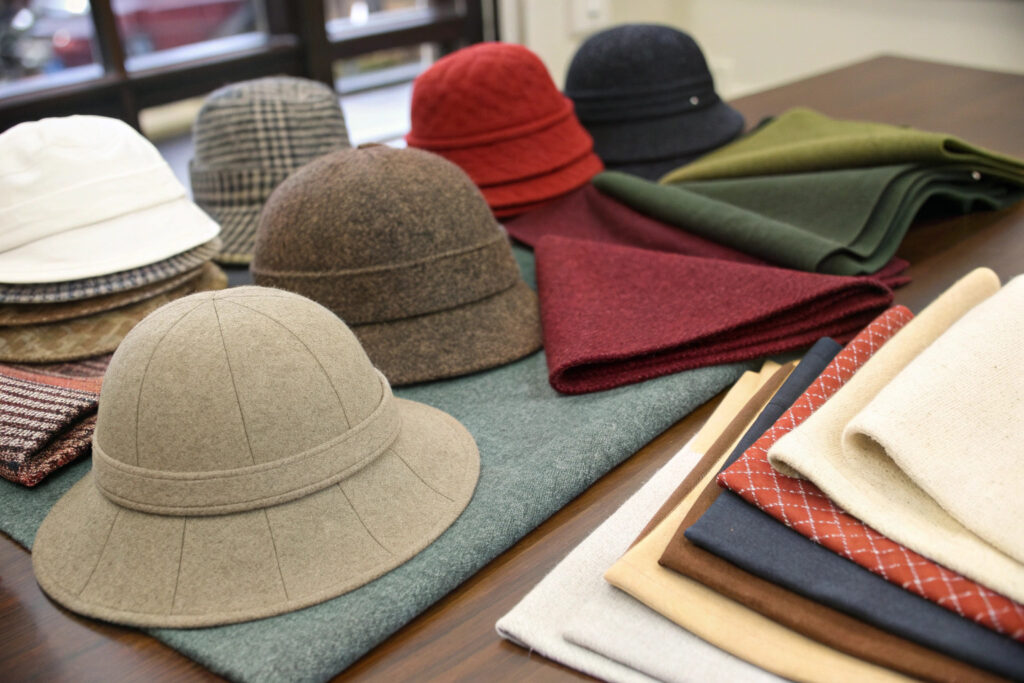
Why are traditional felts essential for authentic cloche hats?
Traditional wool and fur felts provide the body, drape, and finishing qualities that defined original cloche hats. Unlike modern synthetic felts, traditional materials respond better to steam shaping and develop a characteristic patina over time that vintage customers appreciate. Quality reproduction cloches use felts with appropriate stiffness (typically medium-weight 80-120g) that maintain the distinctive silhouette without excessive rigidity. The felt should accept clean, sharp creases and hold the characteristic brim turn without wiring—a hallmark of well-made cloche hats. Suppliers working with traditional felts typically offer a range of historically accurate colors beyond basic black, including deep navys, rich browns, and muted greens popular during the cloche's peak popularity.
What ribbon treatments maintain historical accuracy?
Ribbon treatments significantly impact a cloche hat's period authenticity. Original 1920s-1930s cloches featured specific ribbon widths and applications that followed fashion trends of the era. The most common treatment was a simple band around the crown base, typically 1-1.5 inches wide, often with a bow at the side or back. Some later 1930s variations incorporated wider bands or art deco-inspired geometric patterns. Knowledgeable suppliers understand these historical variations and can replicate appropriate treatments for specific period accuracy (early vs. late cloche styles). The ribbon quality matters equally—viscose or silk ribbons provide the appropriate sheen and drape, unlike synthetic alternatives that can appear obviously modern to discerning vintage customers.
What customization options appeal to vintage retailers?
Customization allows vintage shops to offer unique products that differentiate them from competitors while maintaining historical authenticity. Understanding appropriate customization options ensures products satisfy both aesthetic and commercial requirements.
Effective customization includes color variations within historical palettes, tasteful embellishment options, size range accommodations, and subtle branding that doesn't compromise vintage aesthetics.
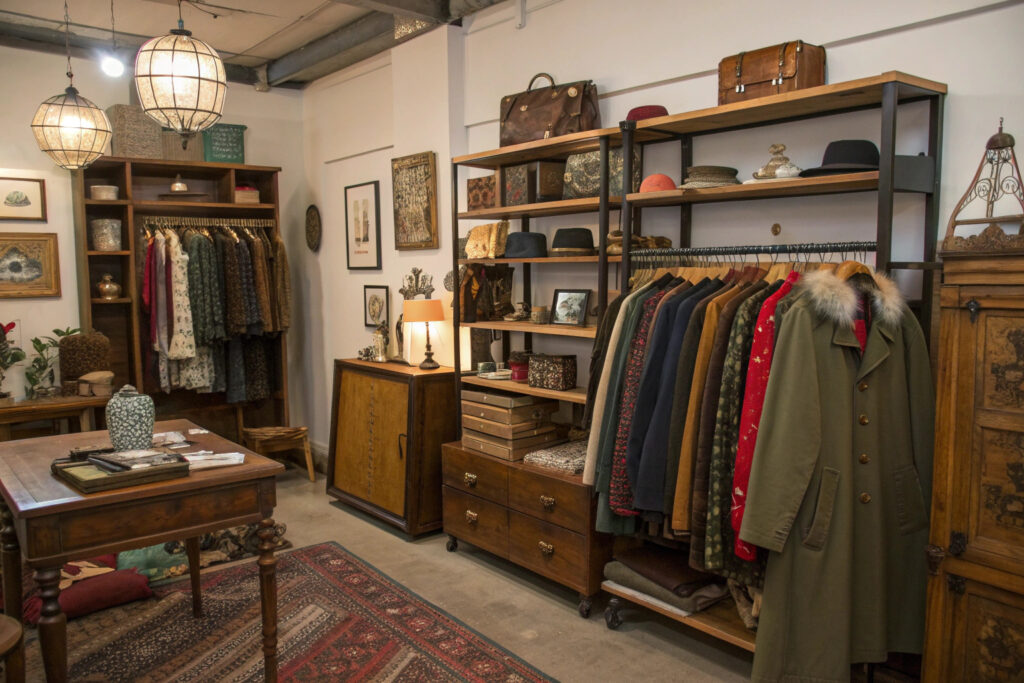
How can color customization enhance vintage appeal?
Color customization allows vintage shops to offer cloche hats in shades that complement their specific customer preferences while maintaining historical accuracy. While black remains the most historically common cloche color, the 1920s-1930s featured specific color palettes that varied by season and fashion trends. Knowledgeable suppliers can recommend historically appropriate colors like navy, burgundy, forest green, taupe, and deep brown that appeal to modern vintage enthusiasts while maintaining period authenticity. Some suppliers offer seasonal color collections inspired by specific years or fashion movements, providing vintage shops with compelling product stories that enhance marketing and customer engagement.
What embellishment options respect vintage aesthetics?
Embellishments must enhance rather than overwhelm the cloche's clean lines and sophisticated silhouette. Appropriate options include tasteful art deco-inspired brooches, carefully positioned feather treatments, subtle embroidery mimicking 1930s decorative arts motifs, or fabric flowers using period-appropriate silk or velvet. The placement and scale of embellishments should reference historical examples rather than modern fashion trends. Suppliers with vintage expertise can provide examples of historically accurate embellishments and explain their appropriate contexts (daywear vs. evening wear, early vs. late cloche styles). This knowledge helps vintage shops select customizations that satisfy customer expectations for both beauty and historical authenticity.
How to identify qualified cloche hat suppliers?
Finding suppliers with genuine cloche expertise requires evaluating both their technical capabilities and historical knowledge. The right partners demonstrate specific qualifications that predict successful vintage reproductions.
Key evaluation factors include historical pattern archives, traditional construction capabilities, material sourcing for vintage aesthetics, and understanding of the vintage retail market.
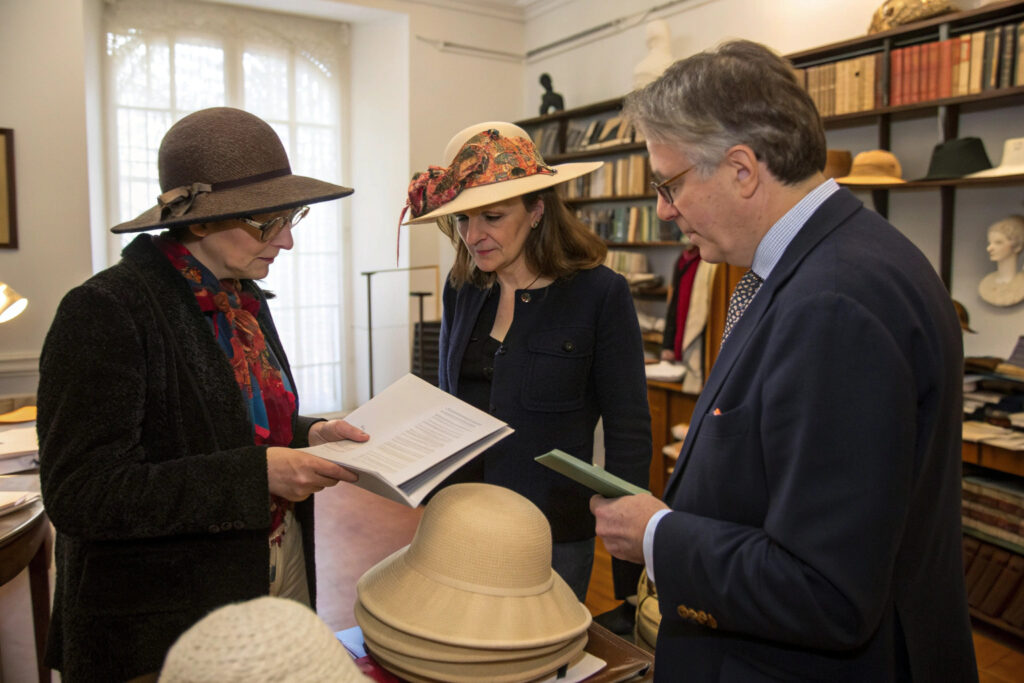
What evidence indicates genuine vintage expertise?
Suppliers with genuine vintage expertise demonstrate specific knowledge beyond basic hat production. Look for evidence of historical research and pattern archives, examples of work for museums or historical reenactments, and understanding of how cloche styles evolved between the 1920s-1930s. Knowledgeable suppliers can discuss differences between early cloches (deeper crowns, minimal decoration) and later variations (slightly shallower crowns, more embellishment) and how these changes reflected broader fashion movements. They should provide detailed information about their blocking techniques and how they achieve the characteristic fit that distinguishes authentic cloches from modern interpretations. This specialized knowledge indicates genuine expertise rather than superficial style replication.
Why is vintage retail experience valuable for suppliers?
Suppliers with vintage retail experience understand the practical considerations beyond basic production. They recognize that vintage shop customers expect both historical accuracy and wearable comfort, requiring adjustments to original patterns for modern head shapes and lifestyles while maintaining authentic appearance. Experienced suppliers understand the importance of consistent sizing, durable construction that withstands handling in retail environments, and packaging that enhances the vintage shopping experience. They often maintain relationships with multiple vintage retailers, giving them insight into different customer preferences and regional variations in vintage markets. This practical knowledge helps prevent misunderstandings about product expectations and ensures the final cloches satisfy both aesthetic and commercial requirements.
Conclusion
Sourcing custom cloche hats for vintage shops requires targeting suppliers with specific expertise in historical reproductions and understanding of vintage retail dynamics. The most successful partnerships deliver hats that balance authentic 1920s-1930s aesthetics with the quality, consistency, and wearability that modern vintage customers expect. From precise proportional relationships to historically accurate materials and tasteful customization, each element must satisfy both historical and commercial requirements.
At Global-Caps, we've developed specialized expertise in vintage reproduction headwear through partnerships with milliners who maintain historical pattern archives and understand both period construction techniques and contemporary market needs. Our custom cloche hats satisfy discerning vintage shop customers who seek both historical authenticity and quality craftsmanship. If you're looking to source cloche hats that genuinely capture 1920s-1930s elegance while meeting modern retail standards, contact our Business Director Elaine at elaine@fumaoclothing.com. Let us help you build a cloche collection that becomes a signature offering for your vintage shop.