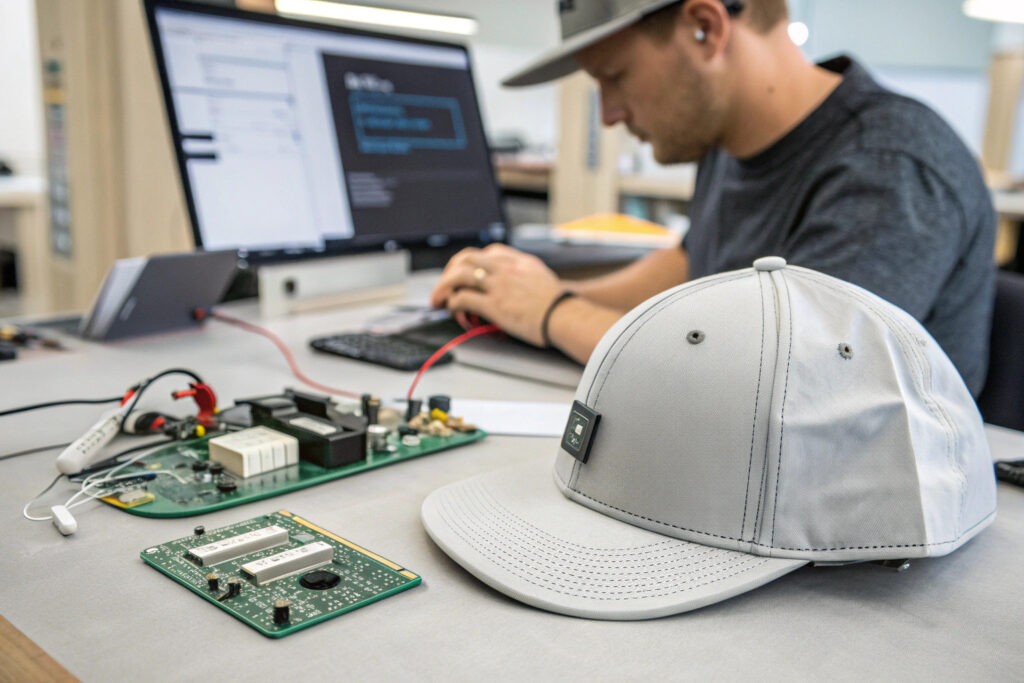
If you've been looking for the next big thing in wearable audio, you've likely wondered: how do I source a cap that plays music through your skull? As a manufacturer exploring this niche, the answer lies in understanding that this is not just a hat—it's a complex piece of consumer electronics worn on the head. The journey involves navigating specialized suppliers, stringent quality parameters, and emerging market opportunities that go far beyond traditional headwear sourcing.
To successfully source caps with bone conduction audio technology, you must approach it as an electronics integration project, not a textile purchase. The core of the product is the “bone conduction transducer” or “bone conduction vibrator”. The process involves collaborating with specialized electronics manufacturers to source these core modules, then integrating them into cap designs through contract manufacturing or strategic partnerships. Key considerations include audio quality, comfort, water resistance, and clear intellectual property agreements.
The market for bone conduction devices is growing rapidly, driven by interest in sports, safety, and assistive listening This creates a prime opportunity for innovative headwear. Drawing from industry insights and concrete examples, here is a practical framework for sourcing these high-tech caps.
What is the Core Technology Behind Bone Conduction Caps?
Before sourcing, you need to understand what you're buying. The magic isn't in the fabric; it's in the tiny component that converts audio signals into vibrations. This fundamental shift in thinking—from apparel maker to tech integrator—is the first and most critical step.
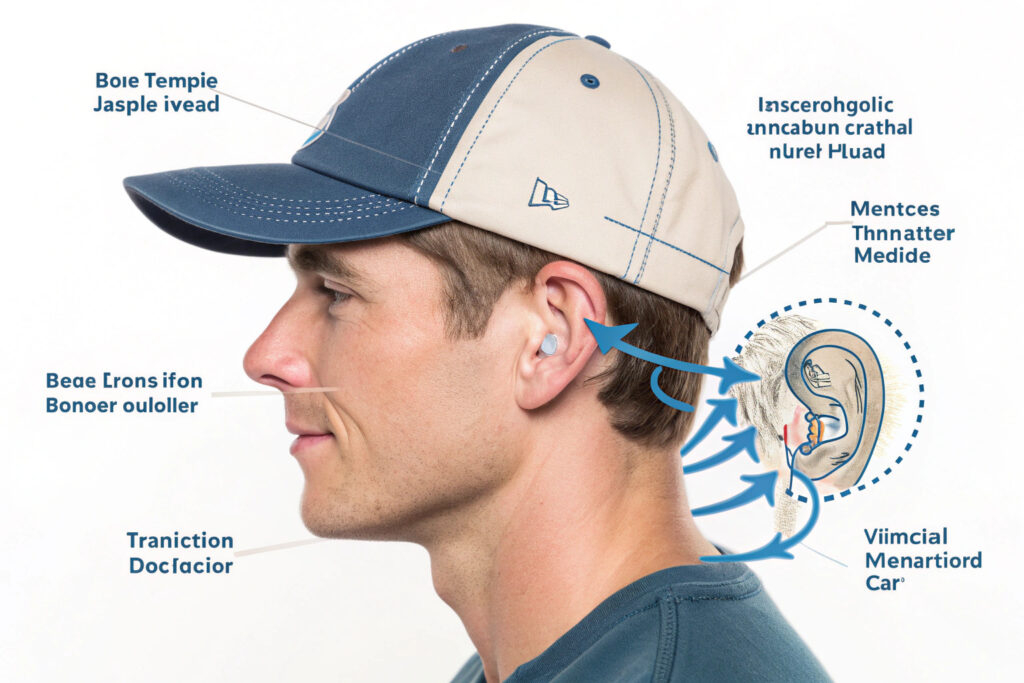
The core technology is the bone conduction transducer (vibrator). This small device, typically housed in a module that rests near the wearer's temple, bypasses the eardrum by converting audio signals into mechanical vibrations. These vibrations travel directly through the skull bones to the cochlea. For a cap, this means the audio module must maintain consistent, gentle contact with the side of the head to ensure effective sound transmission and user comfort. The quality of this transducer determines the entire audio experience.
What Key Specifications Define a Quality Bone Conduction Module?
When evaluating modules from suppliers, go beyond “it works.” Request detailed specs on frequency response (the range of sound it can reproduce), total harmonic distortion (THD) (for clarity), and sensitivity. Power management is crucial; look for modules with efficient Bluetooth chipsets (like those from Bluetrum or Actions) and consider battery life in real-world use. The module’s size and weight are equally important; a bulky or heavy unit will make a cap uncomfortable and imbalanced. Reputable electronics suppliers on platforms like Alibaba often list these technical details, which is a good starting point for vetting.
How is the Audio Module Integrated into Cap Design?
Integration is where apparel engineering meets electronics. The module cannot simply be sewn into a lining. It requires a dedicated, padded “contact pocket” at the temple that holds the transducer firmly yet comfortably against the head. Wiring must be routed through the cap’s structure (e.g., within the seam tape or a dedicated channel) to a control unit, which is often placed at the rear or on the visor. The battery pack needs to be securely housed, often in a rear compartment, to distribute weight evenly. This requires close collaboration between your headwear designers and the tech supplier’s engineers.
Where Can You Find Suppliers for Bone Conduction Components and Integration?
The supplier landscape is bifurcated: you have component manufacturers and full-package integrators. Your choice depends on your internal technical capacity and desired level of control over the final product.
You can find suppliers through B2B electronics platforms like Alibaba (search for “bone conduction transducer” or “bone conduction module”), specialized audiology or hearing tech companies, and by contacting innovative product designers who have already demonstrated the integration. The global market for bone conduction devices is concentrated, with key players and manufacturing hubs in China, Japan, and among specialized firms globally.

Should You Source Components or a Full Turnkey Solution?
- Component Sourcing (For Tech-Savvy Manufacturers): This path offers maximum control and potential cost savings. You source the bone conduction modules, Bluetooth boards, batteries, and speakers separately from electronics suppliers. Then, you handle the design integration, assembly, and software pairing in-house or with a specialized contract manufacturer (CM). This requires significant electrical engineering and soft goods engineering expertise.
- Turnkey Solution Sourcing (For Faster Market Entry): This is often more practical. You partner with a supplier that offers a complete OEM/ODM service. You provide your cap design and branding, and they handle the entire tech integration, assembly, and quality testing. Many Chinese electronics manufacturers on Alibaba offer this, with Minimum Order Quantities (MOQs) that can start around 200-500 pieces for customized orders. This dramatically reduces your technical burden and time-to-market.
Are There Proven Examples of Integrated Wearable Solutions?
Yes, and they provide a valuable blueprint. A notable case is a smart firefighting helmet developed by a Chinese company, which integrated bone conduction to solve communication issues in loud, sealed environments. The team even created a “singing hat” demo to showcase the technology publicly. Furthermore, projects like the non-profit “Hear Glue Ear” have successfully created affordable, CE-marked bone conduction headsets, proving the feasibility of designing wearable bone conduction devices for specific use cases. These examples show that the integration is not just theoretical but commercially and practically viable.
What Are the Critical Quality and Compliance Checkpoints?
Sourcing consumer electronics, especially those that interface with the body, brings a new layer of quality and regulatory responsibility. You are now responsible for the safety and performance of the electronic components.
Critical checkpoints extend from basic audio function to long-term durability and legal compliance. You must establish rigorous testing protocols for audio clarity and leakage, battery safety and lifecycle, water and sweat resistance (aim for at least IPX5 for sports use), and durability of the mechanical connection between the transducer and the cap fabric. Furthermore, the product must pass relevant electromagnetic and safety certifications for your target markets, such as FCC, CE, or RoHS.
How Do You Test the Real-World Performance of the Cap?
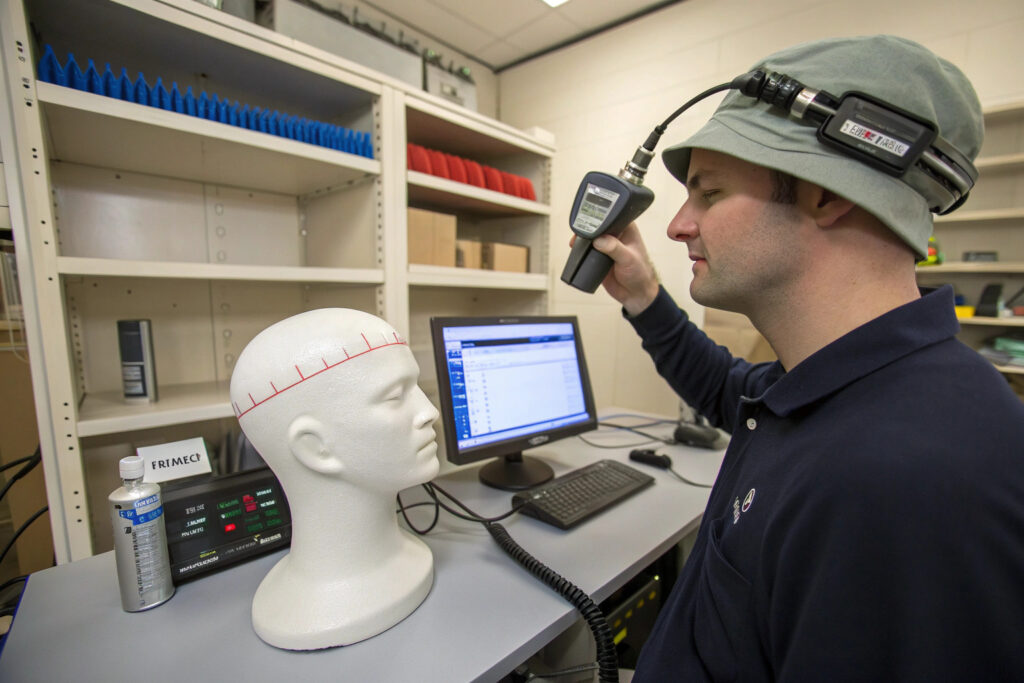
Beyond lab specs, create real-world testing scenarios. Does the audio cut out when the cap is flexed or the wearer is running? Does the transducer maintain contact if the wearer tilts their head? How many charge cycles does the battery endure before performance degrades? Establish a wear-testing protocol with a diverse group of users to evaluate comfort over extended periods (4+ hours). Also, test the microphone quality in windy and noisy conditions, as this is a common pain point in communication devices.
What Legal and IP Considerations Are Unique to This Product?
This is a major risk area. You must secure clear licensing agreements if the bone conduction technology involves patented components or algorithms. When working with an OEM/ODM supplier, have a solid contract that assigns all intellectual property rights for the integrated design to your company. Furthermore, you are now subject to consumer electronics regulations, including warranty obligations, lithium-ion battery transportation rules, and data privacy laws if the associated app collects any user information. Consulting with a legal expert familiar with both consumer electronics and apparel is highly recommended.
Conclusion
Sourcing caps with bone conduction audio is an exciting venture that sits at the intersection of fashion, function, and technology. Success requires a fundamental shift from a traditional apparel sourcing mindset to that of a tech integrator. The process hinges on identifying reliable specialists for the core transducer technology, mastering the physical integration of electronics into textile forms, and implementing a rigorous quality and compliance framework suited for consumer electronics.
The market is ripe for innovation. Whether targeting athletes, outdoor enthusiasts, or individuals seeking situational awareness, a well-executed bone conduction cap offers a unique value proposition. By partnering with the right technical suppliers and focusing on user-centric design, you can turn this high-tech concept into a viable, market-leading product.
If you are looking to develop a cutting-edge line of audio-integrated headwear and need a manufacturing partner with expertise in bringing complex wearable tech concepts to life, we can help. At Shanghai Fumao Clothing, we specialize in bridging the gap between advanced functionality and practical, comfortable apparel manufacturing. For a consultation on how we can collaborate to build your bone conduction cap, please contact our Business Director, Elaine. She can connect you with our technical development team. Reach out to Elaine at: elaine@fumaoclothing.com.