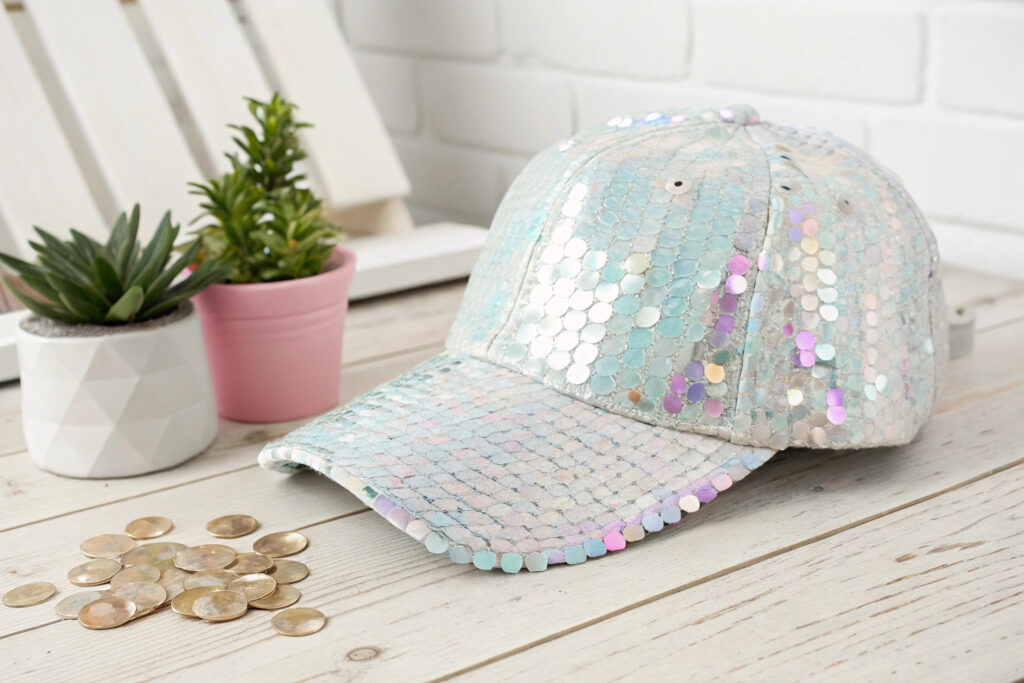
You want to make your next line of promotional hats truly stand out—not just with sparkle, but with a genuine commitment to sustainability. You’ve seen the demand for eco-friendly products soar, but finding a shimmer that doesn’t cost the earth can feel like searching for a needle in a haystack. The fear of "greenwashing," complex supply chains, and untested materials can stall even the most promising sustainable project.
Successfully sourcing biodegradable sequins requires moving beyond traditional embellishment suppliers and engaging with a new ecosystem of material science innovators and certified sustainable manufacturers. The key is to identify partners who are developing or supplying sequins made from compostable polymers, plant-based cellulose, or other bio-derived materials, and then rigorously verify their claims through sampling and certification checks.
This isn't just about finding a different type of plastic. True biodegradable sequins represent a fundamental shift in material science, often born from university labs and forward-thinking startups. The market is evolving from prototypes to commercial availability, and navigating it requires understanding the technologies, the key players, and the critical questions to ask to ensure your promotional products are as sustainable as they are stylish.
What are the emerging sources for biodegradable sequin materials?
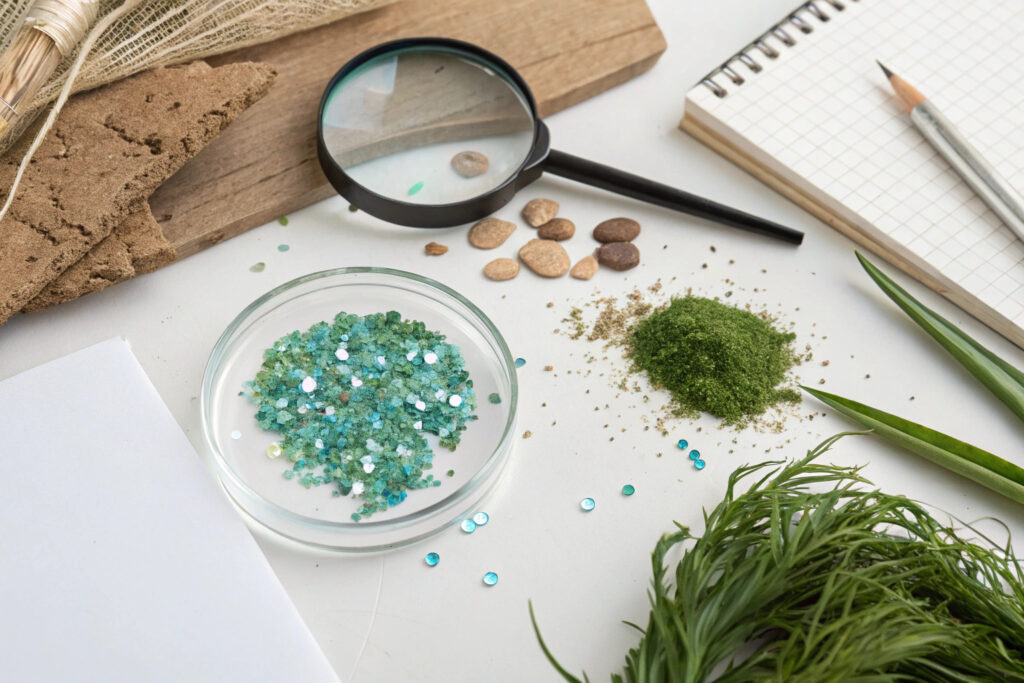
The search for sustainable sparkle is driving innovation in biomaterials. Unlike conventional petroleum-based sequins, the next generation is derived from nature's own building blocks. Leading sources include plant-based cellulose, polymers derived from agricultural or food waste, and other compostable bioplastics. These materials aim to break down safely at the end of their life, addressing the critical issue of microplastic pollution.
Current innovations are coming from specialized research-driven companies. For instance, Sparxell creates fully biodegradable sequins and glitters from plant-based cellulose, which can be sourced from waste streams. Another approach is seen with CQ Studio, which develops embellishments from polymers sourced from food waste and fungi. Furthermore, research projects like the one between The Sustainable Sequin Company and the University of Leeds are actively working to develop industrially compostable, non-oil-based sequin films. These pioneers are moving from lab prototypes to pilot production, making commercial sourcing increasingly viable.
Who are the key innovators developing biodegradable sequins?
The landscape is populated by a mix of research initiatives, startups, and forward-thinking suppliers. Here are some active players:
| Innovator / Source | Key Material / Technology | Development Stage | Notes & Relevance |
|---|---|---|---|
| Sparxell | Plant-based cellulose films | Pilot production | Creating pigments, glitters, and sequins. Won significant awards and funding. |
| The Sustainable Sequin Co. | Developing compostable film (with Univ. of Leeds) | R&D / Prototype | Project funded by Innovate UK to create washable, durable biodegradable sequins. |
| CQ Studio | Polymers from food waste & fungi | R&D / Bespoke design | Award-winning regenerative design lab. Offers custom development. |
| UT Technology | Materials from algae, hemp, coffee | Proof of concept / Lab prototype | Focuses on a circular lifecycle for paillettes and sequins. |
| Elissa Brunato | Bio-iridescent sequins from cellulose | Research / Conceptual | Molds cellulose for iridescent color without added chemicals. |
For promotional hat projects, connecting with partners like Sparxell (scaling up) or The Sustainable Sequin Company (seeking commercial partners) could be strategic. While many are in R&D, it indicates a rapidly maturing supply chain you can get ahead of.
How can I verify if a sequin supplier is truly sustainable?
Verification is crucial to avoid greenwashing. First, demand specific material data sheets. Ask: What is the base polymer? What is the claimed biodegradation standard (e.g., ASTM D6400 for industrial composting, EN 13432)? Reputable innovators, like those developing cellulose-based sequins, are transparent about their material science.
Second, request third-party certifications. Look for certifications related to compostability, organic content, or low-toxicity dyes. While general factory audits (like ISO or SGS) are good, they don't guarantee product eco-claims. For broader sustainable sourcing frameworks, you can reference guides that discuss B Corp certification or the Fair Labor Association as markers of a company's overall ethical and environmental commitment. Always order physical samples to test for durability, colorfastness, and application method (sewing, heat-transfer) suitability for hat production.
What practical steps should I take to source and test samples?
Begin by reframing your sourcing search. Use precise terms like "biodegradable glitter supplier," "compostable embellishments," or "plant-based cellulose sequins" on platforms like Google and LinkedIn, rather than general B2B sites. The search results show that many true innovators are not yet on mainstream Alibaba-style portals but have profiles on research, university, or niche sustainable industry platforms.
Once you identify a potential source, your first inquiry should focus on minimum order quantity (MOQ), sample availability, and lead time. Be prepared for higher costs and lower initial availability than conventional sequins. For example, one manufacturer on a B2B platform lists a MOQ of 50 pieces for custom embroidered patches, which is a low-risk starting point for testing. However, for the novel materials, be prepared to engage in a development partnership.

How do I effectively evaluate sequin samples for hat production?
Create a rigorous testing protocol beyond just visual appeal. First, conduct physical application tests: can your factory securely attach the sequin via sewing or heat transfer to your specific hat fabric (e.g., cotton twill, polyester mesh)? Test for pilling, snagging, and color transfer using a crockmeter.
Second, perform durability simulations: subject sample hats to simulated rain (water resistance), sweat (salt spray), and multiple machine wash cycles if applicable. The goal of innovators like The Sustainable Sequin Company is to create sequins that are both beautiful and machine washable. Compare the performance directly against a conventional sequin sample to document the performance gap or parity.
What are the critical cost and timeline considerations?
Adopting pioneering materials requires adjusted expectations. Unit cost will be significantly higher initially due to low-scale production and R&D amortization. For budgeting, consider it as part of a premium, sustainable product line. Lead times will be longer. Sample development could take weeks, not days, as it may involve custom coloration or form-factor development with the material supplier.
Factor in the total cost of sustainability. This includes potential certification costs, any required packaging changes to maintain compostability, and marketing assets to communicate the innovation's value to your end-customers. Building a partnership with an agile manufacturer like Shanghai Fumao Clothing can help mitigate some of these timeline and integration challenges through expert project management.
How can my hat manufacturer facilitate this process?
Your manufacturer is your critical link between innovative materials and flawless final production. A proficient partner doesn't just assemble; they integrate and troubleshoot. At Shanghai Fumao Clothing, we act as the project manager for your sustainability goals. We can leverage our R&D network to identify and vet new material suppliers, handle all sample acquisition and preliminary testing, and then run comprehensive production trials to ensure the sequins perform on our assembly lines.
We bridge the communication and specification gap. We translate your design vision into detailed technical packs that specify the exact sequin material, attachment method, and durability standards for the innovator. Then, we translate the material supplier's handling requirements back to our production floor. Our CNAS-accredited lab can be used to verify supplier claims on biodegradation or colorfastness, providing you with an unbiased quality gate before bulk production begins.
What technical expertise should I look for in a manufacturing partner?
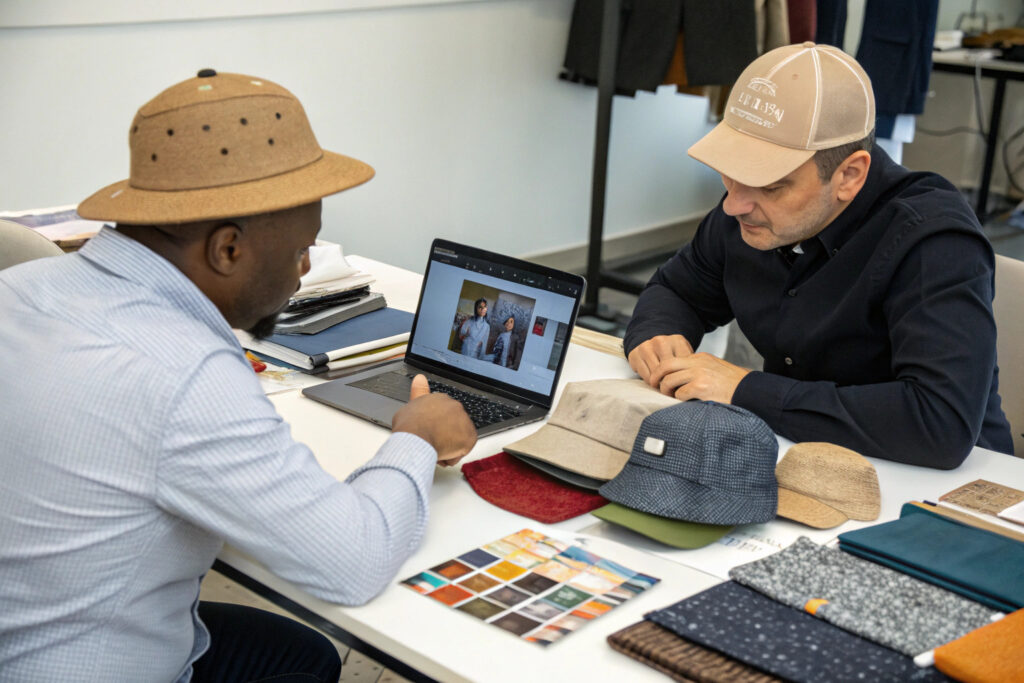
Look for a manufacturer with proven materials integration expertise. Key questions to ask: Have you worked with non-standard or biodegradable substrates before? Do you have an in-house R&D or testing team? Can you show me examples where you've solved attachment or durability issues with delicate embellishments? This experience is more valuable than general sewing capability.
The partner must understand supply chain complexity. They should be able to manage a multi-tiered supply chain where the sequins come from a specialty supplier (possibly in the EU or UK), while other materials are sourced locally in China. They need strong logistics and import/export skills to handle this smoothly, ensuring the special materials arrive correctly and on schedule for production.
Why is early manufacturer involvement crucial for success?
Involving your manufacturer at the design and sampling phase prevents costly failures. We can advise on design adjustments—perhaps a slightly different sequin shape or a reinforced attachment method—that make the innovative material more viable for high-speed production. For instance, we can test whether a heat-transfer sequin holds as well as a sewn-on one for the intended application.
This collaboration de-risks your investment. We can produce small pre-production runs (50-100 hats) for real-world wear-testing before you commit to the full order. This step is essential with new materials to gather data and build confidence. Our role is to ensure that the beautiful, sustainable vision for your promotional hats becomes a durable, deliverable, and commercially successful reality.
What Critical Questions Should You Ask Suppliers?
Once you've identified potential suppliers, the next step is rigorous vetting. The term "biodegradable" is often used loosely. To protect your brand and ensure authenticity, you must ask detailed, technical questions that separate genuine eco-innovators from those making vague claims.
You must ask suppliers for third-party laboratory test reports verifying biodegradability under specific standards (like ISO 14855), documentation on material composition (e.g., PLA percentage), and details about the required disposal environment (industrial compost vs. home compost). Never accept a simple "yes" or a product description that only says "eco-friendly." Demand proof that aligns with the environmental messaging you plan to use for your promotional hats.
How Do You Verify Biodegradability Claims?
Certifications and test reports are your primary tools for verification. Reputable material producers will have their products tested by independent labs. You should ask for reports that show the material meets recognized international standards for biodegradability in industrial composting conditions.
For materials like PLA, you can inquire if the supplier's fiber is used by brands with green credentials or if it has relevant certifications. Furthermore, understanding the application is key. As seen in supplier directories, materials like chitosan fiber are used in everything from high-end clothing to medical supplies, indicating a level of performance and safety testing. Your manufacturer should help you interpret these reports in the context of a hat—checking for colorfastness to washing, UV resistance for outdoor use, and adhesion strength.
What Are the Practical Considerations for Production?
Beyond certifications, you need to address practical production factors. Discuss minimum order quantities (MOQ) early on. For custom sequins or patches, MOQs can be high. Your manufacturer might propose using a stock biodegradable sequin on a custom hat design to reduce cost and lead time.
Next, confirm compatibility with your hat's base material (e.g., organic cotton, recycled polyester) during the washing and finishing processes. Also, inquire about lead times for sampling and production. Specialized materials can have longer lead times than conventional trims. Finally, discuss cost implications transparently. Biodegradable sequins currently carry a price premium. A good partner will help you design a hat that uses them strategically—perhaps as a focal logo patch rather than an all-over embellishment—to manage overall cost while achieving the desired sustainable impact. This balanced approach is central to how we develop products at Shanghai Fumao Clothing.
Conclusion
Sourcing biodegradable sequins is an investment in the future of your brand and the planet. It requires moving from traditional procurement to partnering with material science pioneers and leveraging a manufacturer with the technical depth to bridge innovation and production. The path involves diligent verification, realistic cost and timeline planning, and rigorous testing.
Success lies in a collaborative approach. If you are looking to develop a groundbreaking line of sustainable promotional hats with genuine biodegradable sparkle, let's combine your vision with our technical and supply chain expertise. Contact our Business Director, Elaine, at elaine@fumaoclothing.com to start a conversation about prototyping your next eco-conscious hat collection. Let Shanghai Fumao Clothing be the partner that helps you shine sustainably.