The festival industry is undergoing an eco-revolution, and traditional plastic glitter is becoming increasingly unacceptable. As hat manufacturers and designers, sourcing biodegradable alternatives has become essential to meet consumer demand for sustainable products while reducing environmental impact.
Biodegradable glitter offers the perfect solution for creating stunning festival headwear without the ecological damage of conventional glitter. These plant-based alternatives provide the same visual impact while breaking down naturally in the environment. The key lies in understanding material certifications, supplier verification, and application techniques specific to hat manufacturing.
Let's explore the comprehensive process of sourcing and implementing biodegradable glitter in your festival hat designs.
What Materials Make Glitter Truly Biodegradable?
Understanding the composition of biodegradable glitter is crucial for selecting genuine eco-friendly options. Not all products marketed as "eco-glitter" meet proper biodegradability standards, making material knowledge essential.
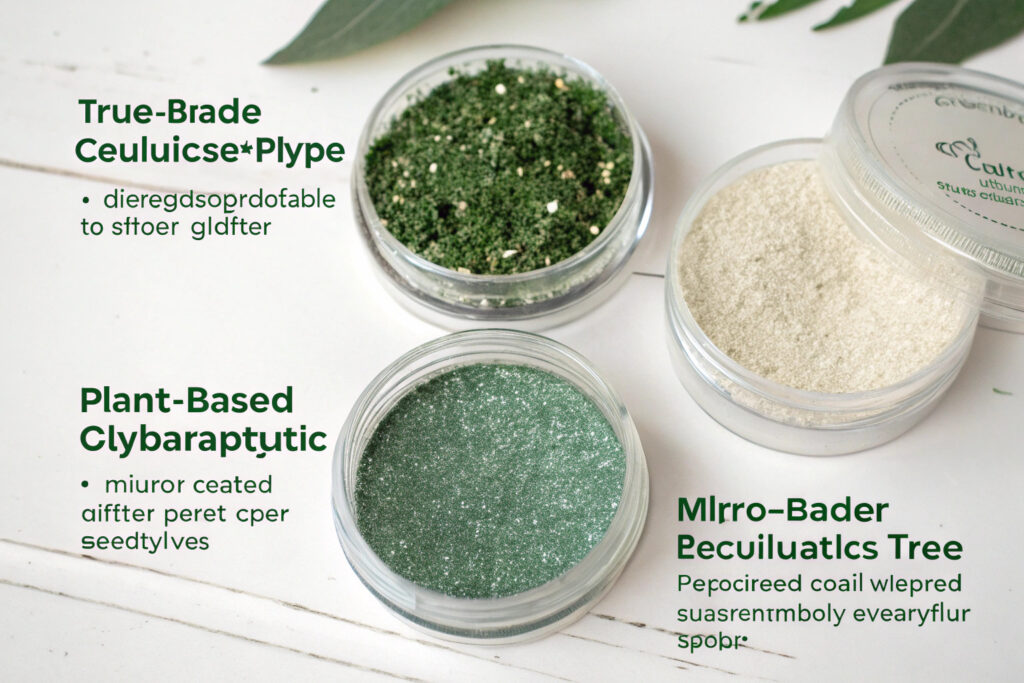
True biodegradable glitter utilizes plant-based polymers that break down naturally in environmental conditions. The most common material is cellulose acetate derived from sustainably harvested eucalyptus trees, which decomposes in soil and water systems. Other options include mirror-coated paper glitter and starch-based alternatives, though these offer different visual effects and durability characteristics for hat applications.
How Does Cellulose Acetate Compare to Conventional Glitter?
Cellulose acetate glitter represents the closest eco-alternative to conventional plastic glitter in terms of visual properties. Made from wood pulp, this material reflects light similarly to plastic but breaks down into natural components within months rather than centuries. Unlike plastic glitter that creates permanent microplastic pollution, cellulose glitter decomposes in both industrial composting facilities and natural environments. The biodegradation process follows natural cycles, leaving no harmful residues in ecosystems.
What Certifications Verify Biodegradability Claims?
Reputable biodegradable glitter carries third-party certifications that validate environmental claims. Look for products certified by organizations like TÜV Austria (OK compost INDUSTRIAL and OK compost HOME) and DIN CERTCO, which test and verify compostability under specific conditions. The Biodegradable Products Institute provides certification for industrial compostability, while various marine biodegradation certifications ensure safety for aquatic environments. These certifications provide assurance that the glitter meets strict scientific standards for breakdown timelines and non-toxicity.
Where Can You Find Reliable Biodegradable Glitter Suppliers?
Identifying trustworthy suppliers requires careful vetting of manufacturing processes, material sourcing, and business practices. The market includes both specialized eco-glitter companies and conventional glitter manufacturers expanding into sustainable product lines.
The most reliable suppliers transparently share their material sources, manufacturing methods, and certification details. Look for companies specializing in biodegradable cosmetics and crafts, as they understand the technical requirements for different applications. Established suppliers typically offer comprehensive documentation including material safety data sheets, certificates of analysis, and biodegradation test results for their products.

What Questions Should You Ask Potential Suppliers?
When vetting biodegradable glitter suppliers, ask specific questions about material composition, certification, and manufacturing ethics. Request details about the base material source (specifically whether it's from sustainably managed forests), the coating process (ensuring no plastic-based metallization), and binding agents used in production. Verify supplier credentials by asking for certification documents and manufacturing facility audits. For festival hat applications, specifically inquire about adhesion properties and colorfastness when applied to various hat materials.
How Can You Verify Supplier Sustainability Claims?
Greenwashing is common in the eco-product market, making verification essential. Request third-party laboratory test results for biodegradation rates under various conditions. Check if suppliers openly share their manufacturing processes and material sources rather than making vague "eco-friendly" claims. Research their corporate sustainability practices beyond product offerings, including energy use, waste management, and packaging materials. Reputable suppliers participate in industry organizations and transparently address questions about their environmental impact.
What Application Methods Work Best for Festival Hats?
Applying biodegradable glitter to hats requires techniques that ensure durability throughout festival use while maintaining the material's eco-integrity. The application method significantly impacts both visual effect and product longevity.
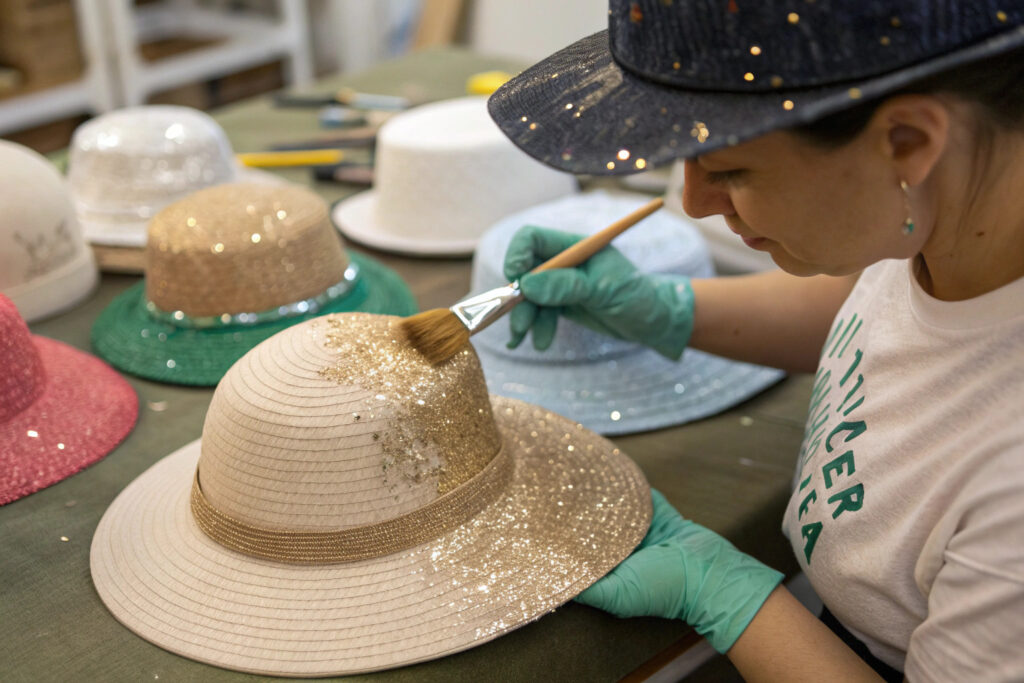
Different hat materials and glitter types require specific adhesives and application approaches. Fabric hats typically use textile-grade adhesives that flex with the material, while structured hats may require stronger bonding agents. The key is matching the adhesive to both the hat material and glitter composition, ensuring strong adhesion without compromising the biodegradable properties of the glitter itself.
Which Adhesives Maintain Biodegradability While Ensuring Durability?
Selecting the right adhesive is crucial for creating truly biodegradable glitter hats. Water-based fabric glues made from natural rubber or plant-based polymers provide strong adhesion while maintaining the overall product's compostability. Avoid solvent-based adhesives that can create a plastic film, which defeats the purpose of using biodegradable glitter. For maximum durability on festival hats that will see heavy use, eco-friendly adhesives specifically formulated for textiles offer the best balance of strength and environmental compatibility.
How Does Application Technique Affect Environmental Impact?
The application method directly influences how much glitter sheds during hat use and eventual disposal. Spray application with specialized equipment creates a more secure bond than loose sprinkling techniques, reducing environmental contamination from glitter particles. Heat-setting applications can further secure glitter to hat surfaces, minimizing shedding during festivals. These application considerations not only reduce environmental impact but also create a higher-quality product that maintains its appearance throughout extended wear.
What Are the Cost and Logistics Considerations?
Transitioning to biodegradable glitter involves financial and operational adjustments that require careful planning. Understanding the complete cost structure and supply chain implications ensures a smooth transition from conventional glitter.
Biodegradable glitter typically costs 20-50% more than conventional plastic alternatives, reflecting the higher raw material expenses and specialized manufacturing processes. However, these costs can be offset by marketing advantages and potential premium pricing for eco-friendly products. The supply chain for biodegradable glitter may involve longer lead times and different storage requirements compared to conventional options.

How Does Minimum Order Quantity Affect Sourcing Decisions?
Minimum order quantities (MOQs) for biodegradable glitter vary significantly between suppliers, impacting production planning and inventory management. Large manufacturers may require kilogram quantities, while smaller specialty producers often offer smaller quantities suitable for testing or limited production runs. When working with shanghaifumaoclothing, we've found that consolidating orders across multiple design lines helps meet MOQs while maintaining variety. Some suppliers offer stock color programs with lower MOQs, while custom colors require larger commitments.
What Logistics Factors Impact Biodegradable Glitter Supply?
Biodegradable glitter has specific storage and handling requirements that affect logistics planning. Unlike plastic glitter, some biodegradable varieties have shorter shelf lives and may require climate-controlled storage to prevent premature degradation. Shipping considerations include avoiding moisture exposure during transit and selecting packaging materials that align with sustainability values. These logistical factors require adjustments to standard supply chain practices but contribute to the overall environmental benefits of switching to sustainable materials.
Conclusion
Sourcing biodegradable glitter for festival hats represents a significant step toward sustainable fashion practices in the events industry. By understanding material properties, verifying supplier claims, mastering application techniques, and managing cost considerations, you can create stunning headwear that aligns with modern environmental values.
If you're ready to transition your festival hat line to biodegradable glitter, our expertise in sustainable materials can help streamline the process. Contact our Business Director Elaine at elaine@fumaoclothing.com to discuss sourcing strategies and sample applications for your specific hat designs.