Australia has one of the highest skin cancer rates in the world. The intense UV radiation demands serious sun protection. For businesses selling sun hats there, following the AS/NZS 4399 standard is a must. It is about safety, legal rules, and customer trust. This standard tests a fabric's Ultraviolet Protection Factor (UPF). It gives a clear rating from UPF 15 to 50+. Selling hats without this certification can lead to legal trouble and harm your reputation.
Sourcing these certified hats means finding manufacturers who know the strict testing and the right hat designs. The hats need wide brims, full coverage, and must use fabrics that keep their UPF rating after washing and sun exposure. The certification process involves lab tests that copy Australian sunlight conditions.
To source successfully, you must check certifications at the factory, understand the supply chain, and ensure quality control so every hat meets the standard. This guide explains the key steps to find reliable, certified sun hats for Australia and New Zealand.
What is the AS/NZS 4399 Standard and Why is it Mandatory?
AS/NZS 4399:2017 is the official standard for rating sun protective clothing in Australia and New Zealand. It measures how much UV radiation passes through fabric. A UPF 50+ rating means the fabric blocks at least 98% of UV rays. In Australia, this standard is supported by health groups like the Cancer Council. It is also part of safety rules for outdoor workers.
For sun hats, this certification is essential for the market. Australian law says you cannot make false claims. Any hat sold as "sun protective" or with a "UPF" rating must be tested to this standard. Major stores, schools, and government buyers only want certified products. So, it is a basic requirement for doing business.
The certification also helps you sell more. Customers know about sun safety. A tag that says UPF 50+ builds trust. It shows you care about quality and health. This makes certified hats more appealing to parents, workers, and health-aware buyers.
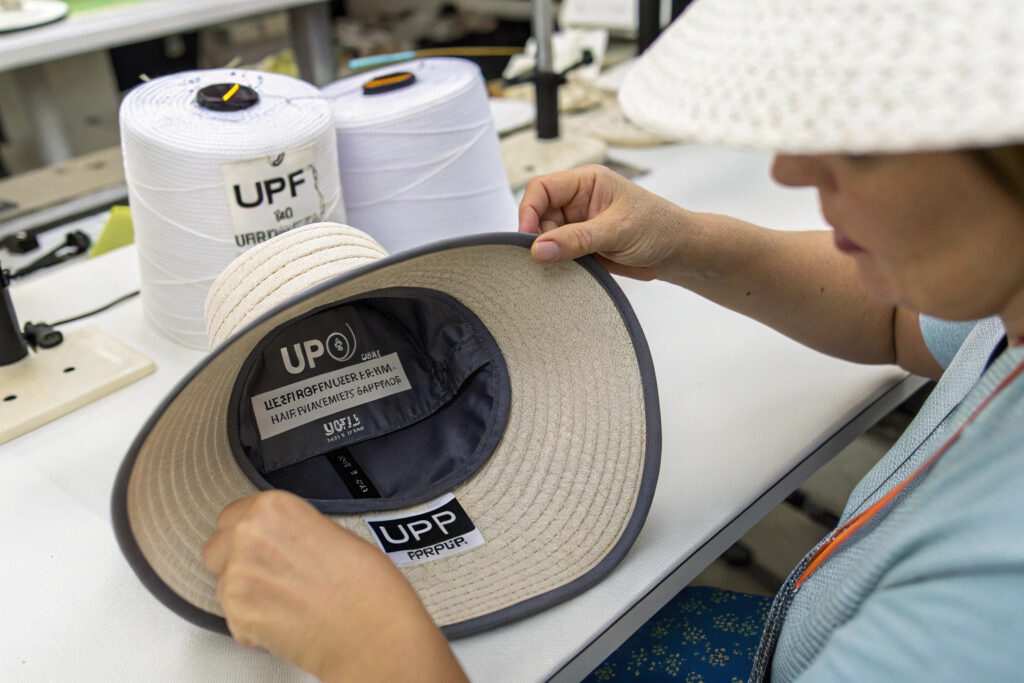
What Does the UPF Testing Process Involve?
The testing is strict and done by accredited labs. The main steps are:
Fabric Conditioning: Fabric samples are exposed to simulated sun and washed. This mimics real wear and tear.
UV Measurement: A machine called a spectrometer measures how much UV light (UVA and UVB) goes through the fabric.
UPF Calculation: A UPF number is calculated based on the measurements and how sunlight affects skin.
Rating: Fabrics need a minimum UPF of 15. Ratings are: 15-24 (Good), 25-39 (Very Good), 40-50+ (Excellent).
The test must be on the final fabric, after all dyeing and finishing. This ensures the rating is real. Good manufacturers test each fabric type and color. They may even test different production batches.
How Does This Standard Differ from Others?
Other places have standards too, like ASTM in the USA. But AS/NZS 4399 is among the strictest because of Australia's harsh sun. Key differences are:
- Pre-conditioning: Fabrics are weathered and washed before testing.
- Stretch Test: Fabric is stretched during testing, like it is on your head.
- Wet Test: For swim hats, fabric is tested wet because water can lower protection.
- Labels: It requires specific label wording.
For Australia, you need AS/NZS 4399 certification. Other claims or standards are not enough. Manufacturers who export to Australia, like partners of shanghaifumaoclothing, know this. They can provide the right test reports.
How to Verify a Manufacturer's Compliance Credentials?
You must do careful checks to ensure a manufacturer truly complies. Do not just ask for a certificate. You need to understand the details and see their processes.
First, ask for the full test report from a recognized lab. In Australia, labs should be NATA-accredited. The report must match the exact fabric you plan to use—same material, color, and weight. A test for a blue polyester hat does not apply to a white linen one.
Second, check their quality control. How do they make sure every batch of fabric has the same UPF? Do they test regularly? Do they check fabric when it arrives? A professional factory will have a system. They might use handheld UV meters for quick checks. They should allow you to audit them or test random samples before shipping.

What Documentation Should You Require?
You need these important documents:
AS/NZS 4399 Test Report: The complete lab report showing a UPF 40 or 50+ rating.
Lab Accreditation Proof: Evidence the testing lab is NATA-accredited or equivalent.
Fabric Spec Sheet: Details of the certified fabric, including supplier and dye code.
Quality Control Records: Records of their in-house UPF checks during production. Supplier Declaration: A legal document where the factory states the product meets the standard.
These papers protect you. They prove you did your homework to Australian retailers and regulators.
How to Assess a Factory's Quality Control for UPF?
Look for these signs of good quality control:
- Fabric Checks: They verify new fabric against the certified sample.
- In-Process Testing: They use portable UV meters to spot-check during making.
- Color Management: They control dye lots to avoid UPF variation.
- Final Audit: They check finished hats and might send samples for outside lab tests.
Factories with their own UV spectrophotometers show they are serious. Ask to see their QC plan for sun-protective products.
What Design Features Maximize Sun Protection in Hats?
The fabric is certified, but the hat's design is just as important. The Cancer Council gives guidelines for "SunSmart" hats. You need to combine certified fabric with smart design.
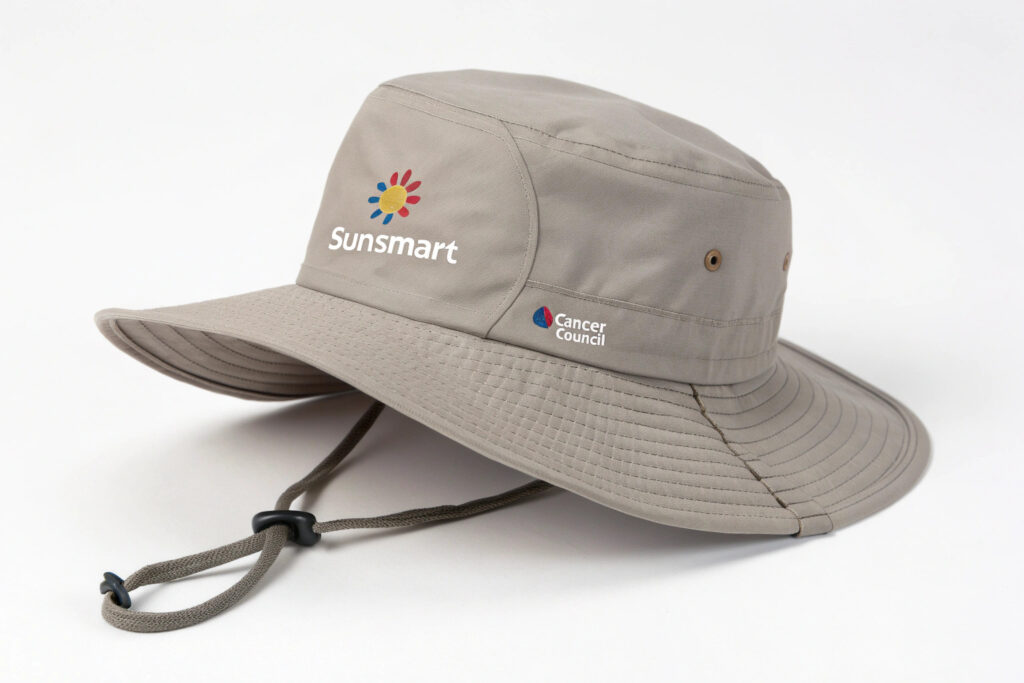
The best styles have wide brims (like bucket hats) or flaps at the back (like legionnaire hats). For adults, the brim should be at least 7.5 cm (3 inches) wide. For kids, at least 6 cm (2.4 inches). The crown should be deep to cover the whole scalp. A dark underbrim can cut reflected UV from water or sand. Any mesh or vents must also be made from UPF-rated fabric. Chin straps help keep hats on, especially for children.
Good manufacturers think about protection from the first sketch. They combine the certified fabric with designs that give full coverage.
What are the Key Design Elements of a Compliant Sun Hat?
A well-designed sun hat should have:
- Wide Brim: A full, circular brim over 7.5cm wide. A stiff brim holds its shape.
- Deep Crown: Covers the top of the head completely.
- Neck Protection: A flap or cape at the back, at least 8cm long.
- Consistent Fabric: Use the certified fabric for all outer panels. The lining may also need a rating.
- Secure Fit: An adjustable chin cord or internal band so it does not blow off.
When you source, check the manufacturer's samples and tech packs. Make sure they use the certified fabric everywhere. Avoid designs with non-certified trim on areas exposed to sun.
How Does Color and Fabric Choice Affect UPF and Comfort?
Fabric construction is most important for UPF, but color matters too:
- Dark Colors: Like black or navy, absorb more UV and usually have higher UPF.
- Bright Colors: Also offer better protection than light pastels or white.
- Comfort: Dark colors absorb more heat, so the hat can feel hotter.
The best fabrics have a tight weave or knit. Synthetic fibers like polyester often have high UPF and dry fast. Many have special UV-absorbing additives. When you source, talk to the manufacturer about the balance. Do you want the highest UPF (maybe a darker fabric) or more comfort (a lighter color or blend)? A good supplier will offer different certified options.
What Are the Logistics and Regulatory Steps for Import?
Bringing certified hats into Australia involves standard import steps and special care for sun protection claims. Your compliance documents are as important as your shipping paperwork.
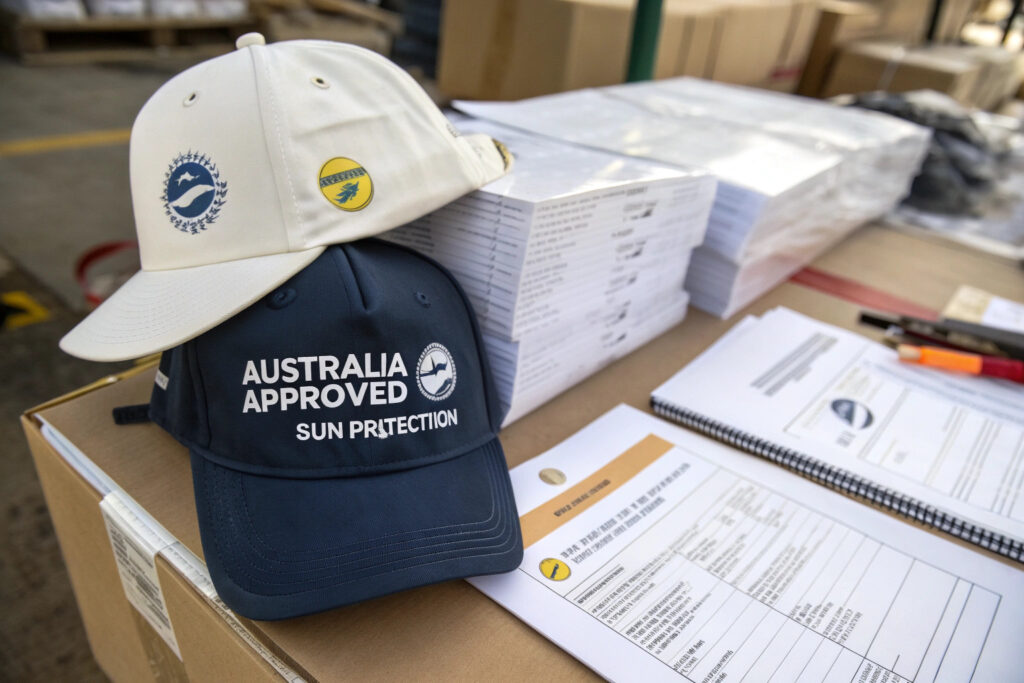
The Australian Competition and Consumer Commission (ACCC) watches for false sun protection claims. Before shipping, make sure your labels are correct. The AS/NZS standard requires a permanent label with the UPF number, category (e.g., "EXCELLENT"), and care advice about keeping sun protection. Wrong labels can cause customs delays or product recalls.
Use a freight forwarder who knows apparel imports. They can help with the correct tariff code and duties. Having all your certificates ready will make customs clearance faster and smoother.
What are the Labeling and Packaging Requirements?
Labels must be correct:
Permanent Label: Must show "AS/NZS 4399:2017", the UPF (e.g., "UPF 50+"), and the protection level (e.g., "EXCELLENT UV PROTECTION").
Care Instructions: Must include advice like "Sun protection may reduce over time. Wash gently to maintain protection."
Hangtags/Marketing: All selling materials must match the permanent label. Do not say "100% UV block." Say "Blocks over 98% of UV" for UPF 50+.
Packaging should protect the hat shape without crushing it. Your manufacturer should handle label making and attachment as part of the service.
How to Manage Supplier Relationships for Ongoing Compliance?
Sourcing is an ongoing partnership. To keep compliance:
- Contracts: Put clauses in your agreement that require the factory to always meet AS/NZS 4399. You should have the right to audit and test.
- Re-testing: Plan for regular fabric re-tests, especially if the dye or material source changes.
- Inspections: Use third-party inspection services to check quality before shipment. They can take samples for independent UPF testing.
- Direct Contact: Build a relationship with the factory's quality team. Specialized manufacturers like shanghaifumaoclothing often provide a direct QA contact.
This management reduces the risk of a bad batch reaching Australia, which could mean recalls and fines.
Conclusion
Sourcing AS/NZS 4399-certified sun hats needs technical knowledge, strict supplier checks, and smart design choices. You must work with manufacturers who have the right certified fabrics and the skill to make hats that are truly protective. From checking test reports to ensuring wide brims and neck flaps, every step must focus on safety under the Australian sun.
Doing this correctly gives you market access, customer trust, and lowers your risk. As people become more aware of skin cancer, demand for certified sun protection will keep growing.
If you want to develop or source a range of certified sun hats, working with an experienced manufacturer is key. Our team specializes in making technical headwear that meets strict international standards. For help creating compliant sun protection products for Australia, please contact our Business Director, Elaine, at elaine@fumaoclothing.com.