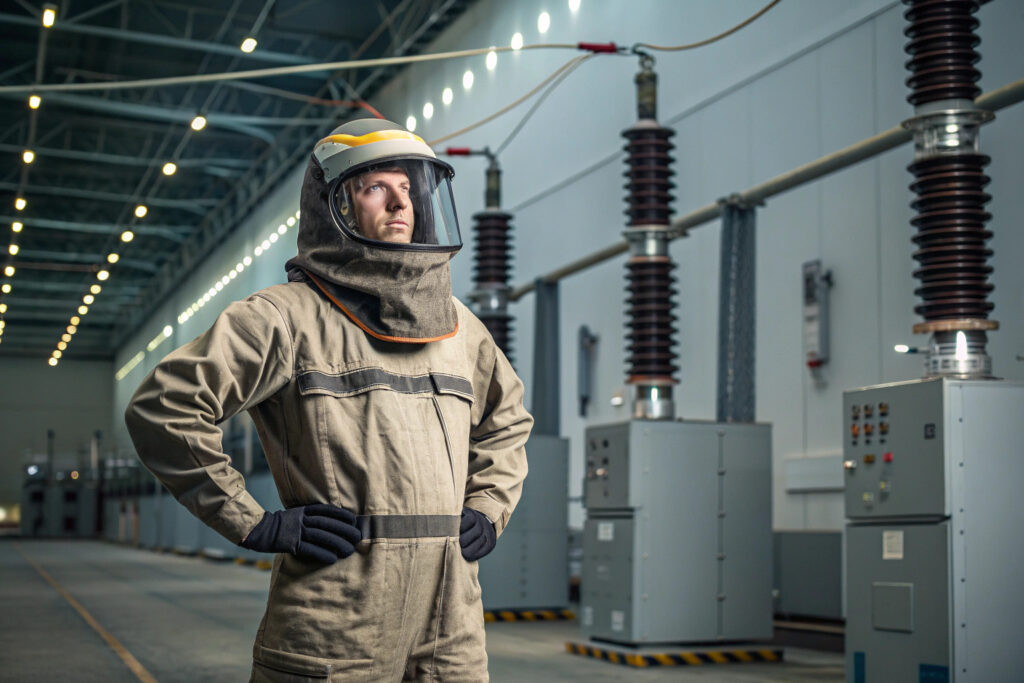
Securing reliable arc-rated balaclavas can be a complex puzzle for buyers. You're not just buying a simple head covering; you're procuring a critical life-saving component that must meet stringent technical standards, ensure worker comfort, and integrate seamlessly into a broader safety system. A wrong choice can expose workers to severe risk and your business to significant liability.
This guide provides a clear, step-by-step framework for procurement officers, safety managers, and business owners to confidently source the correct arc-rated balaclavas. We'll move beyond basic product searches to focus on the technical knowledge, supplier qualifications, and quality assurance processes that ensure genuine protection and value.
To source arc-rated balaclavas correctly, start by conducting a workplace risk assessment to determine the required Arc Thermal Performance Value (ATPV), typically measured in cal/cm². Then, source products from certified suppliers that comply with key standards like ASTM F1506 (for arc-rated textiles) and ASTM F2178 (specifically for face and head protection assemblies that include balaclavas). Finally, prioritize suppliers who offer comprehensive quality documentation, including material certifications and independent lab test reports for the final product.
Let's break down this process. The journey from identifying a need to receiving a certified product involves four critical stages: understanding the hazard, decoding product specifications, evaluating manufacturers, and ensuring proper care. Mastering each stage is key to a successful and compliant procurement.
How do you determine the correct arc rating (ATPV) needed?
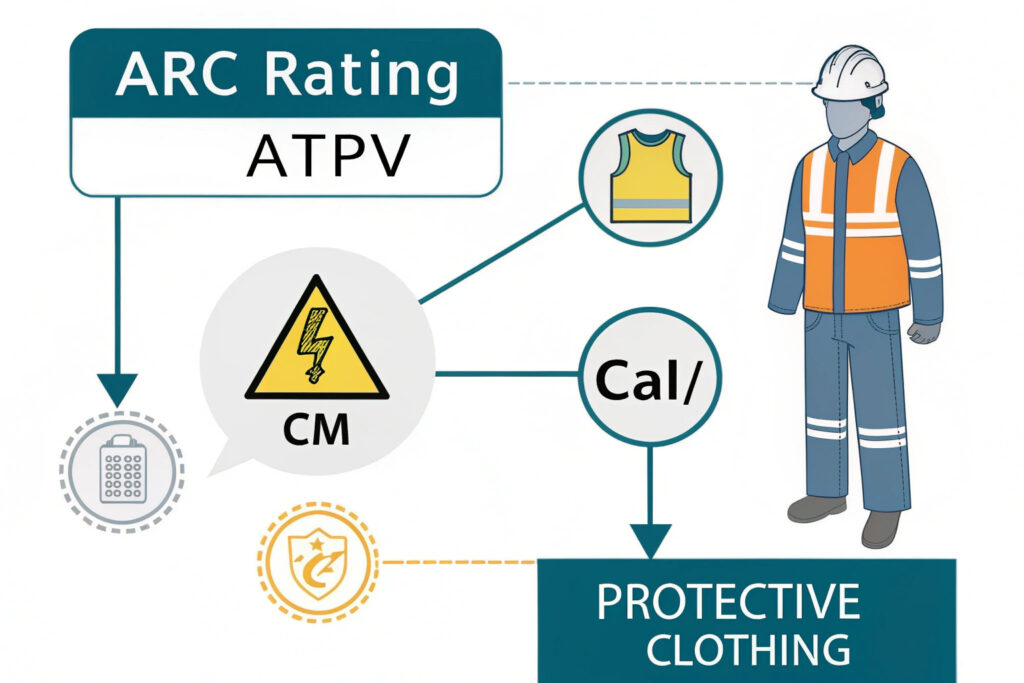
You determine the correct Arc Thermal Performance Value (ATPV) by conducting a detailed risk assessment of the specific job tasks and electrical equipment involved. This assessment is not a guess; it's a formal process often required by safety regulations to calculate the potential incident energy a worker could be exposed to, measured in calories per square centimeter (cal/cm²).
The balaclava's ATPV must meet or exceed this calculated incident energy level. For example, products on the market are available with common ratings such as 8 cal/cm², 10 cal/cm², 15 cal/cm², and 20 cal/cm². Selecting a balaclava with a lower rating than the hazard presents a severe safety risk.
What standards and labels should you look for?
When evaluating products, you must look for compliance with specific, recognized safety standards. These are non-negotiable. The primary standard for the arc-rated fabric itself is ASTM F1506, which is referenced by NFPA 70E, the primary electrical safety standard in the workplace. Crucially, balaclavas used as part of a face protection system fall under ASTM F2178, a standard for arc-rated face protective products. Always check the product's permanent label for these standard certifications. Reputable manufacturers like DuPont, which produces Nomex® and Nomex® Xtreme Arc fabrics, provide materials that meet these stringent requirements.
How does layering affect the protection level?
A critical and often misunderstood concept is that layering garments does not allow you to simply add their individual ATPV ratings together. If a worker wears an 8 cal/cm² balaclava under a 40 cal/cm² hood, the entire system is only rated for 8 cal/cm² unless it has been tested and certified as a combined unit. For maximum and predictable protection, consider sourcing complete, tested systems—such as a hood-and-balaclava combination—from a single, reliable supplier like Shanghai Fumao Clothing, which specializes in integrated PPE solutions.
What are the key features of a high-quality arc-rated balaclava?
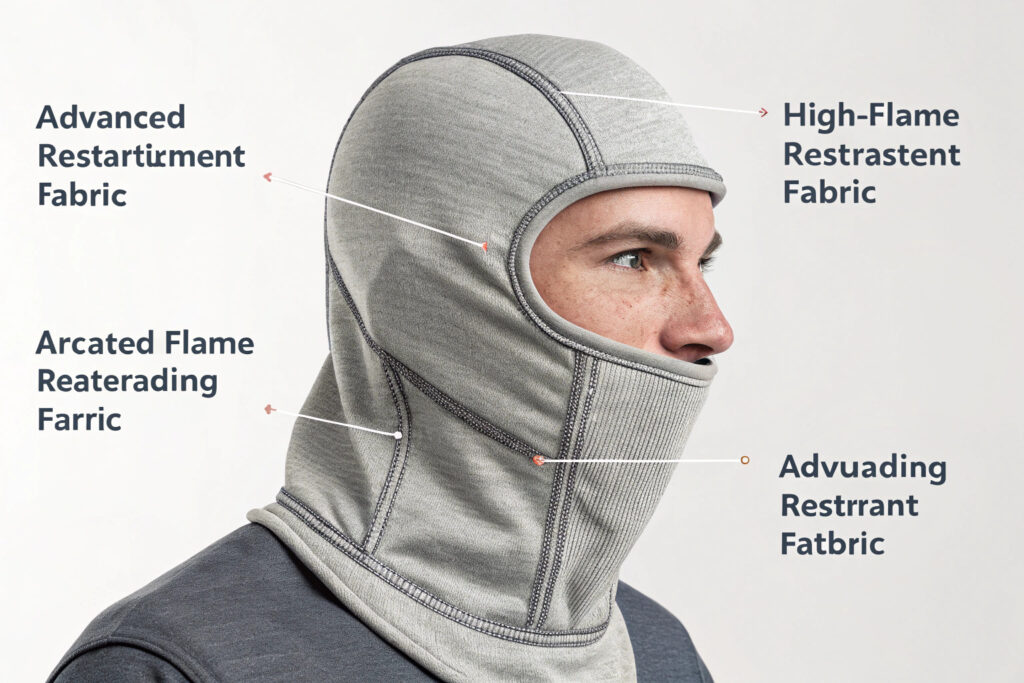
A high-quality arc-rated balaclava is defined by its certified protective performance, durable construction from inherently flame-resistant (FR) materials, and thoughtful design for wearer comfort and compatibility with other PPE. It's a tool where safety and usability are equally important.
Beyond the essential ATPV rating, the material composition is paramount. Look for balaclavas made from inherently flame-resistant fibers like Nomex®, Kevlar®, or modacrylic blends, as their protection cannot be washed out. For instance, the Salisbury AFHOOD10 uses a blend of 20% Nomex® and 80% Lenzing FR®, while the AFHOOD20 incorporates materials like P84® and Kevlar®. These materials should also offer durability, moisture-wicking properties, and breathability to ensure the garment is worn consistently.
Why is design and compatibility crucial for safety?
The design must facilitate, not hinder, the worker's task. Key features to look for include:
- Ergonomic Fit: A pre-shaped design that maintains its form without constant adjustment.
- Compatibility: A snug but not tight facial opening that allows a protective faceshield or goggles to seal properly, as outlined in standards like ASTM F2178.
- Functional Details: Features like a longer neck coverage that tucks into a jacket collar to eliminate gaps in the protection system.
As emphasized by safety professionals, if PPE is uncomfortable or ill-fitting, workers are less likely to wear it correctly, driving compliance down and risk up. Comfort directly impacts safety outcomes.
How do you balance protection with wearer comfort?
Modern fabric technologies are key to this balance. Innovations focus on making protective gear lighter, more flexible, and better at managing body heat and moisture. For example, some advanced arc-rated rainwear now incorporates stretch materials and is significantly lighter than previous generations, directly addressing wearer complaints about bulk and stiffness. When sourcing, inquire about these advancements. Suppliers like Shanghai Fumao Clothing prioritize partnering with leading material innovators to ensure their products offer this crucial blend of certified protection and all-day wearability.
Where can you find reliable suppliers and manufacturers?
You can find reliable suppliers through industry-specific trade shows, professional sourcing platforms like Alibaba for manufacturers, and the distribution networks of established safety brands. However, finding a supplier is easy; identifying a reliable partner capable of guaranteeing compliance is the real challenge.
For direct manufacturing, global platforms like Alibaba list numerous factories, particularly in China, offering arc-rated PPE with certifications like NFPA 2112 and EN 11612. For branded products, you can turn to distributors of major safety brands like Salisbury or Ariat, whose FR Polartec balaclava is Cat 2 rated for arc flash protection. The most strategic approach often involves partnering with a specialized intermediary, such as an experienced trading and manufacturing company that can navigate the complex supply chain, manage quality control, and ensure regulatory documentation is flawless.

What questions should you ask a potential supplier?
Vetting a supplier requires going beyond a product catalog. Your due diligence must include asking for:
- Certification Proof: Request copies of test reports from accredited laboratories (e.g., CNAS-accredited labs) for the specific product model, verifying its claimed ATPV.
- Material Traceability: Ask for mill certificates for the FR fabric to confirm its origin and inherent properties.
- Compliance Expertise: Gauge their knowledge of applicable standards (ASTM F1506, F2178, NFPA 70E) and their experience in shipping to your region, including navigating issues like US tariffs.
Why is a one-stop solution provider advantageous?
Partnering with a comprehensive solution provider simplifies the entire process. A company like Shanghai Fumao Clothing acts as your quality gatekeeper. We manage everything from fabric sourcing and product development to in-house lab testing, quality control, and logistics. This integrated model ensures consistency, reduces the administrative burden on your end, and provides a single point of accountability. For businesses that need customization—such as specific colors, company logos, or tailored sizing—this type of partner is essential, as they control the process from the workshop to your warehouse.
How do you ensure proper care and long-term performance?
You ensure long-term performance by implementing and enforcing strict care and maintenance procedures as outlined by the manufacturer and relevant standards. Arc-rated PPE is a long-term investment, and improper care can degrade its protective qualities, creating a dangerous false sense of security.
The cornerstone of proper care is correct laundering. Bleach and fabric softeners must never be used, as they can compromise the flame-resistant properties of the fabric. Employers should follow guidelines set in standards like ASTM F1449 for industrial laundering or ASTM F2757 for home laundering. Regular inspection is equally critical. Balaclavas should be checked before each use for any signs of damage, such as holes, excessive thinning, or torn seams, and removed from service immediately if defects are found.
What are the best practices for inspection and replacement?
Establish a formal inspection protocol. Train workers to perform a quick visual and tactile check for integrity. Management should conduct more detailed periodic inspections. Maintain clear records of the garment's issue date and laundering cycles. While some inherently FR materials like Nomex® offer durability, the garment's physical condition—not just its age—determines its service life. A damaged or excessively worn balaclava must be replaced regardless of how long it has been owned.
How does proper care impact sustainability and cost?
Diligent care directly extends the service life of the PPE, which is the most effective sustainability strategy in the workwear sector. As noted by safety experts, "the longer clothing and footwear products are in use, the lower the environmental footprint will be". This practice of maximizing durability aligns with environmental stewardship and provides significant cost savings by reducing the frequency of replacement purchases. It transforms PPE from a disposable item into a valued, maintained asset, ensuring worker safety, corporate responsibility, and financial efficiency are all met.
Conclusion
Sourcing arc-rated balaclavas is a technical procurement process that safeguards lives. It begins with a precise risk assessment to define the necessary protection level (ATPV) and requires a deep understanding of material standards like ASTM F1506 and F2178. Success hinges on partnering with suppliers who provide full transparency through material certifications and test reports, and who design for both certified safety and wearer comfort to ensure compliance. Finally, implementing rigorous care and inspection protocols preserves the investment and guarantees long-term performance.
Ready to streamline your procurement of reliable, certified arc-rated PPE? Partner with a supplier that manages complexity for you. Contact Shanghai Fumao Clothing, your comprehensive head-to-toe PPE solutions partner. For a detailed discussion on your specific requirements, please reach out to our Business Director, Elaine, at elaine@fumaoclothing.com.