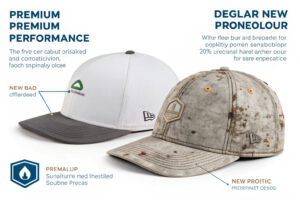
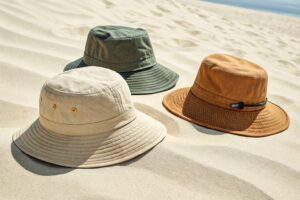
As technology becomes increasingly integrated into our daily lives, tech workers are showing growing concern about prolonged exposure to electromagnetic fields (EMF) from devices. Many are seeking protective headwear that can integrate seamlessly into their professional wardrobe while offering peace of mind. If you're a buyer or retailer looking to capitalize on this emerging market, understanding how to source effective anti-radiation caps is crucial for meeting this specialized demand.
The most reliable way to source anti-radiation caps for tech workers involves partnering with manufacturers who specialize in EMF-shielding fabrics and understand both technical requirements and fashion needs. Key sourcing considerations include verifying silver fiber content, testing certification, comfortable design for all-day wear, and professional aesthetics suitable for workplace environments.
The market for EMF-protective clothing is growing rapidly, particularly in tech hubs like Silicon Valley, Shenzhen, and Bangalore. Tech professionals are increasingly proactive about managing their electromagnetic exposure during long work hours, creating a substantial opportunity for retailers who can provide genuinely effective and stylish solutions.
What makes an effective anti-radiation cap?
Understanding the technology behind anti-radiation caps is essential before beginning your sourcing journey. Not all protective headwear offers genuine EMF protection, and discerning buyers need to know what to look for in a truly effective product.
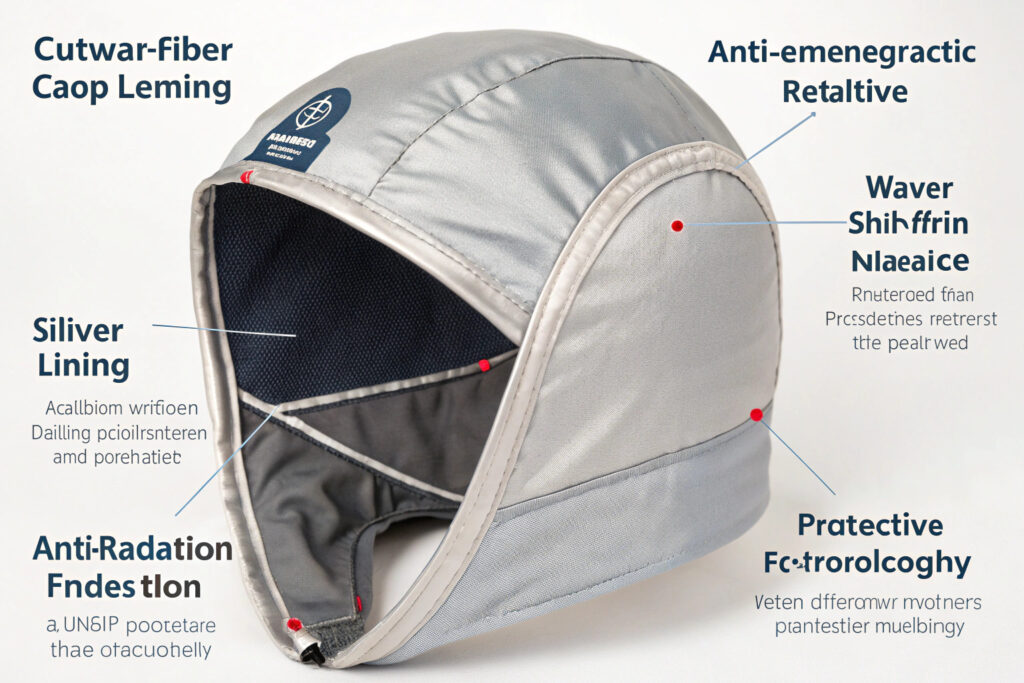
The effectiveness of an anti-radiation cap hinges on its conductive fabric content and construction quality. Genuine EMF-protective caps incorporate silver-coated nylon or polyester fibers woven into the fabric, creating a Faraday cage effect that deflects electromagnetic radiation. The protection level depends on factors like fabric density, silver content percentage, and complete coverage without gaps. Unlike regular caps, true anti-radiation models must provide consistent shielding across all sections of the headwear.
How does silver fiber technology block EMF?
Silver fiber technology works through the principles of electrical conductivity and electromagnetic shielding. When silver particles are bonded to textile fibers, they create a conductive network that forms a protective barrier. This barrier reflects and absorbs electromagnetic radiation, preventing it from reaching the wearer's head. The shielding effectiveness is typically measured in decibels (dB), with quality caps offering 20-40 dB reduction across various frequencies. This technology has been validated through independent laboratory testing and represents the current gold standard in wearable EMF protection for tech environments.
What certification should buyers look for?
Reputable anti-radiation caps should carry independent laboratory testing certifications that verify their shielding effectiveness. Key certifications include IEC (International Electrotechnical Commission) standards for electromagnetic compatibility and specific EMF shielding testing reports from accredited laboratories. Additionally, look for OEKO-TEX certification ensuring the materials are free from harmful substances. When sourcing through shanghaifumaoclothing, we provide comprehensive testing documentation from our CNAS-accredited lab, giving buyers verified performance data and quality assurance for their inventory.
Where to find reliable anti-radiation cap manufacturers?
Identifying trustworthy manufacturing partners is the most critical step in building a successful anti-radiation cap product line. The specialized nature of these products requires suppliers with specific expertise beyond conventional headwear production.
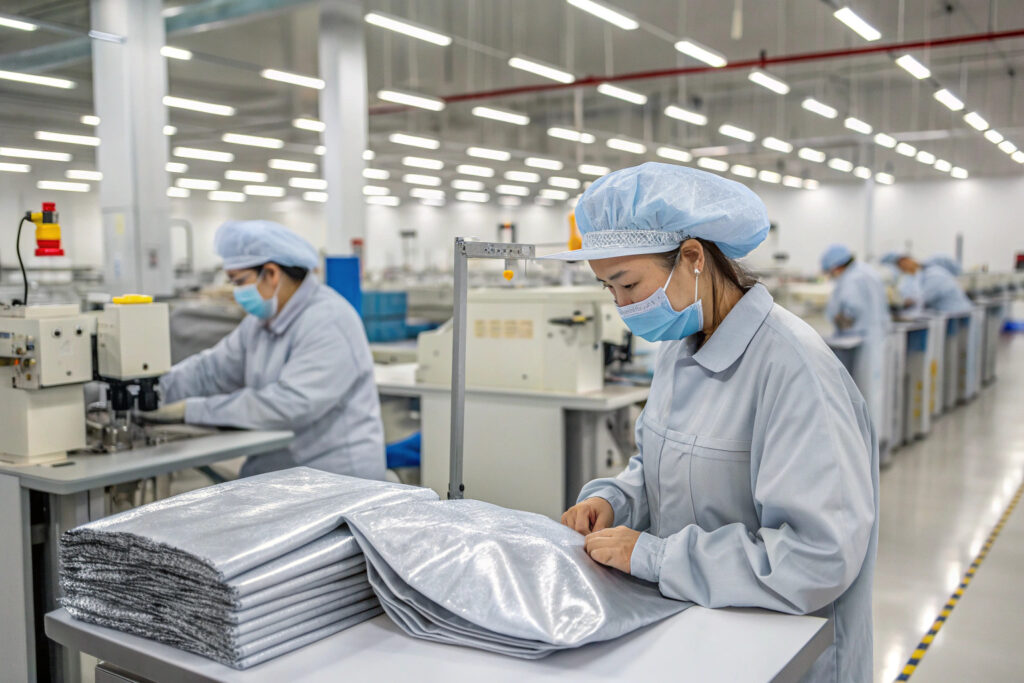
The most reliable manufacturers typically operate within specialized technical textile ecosystems, particularly in regions with strong electronics and advanced materials industries. China's Yangtze River Delta region, including our base in Zhejiang, hosts numerous factories with expertise in conductive textiles. Other manufacturing hubs include South Korea, Taiwan, and Germany, though these often come with higher production costs. The key is finding partners who understand both textile manufacturing and the technical requirements of EMF shielding.
What questions should you ask potential suppliers?
When vetting anti-radiation cap manufacturers, ask specific technical questions to assess their expertise:
- Can you provide independent lab test results for shielding effectiveness across multiple frequencies?
- What percentage of silver content do your fabrics contain, and what is the expected lifespan of the shielding properties?
- How do you ensure consistent quality and protection across production batches?
- What washing instructions are required to maintain EMF protection, and how many wash cycles can the caps withstand before effectiveness diminishes?
- Do you offer customization options for design, branding, and packaging?
Their answers will reveal their technical depth and production capabilities, helping you identify partners who can deliver genuine protection rather than just marketing claims.
How to verify manufacturer claims and quality?
Verifying manufacturer claims requires a multi-faceted approach. First, request samples and have them independently tested at accredited laboratories specializing in EMF measurement. Second, examine their business credentials, production facilities, and client references. Third, assess their communication transparency and willingness to provide detailed technical documentation. At shanghaifumaoclothing, we encourage this due diligence and facilitate third-party verification because we understand that trust is essential in this specialized market segment.
What design features matter for tech professionals?
Tech workers have specific aesthetic and functional requirements for workplace headwear. Understanding these preferences is crucial for sourcing products that will actually sell to this discerning demographic.
Tech professionals prioritize subtle, professional designs that don't scream "protective gear." The most successful anti-radiation caps feature minimalist aesthetics, neutral color palettes, and comfortable fits suitable for extended wear. Key design elements include breathability for all-day comfort, lightweight construction that doesn't feel cumbersome, and styles that transition well from office to casual settings. Unlike conventional protective equipment, these items need to align with tech culture's preference for understated, functional elegance.

Which styles are most popular in tech environments?
Current market analysis shows clear style preferences among tech workers:
| Style | Key Features | Best Use Cases |
|---|---|---|
| Modern Baseball Cap | Silver fiber lining, minimalist branding, moisture-wicking | Casual offices, startups |
| Unstructured Beanie | Thin silver layer, stretch fit, low profile | Air-conditioned offices, commuting |
| Professional Fedora | Silver mesh lining, wool exterior, elegant shape | Client-facing positions |
| Sports Cap | Enhanced breathability, athletic fit, silver coating | Tech professionals who exercise outdoors |
These styles address different scenarios within the tech worker's day while maintaining the necessary protection levels and professional appearance.
How important is comfort for all-day wear?
Comfort is absolutely critical for anti-radiation caps targeting tech workers. Unlike occasional-use protective gear, these items are designed for prolonged daily wear in office environments. Key comfort factors include weight distribution, breathability, temperature regulation, and non-restrictive fit. Caps that feel heavy, hot, or tight will simply remain unworn, regardless of their protective capabilities. That's why at shanghaifumaoclothing we prioritize ergonomic design and advanced materials that provide both protection and all-day comfort through our extensive R&D process.
What are the pricing and MOQ considerations?
Understanding the cost structure and minimum order requirements is essential for planning your anti-radiation cap product line and ensuring profitable inventory management.
Anti-radiation caps typically command premium pricing compared to conventional headwear due to their specialized materials and manufacturing processes. Wholesale prices generally range from $15-35 per unit depending on silver content, design complexity, and order quantity. Minimum order quantities (MOQs) typically start at 500-1,000 pieces for standard designs, though some manufacturers offer lower MOQs for initial trial orders. The pricing reflects the genuine cost of silver-coated fabrics and the specialized production techniques required to maintain consistent shielding effectiveness.
What factors influence the final product cost?
Several key factors determine the final cost of anti-radiation caps:
- Silver Content: Higher silver percentages in the fabric increase material costs significantly
- Testing and Certification: Independent laboratory verification adds to development expenses
- Design Complexity: More intricate patterns and construction require specialized production
- Order Volume: Larger quantities typically reduce per-unit costs through manufacturing efficiencies
- Customization: Branding, packaging, and exclusive designs involve additional setup costs
Understanding these variables helps buyers make informed decisions about their product specifications and target price points.
How can buyers optimize their sourcing strategy?
Smart sourcing strategies can help buyers maximize value while maintaining quality standards. Consider starting with smaller trial orders to verify performance before committing to large quantities. Develop long-term relationships with manufacturers to access better pricing and priority production slots. Combine multiple styles in single orders to meet higher volume thresholds and qualify for tiered pricing. Plan orders well in advance to avoid rush charges and production bottlenecks. At shanghaifumaoclothing, we work collaboratively with buyers to develop sourcing strategies that align with their business objectives and market positioning.
Conclusion
Sourcing effective anti-radiation caps for tech workers requires careful attention to both technical specifications and market preferences. By focusing on verified shielding technology, professional design aesthetics, reliable manufacturing partnerships, and strategic sourcing approaches, buyers can successfully tap into this growing niche market. The key is balancing genuine protective functionality with the style and comfort demands of discerning tech professionals.
As awareness of EMF exposure grows among tech workers worldwide, the market for well-designed protective headwear continues to expand. If you're ready to develop your own line of anti-radiation caps or incorporate them into your existing product offerings, our specialized manufacturing expertise can help. Contact our Business Director Elaine at elaine@fumaoclothing.com to discuss how we can partner to create high-quality, market-ready anti-radiation solutions for your customers.