Sourcing anti-mosquito netting safari hats requires specialized knowledge of both protective textiles and headwear manufacturing. Buyers need suppliers who understand insect-repellent technologies, proper netting integration, and the durability requirements of outdoor adventure use.
The most reliable sources for anti-mosquito safari hats include specialized outdoor gear manufacturers, textile companies with insect-repellent fabric expertise, B2B platforms with verified suppliers, and factories with experience in travel safety products. These suppliers combine technical knowledge with practical manufacturing capabilities — a standard that Shanghaifumaoclothing embodies as a trusted partner for B2B buyers seeking high-performance outdoor headwear.
This comprehensive guide covers the complete sourcing process for mosquito-net safari hats, from identifying qualified suppliers to ensuring product efficacy and quality.
What Technical Specifications Define Quality Mosquito Net Hats?
Understanding the technical specifications of anti-mosquito safari hats ensures you source products that provide genuine protection rather than just cosmetic features. The technical details separate effective products from inadequate ones.
Key specifications include mesh density and hole size (less than 1.2mm for mosquitoes), insect-repellent treatment type and concentration, netting attachment durability, fabric breathability and UPF rating, and overall construction quality for rugged use. These elements collectively determine the hat's protective efficacy — a technical standard that fumaoclothing rigorously upholds to deliver professional-grade outdoor headwear for safari and adventure markets.
Different technical aspects impact various protection and comfort factors. Here's how to evaluate the most critical specifications.
How does mesh size affect mosquito protection?
The mesh opening size must be small enough to prevent mosquitoes from passing through while maintaining adequate airflow. The World Health Organization recommends maximum hole sizes of 1.2mm to exclude mosquitoes, with optimal protection achieved at 0.6-0.8mm for complete exclusion of even smaller insects.
Proper mesh specification compliance ensures the hats provide genuine barrier protection rather than just visual deterrents. Our manufacturing partners use laser-cut precision meshing that maintains consistent hole sizes throughout production runs, eliminating protection gaps.
What insect-repellent treatments are most effective?
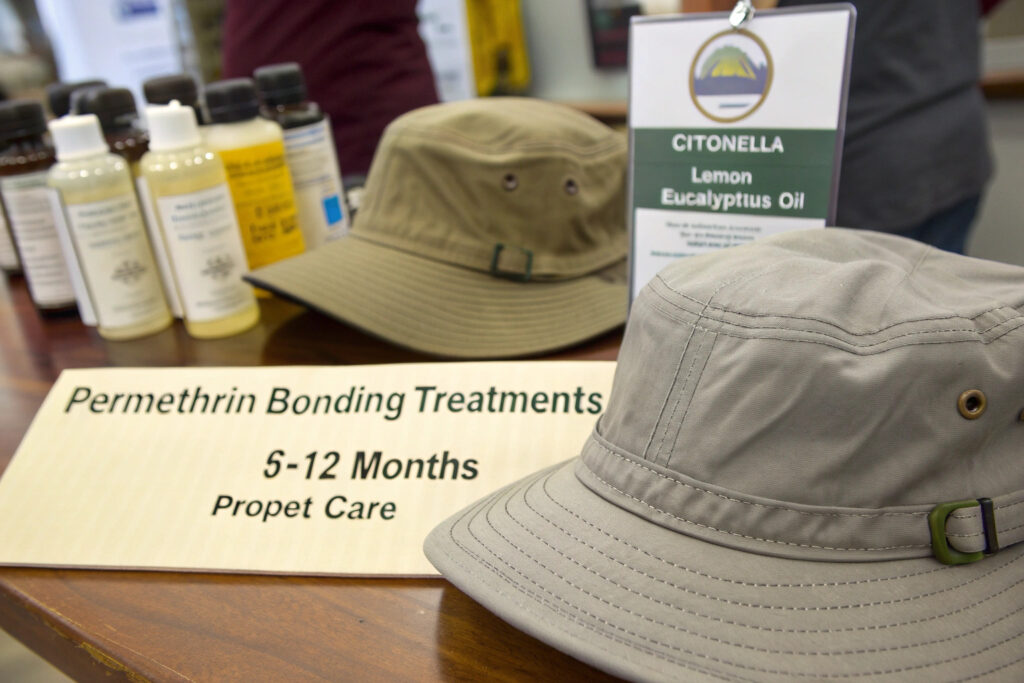
Long-lasting permethrin bonding treatments provide the most reliable mosquito protection for safari hats, with effective durations of 6-12 months with proper care. Natural alternatives like citronella or lemon eucalyptus oil offer shorter-term protection but may require more frequent reapplication.
The permethrin concentration and bonding process significantly impact both efficacy and safety. Our treated hats maintain consistent 0.52% permethrin concentration across all production batches, providing reliable protection while meeting international safety standards for skin-contact products.
Which Suppliers Specialize in Protective Safari Headwear?
The supplier landscape for mosquito-net safari hats includes different types of manufacturers with varying expertise levels. Understanding these categories helps identify the right partner for your quality and volume requirements.
Primary supplier types include specialized outdoor safety gear manufacturers, tropical adventure equipment companies, military and tactical gear suppliers, and general headwear factories with protective product lines. Each offers different advantages in technical knowledge, minimum order quantities, and customization capabilities.
Different supplier types serve various market segments and business needs. Here's how to identify the right manufacturing partner.
What advantages do outdoor specialty manufacturers offer?
Outdoor specialty manufacturers bring existing expertise in adventure gear durability, weather resistance, and user comfort. They typically understand the specific needs of safari, hiking, and camping environments where mosquito protection is essential.
These specialists often provide more rigorous field testing and have existing relationships with distributors in the adventure travel market. However, they may have higher minimum order quantities and less flexibility for significant design changes compared to general manufacturers.
How do tactical gear suppliers approach mosquito protection?
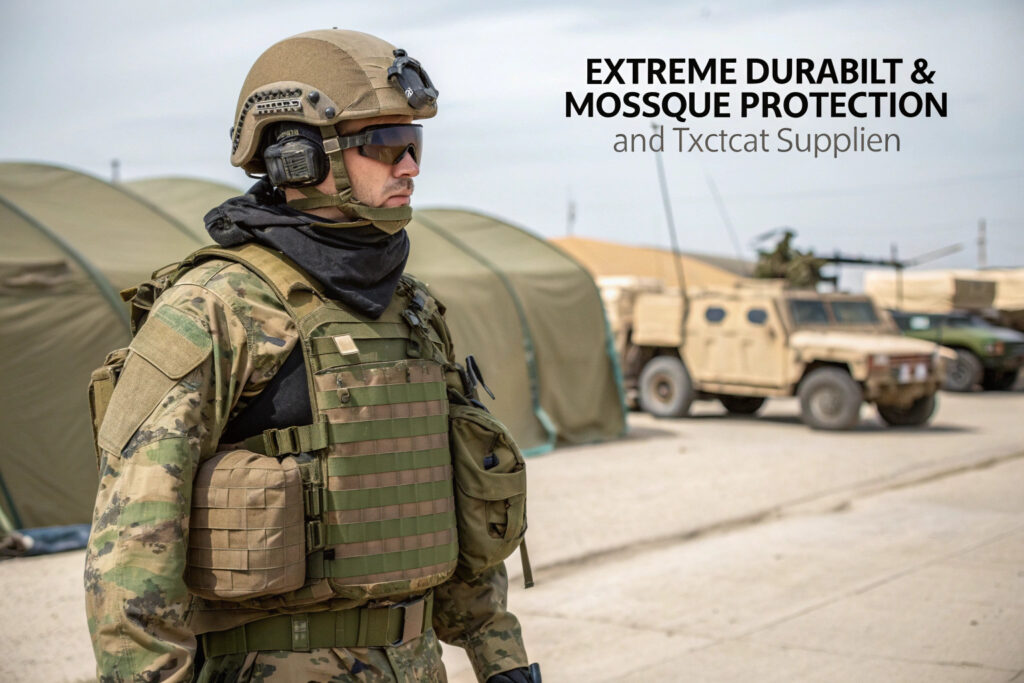
Tactical and military suppliers offer extreme durability and often incorporate mosquito protection into broader integrated protection systems. Their designs frequently include additional features like neck capes, storage integration, and compatibility with other protective equipment.
These manufacturers typically work with military-grade materials and construction methods that exceed civilian durability requirements. The trade-off may be higher costs and more utilitarian aesthetics compared to consumer-focused safari designs.
What Quality Control Ensures Effective Mosquito Protection?
Quality control for anti-mosquito safari hats requires testing both traditional headwear elements and specialized protective features. This multi-layered approach ensures products deliver both comfort and genuine insect protection.
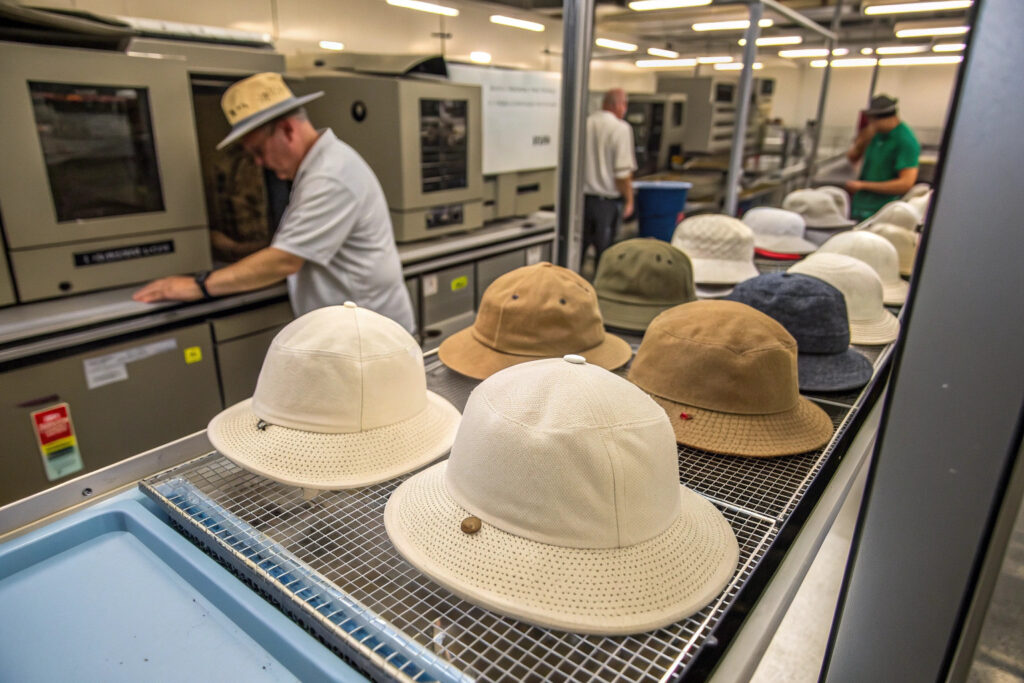
Comprehensive quality control includes mesh integrity testing, repellent treatment verification, seam strength evaluation, durability under tropical conditions, and performance validation through standardized mosquito challenge tests. These protocols identify failures before products reach consumers.
Different quality aspects require specialized testing protocols. Here's how to implement effective quality assurance for protective headwear.
How is mosquito exclusion effectiveness tested?
Standardized testing involves placing hats in mosquito-rich environments and measuring landing and biting rates through the netting. The WHO cone test methodology adapted for headwear provides quantitative protection measurements, with effective products demonstrating zero bite-through under test conditions.
Our quality protocol includes regular batch testing using Aedes aegypti mosquitoes, the species most relevant for disease transmission in safari destinations. This ensures consistent performance against the primary health threat rather than just nuisance mosquitoes.
What durability tests simulate safari conditions?
Accelerated aging tests expose hats to UV radiation, high humidity, and temperature cycling that simulate years of tropical use in a compressed timeframe. Additional testing includes repeated net deployment cycles, abrasion resistance measurements, and colorfastness under perspiration and rain conditions.
Our tropical durability protocol includes 500+ deployment cycles for netting systems and 300+ hours of UV exposure testing. These rigorous standards ensure the hats maintain both protective functionality and aesthetic appearance throughout their intended service life.
What Customization Options Are Available?
Customization transforms standard mosquito-net safari hats into branded products that reflect your company's identity and market positioning. Understanding available options helps maximize product differentiation while maintaining protective efficacy.
Available customization includes branding placement and methods, color combinations for both hat and netting, additional feature integration, packaging design, and technical specification adjustments. Strategic customization balances brand expression with technical reliability.
Different customization levels serve various business needs and budgets. Here's how to approach customization decisions.
What branding methods work on mosquito netting?
Specialized printing techniques allow logo application directly onto mosquito netting without compromising mesh integrity or protection. UV-resistant inks and precise application ensure branding remains visible without creating openings that could allow insect penetration.
The placement of branding elements requires careful consideration of both visibility and protection maintenance. We recommend positioning logos on the hat crown rather than the netting when possible, as this provides clearer branding while eliminating any potential compromise to protective function.
How much technical customization is feasible?
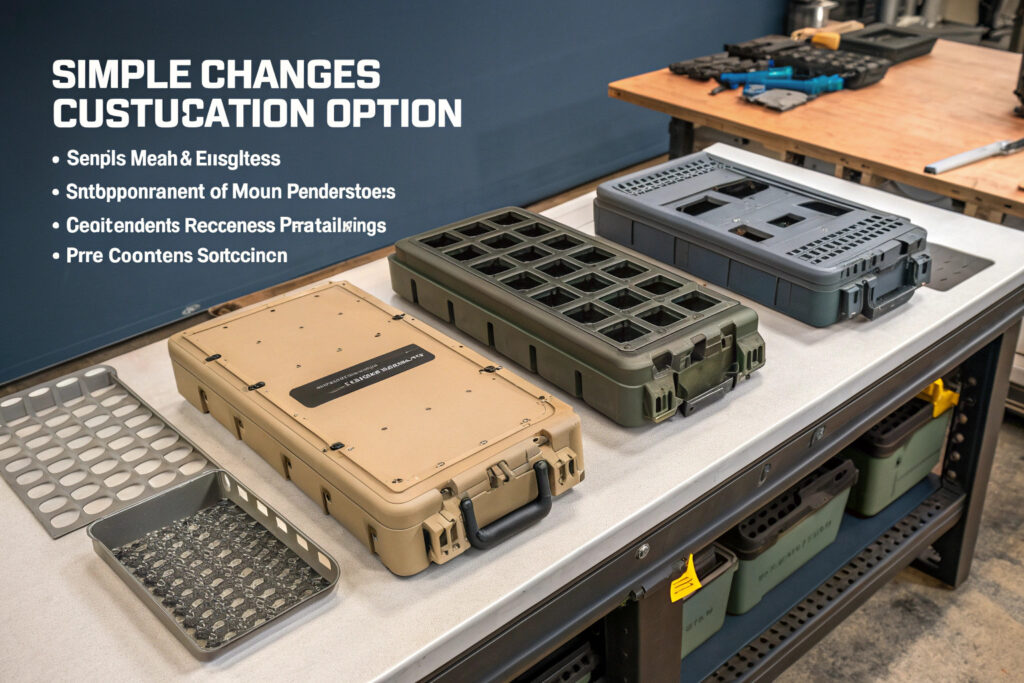
Technical customization ranges from simple mesh color changes to complete redesign of deployment systems and integration of additional protective features. Most suppliers offer modular approaches where you can select from pre-tested components to create custom configurations.
For significant technical customization, expect minimum order quantities of 1,000-5,000 units depending on complexity. Minor modifications like different net storage solutions or alternative chin strap systems may be available with lower MOQs of 300-500 units.
Conclusion
Sourcing anti-mosquito netting safari hats requires careful supplier selection, technical specification management, comprehensive quality control, and strategic customization. Success in this specialized market comes from balancing adventure aesthetics with genuine protective functionality — a core competency of fumaoclothing as a leading technical outdoor headwear supplier.
If you're looking to develop anti-mosquito safari hats, Global-Caps has established partnerships with manufacturers specializing in protective headwear and can manage the entire sourcing process. Our technical team ensures proper integration of mosquito protection into comfortable, durable safari designs. Contact our Protective Gear Specialist Elaine at elaine@fumaoclothing.com to discuss your mosquito-net safari hat requirements.