How to Slash Tariffs Using ASEAN Hat Sourcing Routes?
International headwear brands face an increasingly complex tariff landscape, with US import duties on Chinese-made hats reaching up to 25% in some categories. Many companies are discovering that strategic sourcing through ASEAN countries can dramatically reduce these costs while maintaining quality and supply chain reliability.
The most effective way to slash tariffs through ASEAN sourcing involves utilizing free trade agreements like the ASEAN-China Free Trade Area (ACFTA), Regional Comprehensive Economic Partnership (RCEP), and ASEAN-US Trade and Investment Framework Arrangement, which can reduce or eliminate duties for hats meeting specific rules of origin requirements.By establishing production partnerships in countries like Vietnam, Cambodia, or Indonesia, companies can maintain access to Chinese manufacturing expertise while benefiting from preferential tariff treatments.
This guide explores practical strategies for leveraging ASEAN sourcing routes, detailing specific free trade agreements, compliance requirements, and implementation approaches that can reduce your headwear import costs by 15-25% while diversifying your supply chain.
Which ASEAN countries offer the best tariff advantages?
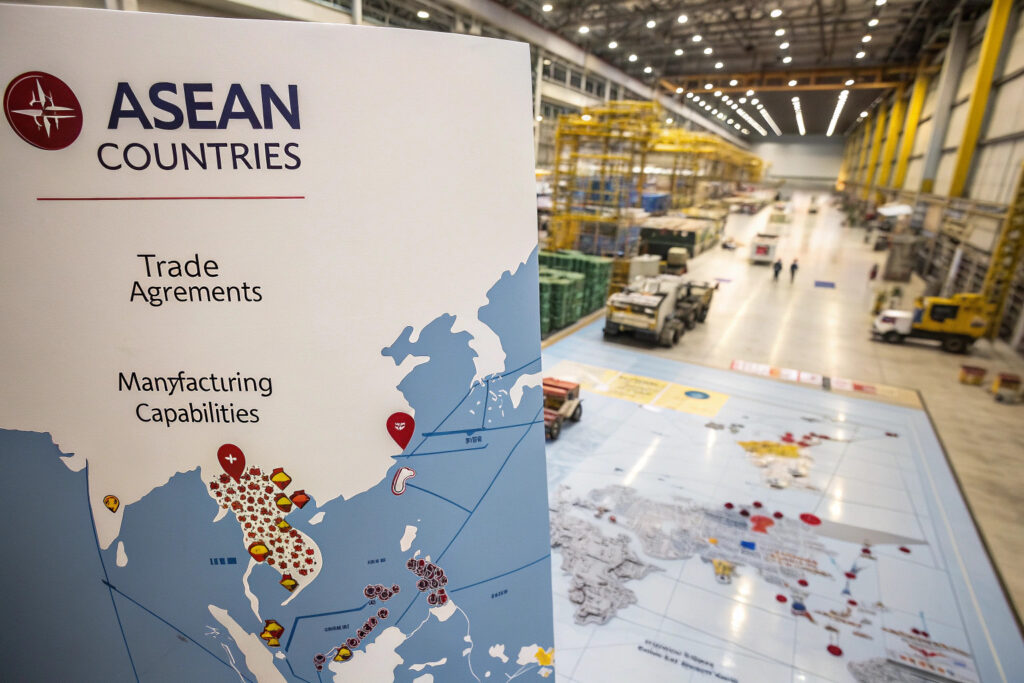
Strategic selection of ASEAN sourcing locations can dramatically impact your total landed costs. Different countries offer varying combinations of trade agreements, manufacturing capabilities, and infrastructure that affect both production efficiency and tariff benefits.
Vietnam, Cambodia, and Indonesia currently provide the most advantageous combinations of free trade agreement coverage, manufacturing capacity for headwear, and political stability for long-term sourcing relationships. Each offers unique advantages depending on your specific product mix and volume requirements.
Why is Vietnam the preferred ASEAN sourcing hub?
Vietnam has emerged as the premier ASEAN sourcing destination due to its comprehensive free trade network including the EU-Vietnam Free Trade Agreement (EVFTA), Comprehensive and Progressive Agreement for Trans-Pacific Partnership (CPTPP), and UK-Vietnam Free Trade Agreement (UKVFTA). For headwear specifically, Vietnam offers well-developed textile and garment infrastructure with numerous factories experienced in hat production. The country's rules of origin requirements typically mandate 55-60% regional value content for preferential treatment, which many manufacturers achieve through local material sourcing and value-added processing. Additionally, Vietnam's shipping infrastructure provides reliable access to major global markets with competitive transit times.
How does Cambodia's Everything But Arms (EBA) scheme benefit hat importers?
Cambodia's Everything But Arms (EBA) arrangement with the European Union provides duty-free, quota-free access for all products except arms and ammunition. This makes Cambodia particularly advantageous for companies targeting European markets, as hats manufactured there enter the EU with zero tariffs regardless of material origin. While Cambodia's manufacturing ecosystem is less developed than Vietnam's, it offers competitive labor costs and growing expertise in headwear production. Many Chinese hat manufacturers have established joint ventures or wholly-owned facilities in Cambodia specifically to leverage these trade benefits while maintaining technical expertise from their Chinese operations.
What documentation proves ASEAN origin for tariff reduction?
Proper documentation is the foundation of successful tariff reduction through ASEAN sourcing. Without precise compliance with rules of origin and certification requirements, importers cannot access preferential tariff rates regardless of where their products are manufactured.
The key documents for claiming preferential tariffs include Certificates of Origin (Form D for ASEAN trade, Form E for China-ASEAN trade), commercial invoices, packing lists, and detailed production records that substantiate origin claims through value-added calculations or tariff classification changes.

How do ASEAN Certificates of Origin work?
ASEAN Certificates of Origin (Form D for ASEAN trade and Form E for China-ASEAN trade under ACFTA) are the primary documents proving eligibility for preferential tariffs. These certificates must be issued by authorized bodies in the exporting country and detail the specific rule of origin under which the product qualifies. For hats, this typically involves either meeting a regional value content threshold (usually 40-60% depending on the specific agreement) or demonstrating sufficient transformation through change in tariff classification. The certificate must precisely match commercial invoice details and be submitted to customs authorities in the importing country. Working with experienced freight forwarders and customs brokers is essential to ensure proper completion and submission of these documents.
What production records support origin claims?
Beyond certificates of origin, importers should maintain comprehensive production records that substantiate origin claims if challenged by customs authorities. These include bills of material showing sourcing of components, production process flows documenting value-added activities in the ASEAN country, labor records, and cost calculations proving compliance with regional value content requirements. For headwear manufacturing, this typically involves documenting that substantial transformation occurred through cutting and sewing operations, or that a sufficient percentage of the product's value was added within the ASEAN region. Maintaining these records for at least five years is recommended, as customs authorities may conduct retrospective verifications.
How to structure ASEAN sourcing partnerships?
Successful ASEAN sourcing requires strategic partnerships that balance cost optimization, quality control, and compliance management. Different partnership models offer varying levels of control, risk, and implementation complexity.
The most effective partnership structures include joint ventures with local manufacturers, contract manufacturing agreements with established facilities, and buying agency arrangements that leverage local expertise while maintaining brand control over design and quality standards.

What are the advantages of joint venture manufacturing?
Joint venture partnerships with established ASEAN manufacturers provide the highest level of control over production processes while ensuring compliance with rules of origin requirements. This model allows companies to directly implement their quality control systems, proprietary techniques, and material specifications while benefiting from their partner's local expertise, workforce management, and regulatory knowledge. Joint ventures typically involve capital investment but offer greater transparency in cost structures and the ability to customize production facilities for specific product requirements. For headwear brands with sufficient volume (typically 500,000+ units annually), this approach provides the optimal balance of control and local market access.
How does contract manufacturing reduce compliance risks?
Contract manufacturing with established ASEAN facilities transfers many compliance responsibilities to local partners who understand regional trade agreement requirements. Reputable contract manufacturers typically have established systems for managing rules of origin documentation, labor compliance, and export procedures. This model reduces upfront investment and accelerates market entry while still providing cost advantages. When selecting contract manufacturing partners, verify their experience with specific free trade agreements, audit their compliance systems, and review their track record with other international clients. Well-structured contracts should clearly define responsibilities for tariff classification, origin documentation, and handling of customs inquiries or audits.
What cost savings can ASEAN sourcing realistically deliver?
Understanding the realistic cost savings potential of ASEAN sourcing helps companies make informed decisions about supply chain restructuring. Savings come from multiple sources beyond just tariff reductions.
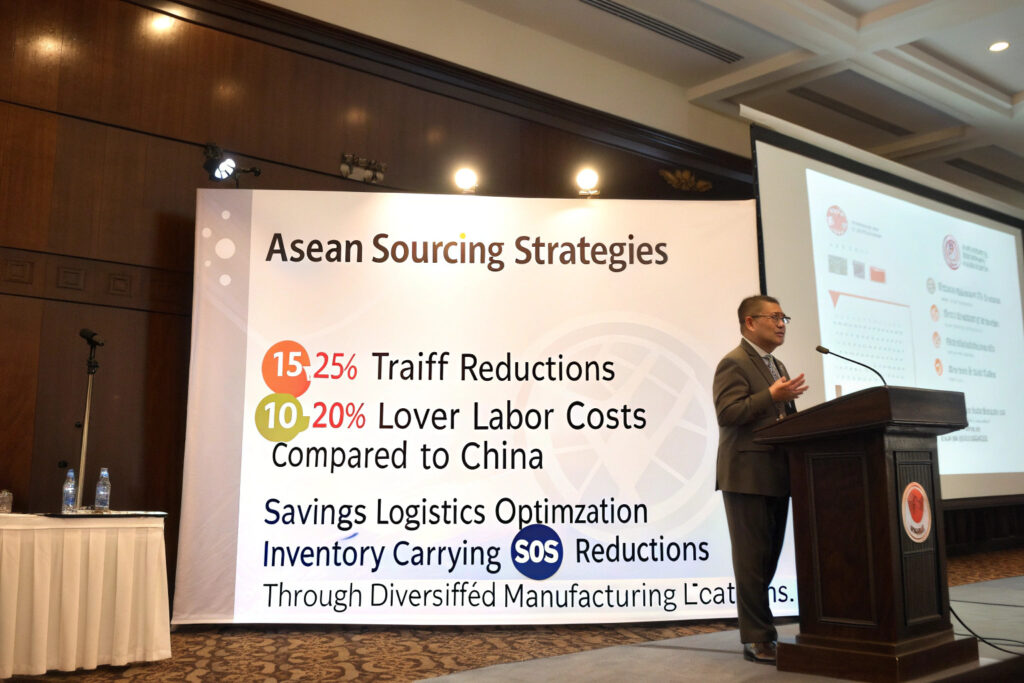
Typical savings from well-executed ASEAN sourcing strategies include 15-25% tariff reductions, 10-20% lower labor costs compared to China, and additional savings from logistics optimization and inventory carrying cost reductions through diversified manufacturing locations.
How much can tariff reductions impact total landed cost?
Tariff reductions through ASEAN sourcing can reduce total landed costs by 15-25% for US-bound headwear shipments, depending on the specific product category and origin country. For example, baseball caps entering the US under HTS 6505.90 from China face 25% tariffs, while the same products from Vietnam may enter at 0-8% depending on specific free trade agreement utilization. These savings directly impact gross margins and can significantly improve price competitiveness in retail markets. However, companies must factor in potential increases in other cost components, including potentially higher raw material costs, increased shipping expenses from alternative locations, and additional compliance management costs.
While ASEAN sourcing offers substantial tariff advantages, companies should budget for several potential hidden costs including higher raw material expenses (as some components may need to be sourced locally at higher prices), increased freight costs from less consolidated shipping routes, additional quality control expenses (particularly during initial production runs), and compliance verification costs. Companies should also factor in travel expenses for management oversight, potential costs associated with longer lead times, and investment in relationship building with new suppliers. A comprehensive cost-benefit analysis should compare total landed costs rather than just focusing on tariff differentials.
Conclusion
Strategic ASEAN sourcing represents a powerful approach to reducing tariff burdens while building more resilient, diversified supply chains. By leveraging free trade agreements, establishing compliant manufacturing partnerships, and maintaining thorough documentation, headwear companies can achieve substantial cost savings while maintaining product quality and reliability.
At Global-Caps, we've developed integrated China-ASEAN manufacturing strategies that leverage our Chinese design and development capabilities with ASEAN production for tariff optimization. Our hybrid approach allows clients to benefit from the best of both regions—Chinese innovation and efficiency with ASEAN trade advantages. To explore how ASEAN sourcing could reduce your import costs while maintaining quality standards, contact our Business Director Elaine at elaine@fumaoclothing.com. Let us help you navigate the complexities of international trade to keep your headwear business competitive.