Sweat stains on custom embroidered caps present a frustrating problem for both manufacturers and consumers. These unsightly marks not only diminish the cap's appearance but can also damage fabrics and embroidery threads over time, leading to customer complaints and product returns. The combination of sweat salts, oils, and minerals interacting with dyes and materials creates stubborn discoloration that becomes increasingly difficult to remove.
Preventing sweat stains requires a comprehensive approach addressing fabric selection, moisture management, and proper care. The most effective strategies include using sweat-resistant materials, implementing advanced manufacturing techniques, applying protective treatments, and educating customers on proper maintenance. By tackling the issue at multiple levels, you can significantly extend the lifespan and appearance of custom embroidered caps.
Understanding the science behind sweat staining and implementing proactive solutions can transform this common problem into a competitive advantage for your headwear business.
What Fabric Choices Prevent Sweat Stains?
The foundation of sweat stain prevention begins with strategic fabric selection. Certain materials naturally resist moisture absorption and staining better than others, making them ideal for custom embroidered caps destined for active use.
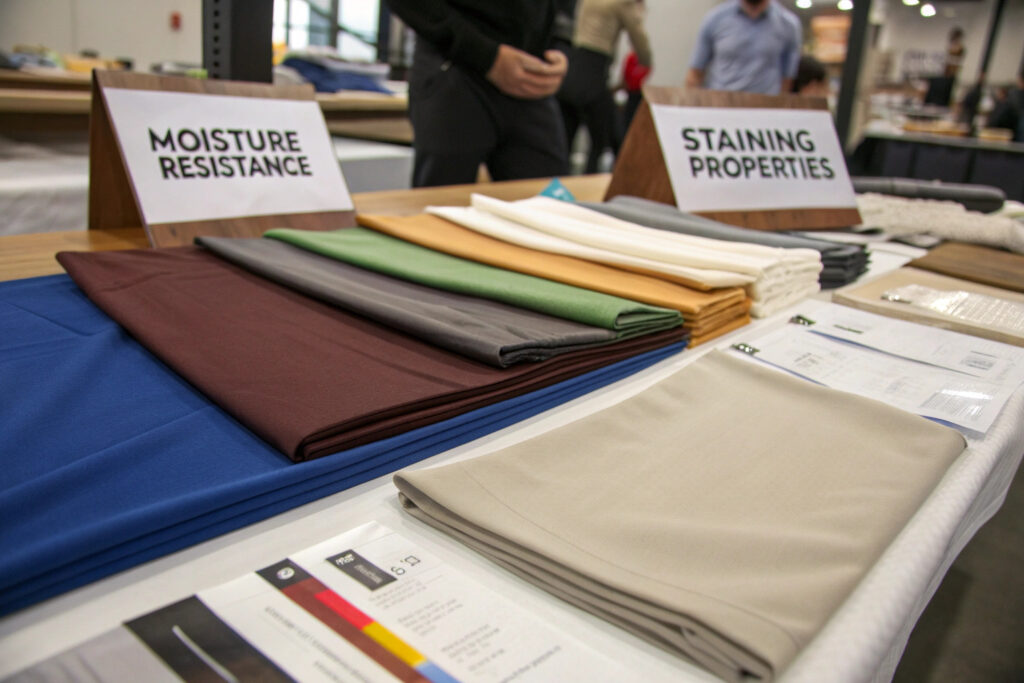
Moisture-wicking synthetic fabrics and tightly woven natural fibers provide the best defense against sweat stains. Polyester blends with moisture-wicking technology, performance meshes, and solution-dyed fabrics offer superior stain resistance compared to traditional cotton materials. These technical textiles actively pull moisture away from the skin to the fabric's exterior where it can evaporate, preventing the saturation that leads to staining.
Why Do Performance Fabrics Outperform Cotton?
Traditional cotton fabrics absorb and retain moisture, creating the perfect environment for sweat salts and oils to penetrate fibers and cause permanent staining. Performance synthetics like polyester and nylon feature hydrophobic properties that resist moisture absorption, while specialized weaves and chemical treatments enhance their ability to transport moisture away from the body. This fundamental difference in how fabrics interact with sweat makes performance materials significantly more resistant to staining over repeated use.
Which Fabric Treatments Enhance Stain Resistance?
Several fabric treatments can further improve sweat stain resistance. Durable water repellent (DWR) coatings cause moisture to bead up and roll off fabric surfaces rather than being absorbed. Antimicrobial treatments inhibit odor-causing bacteria that can contribute to staining, while fluorochemical finishes create protective barriers against oil-based stains from sweat. These treatments work particularly well when applied to synthetic fabrics, creating multiple layers of protection against sweat penetration and discoloration.
How Can Manufacturing Techniques Reduce Staining?
Strategic manufacturing decisions significantly impact a cap's susceptibility to sweat stains. From construction methods to component selection, these choices determine how effectively moisture is managed throughout the cap's structure.
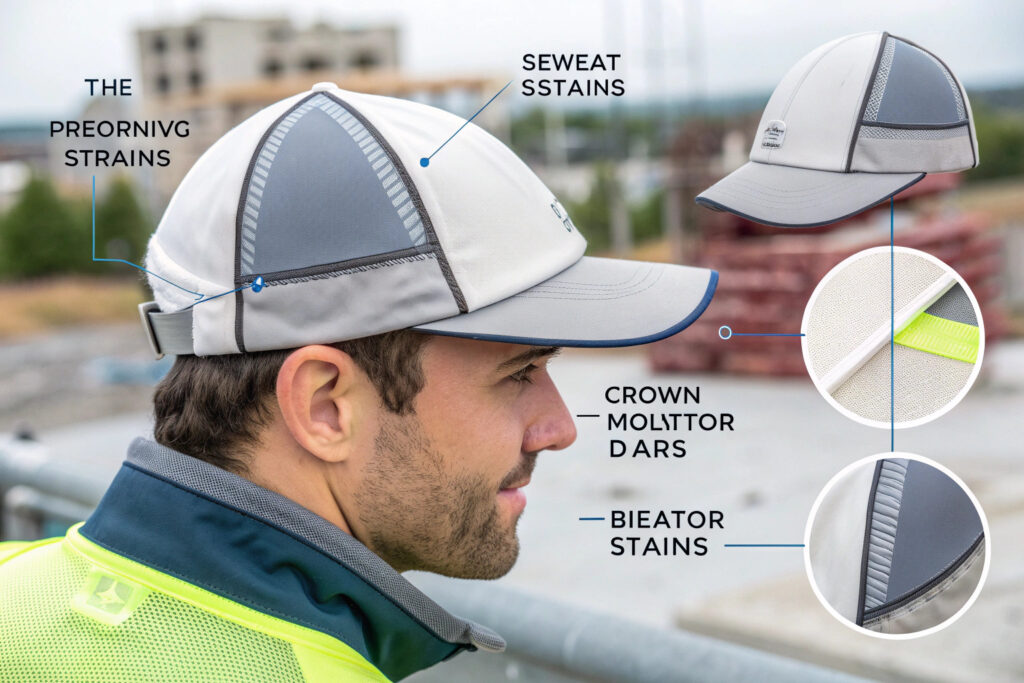
Advanced manufacturing techniques focus on creating ventilation pathways, moisture barriers, and stain-resistant embroidery. Key approaches include using sweat-proof inner bands, implementing strategic ventilation panels, selecting appropriate embroidery materials, and creating physical separations between sweat-prone areas and decorative elements. These manufacturing innovations transform basic caps into high-performance accessories that maintain their appearance despite heavy use.
What Role Do Sweatbands Play in Stain Prevention?
Integrated sweatbands represent one of the most effective manufacturing solutions for preventing sweat stains. At shanghaifumaoclothing, we install removable or permanent sweatbands made from terry cloth, synthetic moisture-wicking materials, or leather that create a protective barrier between the forehead and the cap's body. These bands absorb and distribute moisture while preventing direct contact with the main fabric, significantly reducing the risk of permanent staining. The best designs feature replaceable components that allow users to refresh the protective layer as needed.
How Does Embroidery Technique Affect Stain Vulnerability?
Embroidery methods directly influence a cap's susceptibility to sweat damage. Dense embroidery patterns can create moisture traps where sweat accumulates, while improper thread tension may compromise the underlying fabric's integrity. Using specialized embroidery techniques that maintain fabric breathability, selecting synthetic threads that resist moisture absorption, and strategically placing designs away from high-sweat areas all contribute to better stain resistance. These considerations are particularly important for caps intended for athletic or outdoor use where sweat exposure is inevitable.
What Protective Treatments Can Be Applied?
Professional protective treatments provide an additional layer of defense against sweat stains, particularly for caps that cannot be constructed entirely from performance materials. These applications create invisible barriers that repel moisture and prevent staining agents from penetrating fibers.
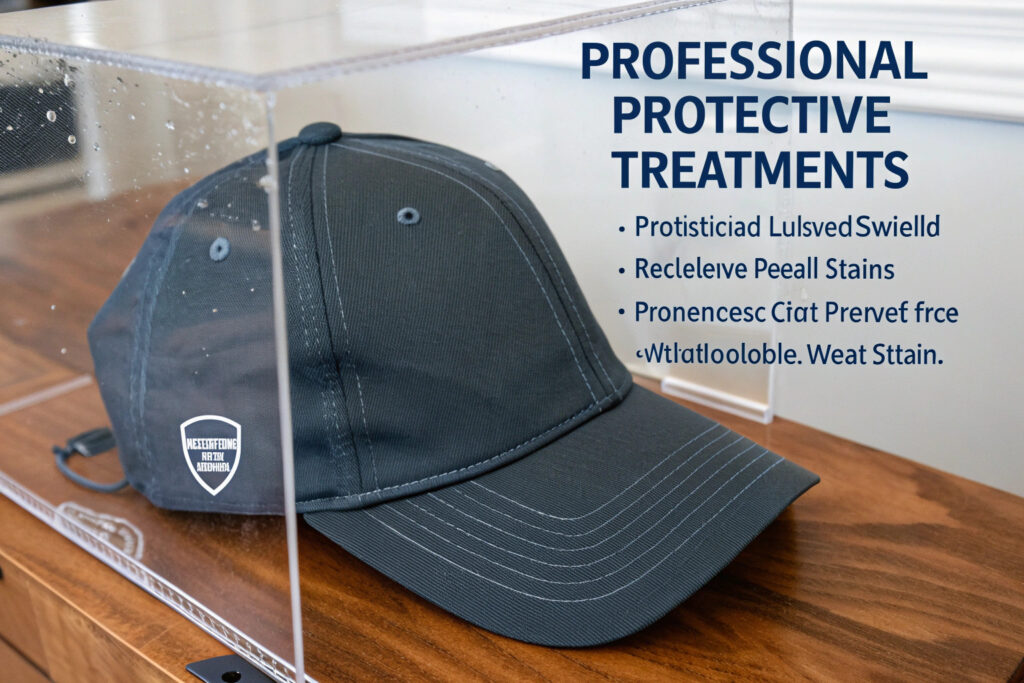
Advanced fabric protectors and nanotechnology treatments offer powerful solutions for sweat stain prevention. Commercial-grade applications like Teflon fabric protector, silicone water repellents, and nanoparticle coatings create molecular barriers that cause liquids to bead up and roll off fabric surfaces. These protective technologies have evolved significantly, now offering protection that lasts through multiple washes without compromising fabric breathability or comfort.
How Effective Are Commercial Fabric Protectors?
Professional fabric protectors can reduce sweat stain absorption by up to 90% when properly applied. Unlike consumer-grade products, commercial applications penetrate deeply into fibers and create durable cross-links that withstand repeated washing and wear. The most effective treatments utilize fluoropolymer technology that reorganizes at the molecular level when heated, creating a persistent barrier against both water-based and oil-based stains. This level of protection is particularly valuable for caps with complex embroidery where cleaning can be challenging.
What Role Does Pre-Treatment Play in Manufacturing?
Applying protective treatments during manufacturing provides superior results compared to aftermarket applications. Factory-level treatment allows for even application, proper curing, and quality control that ensures consistent protection across all products. This manufacturing integration also enables customization based on specific fabric types and intended use cases, optimizing protection for particular environments and sweat conditions. The result is a product that arrives with built-in stain resistance rather than requiring additional customer intervention.
What Care Instructions Prevent Permanent Staining?
Proper care and maintenance play a crucial role in preventing permanent sweat stains, yet many customers lack knowledge about appropriate cleaning techniques for custom embroidered caps. Providing clear, effective care instructions significantly extends product lifespan.
Effective care strategies focus on prompt treatment, proper cleaning methods, and appropriate drying techniques. The most successful approaches include immediate spot treatment after sweating, gentle cleaning that preserves embroidery, and air drying methods that prevent heat damage. These care protocols when consistently followed, can maintain a cap's appearance through years of regular use.
Why Is Immediate Treatment Critical for Stain Prevention?
The timing of sweat stain treatment dramatically impacts its removability. Sweat salts and oils begin bonding with fabric fibers within hours of exposure, becoming increasingly difficult to remove over time. Immediate rinsing with cool water prevents this bonding process and flushes away staining agents before they can set. This prompt response is particularly important for caps with embroidery, as thread dyes may be more susceptible to discoloration from prolonged sweat exposure.
What Cleaning Methods Preserve Embroidery While Removing Stains?
Specialized cleaning techniques effectively remove sweat residues without damaging embroidery. Hand washing with mild detergents, using soft-bristled brushes for spot treatment, and avoiding harsh chemicals that can degrade threads all contribute to successful cleaning. For stubborn stains, enzyme-based cleaners specifically designed for protein-based stains (like sweat) break down discoloration without bleaching or damaging fabrics. These methods preserve both the cap's structure and the vibrancy of custom embroidery.Learn more shanghaifumaoclothing.
Conclusion
Preventing sweat stains on custom embroidered caps requires a multi-faceted approach combining intelligent material selection, strategic manufacturing techniques, protective treatments, and proper care education. By addressing the problem from fabric through aftercare, manufacturers can significantly enhance product durability and customer satisfaction.
If you're looking to develop sweat-resistant custom embroidered caps for your brand or organization, our expertise in performance materials and stain-prevention technologies can help create products that maintain their appearance through extensive use. Contact our Business Director Elaine at elaine@fumaoclothing.com to discuss custom solutions for your specific requirements.