Hat color fading in UV-intensive regions like deserts, high-altitude areas, or sunny coastal zones is a major concern for both manufacturers and consumers. It damages brand reputation, leads to customer dissatisfaction, and shortens the product's lifespan. The intense ultraviolet radiation not only degrades dyes but also weakens fabric fibers. Preventing this requires a proactive strategy that starts at the material selection and dyeing stage, not with aftercare instructions.
To prevent hat color fading in UV-intensive regions, you must combine UV-resistant dyes, high-quality UV-blocking fabrics (with high UPF ratings), and specialized fabric finishes during manufacturing. Post-production, applying fabric protectants and providing clear sun-care guidance to consumers are essential additional layers of defense.
This guide breaks down the technical solutions at each stage of the hat's lifecycle, from production to end-use, to ensure your headwear retains its vibrancy under the harshest sun.
How to Select Fabrics and Dyes for Maximum UV Resistance?
The foundation of fade resistance is built during material sourcing. The choice of fiber, weave, and dye chemistry determines up to 80% of a hat's ability to withstand UV degradation.
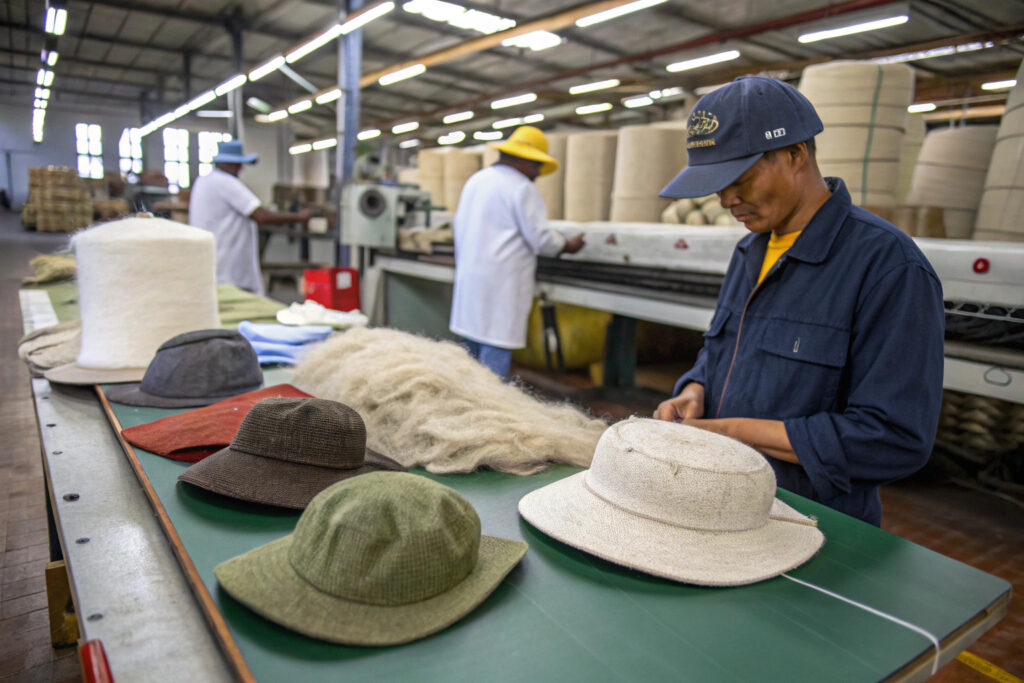
Which fabric properties are most important?
Not all fabrics are created equal for sun exposure. Key factors include:
- Fiber Type: Synthetic fibers like polyester and nylon are inherently more UV-resistant than natural fibers like cotton or linen. Their polymer structures are less easily broken down by UV radiation. For a natural feel with better performance, consider solution-dyed synthetic blends.
- Fabric Construction: Denser weaves and knits allow less UV light to penetrate the fabric. A tight canvas weave will outperform a loose, open linen weave. Heavier fabrics generally protect better but must be balanced with breathability for comfort.
- UPF Rating: The Ultraviolet Protection Factor (UPF) is the gold standard for measuring a fabric's UV-blocking ability. For hats in intensive sun, insist on fabrics with a UPF 50+ rating, which blocks over 98% of UVA and UVB rays. Reputable mills can provide UPF test reports for their materials.
What makes a dye "UV-resistant"?
The dyeing process is critical. Standard dyes fade as UV radiation breaks their chemical bonds.
- Solution Dyeing (Mass Coloration): This is the most fade-resistant method. Pigment is added to the synthetic polymer before the fiber is extruded. The color is locked into the fiber's core, making it extremely resistant to fading from sun, sweat, and washing. It is a premium option often used for high-performance outdoor gear.
- Fiber Reactive Dyes with UV Inhibitors: For natural fibers like cotton, high-quality fiber-reactive dyes offer good colorfastness. Their performance is greatly enhanced when combined with UV-inhibiting additives during the dye bath. These additives act as "sunscreen" for the dye molecules.
- Pigment Dyes vs. Vat Dyes: Avoid simple pigment dyes (which sit on the fiber surface) for high-sun applications. Superior vat dyes, which chemically bond to cellulose fibers, offer much better lightfastness.
What Manufacturing and Finishing Techniques Enhance Durability?
Once the right materials are selected, specialized finishing treatments applied during manufacturing add a crucial protective layer and enhance the fabric's innate properties.
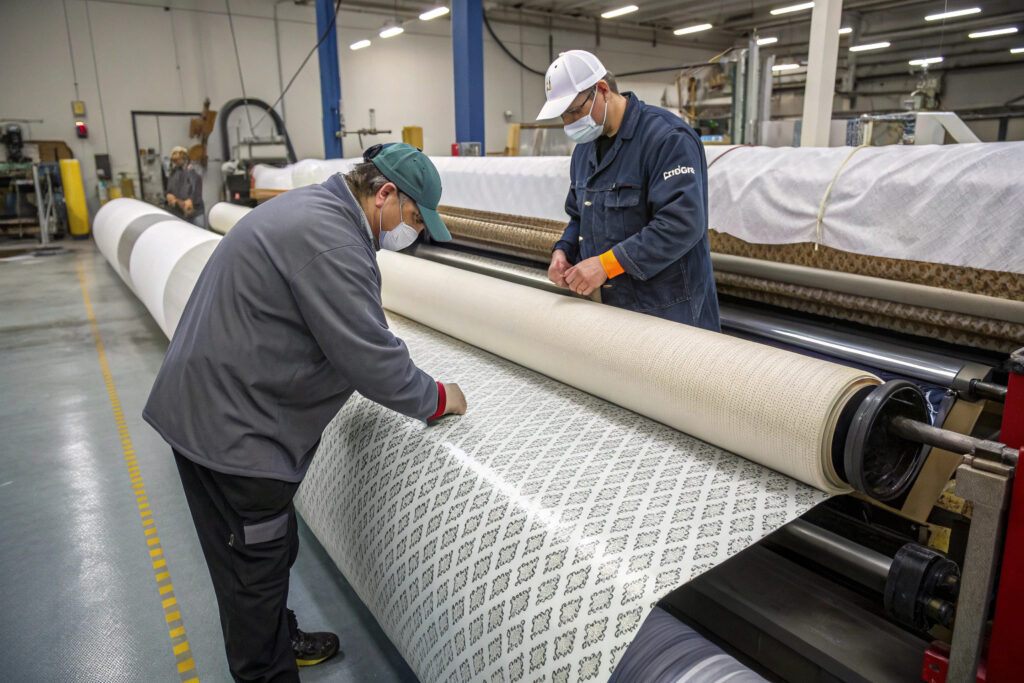
Which chemical finishes protect against UV?
Applying a UV-absorbing or UV-blocking finish is a highly effective manufacturing step. These finishes contain compounds that either absorb harmful UV radiation and convert it to a small amount of heat or reflect it away from the fabric. They can be applied via padding or spraying and are often combined with water-repellent (DWR) finishes. For the highest protection, look for finishes that are rated for "extended UV exposure" and that maintain effectiveness through multiple washes. Partnering with a manufacturer like shanghaifumaoclothing that has experience with technical fabric treatments ensures proper application.
How does construction affect longevity?
- Lining as a Barrier: A lightweight, UV-opaque lining (e.g., in a cotton twill or taffeta) can provide an extra layer of protection for the outer fabric and shield the wearer's scalp. This is common in bucket hats and wide-brimmed sun hats.
- Stitching and Details: Use colorfast, UV-stable thread for sewing. Embroidery threads should also be selected for high lightfastness to prevent the stitching from fading at a different rate than the main fabric, creating a mismatched look.
What Post-Production and Consumer Care Strategies Work Best?
Protection continues after the hat leaves the factory. Providing clear care instructions and offering protective products can significantly extend the hat's vibrant life.
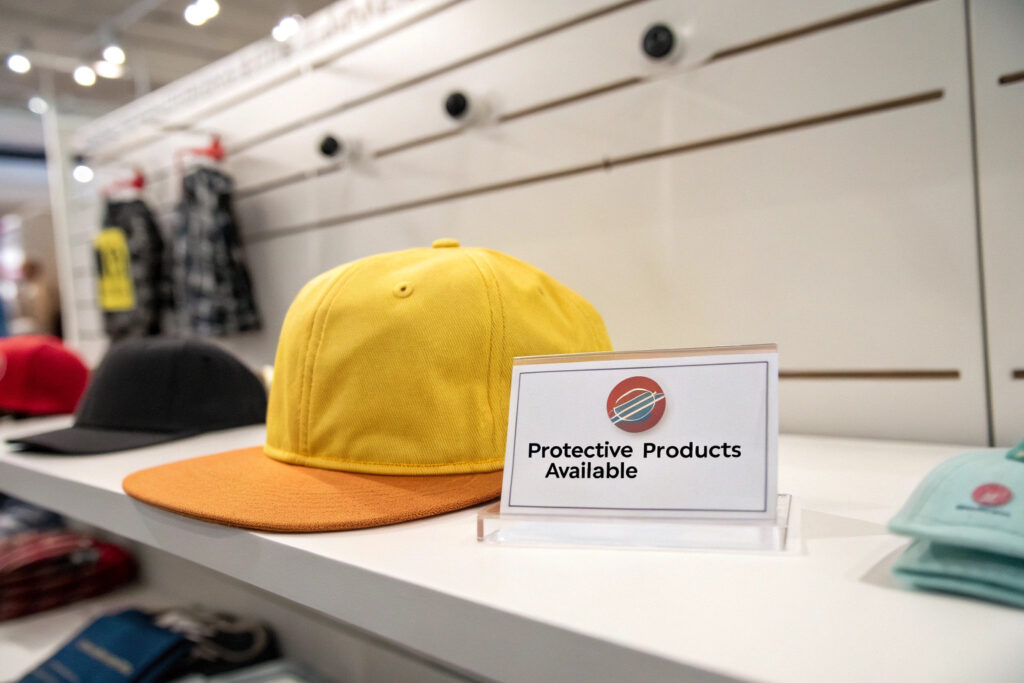
Are fabric protectant sprays effective?
Yes, aftermarket fabric protectant sprays containing UV inhibitors can provide a valuable top-up layer of defense. They are especially useful for natural fiber hats (like cotton or straw) that lack built-in UV treatment. Consumers should be instructed to reapply these sprays periodically, especially after washing or heavy rain. Recommending a reputable brand adds value to your product.
What are the critical consumer care instructions?
Clear labeling is essential. A hangtag or care label should include:
- Wash Guidance: "Hand wash separately in cold water with a mild detergent. Avoid bleach." Heat from hot water and aggressive detergents accelerate dye loss.
- Drying Directive: "Always air dry in the shade. Never tumble dry or dry in direct sunlight." Direct sun while wet is the most damaging condition for dyes.
- Storage Advice: "Store in a cool, dry place away from direct sunlight when not in use." Prolonged exposure on a shelf or in a car can cause fading even without being worn.
How Do You Test and Communicate Fade Resistance?
Trust is built on proof. Implementing simple testing and clear communication turns your technical efforts into a compelling marketing story.

What simple tests can verify fade resistance?
Before bulk production, conduct a real-world sunlight exposure test. Place swatches of your dyed fabric and a competitor's ordinary fabric side-by-side in direct sunlight for a set period (e.g., 2-4 weeks). Document the visible difference in fading. For a more scientific approach, use a Xenon arc lamp fading tester if you have access to a quality lab. This simulates long-term sun exposure in a controlled, accelerated timeframe.
How should you market this feature to consumers?
Don't hide the technology—promote it. Use clear, benefit-driven language:
- On Product Tags: "Engineered with UV-Shield Technology for fade-resistant color under intense sun."
- In Product Descriptions: "Made from UPF 50+ fabric dyed with UV-inhibiting pigments to maintain its vibrant look season after season, perfect for beach, desert, and alpine travel."
- As a Quality Differentiator: Position your hats as the durable, reliable choice for serious sun exposure, much like the performance built into specialized foldable sun hats for safari guides. This builds a reputation for quality that transcends fashion.
Conclusion
Preventing hat color fading in UV-intensive regions is a multi-layered process that integrates advanced materials, intelligent manufacturing, and proactive consumer guidance. By starting with UV-resistant fabrics and dyes, enhancing them with protective finishes, and providing clear aftercare, you can create hats that are as durable as they are stylish. This technical approach not only solves a practical problem but also builds a strong brand identity rooted in quality and longevity.
For brands looking to develop sun-resistant headwear with guaranteed colorfastness, partnering with a manufacturer that understands material science and functional finishes is key. If you are aiming to create a line of high-performance hats for sunny climates, we have the expertise to select the right materials and apply the necessary treatments. To discuss developing fade-resistant headwear for your brand, please contact our Business Director Elaine at elaine@fumaoclothing.com.