Hat brim damage during shipping represents a significant challenge for retailers, manufacturers, and collectors, with crushed, bent, or deformed brims being among the most common shipping-related complaints. Effective prevention requires a comprehensive approach addressing packaging design, material selection, and handling protocols throughout the supply chain.
Preventing hat brim damage in transit involves using rigid structural supports, strategic cushioning materials, proper box selection, and clear handling instructions. The most effective methods combine internal brim protection with external packaging reinforcement that maintains integrity through various shipping conditions while remaining cost-effective for different hat types and volumes.
This comprehensive guide examines proven strategies for protecting hat brims during shipping, covering packaging materials, loading techniques, and quality control measures that significantly reduce damage rates across various transportation methods.
What Packaging Materials Protect Brim Integrity?
Selecting appropriate packaging materials forms the foundation of effective brim protection. The combination of structural supports and cushioning materials must address both impact resistance and compression protection throughout the shipping journey.
High-quality packaging materials specifically chosen for hat protection can reduce damage rates by up to 85% compared to inadequate packaging. Understanding material properties and their interaction with different hat types is essential for developing effective protection strategies.
How Do Rigid Insert Systems Work?
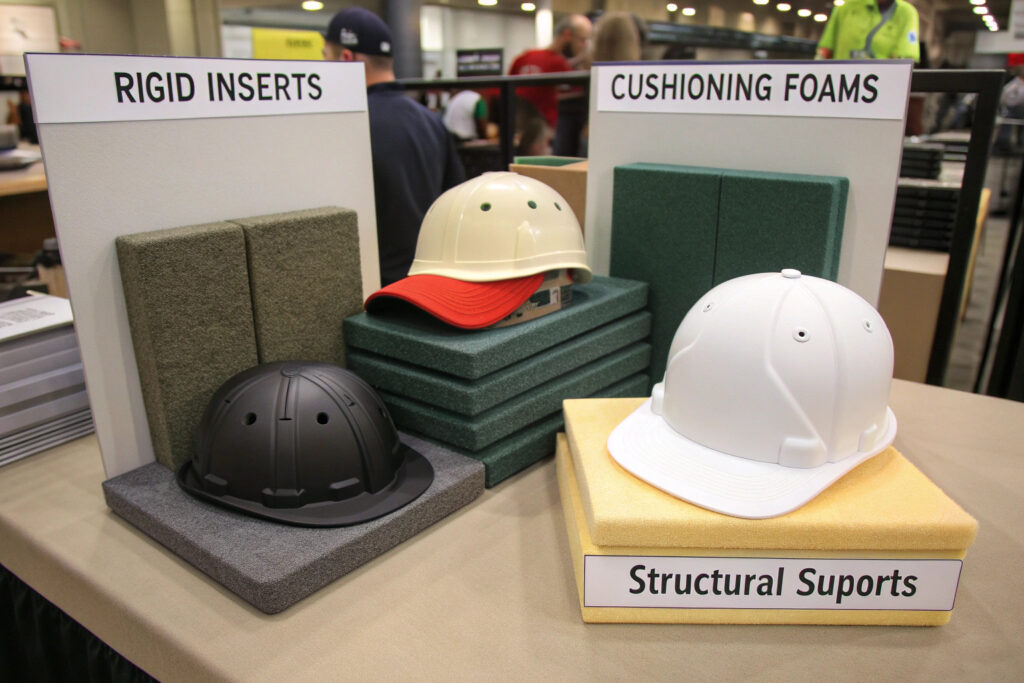
Chipboard or plastic brim inserts placed directly against the brim provide continuous support that prevents bending and creasing during compression. These inserts typically extend 1-2 inches beyond the brim edge to protect against side impacts and distribute pressure evenly. For structured hats, custom-molded EPS (expanded polystyrene) forms cradle the entire hat crown and brim, creating a complete protective shell that maintains shape integrity. The most effective systems use lightweight but rigid materials that don't significantly increase shipping weight while providing essential structural support. These inserts should be securely positioned to prevent shifting during transit that could create pressure points.
What Cushioning Materials Absorb Impact?
Anti-static foam sheeting with 1-2 inch thickness provides excellent shock absorption while preventing static buildup that could attract dust to hat materials. Air cushion systems using interconnected air cells create customizable protection that conforms to hat shapes without adding significant weight. Corrugated cardboard baffles strategically placed around the hat perimeter create crush zones that absorb impact before it reaches the protected item. These materials work best when they completely surround the hat without compressing the crown or brim, maintaining a consistent buffer zone of at least 2 inches on all sides.
How Does Box Selection Impact Brim Protection?
The shipping container itself plays a crucial role in brim protection, with specific dimensional requirements, structural properties, and reinforcement needs varying by hat type and shipping method. Proper box selection can prevent most common forms of brim damage.
Ideal hat shipping boxes provide both structural rigidity and adequate space for protective materials while fitting securely within standard shipping systems to prevent excessive movement during handling.
What Box Dimensions Work Best for Different Hat Types?
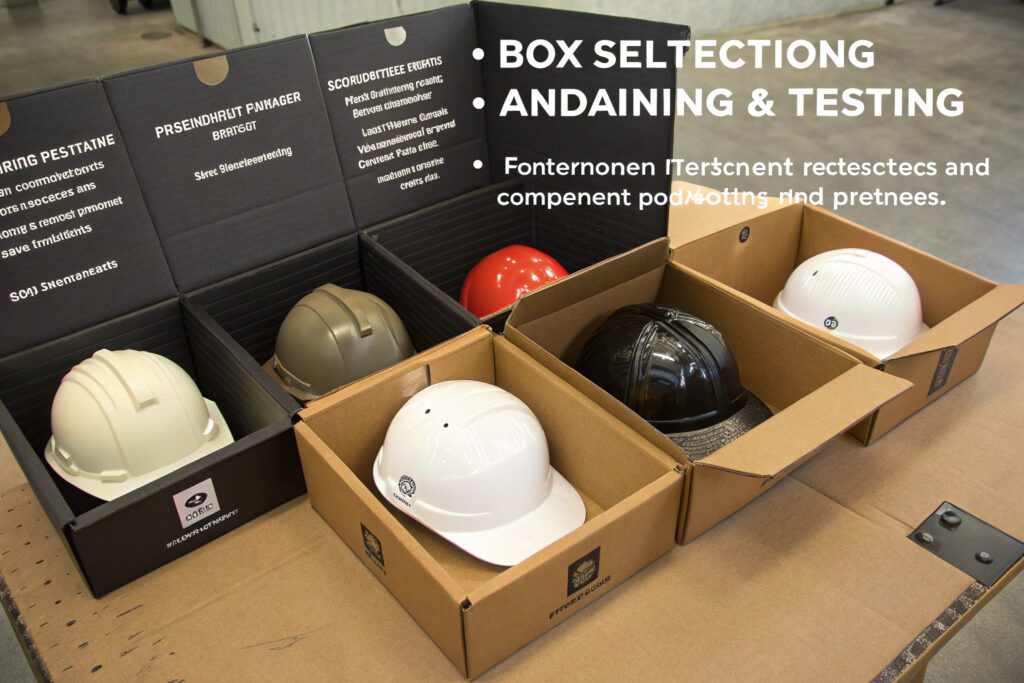
For standard baseball caps, boxes with 4-6 inch depths allow the hat to lie flat with adequate clearance above and below the brim. Wide-brimmed hats require square boxes with dimensions 2-3 inches larger than the brim diameter, ensuring no contact between brim edges and box walls. Structured hats with permanent shapes need tall boxes that accommodate the hat in its natural orientation, preventing the need for compression that could damage the crown or brim foundation. The internal volume should be 25-30% larger than the hat itself to allow for proper cushioning material placement without excessive empty space that permits movement.
How Can Box Reinforcement Prevent Damage?
Double-walled corrugated cardboard provides significantly better compression resistance than single-walled alternatives, crucial for packages that may be stacked during shipping. Edge protectors and corner guards made from rigid plastic or heavy-duty cardboard prevent crushing at vulnerable points where brims approach box edges. Internal cardboard scaffolding creates a protective framework that maintains box shape integrity even under external pressure. These reinforcement methods are particularly important for international shipments that may experience more handling and longer transit times with multiple transfer points.
What Loading and Handling Protocols Prevent Damage?
How hats are packed within boxes and how those boxes are handled throughout the shipping process significantly impacts brim integrity. Proper techniques at each stage can prevent damage that even excellent packaging cannot overcome.
Systematic loading approaches and clear handling instructions protect hat brims from the cumulative effects of multiple small impacts and compression events during transit.
What Internal Packing Methods Protect Brim Structure?
The floating center technique uses cushioning materials to suspend the hat in the center of the box, preventing contact with any interior surfaces. For multiple hats, individual compartmentalization with rigid dividers prevents hats from pressing against each other and creating pressure points on brims. Strategic void filling with crumpled paper or loose fill peanuts around (never under) the brim maintains position without applying downward pressure. These methods ensure the brim bears no weight during shipping and remains protected from direct impacts.
How Do Handling Instructions Reduce Damage?
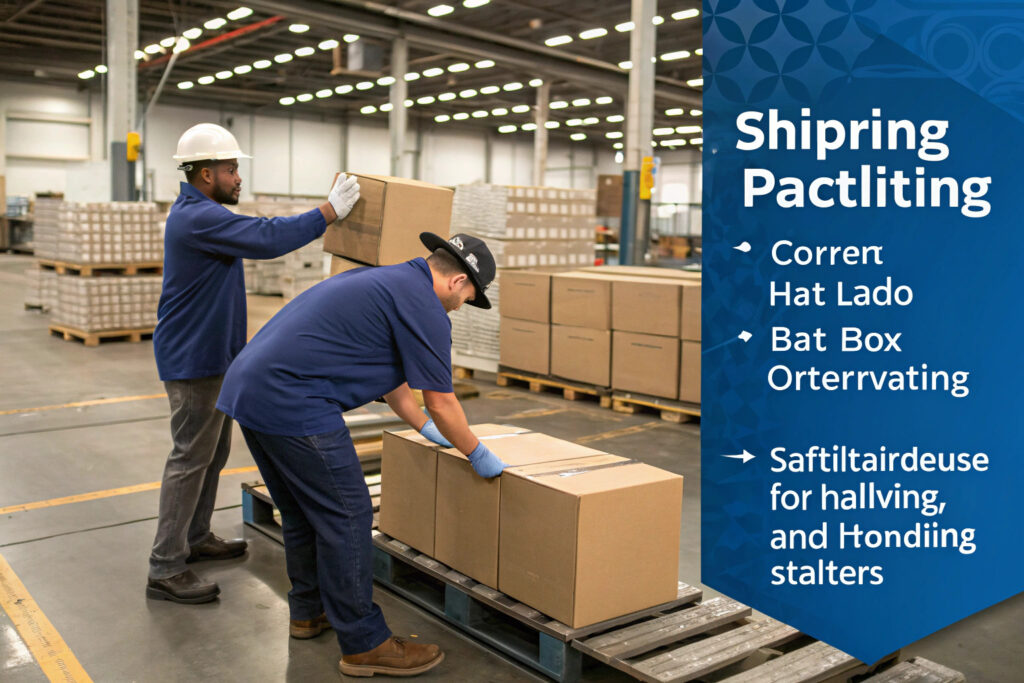
Prominently displayed "DO NOT STACK" labels prevent multiple boxes from being piled on top of each other, eliminating compression damage. Orientation arrows indicating "THIS SIDE UP" ensure hats remain in their optimal protective position throughout handling. Fragile stickers and handling symbols communicate special care requirements to all handlers in the shipping chain. For premium hats, individual handling instructions included in shipping documentation provide specific guidance for that hat type's vulnerabilities. These communication tools reduce handling damage by up to 60% according to logistics industry studies.
How Can Quality Control Prevent Shipping Damage?
Implementing systematic quality control checks throughout the packaging and shipping process identifies potential issues before they result in damaged products. Regular assessment and improvement of packaging methods ensures consistent protection.
Quality control measures should address both packaging execution and material condition, creating multiple checkpoints that catch problems before hats enter the shipping system.
What Pre-Shipment Checks Are Most Important?
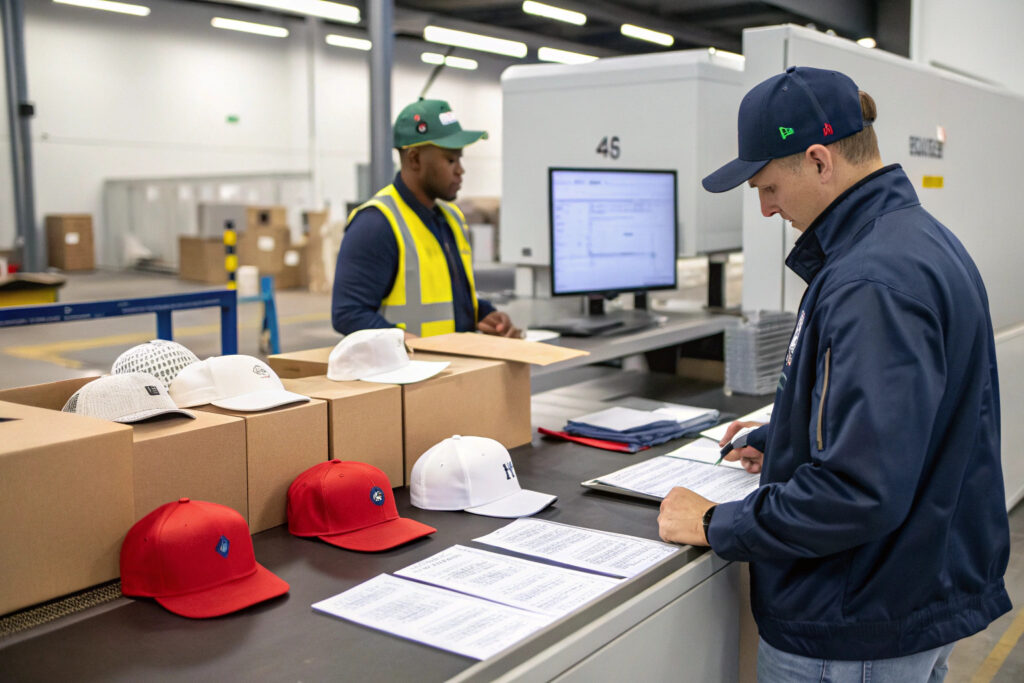
Compression testing of sample packages verifies they can withstand expected stacking pressures without transferring force to the hat brim. Drop testing from standard heights (24-36 inches for parcel shipping) confirms the packaging system protects against typical handling impacts. Visual inspection of each packed hat ensures proper positioning, adequate cushioning, and secure closure before sealing boxes. Weight distribution verification confirms the package is balanced and won't shift dangerously during automated sorting. These checks should be documented and regularly reviewed to identify patterns that might indicate systemic packaging issues.
How Can Packaging Be Continuously Improved?
Damage incident analysis tracking specific types of brim damage back to their likely causes in the packaging or handling process. Customer feedback collection specifically about packaging effectiveness and product condition upon arrival. Regular packaging material assessment evaluating whether current materials still meet protection requirements as shipping conditions evolve. Carrier performance monitoring identifying which shipping partners have higher damage rates for hat shipments. This continuous improvement approach systematically reduces damage rates over time rather than treating each damage incident as isolated.
Conclusion
Preventing hat brim damage in transit requires a systematic approach addressing packaging materials, container selection, handling protocols, and quality control. The most effective strategies combine internal structural support with external protection and clear communication throughout the shipping chain, creating multiple layers of defense against the various forces that can damage hat brims during transportation.
By implementing comprehensive brim protection measures and continuously refining them based on performance data and customer feedback, shippers can significantly reduce damage rates while maintaining cost-effectiveness. The investment in proper hat packaging not only prevents financial losses from damaged goods but also protects brand reputation and customer satisfaction, making it an essential consideration for any business shipping headwear.