Negotiating FOB (Free On Board) pricing for large cap orders requires understanding both manufacturing economics and international trade dynamics. For orders exceeding 10,000 units, even small per-unit price differences can translate into significant total savings. Successful negotiation balances cost considerations with quality assurance, delivery reliability, and long-term partnership value.
FOB pricing negotiation for large cap orders involves analyzing material costs, production efficiency, supplier margins, and market conditions. The most successful negotiations create win-win scenarios where manufacturers maintain healthy margins while buyers achieve competitive pricing. Understanding cost drivers and having clear negotiation strategies enables buyers to secure optimal terms without compromising quality or relationship quality.
This comprehensive guide explores effective FOB pricing negotiation strategies specifically for bulk cap orders. We'll cover cost analysis, negotiation timing, relationship building, and contract considerations that help secure favorable terms while maintaining supplier cooperation and product quality.
What Cost Factors Should You Analyze Before Negotiating?
Understanding the manufacturer's cost structure provides the foundation for effective FOB pricing negotiation. For 10,000+ cap orders, costs extend beyond basic materials to include labor efficiency, overhead allocation, and economies of scale. Thorough cost analysis prevents unrealistic offers and helps identify genuine negotiation opportunities.
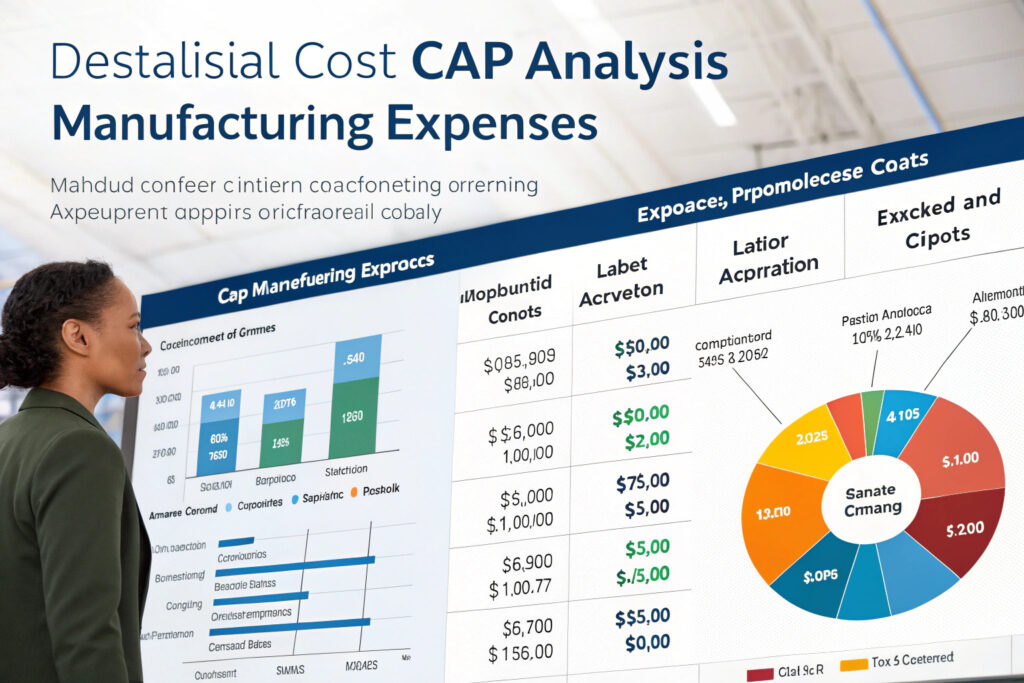
Manufacturing costs for bulk cap orders typically break down into materials (40-60%), labor (15-25%), overhead (10-20%), and profit margin (10-20%). Each category offers potential negotiation points depending on order specifics and supplier circumstances.
How Do Material Costs Impact FOB Pricing?
Fabric composition significantly affects base costs, with cotton prices fluctuating based on global commodity markets. Specialized materials like moisture-wicking fabrics or UV-protective textiles command premium pricing but may offer performance justification. Embroidery complexity and custom decoration requirements dramatically influence final costs, with intricate designs increasing production time. Bulk material purchasing allows manufacturers to achieve volume discounts that should be reflected in FOB pricing. Understanding these factors helps identify where cost savings might be achievable without quality compromise.
What Production Efficiencies Affect Pricing?
Order quantity thresholds often trigger significant per-unit cost reductions at specific volume breakpoints (10,000, 25,000, 50,000 units). Production line optimization reduces labor costs per unit, with experienced manufacturers achieving 20-30% higher efficiency than smaller operations. Standardized color ways and minimal customizations significantly reduce setup times and material waste. Manufacturers with vertically integrated operations controlling fabric production through finishing often achieve better pricing than those outsourcing multiple production stages. These efficiencies create negotiation opportunities through value engineering discussions.
How to Approach Initial Price Negotiations?
Initial price negotiations set the tone for the entire supplier relationship. Approach these discussions with professionalism, preparation, and realistic expectations. The goal is to establish fair pricing while building a foundation for long-term partnership.
Successful initial negotiations balance firmness on key points with flexibility on secondary issues. Understanding negotiation tactics and manufacturer perspectives increases the likelihood of achieving target pricing without damaging relationship potential.

What Opening Strategies Work Best?
Beginning with competitive market analysis demonstrates your understanding of fair pricing ranges and prevents unrealistic initial offers. Requesting detailed cost breakdowns shows serious intent and helps identify specific negotiation points rather than challenging the overall price. Presenting your long-term business potential beyond the immediate order encourages manufacturers to offer better terms to secure future business. Using the "batch order" approach by discussing potential follow-up orders can improve initial pricing. These strategies position you as an informed buyer rather than just a price-focused negotiator.
How to Handle Common Manufacturer Counter-Arguments?
When manufacturers cite raw material increases, request documentation and discuss price adjustment clauses rather than accepting immediate increases. For labor cost arguments, discuss production efficiency improvements and automation investments that should offset wage increases. When facing minimum order quantity pushback, demonstrate how your 10,000+ volume justifies special consideration compared to smaller accounts. Address payment term concerns by showing your company's financial stability and prompt payment history. These approaches turn defensive positions into collaborative problem-solving opportunities.
What Relationship Factors Influence Pricing?
Beyond immediate transaction terms, relationship dynamics significantly impact FOB pricing negotiations. Manufacturers often reserve their best pricing for clients who demonstrate partnership potential, reliability, and growth opportunities.
Building strategic supplier relationships involves demonstrating your value beyond simple order volume. The most successful negotiators position themselves as preferred clients worth competitive pricing and special consideration.
How Does Payment History Affect Negotiation Power?
Consistent on-time payments establish credibility and reduce the manufacturer's financial risk, often justifying 2-5% better pricing. Offering advanced payment options or shorter payment terms can secure additional price concessions of 3-8%. Demonstrating financial stability through company financials or bank references increases manufacturer confidence in offering competitive pricing. A history of problem-free transactions and professional conduct builds the relationship capital that pays dividends during negotiations. These factors position you as a low-risk client worth competitive pricing.
What Partnership Benefits Encourage Better Pricing?
Committing to forecast sharing helps manufacturers optimize production planning and raw material purchasing, creating cost savings they can share. Discussing product development collaboration positions your relationship as strategic rather than transactional, often unlocking better terms. Exploring volume commitments across multiple seasons or product lines provides manufacturers with predictable business that justifies improved pricing. Offering testimonial and reference opportunities provides valuable marketing benefits that manufacturers may exchange for pricing considerations. These partnership elements create mutual investment in the relationship's success.
How to Structure FOB Agreements for Large Orders?
Proper FOB agreement structure protects both parties while ensuring clear understanding of responsibilities and costs. For 10,000+ cap orders, detailed contracts prevent misunderstandings and provide frameworks for addressing potential issues.
Well-structured FOB agreements clearly define cost responsibilities, quality standards, delivery timelines, and contingency plans. This clarity prevents disputes and ensures smooth order execution from production through delivery.

What Key Clauses Protect Your Interests?
Clear quality specification documentation referencing international standards prevents quality disputes and establishes objective measurement criteria. Detailed delivery timeline provisions with defined penalties for delays protect your seasonal or promotional planning. Price adjustment mechanisms tied to verifiable material cost changes prevent unexpected price increases while acknowledging legitimate cost fluctuations. Comprehensive quality control rights including pre-shipment inspection provisions ensure product compliance before shipping. These clauses create a balanced agreement that protects both parties' interests.
How Should Payment Terms Be Structured?
Staged payment schedules (30% deposit, 40% before shipping, 30% after quality verification) balance risk for both parties while maintaining cash flow for the manufacturer. Including performance incentives for early delivery or exceptional quality encourages manufacturer cooperation beyond basic requirements. Clear currency and exchange rate provisions prevent confusion about payment amounts in volatile currency environments. Specifying payment method details including bank charges responsibility prevents last-minute payment disputes. These structures create financial alignment between order success and manufacturer compensation.
Conclusion
Negotiating FOB pricing for 10,000+ cap orders requires balancing cost objectives with relationship building and risk management. Successful negotiations achieve competitive pricing while establishing partnerships that deliver long-term value through reliable quality, consistent delivery, and collaborative problem-solving.
The most advantageous FOB agreements create win-win scenarios where manufacturers maintain healthy operations while buyers secure fair pricing and reliable supply. As you approach your next bulk cap order negotiation, remember that the best outcomes balance firm negotiation on key terms with flexibility on secondary issues and genuine partnership development.