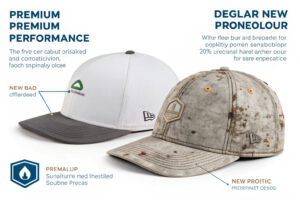
"This sample looks great, but how does it perform in the heat?" This is a question I hear constantly from savvy clients like Ron. As a hat manufacturer for over 20 years, I know that for many markets, especially in the US, breathability isn't a luxury—it's a core requirement. A hat that looks good but turns into a personal sauna on a warm day is a product destined for customer complaints and returns.
The biggest pain point for buyers is receiving a production run of hats that feel stuffy and uncomfortable, despite being made from a supposedly "breathable" fabric like cotton. They approved the look, but the final product fails the real-world test of wearability. This happens when the focus is solely on the raw material, ignoring how the production process itself dramatically impacts the final performance of the hat.
At Shanghai Fumao Clothing,, we've moved beyond just sourcing fabrics; we engineer breathability into the very structure of the hat. It’s a science that involves a series of deliberate choices made throughout the manufacturing process. It’s not just about the fabric you choose, but how you weave it, finish it, and construct it. In this article, I'll pull back the curtain on our production floor and show you the specific techniques we use to transform a standard cloth hat into a high-performance, breathable piece of headwear.
How Does Fabric Selection and Weave Impact Airflow?
The journey to a breathable hat begins at the most fundamental level: the yarn and the way it's woven. Many buyers believe that simply choosing "100% cotton" guarantees comfort. The reality is far more complex. A heavy, tightly woven cotton canvas will be far less breathable than a lighter cotton twill, even though both are the same fiber.
The common mistake is specifying a fabric by its composition alone (e.g., "cotton") without defining its weight and weave structure. This ambiguity is where problems start. A factory might substitute a cheaper, denser weave to save costs, leading to a final product that traps heat and moisture, completely undermining the design's intent. This is a classic sourcing pitfall that can ruin a summer collection.
To truly control breathability, you have to go deeper. It's about specifying the fabric's construction with precision. At Shanghai Fumao Clothing,, we work with our clients to select not just the right fiber, but the optimal weave and weight for their target application. This foundational choice is the most critical factor in determining a hat's ultimate comfort.
Which fabric weaves are the most breathable?
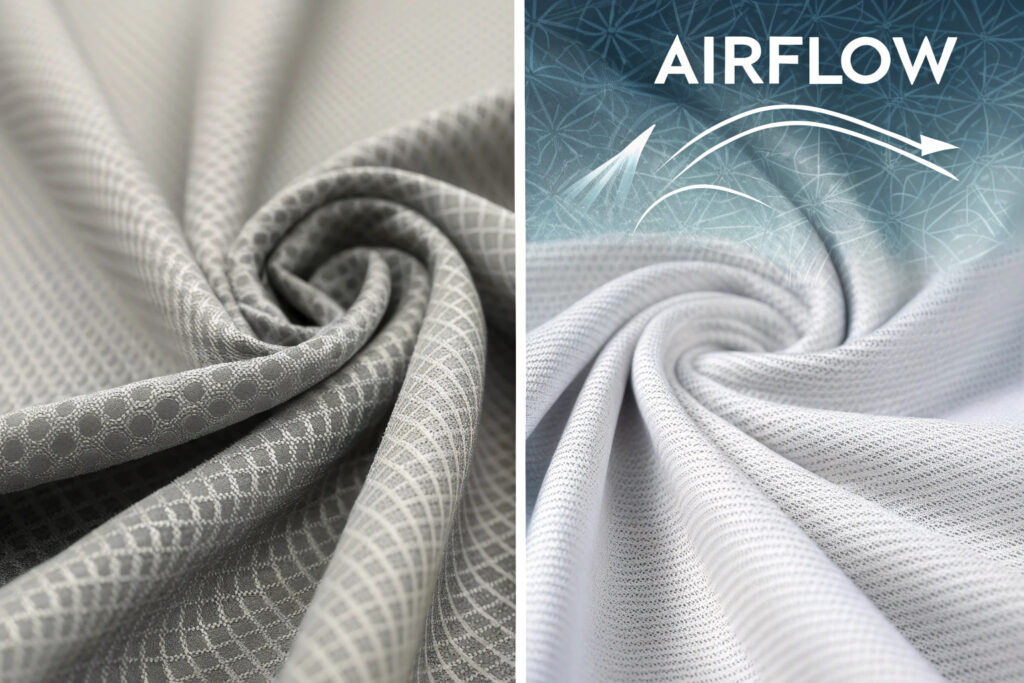
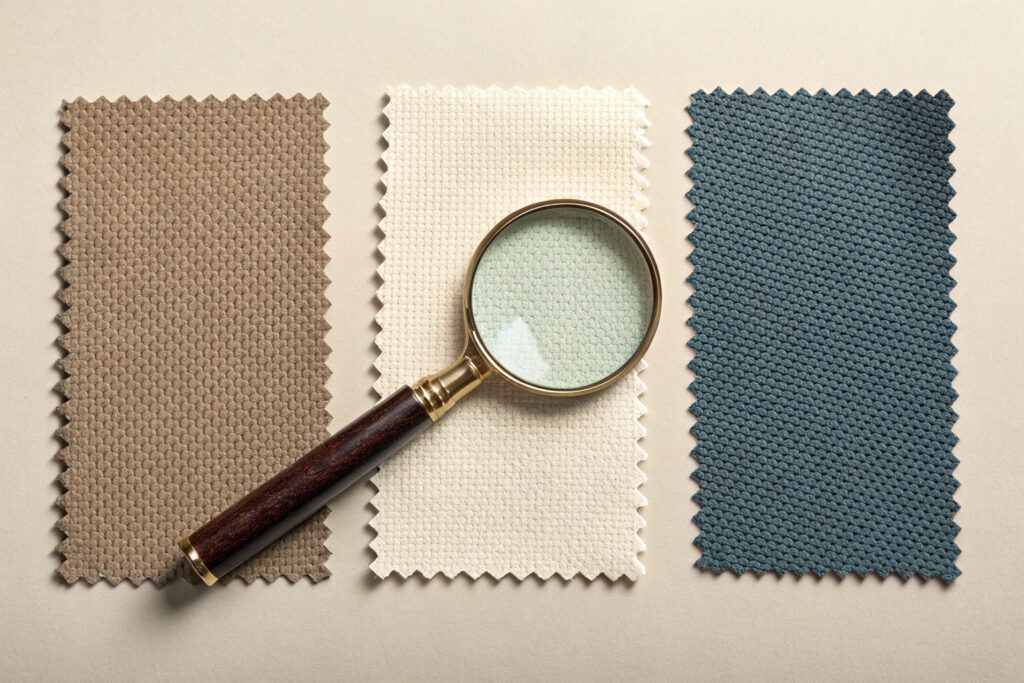
The structure of the weave is paramount. A plain weave, where threads interlace in a simple over-under pattern, is a good baseline. However, for enhanced performance, we often recommend more open structures. Leno weave (or mock-leno) is a fantastic choice; it involves twisting pairs of warp yarns around the weft yarns, creating a stable, porous structure that is highly permeable to air. This is a technique often used in high-performance athletic apparel. Another option is to choose a fabric with a lower thread count or a lighter weight (measured in grams per square meter, or GSM). A 150 GSM cotton is going to be significantly more breathable than a 300 GSM canvas. Understanding these technical specifications is key to textile sourcing, a field expertly covered by resources like the Textile Institute. This level of detail, specified in a tech pack, ensures there is no ambiguity in production.
Are natural or synthetic fibers more breathable?
This is a great debate. Natural fibers like cotton and linen are inherently breathable due to their irregular, staple fiber structure, which creates microscopic air pockets. They are excellent for everyday comfort. However, modern synthetic performance fabrics, like those from polyester or nylon, can be engineered for superior mechanical breathability. Through advanced textile engineering, these fibers can be shaped (e.g., with cross-channels) and woven into micro-mesh structures that actively pull moisture away from the skin and allow for rapid evaporation and airflow. For high-intensity activities, these engineered synthetics, often promoted by fabric technology brands like COOLMAX®, can outperform standard cotton. The best choice often depends on the hat's intended use: natural fibers for casual comfort, and engineered synthetics for athletic performance.
Can Structural Design Elements Enhance Ventilation?
Even with the most breathable fabric, a hat is a closed system. To take ventilation to the next level, you need to intentionally design openings into the hat's structure. Think of it like opening the windows in a house; it creates cross-ventilation. Relying on fabric alone is not enough for high-performance applications.
A frequent oversight I see is designing a hat with a beautiful, breathable primary fabric but then lining it with a cheap, non-woven, non-breathable material for structure. This completely negates the properties of the outer fabric, trapping heat against the head. It's like putting a plastic bag inside a mesh shopping bag—the outer structure doesn't matter anymore.
At our R&D department, we treat ventilation as an integral part of the design process. We strategically place openings and use specific components to create channels for air to move in, circulate, and exit. This active approach to ventilation is what separates a standard hat from a true piece of performance headwear.
What is the role of eyelets and vents?
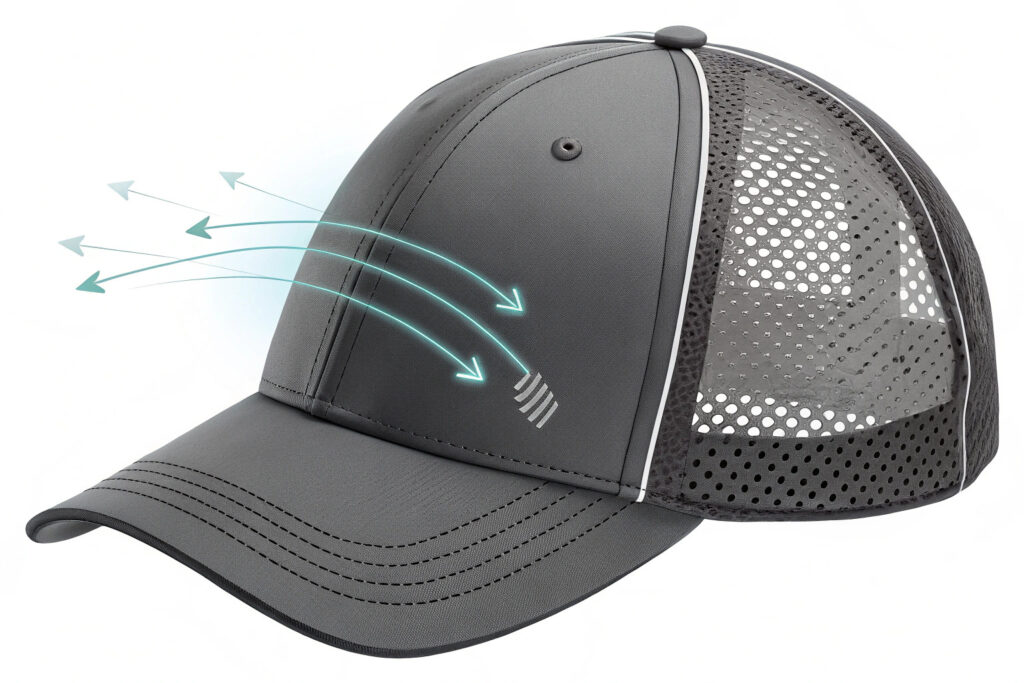
Embroidered or metal eyelets are the most traditional method of adding ventilation. While they help, their small size means their impact is limited. For a significant boost in airflow, we've adopted modern techniques. Laser-cut perforations are a game-changer. We can use lasers to cut thousands of microscopic holes into the side and rear panels of a cap, creating a highly breathable zone without compromising the fabric's overall look. This technique, borrowed from the high-tech footwear and apparel industry, offers maximum ventilation with a clean, modern aesthetic. The precision of laser cutting technology allows for intricate patterns that are both functional and stylish.
How effective are mesh panels?
For maximum ventilation, nothing beats mesh. The classic "trucker hat" style, which features a foam or cotton front and a full mesh back, is popular for a reason: it offers unparalleled airflow to the back and sides of the head. We can incorporate these mesh panels into various designs, not just trucker hats. Using a lightweight, durable athletic mesh for the rear panels of a traditional baseball cap is a popular modification for sports and outdoor brands. The key is to use a high-quality, soft mesh that doesn't irritate the skin. The use of mesh in athletic gear is a core principle of thermoregulation in sports science, as it maximizes convective heat loss.
How Do Linings and Sweatbands Affect Comfort?
You can have the most breathable shell and the best ventilation, but the parts of the hat that actually touch the skin—the sweatband and any internal lining—can make or break its comfort. This is the final, critical interface between the product and the person.
The most common production shortcut I see is the use of a cheap, generic sweatband. A standard cotton or, even worse, a non-woven polyester sweatband will quickly become saturated with sweat. It feels wet and clammy against the skin and, once soaked, it stops absorbing moisture and blocks any breathability the hat might have had. It's a small component that has a massive impact on the user's experience.
We consider the sweatband to be a piece of technical equipment. For any hat designed for warm weather or active use, we insist on using performance materials. This focus on the "next-to-skin" layer is a core philosophy in performance apparel design and is crucial for ensuring all-day comfort.
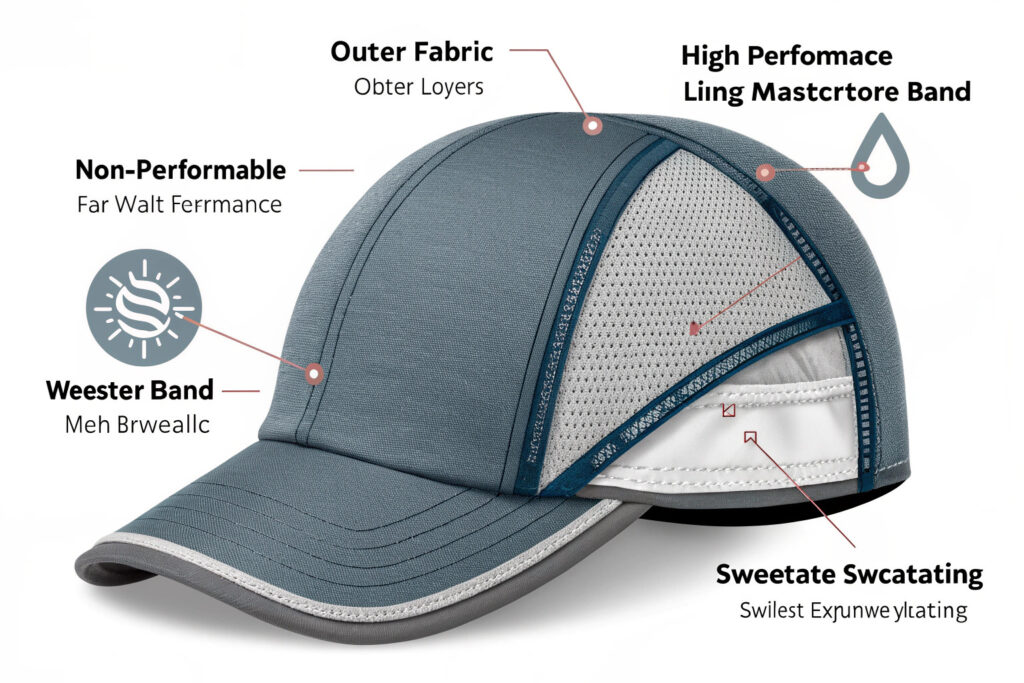
What type of sweatband is best for breathability?
The ideal sweatband is made from a hydrophilic, moisture-wicking fabric. These are engineered textiles designed to pull moisture away from the skin and disperse it across the surface of the fabric for rapid evaporation. Look for materials that are often used in high-end athletic shirts. We use performance blends that are soft, absorbent, and quick-drying. This "moisture management" is a key technology for brands in the performance apparel market. By upgrading this single component, you can dramatically improve the perceived comfort and breathability of any hat.
Should a breathable hat have a lining?
In most cases, for maximum breathability, the answer is no. A full lining adds an extra layer of fabric that traps heat and restricts airflow. The best approach is to have no lining at all, allowing the single layer of outer fabric to do its job. If structural support is needed for the front panels (a common practice in baseball caps), we use a technique called "fused buckram." We use a lightweight, breathable mesh-like buckram and fuse it only to the front two panels, leaving the rest of the hat unlined and open. This provides the necessary structure for logos and shape retention without sacrificing the overall ventilation of the hat. This minimalist approach to construction is a key principle in designing lightweight, high-performance gear, as advocated by leaders in the outdoor industry.
Can Fabric Finishes Improve Comfort and Breathability?
The final frontier in enhancing breathability lies in the invisible world of fabric finishes. These are chemical treatments applied to the fabric after it has been woven and dyed. While the weave and structure provide mechanical breathability, these finishes can add a layer of chemical performance that enhances comfort in warm conditions.
Many buyers are unaware that these finishing options exist or assume they are prohibitively expensive. They might approve a fabric based on its raw feel, missing the opportunity to add a performance-enhancing treatment that could become a major marketing story for their product. It's a value-added process that can significantly differentiate a hat in a competitive market.
At Global-Caps, we work with advanced textile mills that offer a range of performance finishes. Applying the right treatment is like adding a software upgrade to the hardware of the fabric. It can fundamentally change how the material interacts with moisture and skin, elevating the hat's comfort to the next level.
What is a wicking finish and how does it work?
A wicking finish is a chemical treatment that changes the surface properties of a fabric, making it hydrophilic (water-attracting). This is especially useful for synthetic fabrics like polyester, which are naturally hydrophobic (water-repelling). The finish helps the fabric pull sweat from the skin and transport it to the outer surface of the hat, where it can evaporate quickly. This process keeps the wearer's skin drier and cooler. The science behind these finishes is a key area of innovation in textile chemistry. It's an invisible technology that delivers a very tangible benefit in comfort.
Are there finishes that provide a cooling sensation?
Yes, this is a cutting-edge area of fabric technology. Some advanced finishes incorporate phase-change materials (PCMs) or other technologies like xylitol-based treatments. These finishes are designed to actively absorb body heat and create a perceptible cooling sensation on the skin. While once reserved for elite athletic gear, these technologies are becoming more accessible for mainstream apparel. Incorporating a cooling finish can be a powerful marketing tool and a significant product differentiator. The innovation in this space is often showcased at major textile trade shows like Première Vision, where brands look for the next big thing in fabric performance.
Conclusion
Enhancing the breathability of a cloth hat is a systematic process that goes far beyond simply choosing a "lightweight" fabric. It requires a holistic approach that considers every stage of production. It begins with the fundamental choice of fiber and, more importantly, the weave structure. It continues with the strategic integration of structural ventilation elements like laser-cut perforations and mesh panels. Finally, it culminates in the selection of high-performance, moisture-wicking materials for the components that touch the skin, like the sweatband, while minimizing or eliminating heat-trapping linings.
By taking control of these production details, you can transform a simple cloth hat into a sophisticated piece of performance headwear that offers genuine, measurable comfort. This attention to technical detail is what builds brand loyalty and allows your product to stand out in a crowded market.
If you're looking to develop a line of hats with superior breathability and performance, my team at Shanghai Fumao Clothing, has the technical expertise and production capabilities to make it happen. We can guide you through these advanced processes to create a product that truly performs.
Please get in touch with our Business Director, Elaine, at elaine@fumaoclothing.com to start engineering your next generation of headwear.