Are you a brand or designer eager to create virtual caps for the metaverse but overwhelmed by the technical hurdles? You see the immense opportunity in digital fashion, where users spend real money to express their avatar's identity. However, a simple 3D model often falls flat—it might look stiff, break during animation, or fail to work across different virtual platforms. This technical gap prevents fashion brands from truly capitalizing on the virtual goods market.
The most effective way to design VR-compatible caps is to adopt a game development mindset, focusing on real-time performance, realistic physics, and cross-platform standards from the very first sketch. This isn't just 3D modeling; it's about creating a dynamic digital asset that behaves like real fabric in a live, interactive environment. By mastering the technical pipeline, you can turn your cap designs into interoperable, best-selling virtual items.
What Are the Foundational Technical Pillars for VR Caps?
Before any creative design begins, you must establish the non-negotiable technical foundations. VR and real-time environments demand assets that are both lightweight and visually rich, a balance achieved through specific optimization techniques.
Why is a Low-Polygon Model the First Priority?
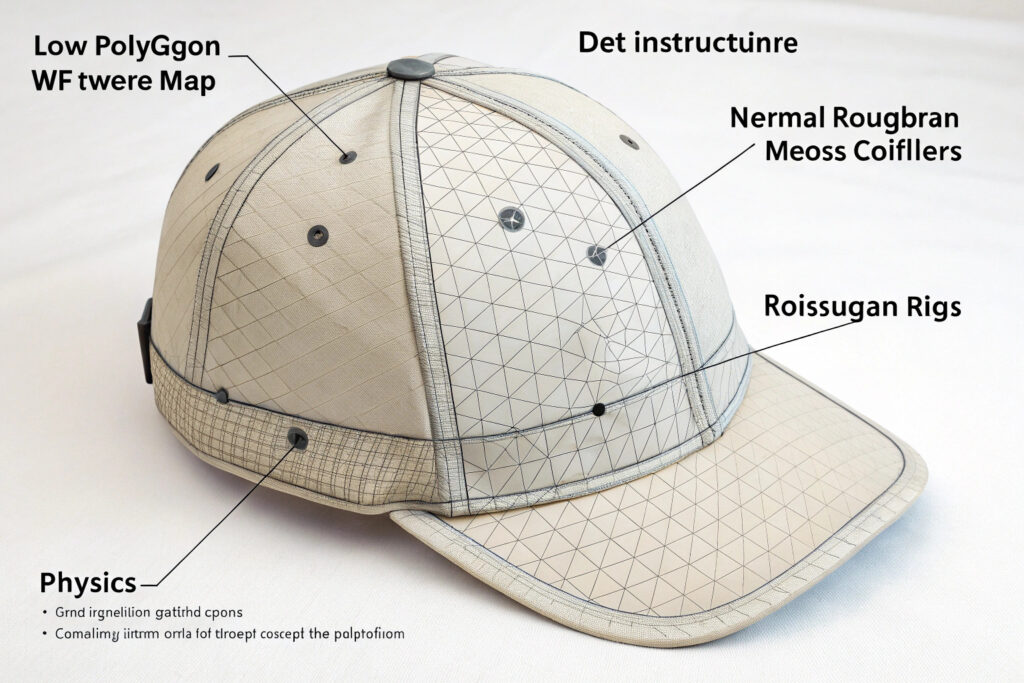
In VR, performance is paramount. Every frame must render in milliseconds to prevent lag or motion sickness. This makes polygon count your primary concern. A high-poly model with millions of triangles will cripple performance. The professional approach is to model a low-poly base mesh that defines the cap's core shape. All intricate details—the texture of the fabric, the raised stitching on the brim, the subtle wear on the button—are not modeled with geometry. Instead, they are created using texture maps. A normal map is essential here; it tricks the lighting engine into seeing high-detail surfaces on a simple mesh, preserving visual quality without the performance cost.
How Do You Prepare the Model for Animation and Physics?
A static cap looks unconvincing. To integrate with an avatar, your model needs a digital "skeleton." This involves rigging, where the cap is attached to the avatar's head bone so it moves and rotates perfectly in sync. For parts that should move independently, like a soft brim or dangling strap, you set up blend shapes or physics colliders. These define how the cap reacts to movement—will the brim bounce slightly when the avatar jumps? Will a loose flap sway? Defining these physical material properties (stiffness, damping, mass) during the design phase is what separates a professional VR asset from an amateur model.
How to Master the Digital Texturing and Detailing Pipeline?
With an optimized model ready, the next stage is giving it life and brand identity through advanced texturing, which is where artistic vision meets technical execution.
What is the Role of PBR Texturing in Creating Realism?
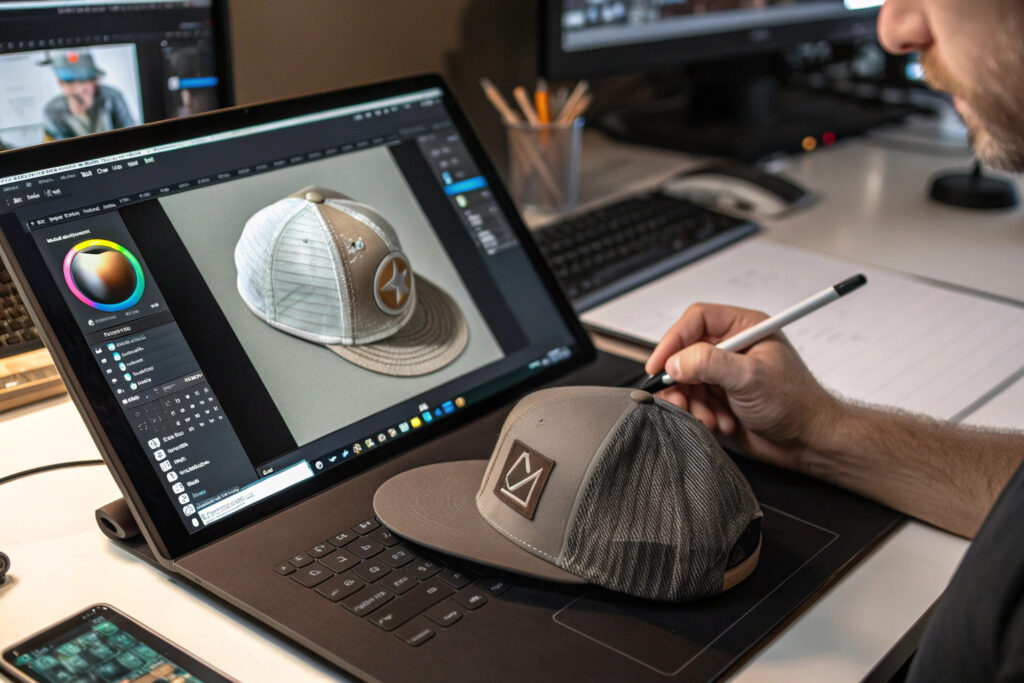
For a cap to look believable under the dynamic lighting of a virtual world, you must use Physically Based Rendering (PBR) workflows. PBR relies on a set of standardized texture maps that control how light interacts with the surface:
- Albedo Map: The base color and pattern, free from shadows or highlights.
- Roughness Map: Dictates whether the surface is matte (like canvas) or glossy (like patent leather).
- Normal Map: As discussed, adds the illusion of surface detail without polygons.
- Ambient Occlusion Map: Simulates subtle shadowing in crevices, adding depth.
Creating these maps requires skill in software like Substance Painter or Adobe Photoshop. The process of UV unwrapping—flattening your 3D model onto a 2D texture sheet—is critical here; poor UVs lead to stretched or pixelated logos.
How Can AI Tools Revolutionize Customization and Ideation?
This is where modern technology supercharges creativity. AI-Generated Content (AIGC) tools can dramatically accelerate the design process. Instead of manually painting dozens of fabric patterns, you can use text-to-image AI to generate hundreds of unique designs in minutes—from photorealistic camo and tartans to fantastical galaxy prints. Furthermore, AI can assist in creating perfectly tailored normal maps from a simple fabric photo or generating variations of a core design to build out an entire virtual collection. This allows brands like Shanghaifumaoclothing to offer rapid, small-batch digital customization, mirroring our agile physical production.
How to Implement Realistic Cloth Simulation and Dynamics?
The hallmark of a premium virtual garment is how it moves. Realistic dynamics are no longer a luxury; they are an expectation for high-end digital fashion.
What Defines the "Fabric Feel" of a Digital Cap?
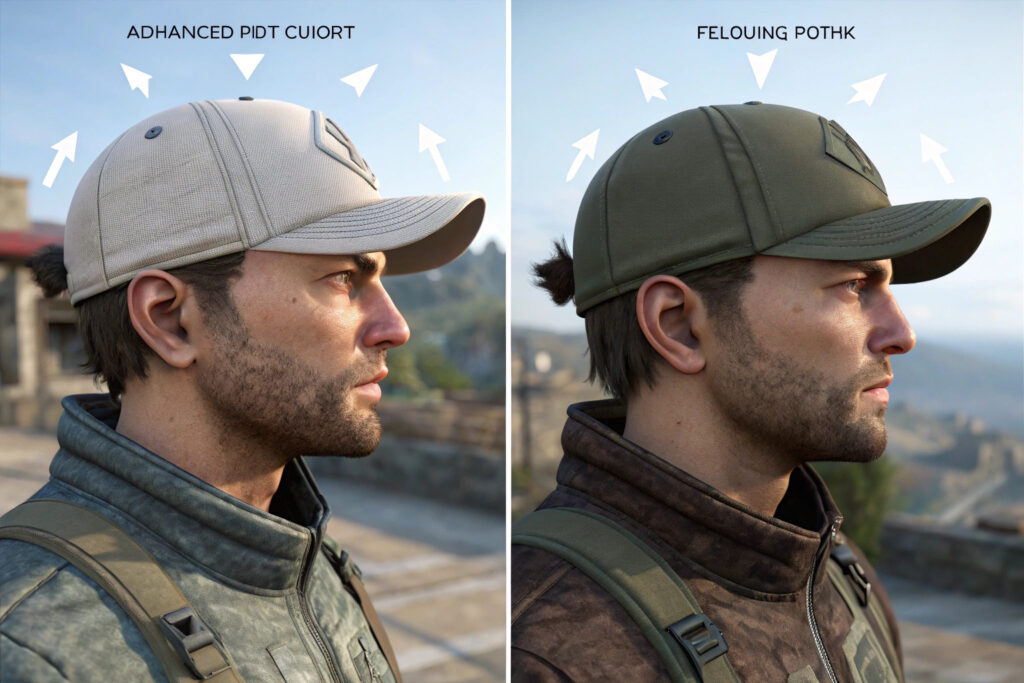
Cloth simulation is a complex field of game physics. To simulate a cap, you must define its virtual material properties. A structured baseball cap has high bend resistance and stiffness, causing only slight deformation. A slouchy beanie would have very low stiffness and high damping, making it flow and jiggle softly. A bucket hat might have a stiff brim but a soft, drapey crown. These parameters are often tested and tweaked within game engines like Unity or Unreal Engine using their built-in cloth solvers or third-party plugins. The goal is to achieve secondary motion that feels natural and enhances the avatar's expressiveness.
How Do You Handle Interactions and Collisions?
A cap doesn't exist in a vacuum. It must interact with the world. This involves setting up collision detection between the cap and the avatar's hair, head, and even hands (for adjusting the cap). You must also plan for user interactivity. Can the user grab the brim and tilt the cap? Can they flip up the snapback closure? These interactions require additional programming and bone rigging but create deeply engaging digital products. Planning for these features during the design phase, much like we plan for functional details in physical headwear at Global-Caps, is key to innovation.
How to Ensure Cross-Platform Compatibility and Deployment?
The final, crucial step is ensuring your beautifully crafted asset works everywhere your customers want to be, from social VR to gaming worlds.
Which File Formats and Specifications Are Universal?
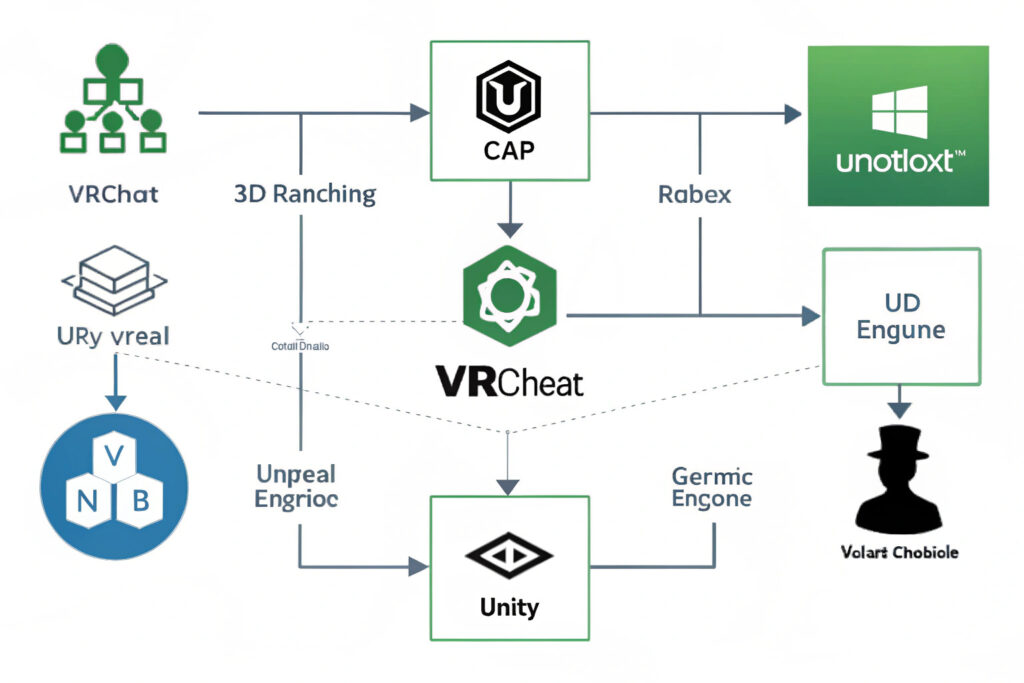
To achieve true interoperability, you must export your final asset in industry-standard formats. FBX and glTF (often referred to as the "JPEG of 3D") are the most widely accepted. Equally important is adhering to platform-specific polygon limits, texture size restrictions, and rigging requirements. For example, a cap made for VRChat has different technical constraints than one made for Roblox Studio. The emerging standard of Digital Product Passports for NFTs could also be a consideration, embedding design provenance and authenticity into the asset's metadata.
What is the Path from Design to Marketplace?
The deployment pipeline ends on a digital storefront. This involves:
- Final Optimization: Ensuring the asset package (model + textures) is as small as possible for fast downloads.
- Platform SDK Integration: Using software development kits for platforms like VRChat or Ready Player Me to implement features like toggleable states (e.g., on/off, brim up/down).
- Storefront Listings: Creating compelling marketing visuals, often rendered in-engine, and writing descriptions that highlight the cap's unique physics and compatibility.
Partnering with a developer who understands this full pipeline, from concept to marketplace, is essential. It's a process we understand deeply at Shanghaifumaoclothing, where we bridge the gap between physical manufacturing expertise and digital asset creation.
Conclusion
Designing VR-compatible caps is a multidimensional discipline that demands equal parts artistic vision, technical rigor, and platform savvy. The journey from concept to a living virtual product requires a steadfast focus on performance optimization, mastery of PBR texturing and AI-enhanced design, sophisticated implementation of cloth physics, and strategic planning for cross-platform deployment. By treating digital caps as complex, interactive software assets rather than simple models, you unlock their true potential in the metaverse economy.
If you are looking for a partner that combines deep manufacturing knowledge with cutting-edge digital asset creation to bring your virtual headwear visions to life, we can provide a seamless solution. Shanghaifumaoclothing is positioned at the forefront of phygital fashion. For a detailed discussion on your specific metaverse projects, you can contact our Business Director, Elaine, at elaine@fumaoclothing.com.