Gen Z has revolutionized headwear consumption, transforming snapbacks from mere accessories into powerful vehicles for self-expression, social signaling, and brand affiliation. Designing unisex snapbacks for this demographic requires understanding their unique values, communication styles, and fashion behaviors that differ significantly from previous generations.
Successful unisex snapbacks for Gen Z markets blend nostalgic aesthetics with forward-thinking sustainability, digital-native functionality, and authentic brand storytelling. These designs must accommodate diverse personal styles while maintaining platform-ready visual appeal, with particular attention to comfort, customization capabilities, and community-building elements. The most effective designs speak to Gen Z's values of individuality, sustainability, and digital-physical life integration.
This comprehensive guide explores the key design strategies, cultural considerations, and technical specifications for creating unisex snapbacks that resonate with Gen Z consumers across multiple contexts from streetwear to sustainable fashion.
What Aesthetic Elements Resonate with Gen Z?
Gen Z snapback aesthetics balance nostalgia with innovation, drawing inspiration from multiple decades while incorporating contemporary cultural references and technical advancements. Understanding these aesthetic preferences requires analyzing their media consumption, social values, and fashion ecosystem participation.
The most successful designs incorporate visual elements that work across physical and digital environments, maintain relevance across subcultures, and allow for personal interpretation and styling. These aesthetic choices must feel authentic rather than corporate or trend-chasing.
How Does Nostalgia Influence Design Choices?
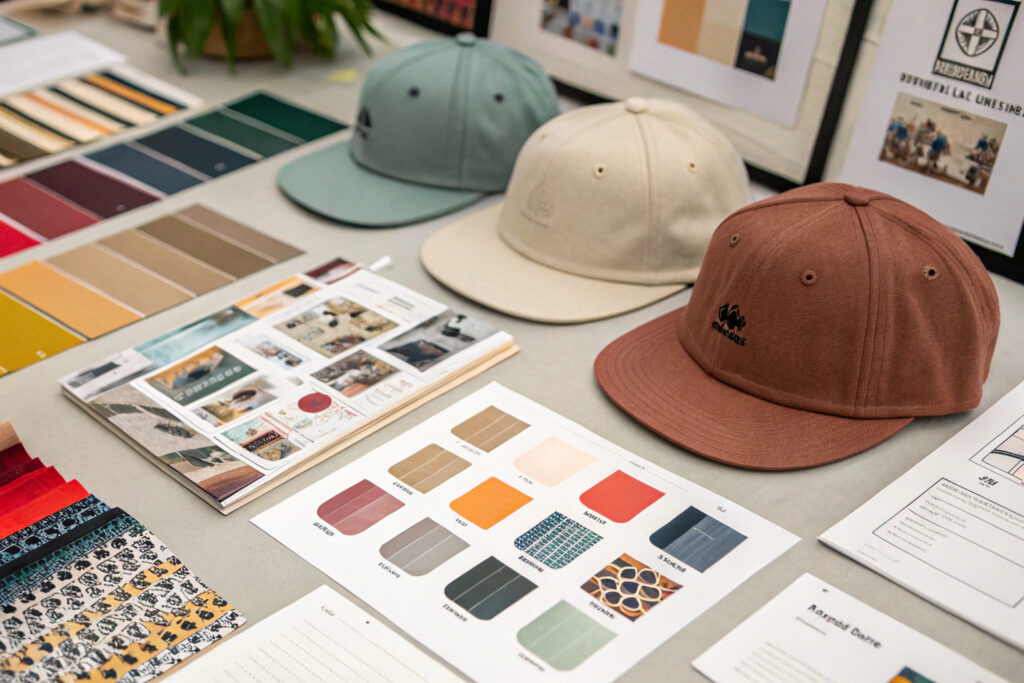
90s and early 2000s references create immediate connection points through familiar silhouettes, color blocking, and graphic treatments that feel both retro and fresh. The color palettes often feature muted earth tones alongside unexpected bright accents that work well for digital content creation and platform algorithms. Vintage-inspired graphics using distressed treatments, retro typography, and analog textures appeal to Gen Z's appreciation for authenticity and "pre-loved" aesthetics. These nostalgic elements should feel intentionally curated rather than randomly assembled, with clear understanding of the cultural moments being referenced.
What Minimalist Maximalism Strategies Work?
Clean crown construction with strategic bold elements allows for versatile styling while maintaining visual interest across different contexts. The artistic collaboration models popularized by brands like Brain Dead and Awake NY demonstrate how to balance simplicity with striking graphic statements. Modular design approaches using interchangeable patches, removable straps, or reversible elements cater to Gen Z's desire for customization and longevity. These designs should maintain cohesive visual language while offering multiple styling possibilities that extend the product's lifecycle and social media presence.
How to Integrate Sustainability Authentically?
Gen Z's environmental consciousness demands genuine sustainability integration rather than surface-level green marketing. Successful snapback designs incorporate sustainable practices throughout the product lifecycle while communicating these efforts transparently and accessibly.
Authentic sustainability involves material selection, production methods, business practices, and end-of-life considerations that align with Gen Z's values of transparency, accountability, and systemic change. These elements must feel integrated rather than added as an afterthought.
What Material Innovations Support Circular Design?
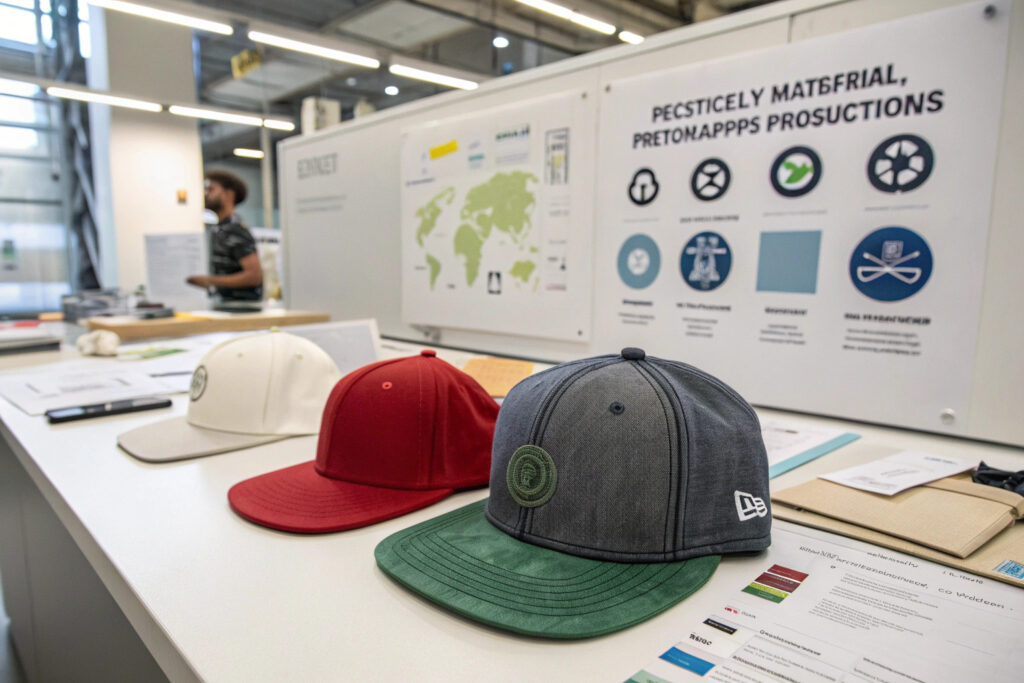
Recycled polyester fabrics made from post-consumer plastic bottles offer performance characteristics similar to virgin materials while addressing waste concerns. Natural fiber blends incorporating organic cotton, hemp, or bamboo provide biodegradability options for components while maintaining structure and comfort. Plant-based plastic snap closures derived from corn or sugarcane reduce petroleum dependence while maintaining functionality. These material choices should be clearly communicated through accessible information about environmental benefits and proper end-of-life disposal options.
How Does Transparency Build Trust?
Supply chain mapping that traces materials from source to finished product addresses Gen Z's desire for accountability in production practices. Carbon footprint labeling similar to nutritional information provides concrete data about environmental impact in easily understandable formats. Repair and recycling programs extend product lifespan while demonstrating commitment to circular economy principles beyond initial sale. These transparent practices should be authentically integrated into brand storytelling rather than treated as separate marketing initiatives.
What Technical Features Enhance Wearability?
Beyond aesthetics and sustainability, Gen Z expects technical excellence that supports their active, multifaceted lifestyles. Successful snapback designs incorporate thoughtful features that address practical needs across physical and digital environments.
Technical considerations include comfort engineering, functional adaptations, and digital integration that enhance the wearing experience while maintaining style integrity. These features should feel intuitive rather than gimmicky or overly technical.
How Does Advanced Comfort Engineering Work?
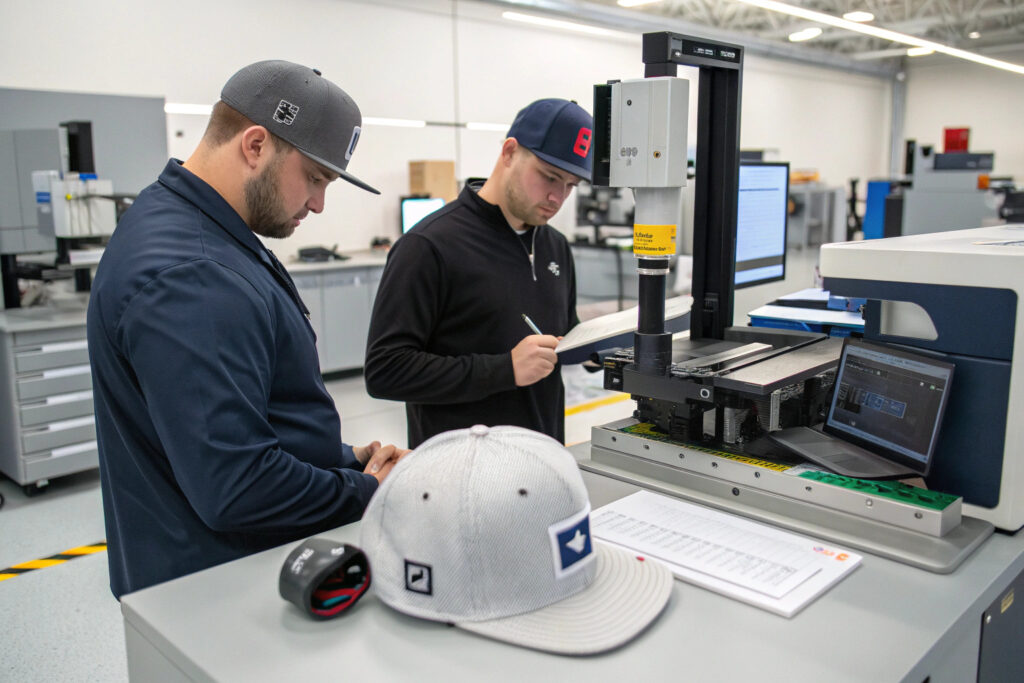
Multi-density foam padding in sweatbands provides customized pressure distribution that accommodates various hairstyles and head shapes without compromising structure. Laser-cut ventilation systems strategically placed in crown panels maintain airflow while preserving graphic integrity and overall aesthetic. Four-way stretch panels integrated into structured areas accommodate different head shapes while maintaining the snapback's distinctive silhouette. These comfort features should undergo rigorous testing across diverse head shapes and wearing scenarios to ensure consistent performance.
What Digital-Physical Integration Matters?
Smart fabric technology allows for subtle integration of functional elements like UV protection or temperature regulation without compromising style. Modular attachment systems enable customization with tech accessories, patches, or decorative elements that reflect individual style and current trends. Platform-optimized proportions ensure the hats photograph well and maintain visual impact within social media formats and digital content creation. These integrated features should enhance rather than dominate the wearing experience, supporting Gen Z's fluid movement between digital and physical spaces.
How to Build Community Through Design?
Gen Z values community and shared identity, making social connectivity a crucial consideration in snapback design. Successful designs facilitate connection, conversation, and collective identity formation through both product features and brand ecosystems.
Community-building design elements include collaborative creation processes, inclusive sizing and styling, and features that encourage sharing and interaction both online and offline. These elements should feel organic rather than forced or marketing-driven.

What Co-Creation Strategies Foster Connection?
Limited edition collaborations with emerging artists, community organizations, or cultural figures create exclusive products that strengthen brand community ties. Customization workshops and digital tools allow personal expression while creating shared experiences and social content. User-generated design contests transform customers into creators, building investment in both the products and brand community. These co-creation approaches should prioritize authentic partnerships over transactional relationships, ensuring all participants benefit meaningfully.
How Does Inclusive Design Build Loyalty?
True unisex sizing based on anthropometric data from diverse populations ensures comfortable fit across gender expressions and head shapes. Adaptive design elements like magnetic closures or adjustable systems accommodate different abilities and preferences without segregating "special" products. Cultural sensitivity in graphic elements and branding avoids appropriation while celebrating authentic influences and collaborations. These inclusive approaches demonstrate understanding that Gen Z's concept of identity is fluid, multifaceted, and constantly evolving.
Conclusion
Designing unisex snapbacks for Gen Z requires a holistic approach that balances aesthetic appeal, technical performance, sustainable practices, and community building. The most successful designs reflect Gen Z's values of authenticity, individuality, and social responsibility while providing versatile styling options that work across their integrated digital-physical lives.
As Gen Z continues to influence market trends and brand expectations, snapback designs must evolve to meet their sophisticated understanding of fashion as both personal expression and social statement. By focusing on genuine value creation rather than superficial trend-chasing, designers can create snapbacks that not only sell well but actually matter to the young consumers who wear them.