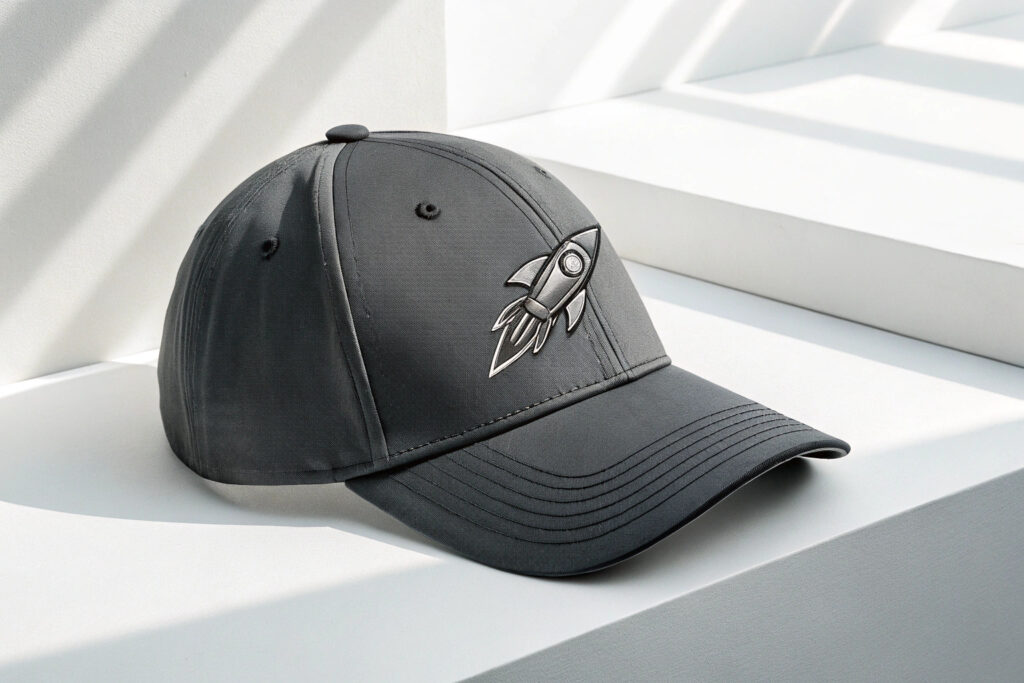
Your tech company is launching a new product, and you need merchandise that screams "innovation." You've seen the generic, boring swag that gets left behind at conferences. You're looking for something different, something that captures the bold, futuristic spirit of your brand. You see the sleek, minimalist aesthetic of SpaceX and think, "That's the vibe." But how do you translate that into a cap that people will actually want to wear?
The key to designing SpaceX-inspired caps is to embrace a philosophy of "functional minimalism." This means focusing on clean lines, high-performance materials, and subtle, meaningful branding. It involves using a monochrome color palette, incorporating technical fabrics, and choosing advanced logo application techniques over loud, busy graphics.
As someone who has manufactured headwear for over two decades, I've watched trends come and go. But the shift towards this clean, tech-centric aesthetic is more than a trend; it's a reflection of our aspirations for the future. At my company, Shanghai Fumao Clothing, we've worked with tech brands to create merchandise that feels less like a giveaway and more like a piece of high-end gear. It's about capturing that "mission-ready" feel. Let's break down the design principles that will help you create a cap worthy of a Mars colonist.
Why Does a Minimalist Design Work Best?
You might be tempted to put a huge, colorful graphic of a rocket on your cap to grab attention. But think about the brands you admire in the tech space. They communicate confidence through restraint. A busy design can look cheap and dated, while a minimalist approach feels intentional, modern, and premium. It suggests that the product—and the brand—is so good, it doesn't need to shout.
The "functional minimalism" approach is powerful because it aligns perfectly with the core values of the tech industry: efficiency, precision, and forward-thinking design. By stripping away unnecessary elements, you put the focus on quality construction and subtle details. This creates a piece of merchandise that people will wear not just because it's free, but because it genuinely looks and feels good. It becomes a part of their personal style, offering a quiet nod to the brand they support.
Let's dive deeper into the specific elements of this design philosophy. It's a carefully considered system where color, typography, and materials work together to create a powerful and sophisticated statement.
What Is a "Monochrome" Color Palette?
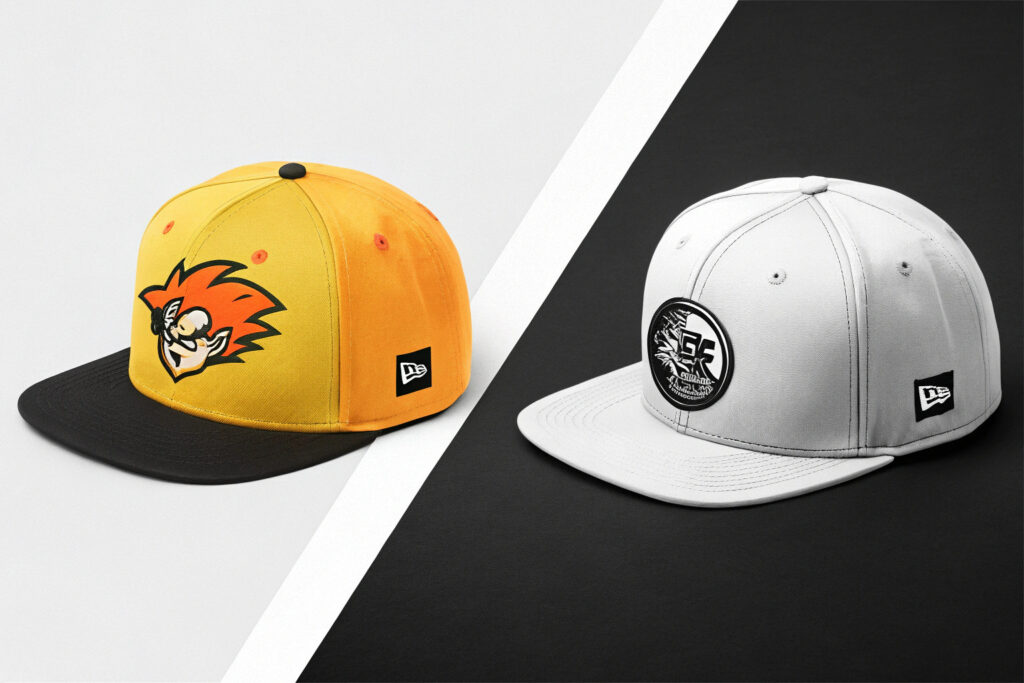
A monochrome palette is your foundation. Think in terms of black, white, and various shades of grey (like "Space Grey" or "Graphite"). This limited color scheme immediately creates a sense of sophistication and seriousness. It's the visual language of high-tech hardware and aerospace engineering. When we design caps for tech clients, we often start with a dark grey or black base and use a slightly lighter or darker shade for the logo. You can introduce a single, small accent color—like a "Mars red" or "Electric Blue"—for a tiny detail, like the thread on a ventilation eyelet or a tag on the back strap, but the overall impression should remain clean and unified. This approach is a core principle of modern brand identity design.
How Does Typography Play a Role?
Typography is critical. SpaceX uses a clean, modern, sans-serif font. You should do the same. Avoid decorative, cursive, or overly bold fonts. Choose a typeface that is geometric and precise, like Helvetica Now, Futura, or a custom-designed font that reflects your brand's personality. The text on the cap—whether it's the company name or a mission motto like "Ad Astra"—should be small and perfectly placed. Often, the most effective placement is on the side or the back of the cap, rather than front and center. This subtlety makes the discovery of the brand name feel more personal and exclusive. It’s a classic example of how minimalist typography can make a powerful impact.
What Materials and Construction Should You Use?
You've got the design philosophy down, but a great design on a cheap, flimsy cap will instantly fail. The materials and construction are what elevate the merchandise from a simple promo item to a piece of desirable gear. A standard cotton twill cap won't cut it if you're aiming for a futuristic, high-performance feel.
The key is to use technical and performance-oriented fabrics. Think about the materials used in modern sportswear and outdoor gear. These fabrics are not only functional—offering properties like water resistance, breathability, and light weight—but they also have a distinctively modern look and feel. At Shanghai Fumao Clothing, we source a wide range of innovative textiles, allowing us to construct hats that are as technologically advanced as the brands they represent. The construction itself should be flawless, with clean seams and a structured, comfortable fit.
Let's explore the specific materials and construction details that will give your cap that authentic, mission-ready quality.
What Are the Best "Future-Forward" Fabrics?
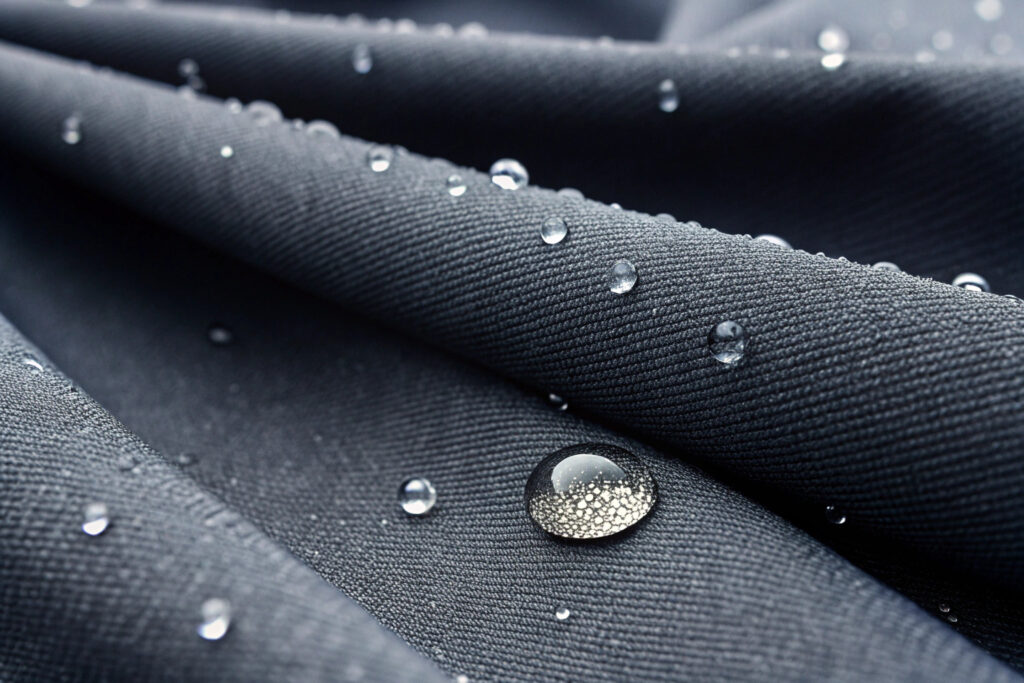
Look for synthetic blends that offer tangible benefits. A melange or heathered polyester gives a sophisticated, textured look similar to high-end athletic wear. Nylon ripstop is another excellent choice, offering a subtle grid pattern that is both lightweight and incredibly durable—a direct nod to materials used in parachutes and space equipment. For a truly premium feel, consider fabrics with a DWR (Durable Water Repellent) coating. Not only does this add a functional benefit, but it also gives the fabric a smooth, sleek finish. Using these performance textiles signals a commitment to quality and innovation that goes beyond surface-level aesthetics.
Why Is a Structured Crown Important?
A structured crown is essential for achieving that clean, precise silhouette. Unlike a soft, unstructured "dad hat," a structured cap has a buckram lining in the front two panels. This helps the cap hold its shape, providing a clean, wrinkle-free surface that looks sharp and intentional. It ensures the cap looks just as good on a shelf as it does on someone's head. We typically recommend a mid-profile, six-panel construction. This classic baseball cap shape is universally flattering and provides the perfect canvas for the minimalist design you're aiming for. It’s the standard for a reason: it’s a piece of timeless design.
How Should You Apply the Logo?
You've chosen your minimalist design, your color palette, and your high-tech fabric. Now for the most important detail: the logo. A standard, flat embroidery can sometimes look a bit dated and may not fit the sleek aesthetic. How do you apply your logo in a way that feels modern, technical, and premium?
The answer lies in advanced application techniques that add texture and dimension. Instead of just stitching thread, think about methods that involve heat, pressure, or even 3D printing. These modern techniques create a sharp, precise logo that looks like it was engineered, not just sewn on. They are the perfect finishing touch for a SpaceX-inspired cap. Our R&D team at Global-Caps is constantly experimenting with new methods to give our clients' branding a unique and memorable edge.
Let's examine the most effective and futuristic logo application methods that will make your merchandise stand out.
What Is High-Frequency Welding?
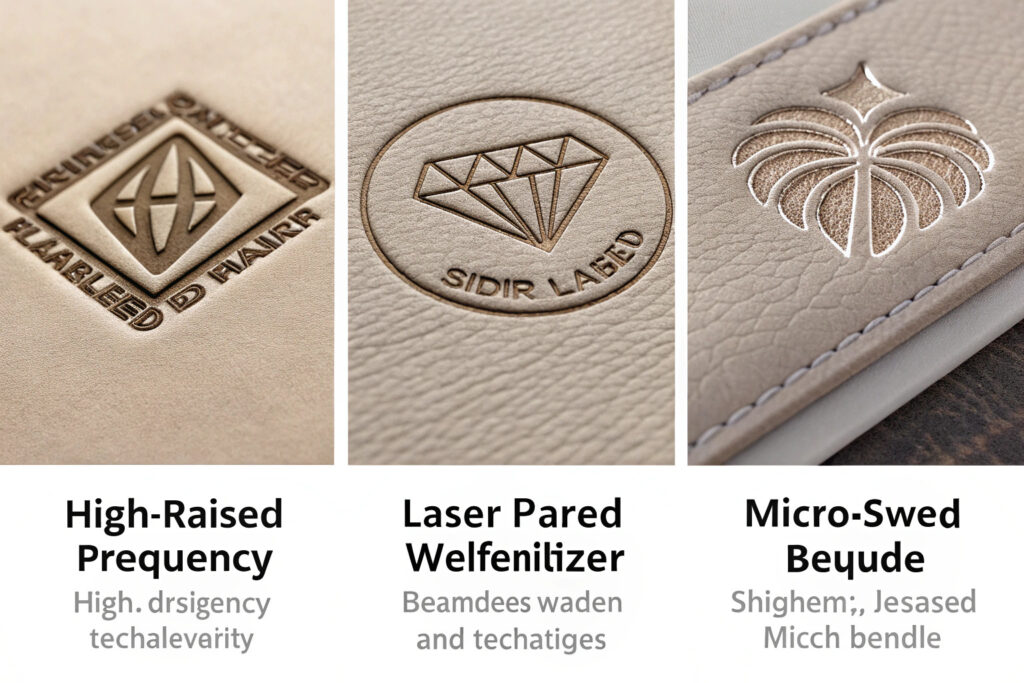
High-frequency (HF) welding is a process that uses electromagnetic energy to fuse materials together. In apparel, it's used to create seamless, raised logos with incredibly sharp edges. An HF welded logo has a smooth, rubbery, or matte finish and sits on top of the fabric like a perfectly molded emblem. It's a technique you often see on high-end outdoor jackets and performance gear. It is the epitome of a clean, technical look and is far more durable than a simple heat transfer. This method is perfect for minimalist, geometric logos and adds a tactile dimension that feels distinctly modern. It's a great example of applying materials science to apparel design.
Are There Other Advanced Options?
Absolutely. Laser etching is another fantastic option. We can laser-etch your logo onto a patch made of a contrasting material, like micro-suede or faux leather, and then stitch that onto the cap. The laser creates a precise, "burned-in" effect that is subtle yet sophisticated. For the ultimate high-tech statement, consider a 3D-printed emblem. We can 3D print your logo in a lightweight metallic or carbon-fiber-finish polymer and bond it to the cap. This creates a true three-dimensional logo that is impossible to ignore and directly connects your merchandise to the world of advanced manufacturing and prototyping.
What Finishing Touches Complete the Look?
You're almost there. You have the design, the materials, and the logo application. But it's the small, final details that separate good merchandise from great merchandise. These are the elements that show a deep level of thought and care went into the product's creation.
The finishing touches are all about function and subtle branding. Think about the closure system, the internal taping, and any additional, discreet branding elements. Every single component should feel like it was chosen for a reason. A cheap plastic snapback closure can instantly undermine the premium feel you've worked so hard to create. At Shanghai Fumao Clothing, we believe these final details are where a brand's commitment to quality truly shines through.
Let's review the critical finishing touches that will complete your cap's transformation into a piece of highly desirable tech merch.
What Is the Best Closure System?
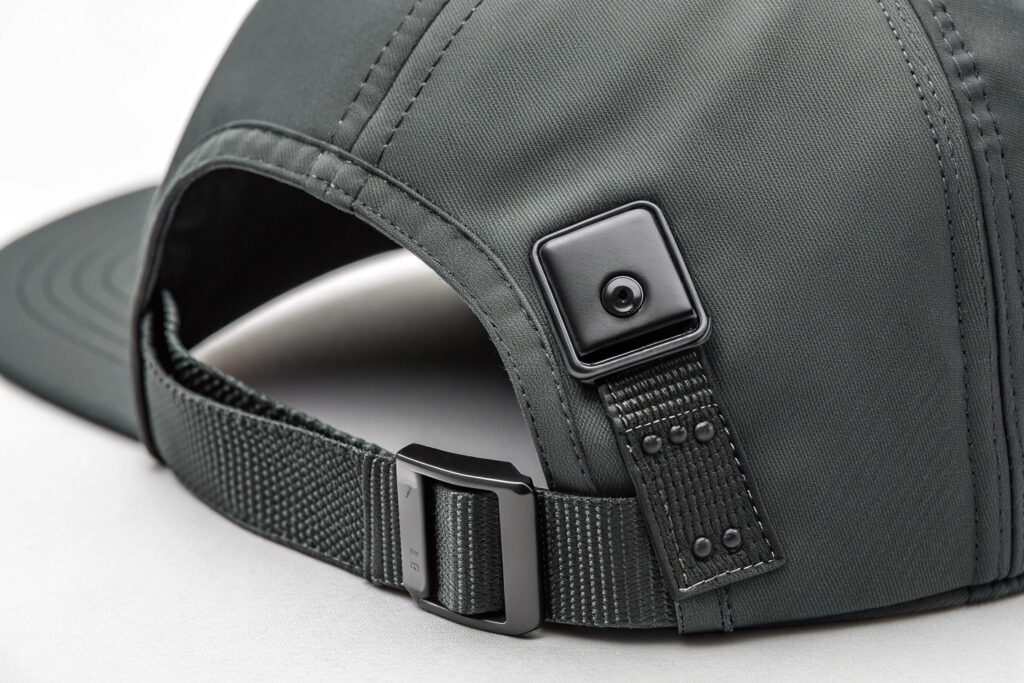
Ditch the standard plastic snapback. For a premium, technical feel, opt for a nylon strap with a matte metal buckle or a modern plastic clasp. This is a more sophisticated and adjustable closure that aligns with the aesthetic of performance gear. For a truly futuristic and seamless look, you could even consider a magnetic clasp closure. Another excellent option is a "zip-line" style closure, which uses a thin cord and a small toggle. These choices are not only more functional and durable, but they also demonstrate an attention to detail that reinforces the cap's premium quality. This focus on small but important user interactions is a key part of product design.
How Can I Add Subtle Internal Branding?
The inside of the cap is a prime opportunity for discreet branding. Instead of standard, plain seam tape, use custom-printed seam tape that features your company name or a technical pattern. You can also add a small, woven "tech label" on the inside sweatband. This label could include the cap's "specs," like the material composition or a mission statement, written in a small, technical font. This "inside-out" attention to detail is a hallmark of high-end apparel and provides a final, delightful surprise for the person wearing it. It shows that you've considered every single aspect of the user experience.
Conclusion
Designing a SpaceX-inspired cap is about more than just putting a rocket on a hat. It's about adopting a design ethos of functional minimalism, where every choice—from the monochrome color palette to the high-performance fabric and the 3D-welded logo—is made with intention and precision. By focusing on clean lines, technical materials, and subtle, sophisticated branding, you can create a piece of tech merchandise that feels less like a promotional item and more like a piece of essential gear. It becomes a symbol of the innovation and forward-thinking spirit that your brand represents, and a cap that your team and your fans will be proud to wear.
If you're ready to design and manufacture a line of tech merchandise that truly reflects the quality and vision of your brand, our team is here to help. To start developing your custom, mission-ready headwear, please contact our Business Director, Elaine, at elaine@fumaoclothing.com. Let's build the future, one cap at a time.