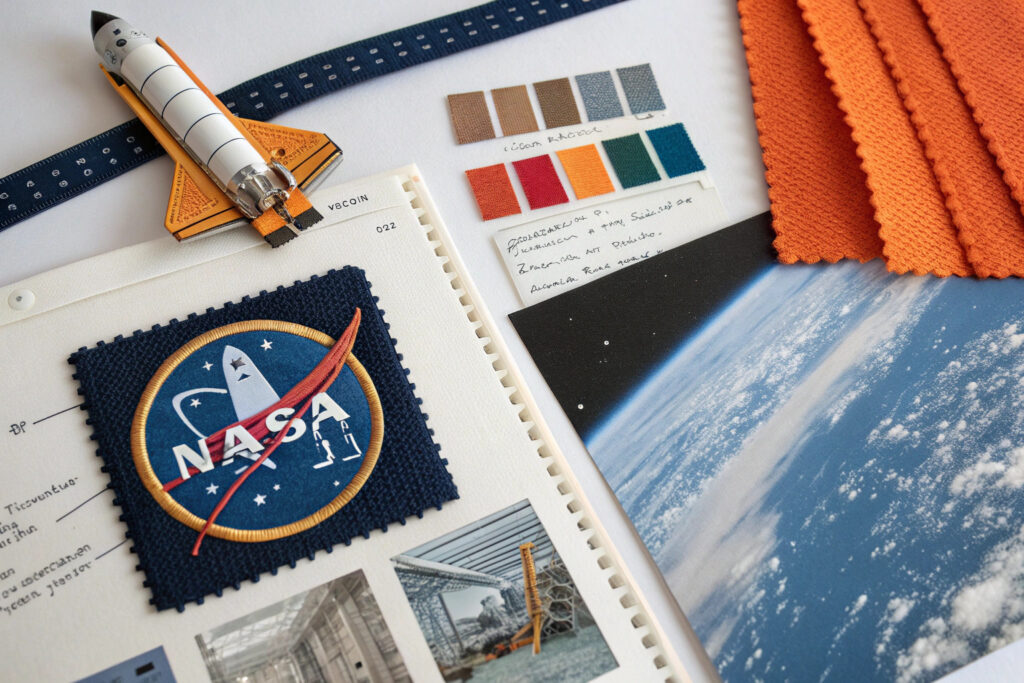
In the crowded streetwear market, a NASA-inspired collaboration isn't just another graphic tee. It's a powerful narrative. It taps into deep cultural currents of nostalgia, scientific optimism, and human achievement. A successful collab moves far beyond slapping the iconic "meatball" logo on a cap. It's about translating the awe of space exploration into a tangible, wearable artifact that resonates with both streetwear aesthetics and the legacy of one of humanity's most ambitious endeavors.
This guide breaks down the process into actionable phases: first, mining NASA's vast archive for authentic inspiration; second, translating those concepts into viable streetwear designs with technical precision; and finally, navigating the crucial legal and production realities to bring your vision to market. The goal is to create a cap that feels both historically reverent and undeniably fresh.
Deep Dive: Mining NASA's Archive for Authentic Inspiration?
The foundation of a credible design is authentic inspiration. NASA's history is a goldmine of visual and narrative elements waiting to be reinterpreted.
Where to Find the Most Compelling Visual Assets?
Move beyond the first page of Google Image search. The real gems are in curated archives.
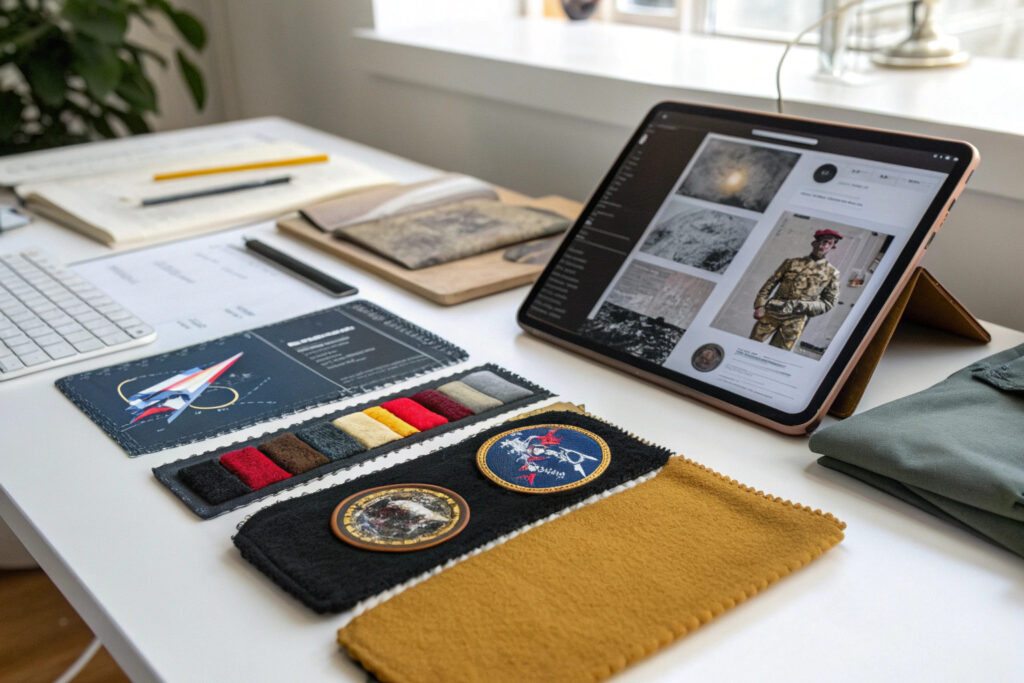
Start with NASA's own dedicated media libraries, such as the NASA Image and Video Library. These are treasure troves of high-resolution photos, mission patches, schematic diagrams, and archival footage, all often in the public domain. For a more curated historical view, explore the Smithsonian National Air and Space Museum's online collections. These sources provide the high-quality, historically accurate assets that separate a deep cut from a surface-level reference.
For a more abstract and aesthetic angle, study the work of NASA's own graphic designers and illustrators from the 1960s and 70s, like the "NASA Graphics Standards Manual" republished by Standards Manual. This provides the foundational design language—typography, color palettes, layout grids—that defined the agency's visual identity during its most iconic era.
How to Build a Coherent Narrative Around an Artifact?
Every cap should tell a story. Choose a specific mission, technology, or concept as your anchor.
For example, don't just design a "space cap." Design a cap that tells the story of Apollo 13's "Successful Failure," using the emergency procedures or the unique trajectory of the return flight as a graphic motif. Or, focus on the material science of the Apollo A7L spacesuit, translating the layers and textiles into fabric choices and construction details for your cap. This narrative approach gives the design depth and a point of view that enthusiasts will recognize and appreciate, much like how Chi Zhang wove specific cosmic concepts into their New York Fashion Week collection.
Translation: From Concept to Streetwear Design?
This is where space history meets contemporary fashion. The challenge is to filter NASA's aesthetic through the lens of streetwear functionality, silhouette, and attitude.
What are the Key Streetwear Silhouettes and Details?
The cap's form must be fundamentally sound before adding decoration.
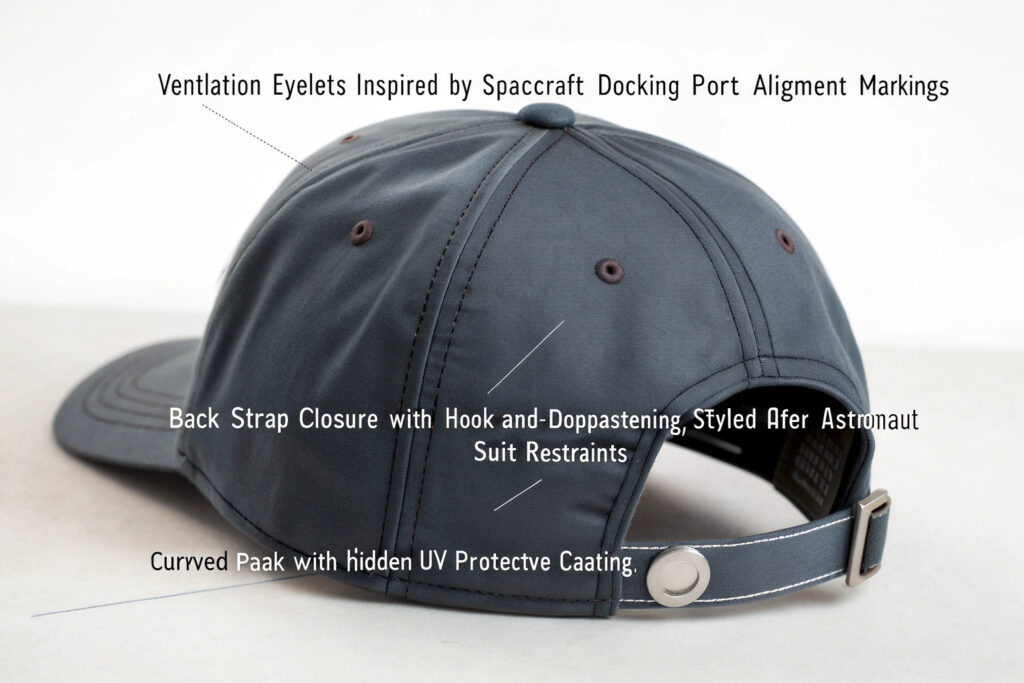
The 6-panel low-profile baseball cap remains the undisputed king of streetwear headwear. Focus on getting the perfect crown shape and a firm, but not rigid, curved brim. Details matter: consider using wide, heavyweight cotton twill for a premium feel, or technical nylon for a more futuristic look. Hardware like rust-free metal eyelets, woven label tags under the brim, and a heavy-duty plastic or metal buckle on the strap all contribute to perceived quality. Think of the cap as a piece of functional apparel first, just as brands like Alpha Industries (who has actual NASA contracts) approach their designs.
How to Integrate NASA Themes Beyond Basic Graphics?
The best integrations are subtle, tactile, and intelligent.
-
Material as Metaphor: Source fabrics with a technical story. Use Phase Change Material (PCM) linings that regulate temperature, subtly echoing spacesuit climate control. Incorporate reflective piping or tapes that recall safety markings on spacecraft, visible only when light hits them.
-
Construction as Narrative: Design the interior hydration band or sweatband to feature a printed diagram of a life-support system schematic. Stitch lines could be inspired by the "orange stitch" visible on the iconic orange Advanced Crew Escape Suit (ACES).
-
Graphics with Depth: Instead of a flat print, use high-density 3D puff embroidery for mission patches to give them a tactile, badge-like quality. Employ subdued tonal embroidery for coordinates of a famous launch site or the "HAVING A PROBLEM" quote from Apollo 13, creating a detail only the wearer knows.
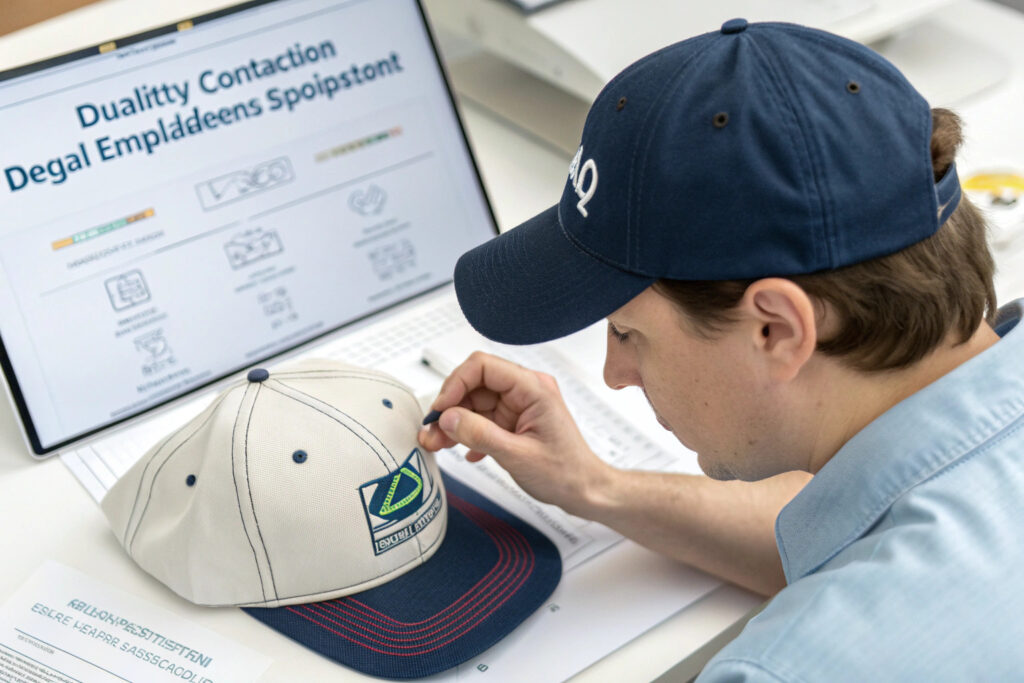
A brilliant design is useless if it can't be legally produced or manufactured to a high standard. This phase is about turning a prototype into a sellable product.On the right, a technical developer at Shanghai Fumao Clothing inspects a first physical sample of the cap, checking the embroidery alignment against a digital spec sheet.
What are the Legal Rules for Using NASA Imagery?
This is critical. NASA's identity is protected, but opportunities exist.
The "Meatball" logo, the "Worm" logo, and the NASA seal are all federally protected trademarks. Using them commercially without authorization is illegal. However, NASA has a formal licensing program managed through its Brand Center. For a true collaboration, you must apply for a license. The process evaluates the product's quality, alignment with NASA's educational mission, and the commercial terms. Many successful streetwear collabs, like those with Coach or Vans, have gone through this official channel.
A powerful alternative is to use inspiration, not direct imagery. Design your own patches, typography, and graphics that are inspired by NASA's visual language without infringing on their trademarks. Archival photographs taken by NASA (like Earthrise) are often in the public domain and can be used more freely, but it's wise to verify the specific image's status and avoid implying an official endorsement.
How to Ensure Top-Tier Production Quality?
Partner with a manufacturer that understands both precision and narrative.
-
Tech Pack Excellence: Create a flawless technical package. This should include detailed CAD drawings, exact Pantone color codes for all materials (thread, fabric, patches), precise embroidery files (.dst format), and clear instructions for any specialty treatments (e.g., "water-resistant coating on brim").
-
Prototype Rigor: Work with a specialized manufacturer like Shanghai Fumao Clothing to produce multiple prototype rounds. The first (Proto) checks shape and concept. The second (Sample) refines materials and fit. A Production Sample is signed off before mass manufacturing begins. This stage is where you catch issues with embroidery density, color matching, or the hand-feel of the fabric.
-
Quality Control Integration: Leverage a manufacturer with an in-house CNAS-accredited lab. They can perform colorfastness tests (so the navy blue doesn't run), shrinkage tests, and seam strength tests, ensuring the cap is as durable as it is stylish. This level of quality assurance is what separates a market-ready product from a prototype.
The Launch: Marketing and Storytelling?
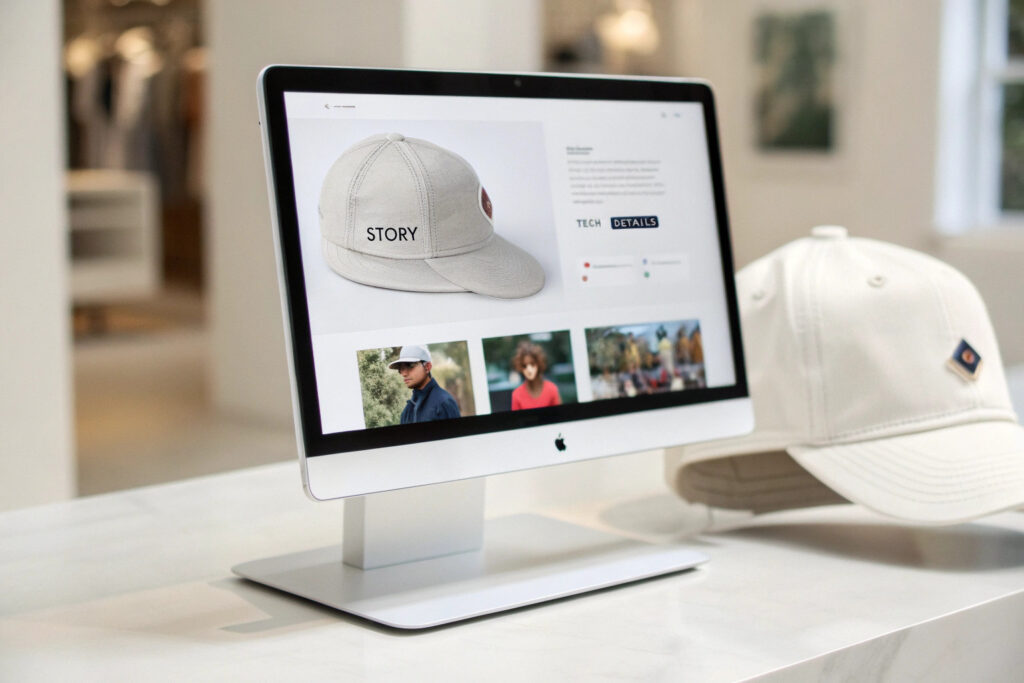
The product's release should be an event that matches the ambition of its inspiration, a grand unveiling that captures the essence of the vision behind its creation. Imagine a setting bathed in soft, ambient lighting, where the air hums with anticipation and the scent of fresh innovation lingers. The venue, perhaps a sleek, modern space with minimalist design elements that echo the product's aesthetic, serves as a canvas for the moment.
How to Frame the Collaboration's Story?
Don't just sell a cap; sell the mission.
Your marketing should dive deep into the narrative established in Phase 1. Create content that explains why you chose a specific mission patch, what the technical fabrics do, and how the design details connect to real aerospace engineering. Use short documentary clips, interviews with space enthusiasts, or animated breakdowns of the design features. This educational angle aligns with NASA's own public outreach mission and adds immense value for the consumer.
What Does a Modern Launch Strategy Look Like?
Generate hype through scarcity and community.
Consider a phased drop model: an initial, extremely limited "Mission Control" edition with unique packaging or an extra accessory, followed by a wider main release. Utilize AR (Augmented Reality) filters on Instagram or Snapchat that allow users to "see" the cap with a virtual spacesuit helmet or against a lunar background. Partner with STEM influencers, futurists, and high-profile design enthusiasts, not just traditional fashion bloggers, to authentically reach the intersection of your target audiences.
Conclusion
Designing a NASA-inspired streetwear cap is a multidisciplinary mission that blends historical research, contemporary design, legal savvy, and manufacturing excellence. The most successful outcomes treat the NASA legacy not as a simple graphic to be borrowed, but as a rich design language to be learned from and reinterpreted. By grounding your work in authentic references, executing with technical precision, and telling a compelling story, you create more than apparel—you create a wearable piece of cultural commentary.
This process demands a partner who understands the nuance of turning a complex concept into a flawless physical product. If you are planning a capsule collection that requires this level of integrated design and production expertise, from initial concept to final stitched label, we are equipped to guide you.
To discuss developing your NASA-inspired or any other technically nuanced headwear collection, please contact our Business Director, Elaine. Contact Elaine at: elaine\@fumaoclothing.com.