Creating gender-neutral beanies is more than just removing labels; it's a thoughtful design process centered on universal fit, versatile aesthetics, and inclusive marketing. In today's market, where consumers seek products that align with their values, designing a beanie that truly resonates across the gender spectrum can set your brand apart. So, how do you move beyond basic unisex claims to create genuinely inclusive headwear? It starts by focusing on shared needs and preferences, rather than designing for a gendered ideal.
The core of designing gender-neutral beanies lies in prioritizing universal anatomical fit, selecting colors and materials that transcend traditional gendered associations, and adopting marketing and branding that speaks to a shared human experience rather than a specific gender. Success is measured not by the absence of gender, but by the creation of a product where anyone can see themselves wearing it.
This guide will walk you through the key pillars of this design philosophy, from the initial sketch to the final product presentation.
How Do You Achieve a Truly Universal Fit?
The foundation of a gender-neutral beanie is a fit that comfortably accommodates a wide range of head sizes and hair types. A "one-size-fits-all" approach often fails, leading to a product that is too tight for some and too loose for others. The goal is to create a beanie that feels intentionally designed for variety.
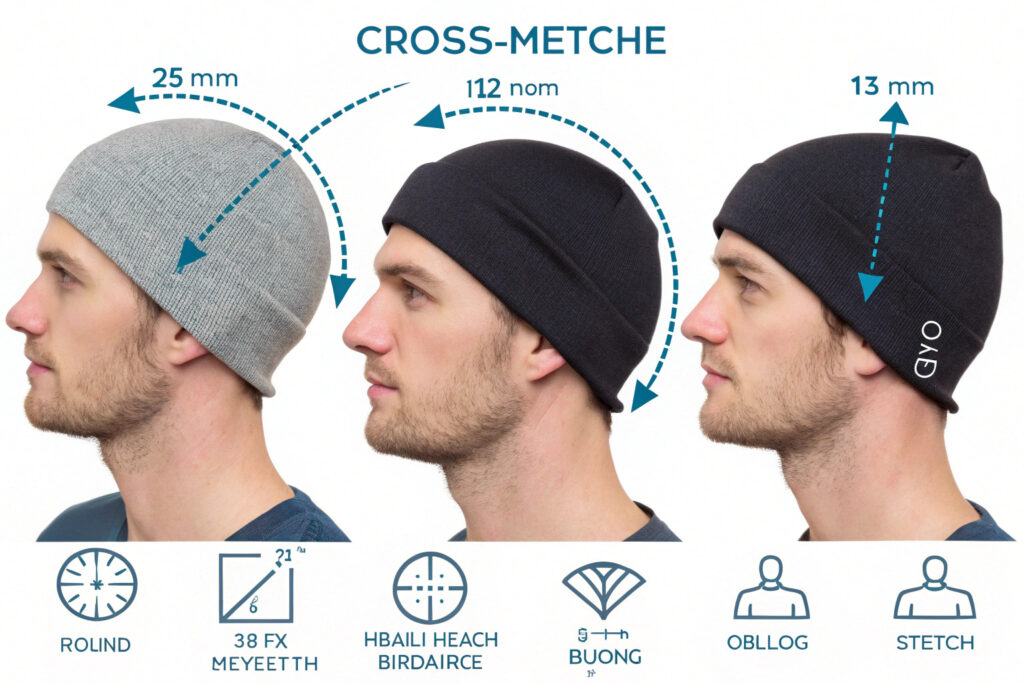
What are the key anatomical considerations for fit?
The most critical measurements are head circumference and crown depth. Research shows that adult head circumferences typically range from 21 to 24 inches, but a truly inclusive design should aim to stretch comfortably from approximately 20 to 26 inches. This requires careful selection of knit structure and yarn elasticity. Ribbed knits (like 1x1 or 2x2 rib) offer excellent horizontal stretch and recovery, making them a reliable choice. The crown depth must be sufficient to avoid a "perched" look on longer heads without creating excess bulk for others. A depth of 9 to 10 inches from crown to brim is often a safe, versatile range.
Should you offer multiple sizes instead?
While a well-designed single size can cover most adults, offering two deliberate sizes—such as Standard (fits 21-23" circumference) and Extended (fits 23-25"+ circumference)—is a more inclusive practice. This is especially important for accommodating diverse hair textures, such as locs, braids, afros, or thick hair, which require more space and a gentler stretch. Explicitly listing these size ranges and the hair types they support on your product page, as inclusive brands like shanghaifumaoclothing do, builds trust and reduces returns. It communicates that you have actively considered this need in your design process.
2. How to Select Colors and Materials for Broad Appeal?
Color and material are powerful communicators. Moving away from the outdated "pink for girls, blue for boys" paradigm requires building a palette based on psychology, nature, and versatility.
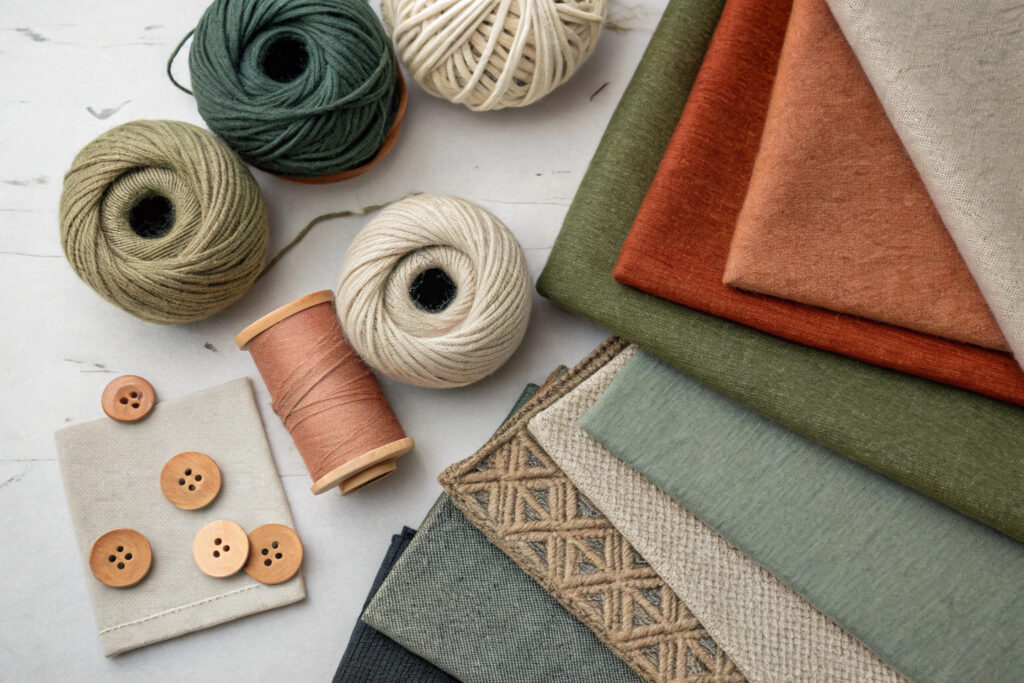
What defines a gender-neutral color palette?
A gender-neutral palette often draws from earth tones, deep neutrals, and muted spectrum colors. Think clay, moss, ochre, charcoal, slate blue, and forest green. These colors are found in nature and are not culturally hardwired to a specific gender. It’s also effective to use tonal styling—offering a single color in multiple shades (e.g., mist, stone, slate) or creating colorways based on abstract concepts like "Coastline" (sand, driftwood, seafoam) or "Granite" (black, grey, white fleck). This strategy focuses on aesthetic and emotional appeal rather than gendered association.
Which materials align with inclusive and ethical values?
Material choice is both a tactile and ethical decision. Inclusive brands often prioritize:
- Natural & Organic Fibers: Soft, breathable organic cotton, temperature-regulating merino wool, and bamboo blends are high-comfort, low-irritation choices.
- Recycled & Innovative Fabrics: Recycled polyester fleece (made from plastic bottles) or yarns blended with Tencel™ appeal to eco-conscious consumers of all genders.
- Functional Fabrics: For performance-oriented beanies, consider moisture-wicking and anti-microbial treatments. The key is to select materials based on their functional benefit and sensory feel, describing them as "cloud-soft," "breathable," or "thermoregulating" for everyone.
What Silhouette and Design Details Are Most Versatile?
The silhouette and functional details of your beanie should prioritize comfort and adaptability over decorative elements that might lean towards gendered styling.
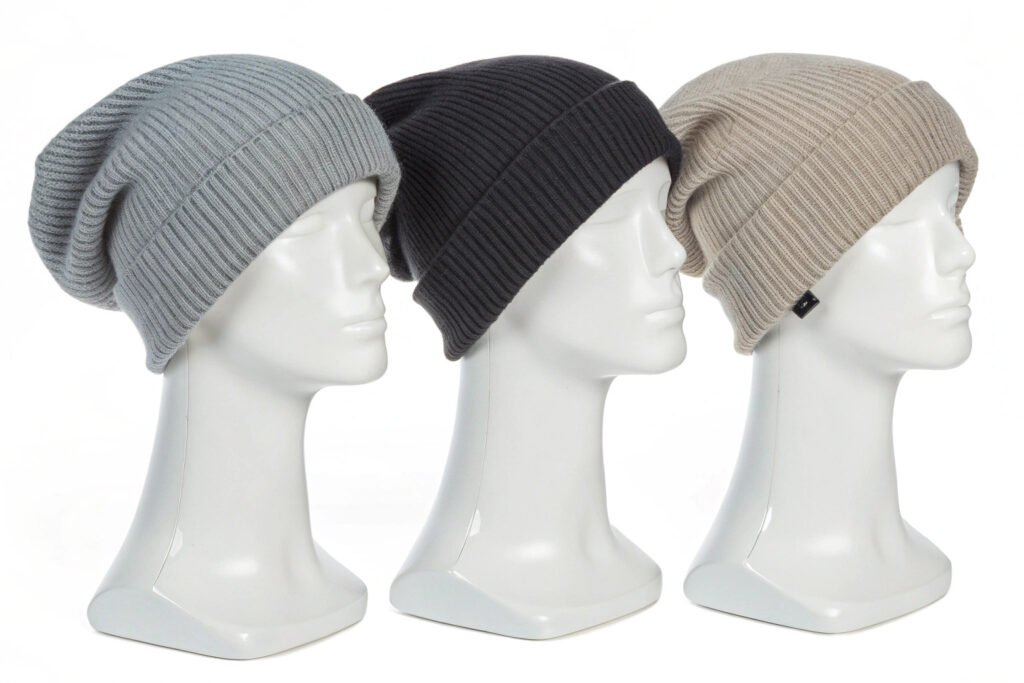
Which beanie silhouettes have the broadest appeal?
Classic, minimally styled silhouettes tend to be the most universally flattering. The slouchy beanie, the close-fitting ribbed cuff beanie, and the classic cuff (or folded brim) beanie are perennial favorites. The slouch offers a relaxed, modern look that adapts to different head shapes, while the close-fit provides a sleek, athletic profile. The most inclusive approach is to offer a range of these classic silhouettes, letting the customer choose based on their personal style preference rather than a gendered directive.
How do you handle branding and functional details?
Discreet, subtle branding is key. Instead of large, prominent logos, consider:
- Embroidery: A small, tonal embroidered logo on the folded cuff or a side tag.
- Labels: Using soft, printed fabric care labels instead of stiff, itchy sewn-in tags.
- Functional Features: Details like lockstitch seams for flatness (avoiding bulky, irritating seams), a windproof knit layer, or reflective stitching for visibility add value based on utility. These features position the product as a thoughtful tool for living, not just a gendered accessory.
How to Market and Present Products Inclusively?
Your design work continues into photography, copywriting, and branding. How you present the product must reflect the same inclusive principles.
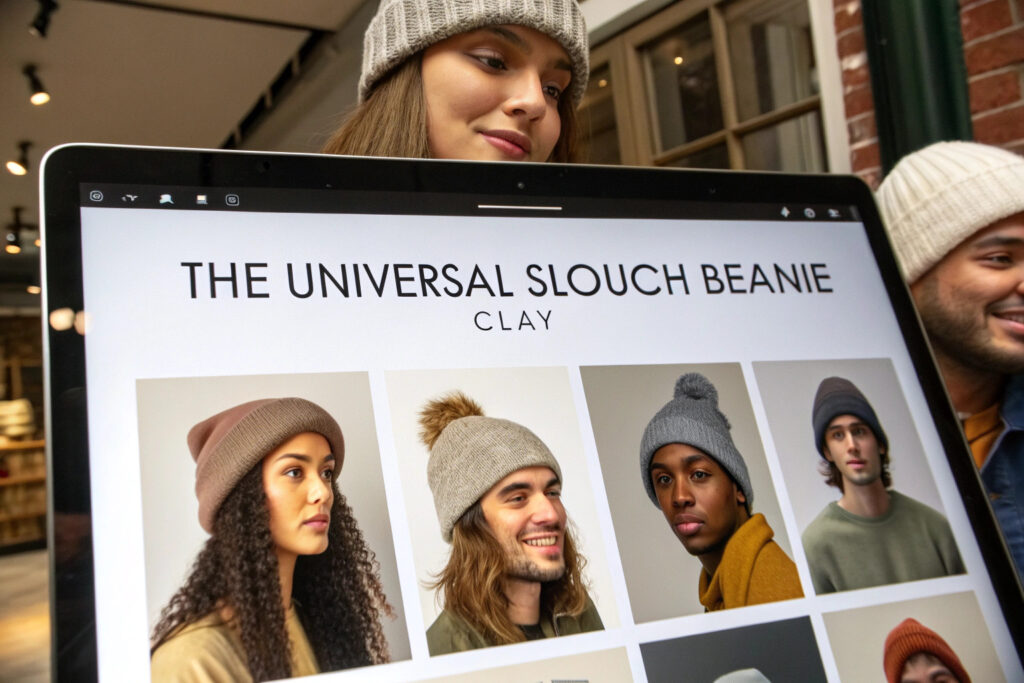
What does inclusive product photography look like?
Inclusive photography must showcase diversity in models. This means a range of genders, ethnicities, ages, skin tones, and hair types (including shaved heads, locs, curls, braids, and straight hair). Crucially, the styling should be consistent and neutral—the same beanie styled similarly on all models—to emphasize that the product is the constant, not the person. Use images that show the beanie in action on different people, proving its universal fit and style. Partnering with a manufacturer that understands global markets, like shanghaifumaoclothing, can provide valuable insight into diverse consumer presentations.
How should product descriptions and branding communicate inclusivity?
Language is powerful. Avoid binary terms like "men's" and "women's."
- Product Titles: Use names like "The Universal Cropped Beanie" or "Standard Fit Ribbed Hat."
- Descriptions: Focus on fit features ("designed to comfortably stretch over various hair volumes"), material benefits ("thermoregulating merino wool for all-day comfort"), and style intent ("a clean, minimalist profile"). Use "you" and "they" pronouns. In your size guide, provide clear measurement instructions and link sizes to head circumference, not gender.
- Brand Voice: Consistently communicate that your products are designed for people, not genders. This authentic, considered approach builds a loyal community around your brand.
Conclusion
Designing gender-neutral beanies is a holistic practice that blends empathetic product design with authentic, inclusive branding. It requires moving beyond simplistic unisex labeling to intentionally engineer for a spectrum of fits, curate versatile colors and materials, champion timeless silhouettes, and present your products in a way that makes every customer feel seen. By focusing on shared human needs—comfort, style, quality, and ethical values—you create products that resonate on a deeper level and build a brand that stands for true inclusivity.
Ready to bring your inclusive beanie designs to life? Partner with a manufacturer that understands the nuances of universal fit, ethical materials, and global market appeal. Contact us to start a conversation about your next collection. For a detailed discussion on your specific needs, please contact our Business Director Elaine at elaine@fumaoclothing.com.