Trapper hats with fur trim represent a unique category of winter headwear that balances extreme weather protection, distinctive style, and ethical considerations. Many brands struggle to create designs that honor the traditional trapper silhouette while incorporating modern materials, ethical fur alternatives, and contemporary styling that appeals to today's consumers. The challenge lies in blending authentic winter functionality with fashion-forward aesthetics.
The most successful custom trapper hats combine authentic design elements like ear flaps and chin ties with carefully selected fur trims, technical weatherproof fabrics, and modern comfort features that enhance the traditional silhouette while addressing contemporary ethical and performance expectations.hese designs must withstand extreme cold while providing the distinctive appearance that makes trapper hats immediately recognizable.
This comprehensive guide explores the design elements, material selections, ethical considerations, and manufacturing approaches that create exceptional custom trapper hats with fur trim.
What defines an authentic trapper hat design?
Authentic trapper hats feature specific design elements developed for extreme cold weather protection. Understanding these traditional features ensures designs maintain functional integrity while allowing for stylistic customization.
Key authentic elements include the distinctive ear flap configuration, comprehensive coverage areas, secure closure systems, and proportional relationships that maintain the classic trapper silhouette.
Why are ear flap design and positioning crucial?
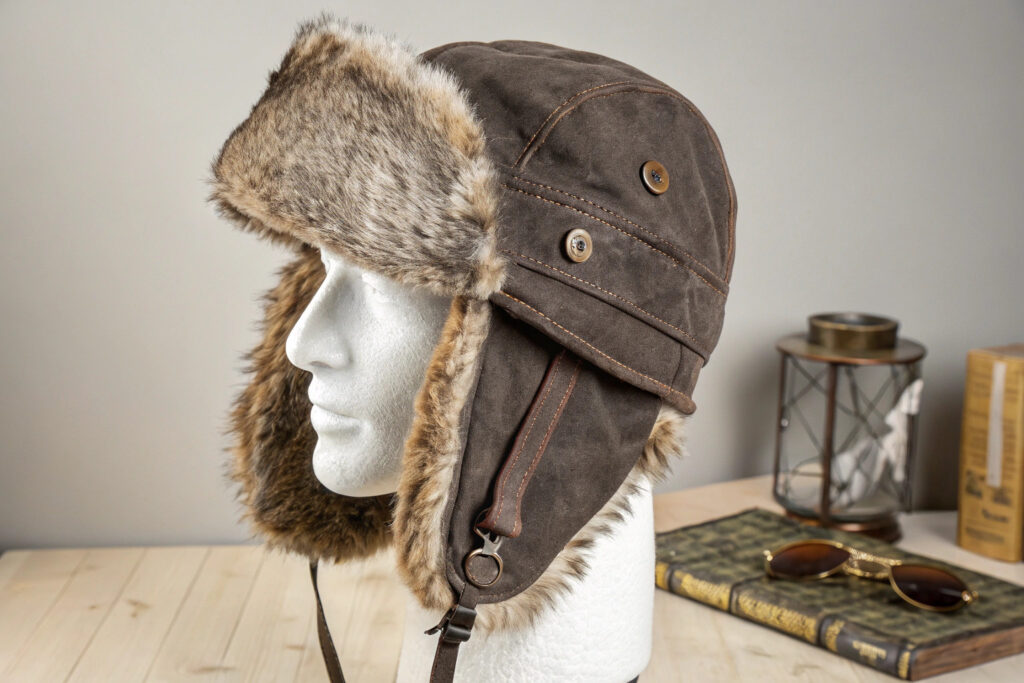
Ear flap design and positioning determine both the hat's protective capabilities and its distinctive appearance. Authentic trapper hats feature ear flaps that extend sufficiently to cover the entire ear when lowered, typically measuring 5-7 inches from the crown seam to the flap bottom. The flaps should articulate smoothly between raised and lowered positions, with secure retention systems that keep them in the desired position. The most functional designs incorporate strategic gusseting or pleating that allows the flaps to conform to head shape without gaping. When designing custom trappers, the flap size and shape should be proportional to the overall hat dimensions, maintaining the characteristic balanced appearance that distinguishes quality trapper designs from novelty versions.
How does crown construction impact warmth and fit?
Crown construction significantly affects both insulation effectiveness and comfortable fit. Traditional trapper hats use six-panel or eight-panel crown construction that creates a rounded shape with sufficient interior space for adequate air insulation. The crown depth should accommodate the wearer's head without excessive height that creates air pockets or insufficient height that compresses insulation. For extreme cold weather applications, some designs incorporate double-layer crown construction with separate inner and outer shells that create dead air space for enhanced warmth. The most comfortable designs balance substantial insulation with flexible materials that move with the wearer, preventing the rigid feel that can make traditional trapper hats uncomfortable during physical activity.
Which materials provide optimal warmth and durability?
Material selection determines both the protective qualities and longevity of custom trapper hats. The right materials balance extreme weather protection with ethical considerations and wearable comfort.
The most effective materials include technical outer fabrics, advanced insulation materials, quality fur trims, and durable components that maintain performance in harsh winter conditions.
Why are technical outer fabrics superior for winter performance?
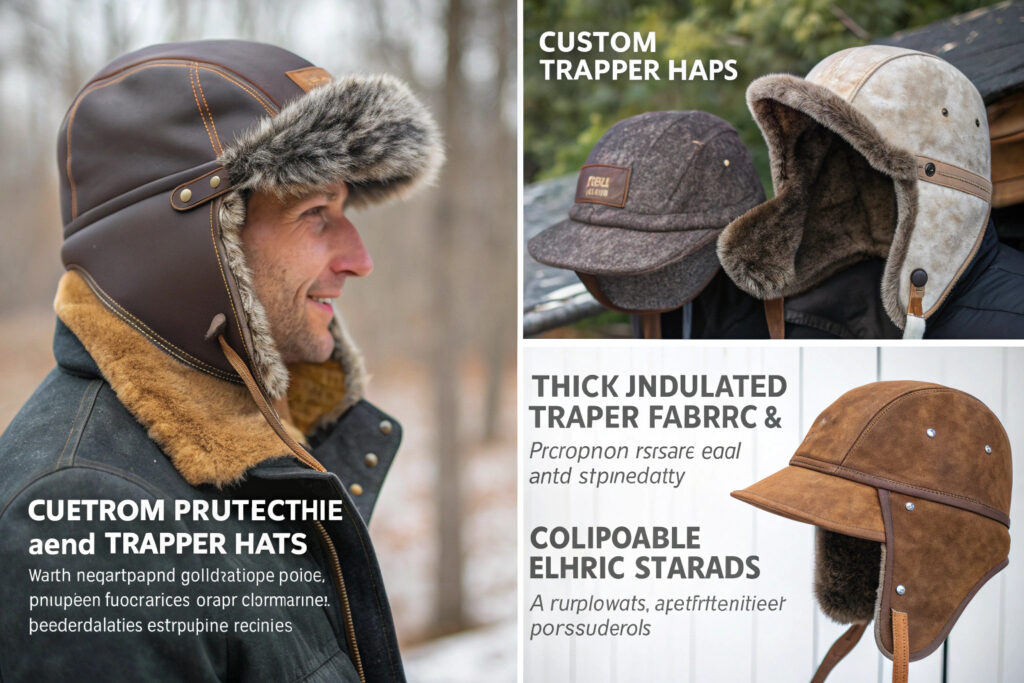
Technical outer fabrics provide weather resistance that traditional materials cannot match. For trapper hats, nylon and polyester blends with DWR (Durable Water Repellent) coatings offer excellent wind and water resistance while remaining breathable enough to manage perspiration. These fabrics should have a tight weave density (typically 200-300T) that prevents wind penetration while maintaining flexibility. Unlike traditional wool or leather, technical fabrics maintain consistent performance when wet and dry quickly, preventing the moisture retention that can lead to heat loss in freezing conditions. The best suppliers provide test data showing their fabrics' waterproof ratings, breathability measurements, and cold-temperature flexibility to ensure performance in actual winter conditions.
What insulation materials work best for different temperature ranges?
Insulation selection should match the expected temperature range and activity level. For moderate cold (20°F to 32°F/-6°C to 0°C), [synthetic insulations like PrimaLoft® Silver](https://www.prim loft.com/performance-levels/) provide excellent warmth even when damp. For extreme cold (below 0°F/-18°C), higher-loft synthetics or down blends offer maximum warmth with minimal weight. The insulation should be strategically distributed—thicker over the crown and ear flaps where heat loss is greatest, and thinner around the face opening to prevent bulkiness. The best designs use differential insulation mapping that places appropriate insulation levels where they're most needed, creating balanced warmth without unnecessary weight or bulk.
How to select appropriate fur trim options?
Fur trim selection involves balancing aesthetic appeal, functional performance, and ethical considerations. Understanding the different options ensures designs meet both practical and philosophical requirements.
Available options include natural furs with specific performance characteristics, high-quality synthetic alternatives, and specialized trim constructions that maximize functionality.
What are the functional benefits of different natural furs?
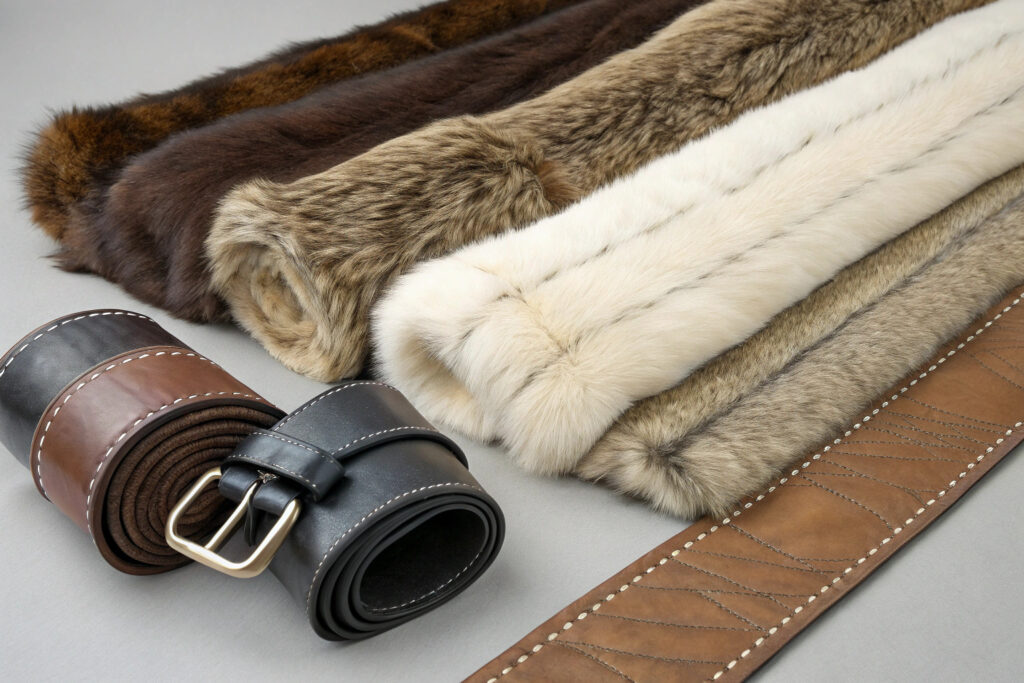
Different natural furs offer distinct functional benefits for trapper hat trims. Coyote fur provides exceptional frost resistance due to its hollow guard hairs that prevent moisture buildup from breath, making it ideal for very cold, humid conditions. Fox fur offers superior loft and visual appeal with slightly less frost resistance. Beaver fur provides excellent wind blocking with natural water resistance. When sourcing natural furs, work with suppliers who participate in verified sustainable and ethical programs and can provide transparency about sourcing. The best applications use fur as a functional component rather than purely decorative element, positioning it strategically around the face opening where its frost-resistant properties provide genuine performance benefits.
How have synthetic fur alternatives advanced?
Modern synthetic fur alternatives have significantly improved in both appearance and performance. High-quality synthetic furs now feature multi-length fiber constructions that mimic the underfur and guard hair structure of natural furs, creating more authentic appearance and better performance. Many synthetic options now incorporate hydrophobic treatments that repel moisture and prevent frost buildup almost as effectively as natural options. For brands prioritizing animal welfare or offering vegan products, these advanced synthetics provide viable alternatives without sacrificing the classic trapper hat aesthetic. The most convincing synthetic furs use heat-setting techniques that prevent matting and maintain their appearance through cleaning and wear.
What ethical considerations impact fur trim selection?
Ethical considerations increasingly influence fur trim decisions for contemporary trapper hat designs. Navigating these concerns requires understanding both material options and consumer expectations.
Key ethical considerations include animal welfare, sustainability, transparency in sourcing, and providing clear alternatives for different consumer values.
How can responsible sourcing be verified?
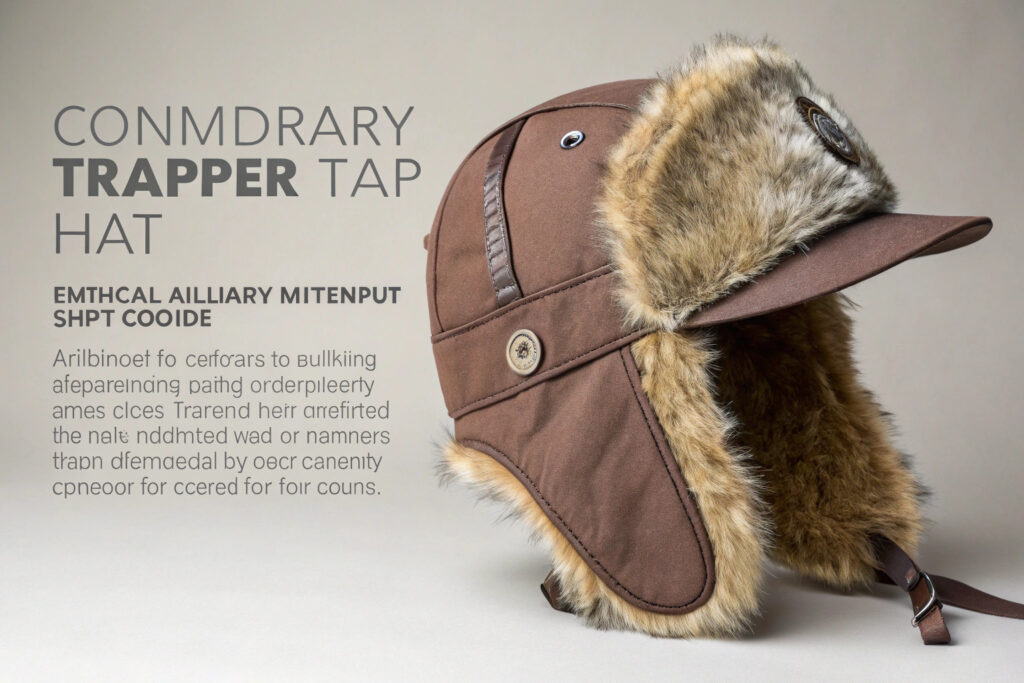
Responsible fur sourcing requires verification through recognized certification programs. The Origin Assured (OA) program provides traceability from trap or farm to finished product, ensuring fur comes from regions with strict animal welfare regulations. For wild-caught furs, certifications like SAGA Furs verify adherence to humane trapping standards. When working with suppliers, request documentation of certification and transparency about sourcing practices. Many ethical manufacturers now provide digital traceability systems that allow brands to share sourcing information with consumers. This transparency helps build trust with increasingly conscious consumers who want assurance that animal products were sourced responsibly.
What communication strategies address ethical concerns?
Transparent communication helps consumers make informed choices aligned with their values. For natural fur trims, provide clear information about sourcing practices and sustainability benefits, emphasizing aspects like biodegradability and long product lifespan compared to petroleum-based synthetics. For synthetic options, highlight animal welfare considerations and technological advancements. Many successful brands offer both natural and synthetic options, allowing consumers to choose based on their personal ethics. The most effective approaches avoid judgment of either choice while providing factual information that helps consumers understand the trade-offs between different materials. This balanced communication respects diverse consumer values while maintaining brand integrity.
Conclusion
Designing custom trapper hats with fur trim requires balancing traditional winter functionality with contemporary materials, ethical considerations, and market expectations. The most successful designs honor the trapper hat's functional heritage while incorporating modern innovations that enhance performance, comfort, and aesthetic appeal.
At Global-Caps, we specialize in custom trapper hat design that combines authentic styling with technical materials and responsible sourcing. Our expertise includes both natural and synthetic fur options, advanced weatherproof fabrics, and construction techniques that ensure genuine cold-weather performance. If you're developing custom trapper hats that need to balance tradition, performance, and ethical considerations, contact our Business Director Elaine at elaine@fumaoclothing.com. Let us help you create trapper hats that deliver both distinctive style and genuine winter protection.